The one thing to watch
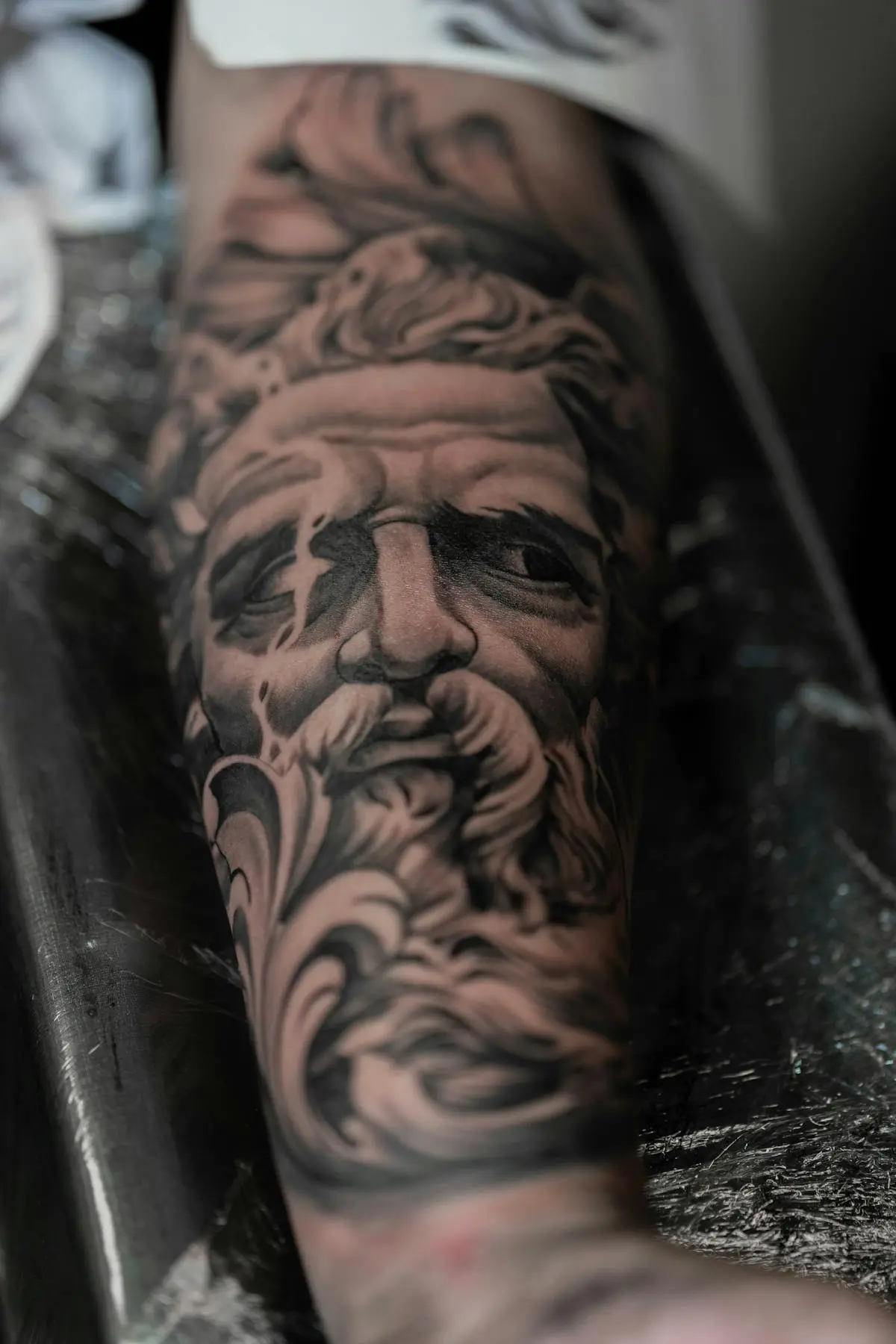
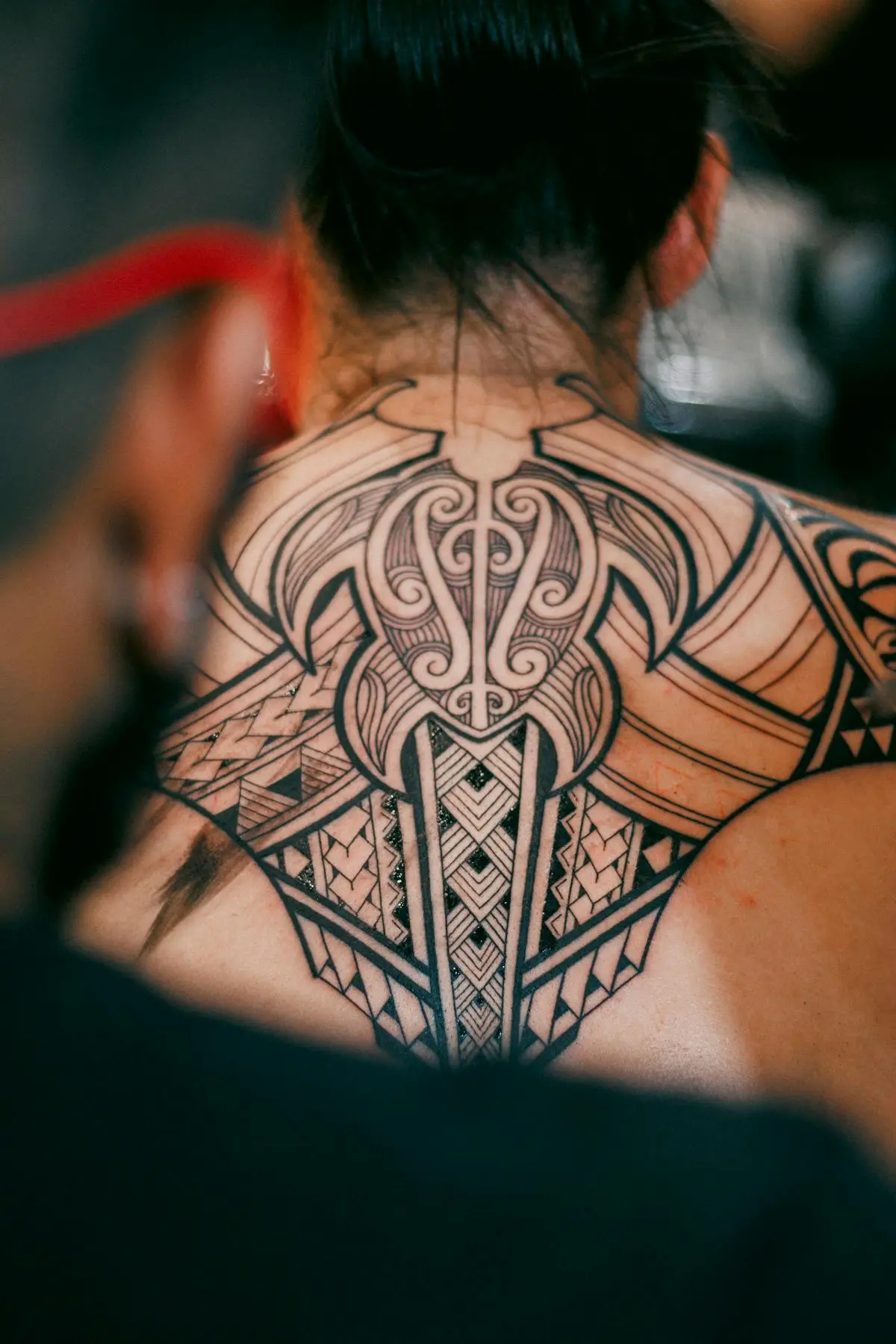
A black outline or structure. It is what keeps the shape as the color softens.
What the style itself demands
From the Watercolor style guide, the rules that decide how well it lasts:
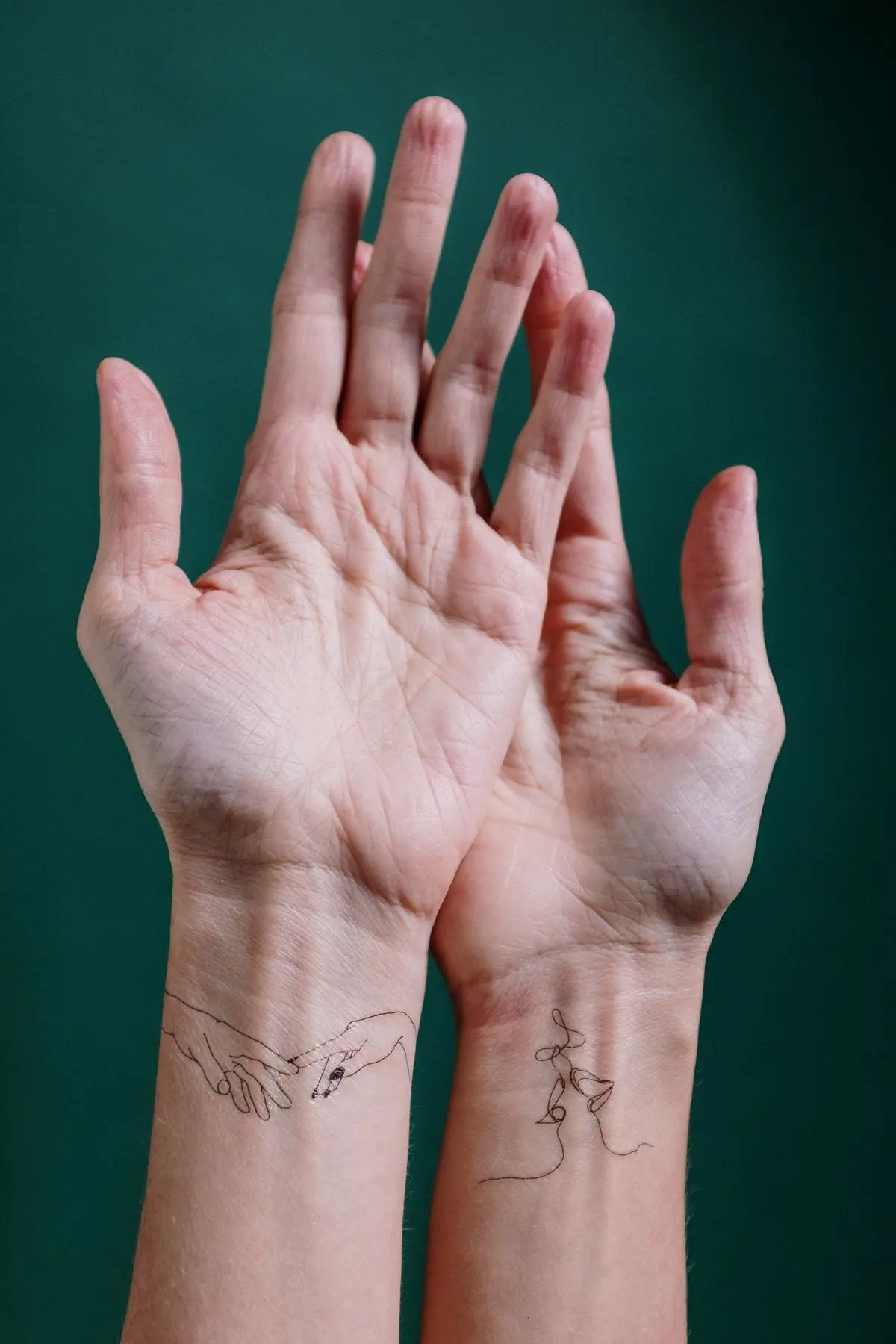
- An anchor element helps longevity: pure watercolor with no black anywhere tends to blur and fade faster. Many experienced artists include a minimal black element (linework, silhouette, or outline) to anchor the design as color softens.
- Aging is the honest conversation: watercolor tattoos age faster than any bold-outline style. A 5–10 year old watercolor tattoo looks significantly softer than the day-one photo. Artists should show clients healed examples before booking.
Common questions about Watercolor aging
How long before a watercolor tattoo needs a touch-up?
Expect meaningful softening by year 3–5, and a noticeable change in clarity by year 7–10. The timeline varies significantly by placement (sun exposure accelerates fading) and whether the design has a black linework anchor. A well-cared-for watercolor on a low-sun area might look good for 6–8 years; one on a forearm in a sunny climate may read as blurry by year 4.
How does watercolor compare to traditional color tattoos for aging?
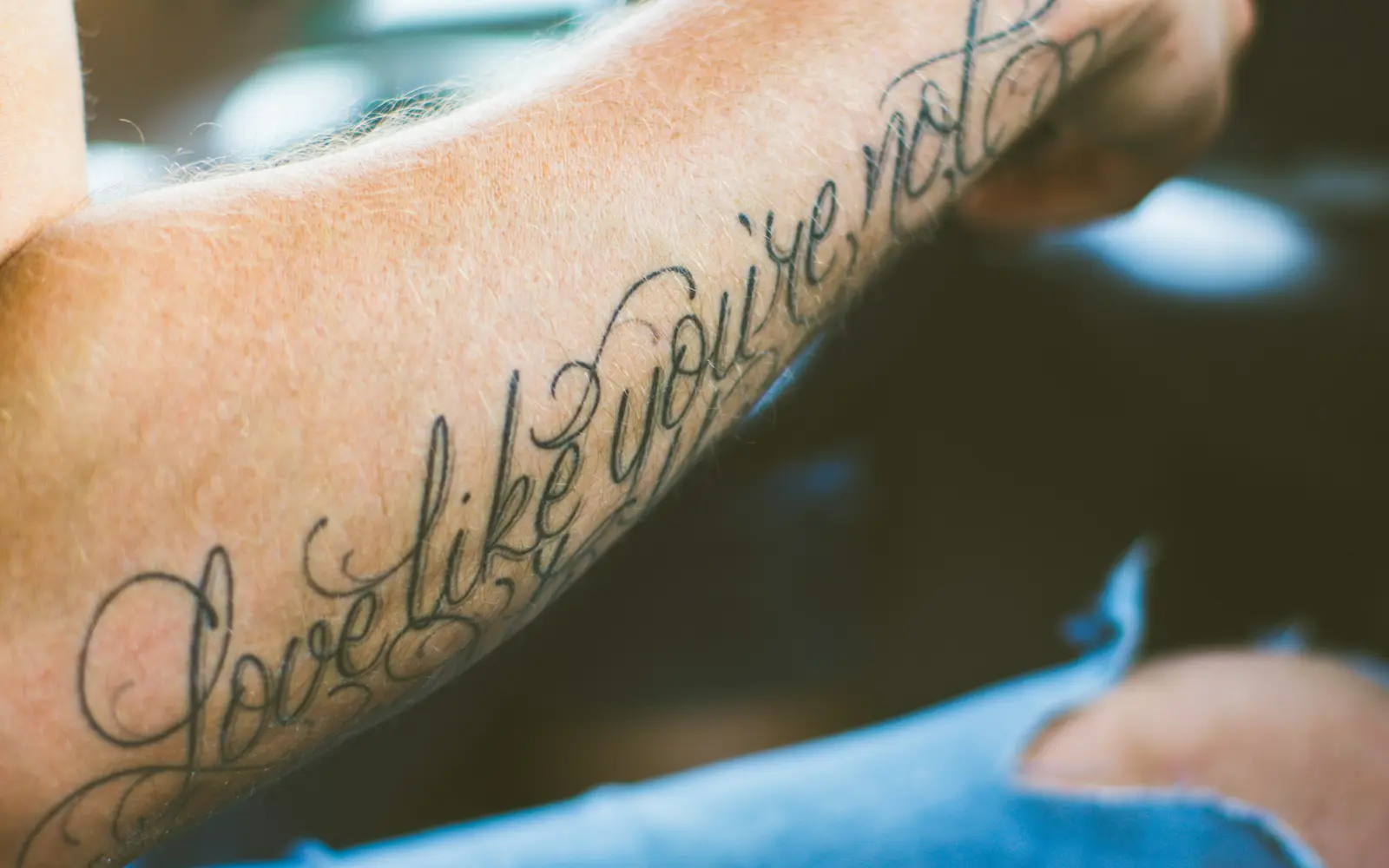
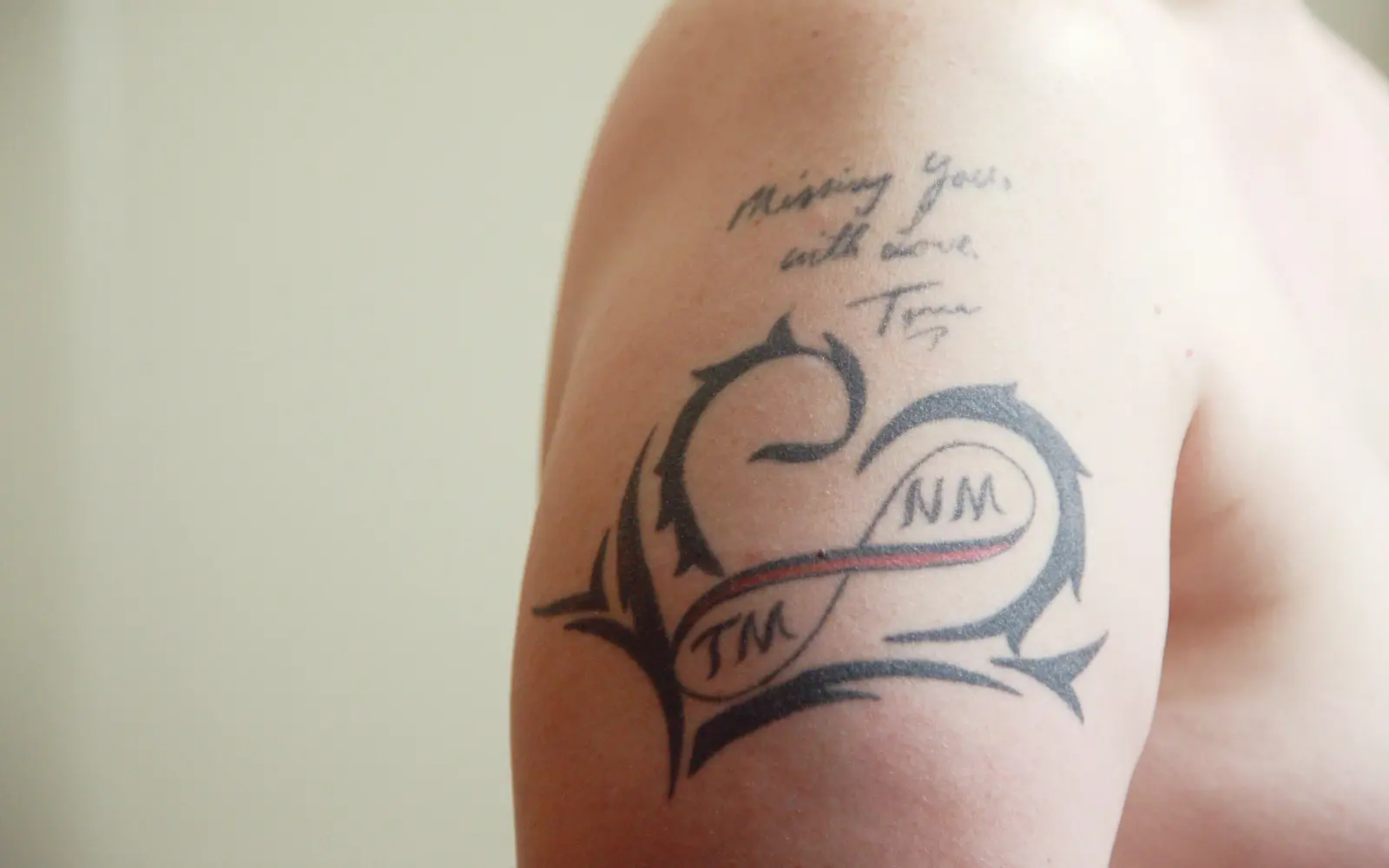
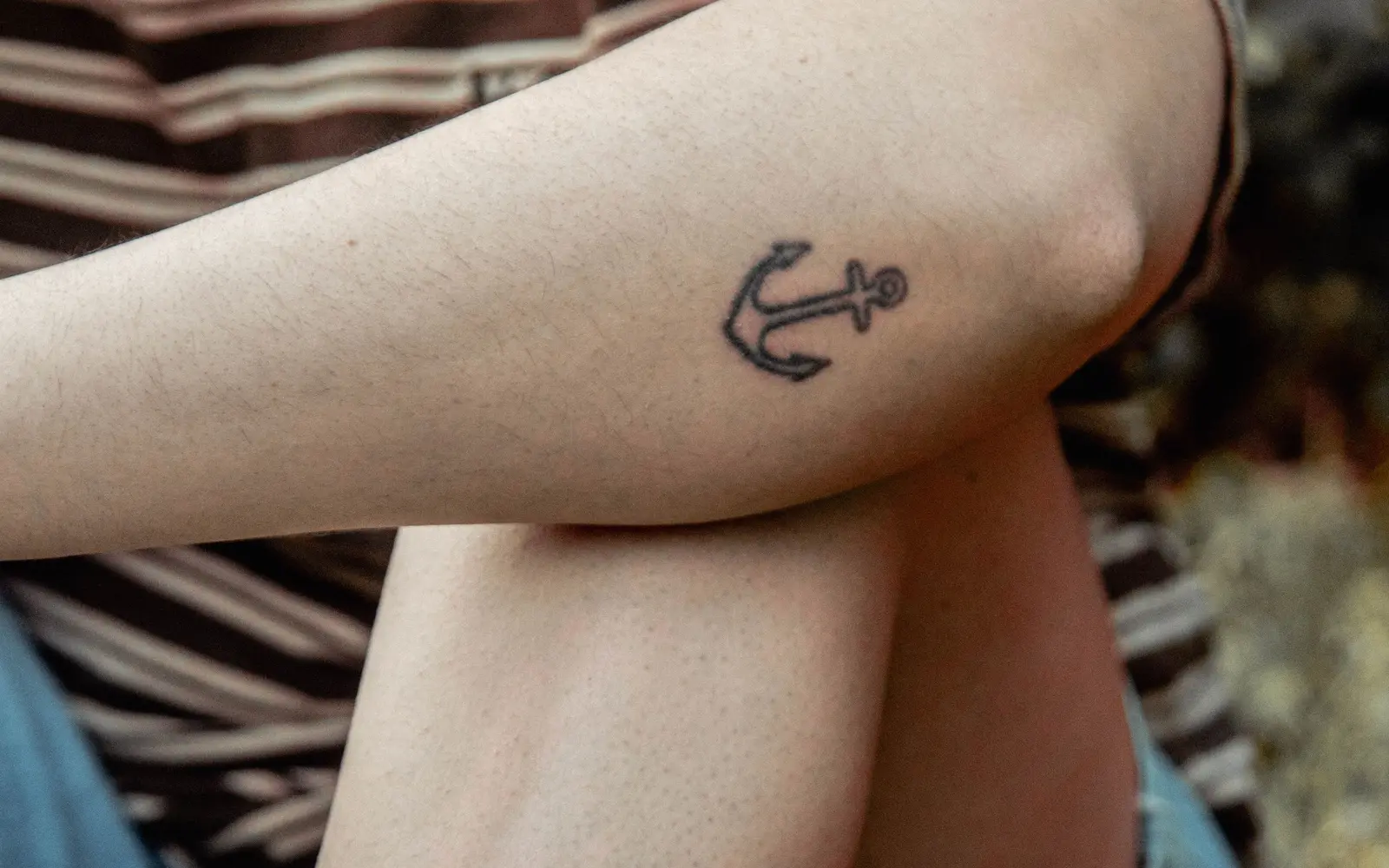
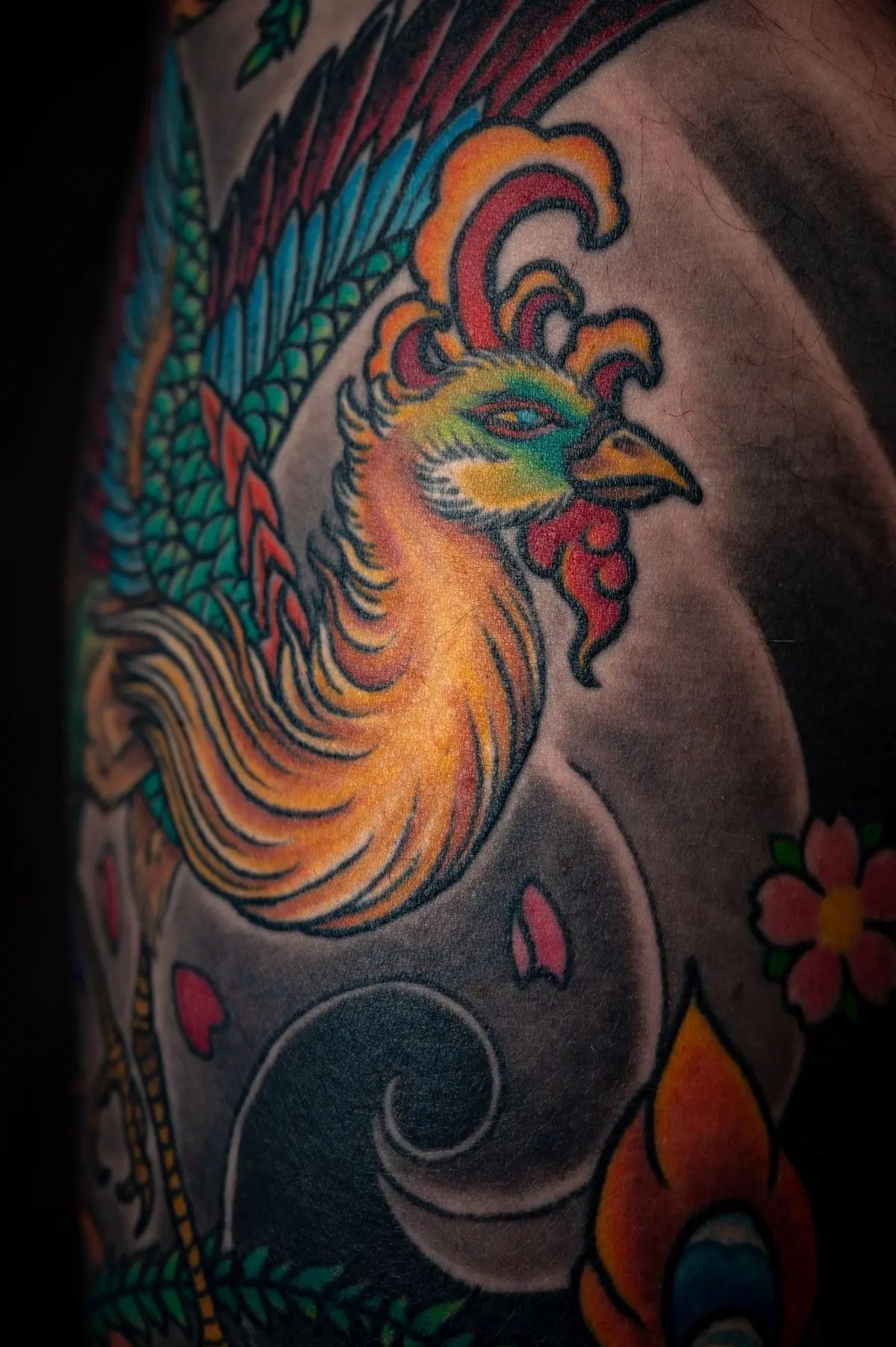
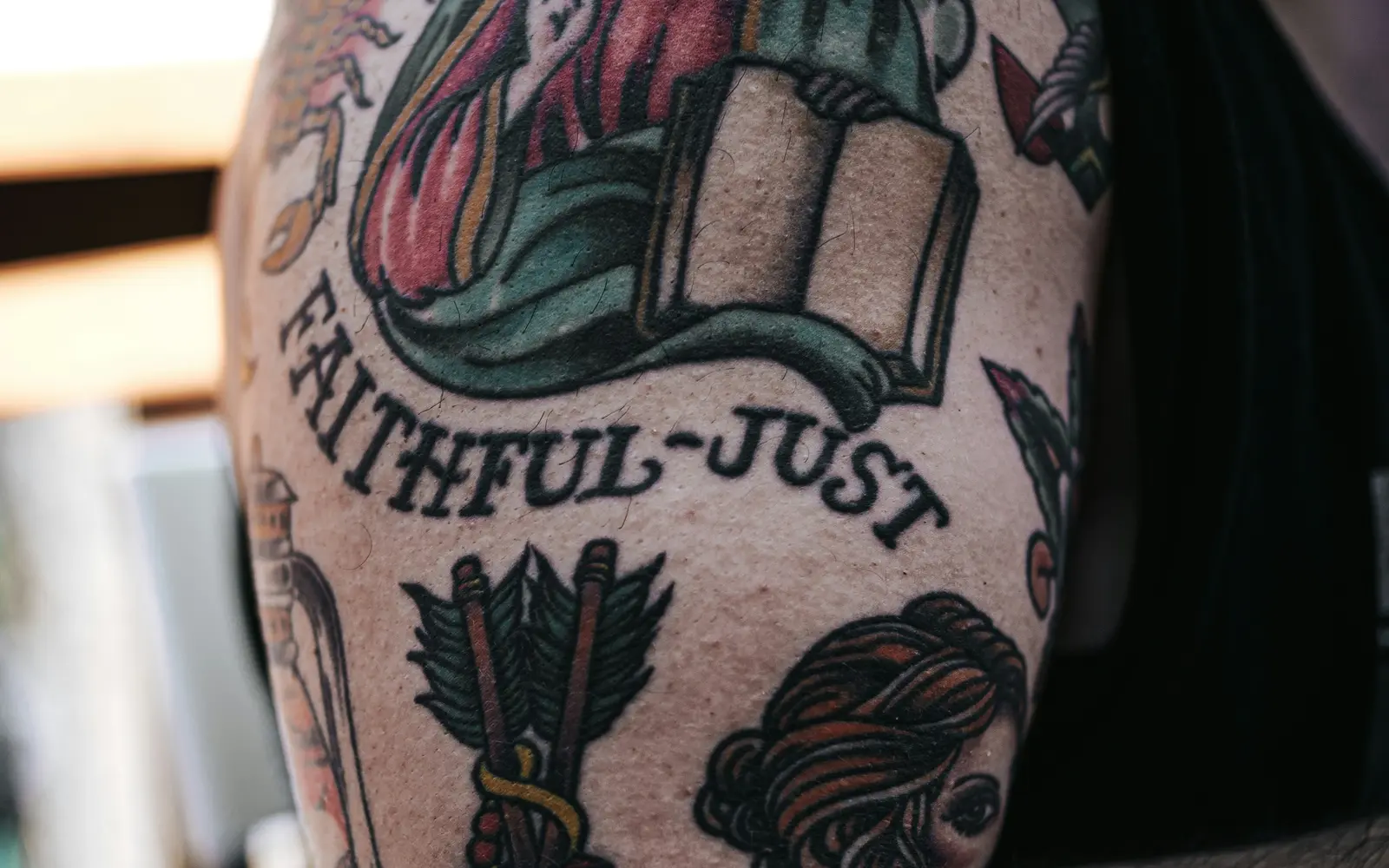
Traditional color tattoos age significantly better. The difference is the outline structure: Traditional's heavy black lines hold the composition together as color softens over decades. Watercolor's defining absence of hard outlines means the entire visual logic of the piece depends on color retention, and color retention is always temporary.
Placement matters as much as style
Friction and sun drive aging more than anything else. Ourplacement guide groups the body into three tiers, which are the same tiers the simulator uses:
- Low wear: outer forearm, outer upper arm, calf, outer thigh, upper back, chest.
- Medium wear: inner bicep, inner forearm, inner thigh, ribs, lower belly.
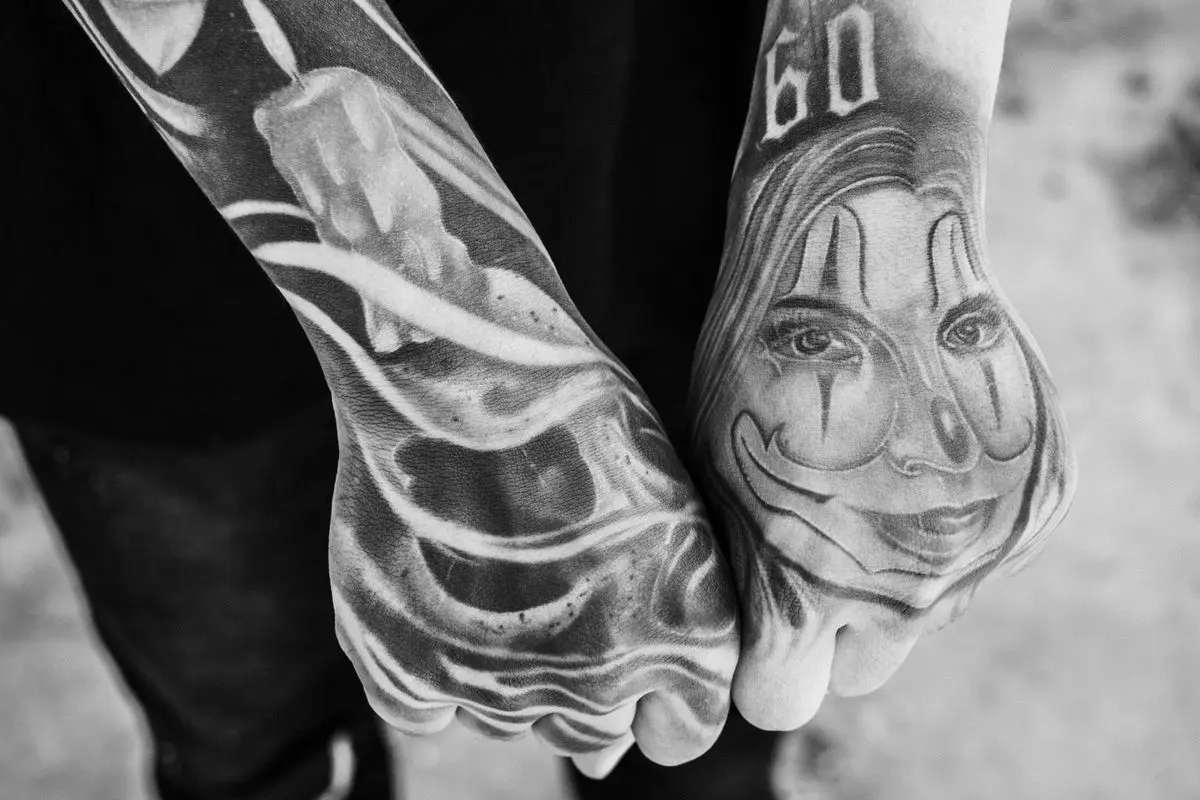
- High wear: fingers, knuckles, hands, top of foot, behind the ear.
Whatever the style, the habits that slow fading are the same: sunscreen on healed skin, a proper heal in the first weeks, and a touch-up when it needs one. Thewhy tattoos fade guide and thetouch-up guide cover both.