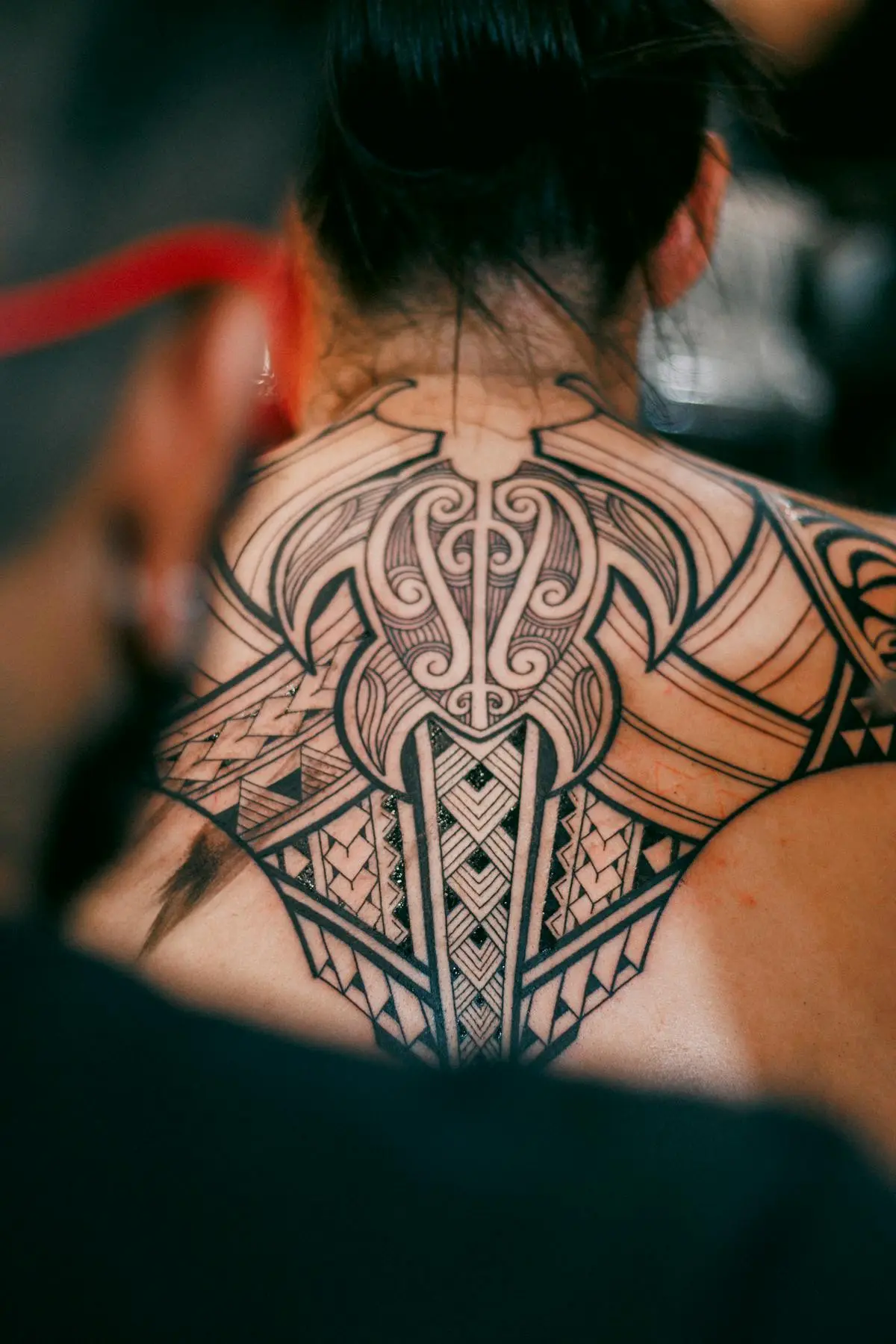
The one thing to watch
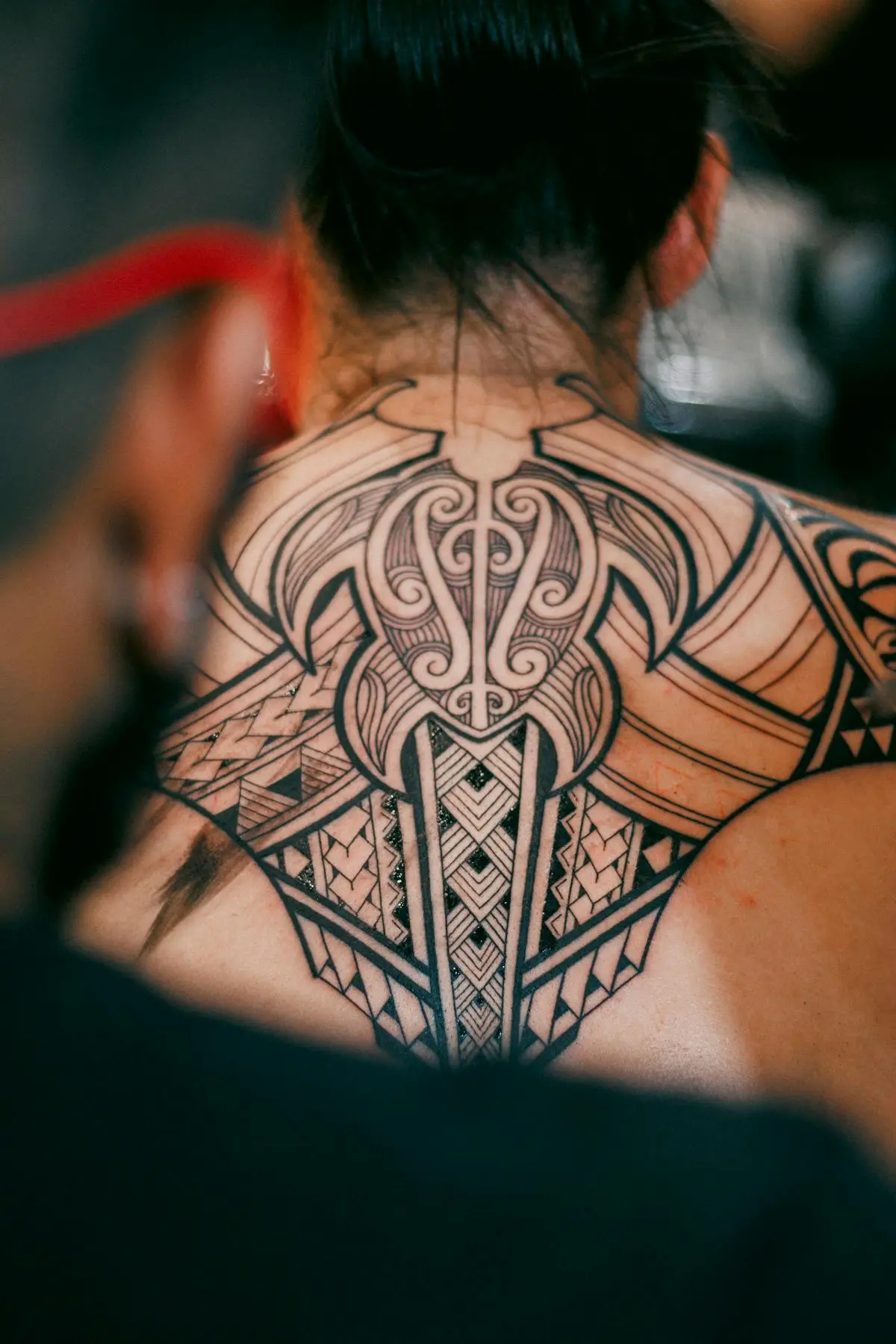
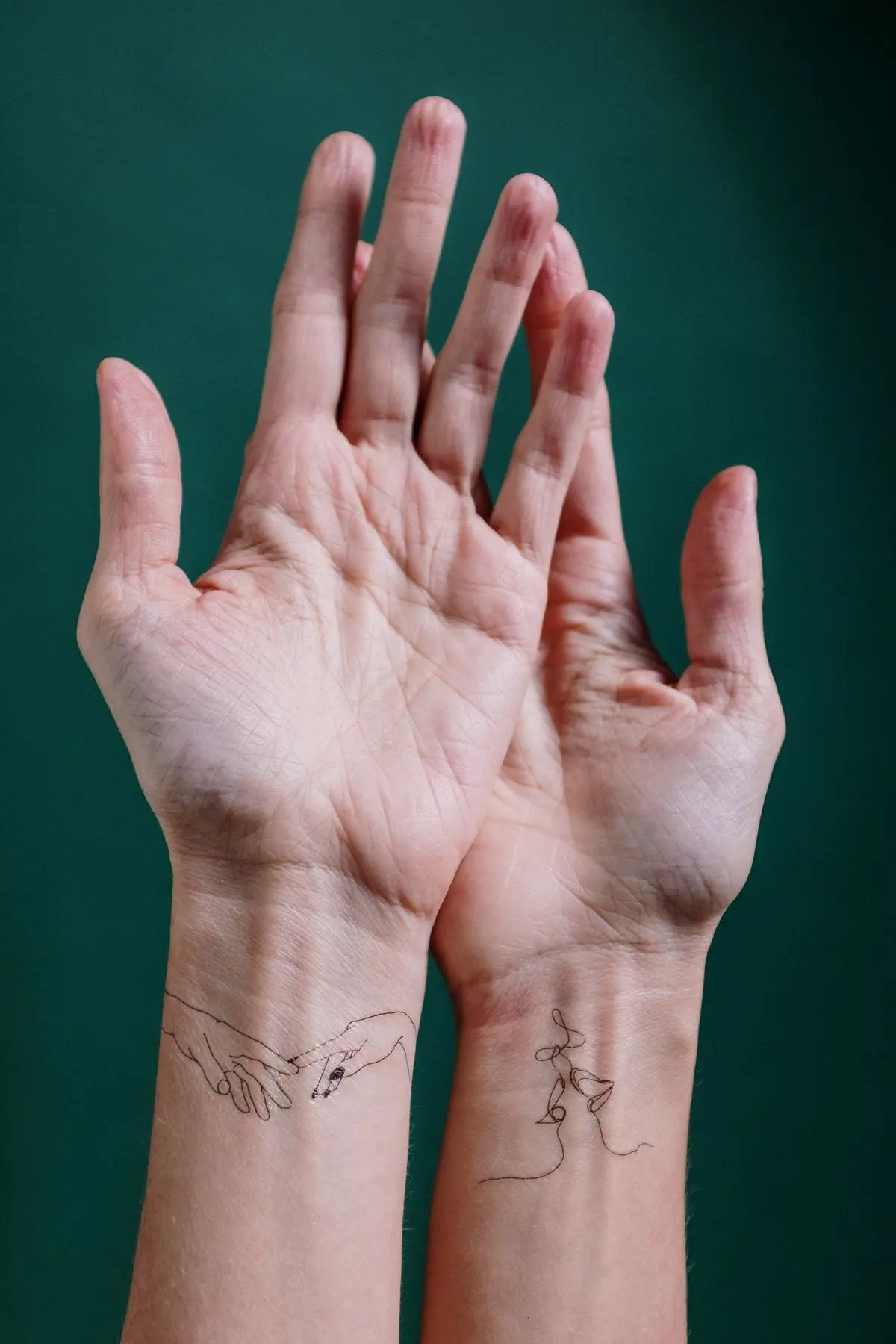
Line spacing. Parallel and intersecting lines need room to stay distinct.
What the style itself demands
From the Geometric style guide, the rules that decide how well it lasts:
- Placement follows the body's geometry. Good geometric tattoo artists map their designs to the contours of the specific body part. Flat designs applied without accounting for body curves distort when the skin moves.
Common questions about Geometric aging
Does geometric tattooing stay symmetrical as skin ages and stretches?
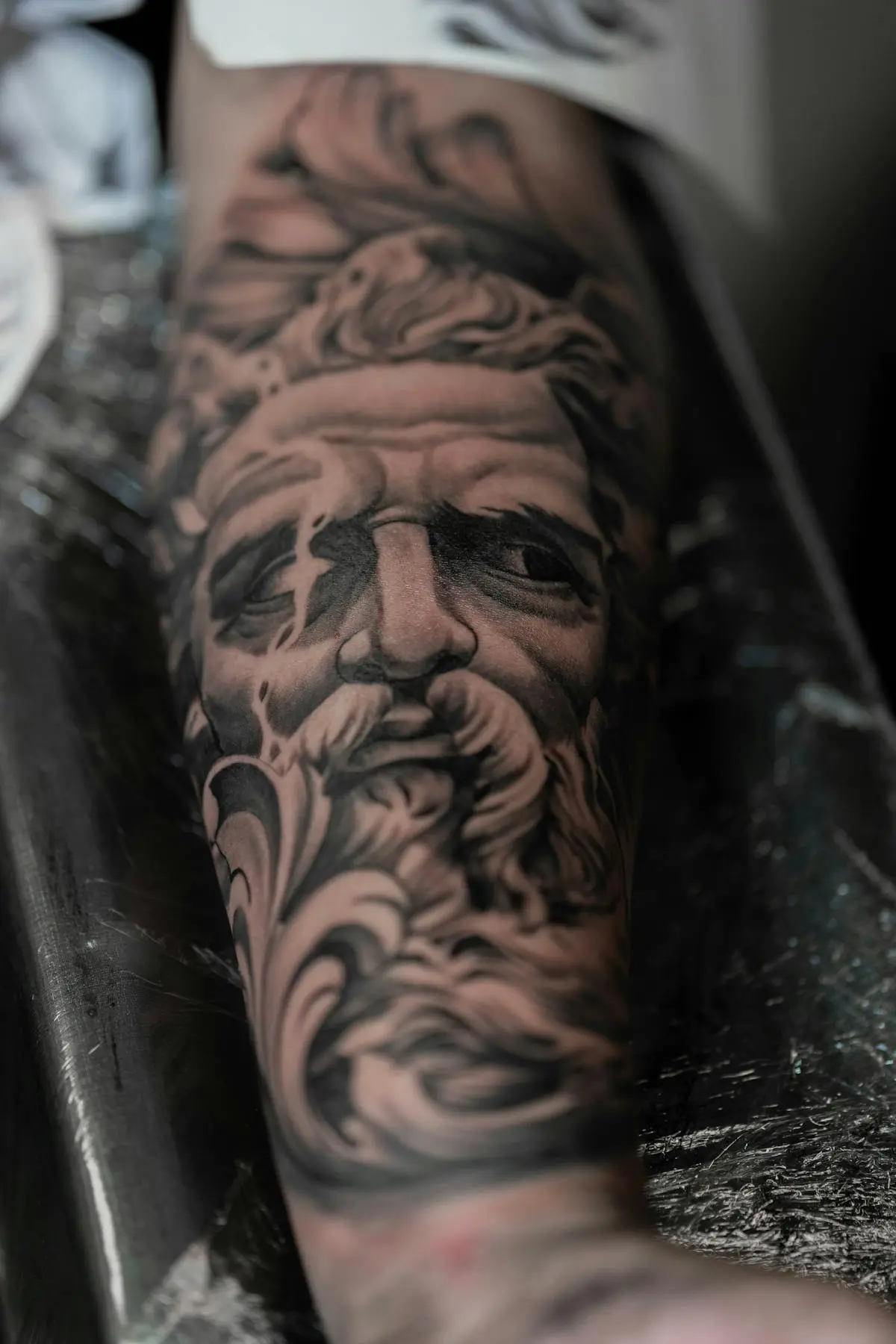
Mostly, on stable placements. Areas with significant weight fluctuation (stomach, inner thigh) can cause distortion over time. The best placements for maintaining geometric symmetry are low-movement, low-stretch zones: forearms, sternum, upper back, calves. Joints and highly curved areas are the hardest to place geometric work on accurately.
Placement matters as much as style
Friction and sun drive aging more than anything else. Ourplacement guide groups the body into three tiers, which are the same tiers the simulator uses:
- Low wear: outer forearm, outer upper arm, calf, outer thigh, upper back, chest.
- Medium wear: inner bicep, inner forearm, inner thigh, ribs, lower belly.
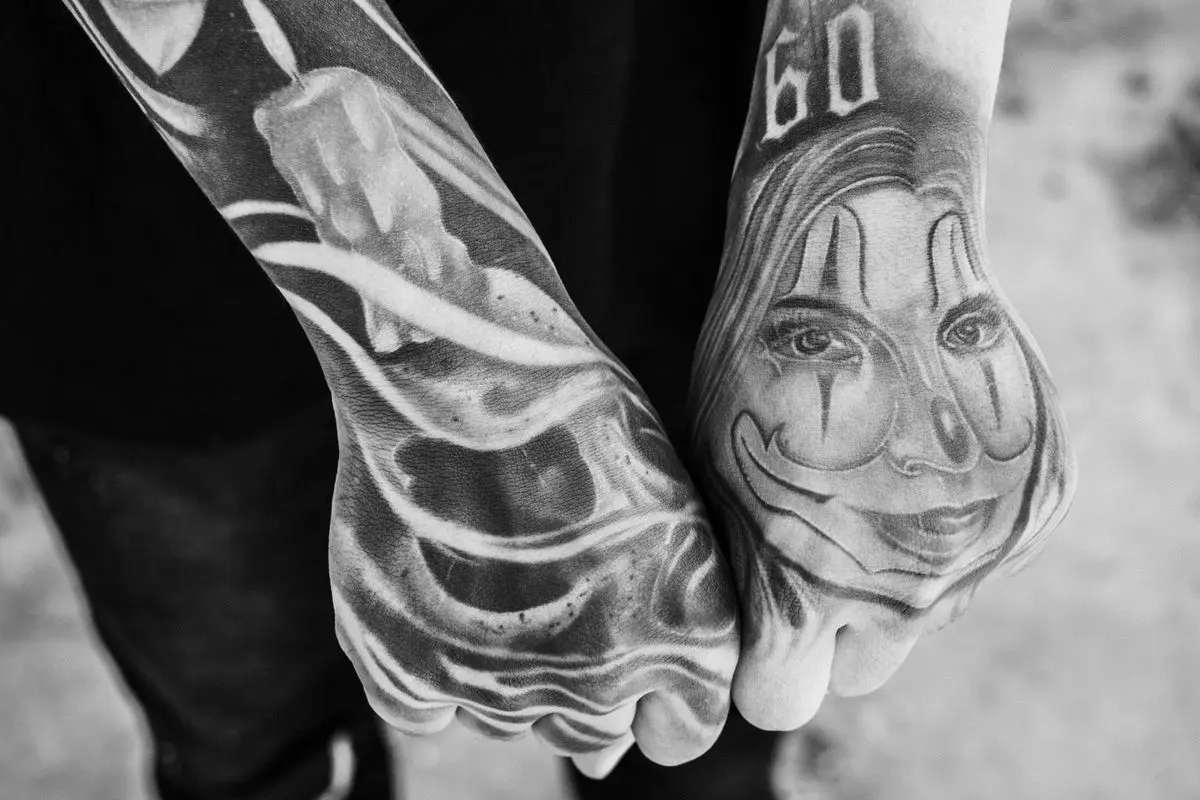
- High wear: fingers, knuckles, hands, top of foot, behind the ear.
Whatever the style, the habits that slow fading are the same: sunscreen on healed skin, a proper heal in the first weeks, and a touch-up when it needs one. Thewhy tattoos fade guide and thetouch-up guide cover both.