The one thing to watch
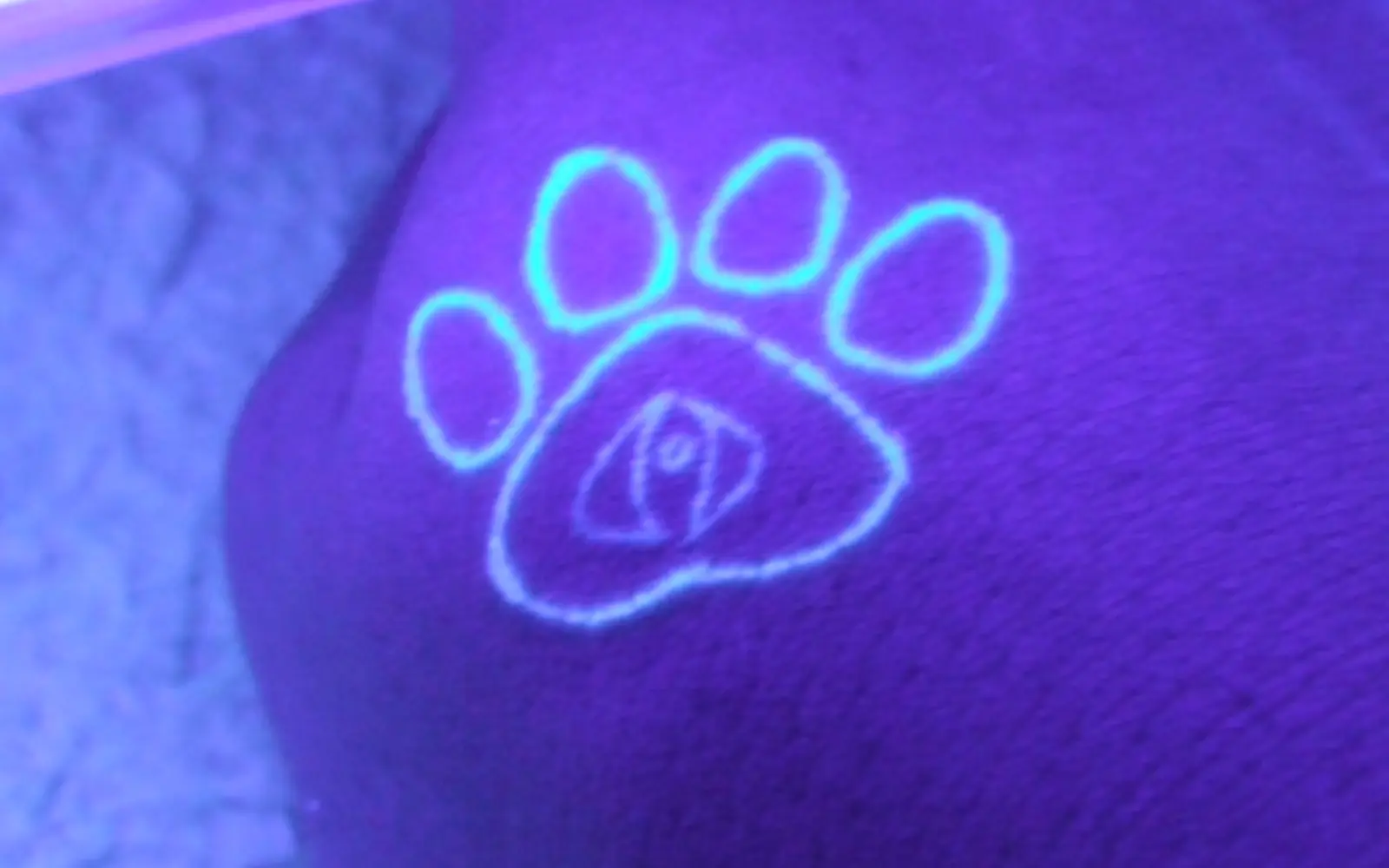
Sun exposure. UV inks are light pigments and are UV-sensitive.
What the style itself demands
From the UV / Blacklight style guide, the rules that decide how well it lasts:
- Expect it to be harder to apply and to age unevenly: with little or no black pigment to anchor the work, UV tattoos can be trickier to execute cleanly and may fade or shift more than standard ink.
Common questions about UV / Blacklight aging
Why do UV tattoos fade or look different in daylight?
Reactive pigment can be less visually anchored than a conventional black outline, and daylight reveals only its ordinary pigment color rather than its fluorescent effect. Ink choice, application, placement, sun exposure, and normal healing all affect the result, so ask to see healed daylight and blacklight examples.
Placement matters as much as style
Friction and sun drive aging more than anything else. Ourplacement guide groups the body into three tiers, which are the same tiers the simulator uses:
- Low wear: outer forearm, outer upper arm, calf, outer thigh, upper back, chest.
- Medium wear: inner bicep, inner forearm, inner thigh, ribs, lower belly.
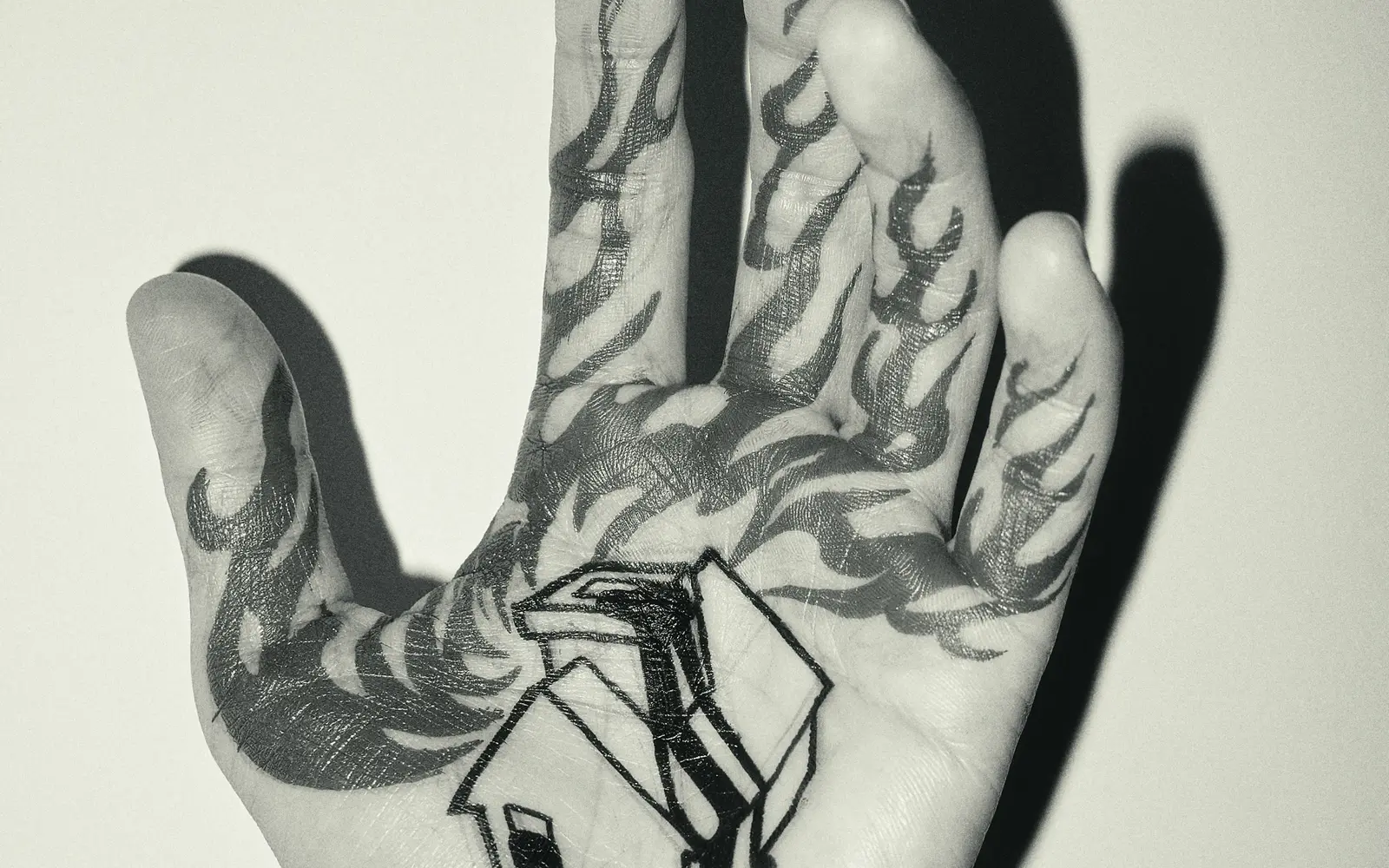
- High wear: fingers, knuckles, hands, top of foot, behind the ear.
Whatever the style, the habits that slow fading are the same: sunscreen on healed skin, a proper heal in the first weeks, and a touch-up when it needs one. Thewhy tattoos fade guide and thetouch-up guide cover both.