The one thing to watch
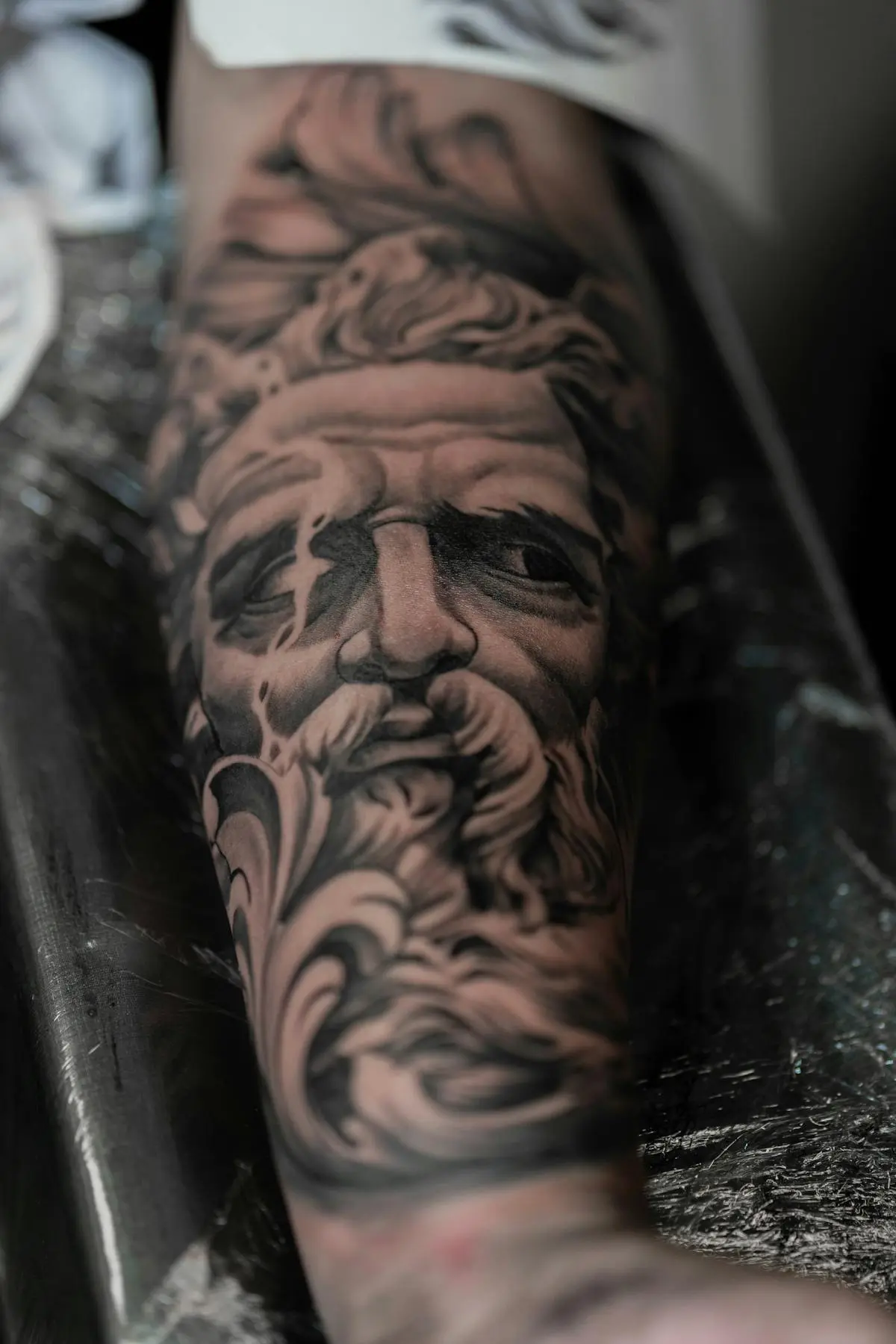
Highlight contrast. Ask how the artist protects the lightest values, and keep the piece out of the sun.
What the style itself demands
From the 3D style guide, the rules that decide how well it lasts:
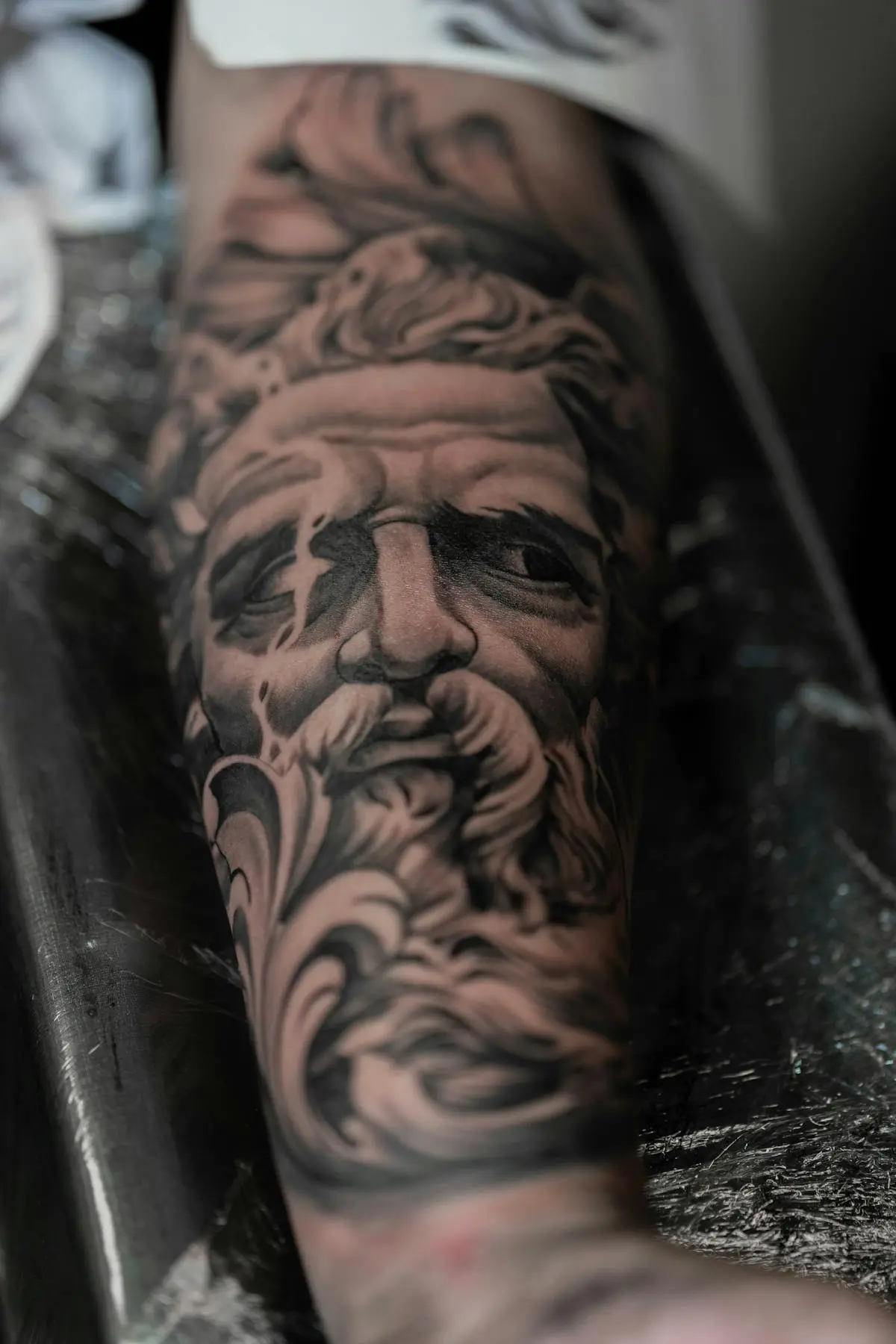
- Design for a viewing angle: the illusion is strongest from the perspective the artist composed it for and weakens from other angles, so placement and orientation matter as much as the drawing.
- Plan for fading: the deep shadows that create the depth fade faster than the rest, so build in extra contrast up front and budget for a touch-up every several years to keep the effect alive.
- Match the design to the body part: flat or gently curved areas hold the illusion; placements that flex or bend hard will distort the perspective and break it.
Common questions about 3D aging
Does a 3D tattoo fade faster than other tattoos?
The ink does not have a special fading mechanism, but the effect depends on subtle shadow and highlight relationships that become less distinct as all tattoos soften. Good contrast, sensible sizing, sun protection, and an experienced realism artist improve how long the illusion reads.
Placement matters as much as style
Friction and sun drive aging more than anything else. Ourplacement guide groups the body into three tiers, which are the same tiers the simulator uses:
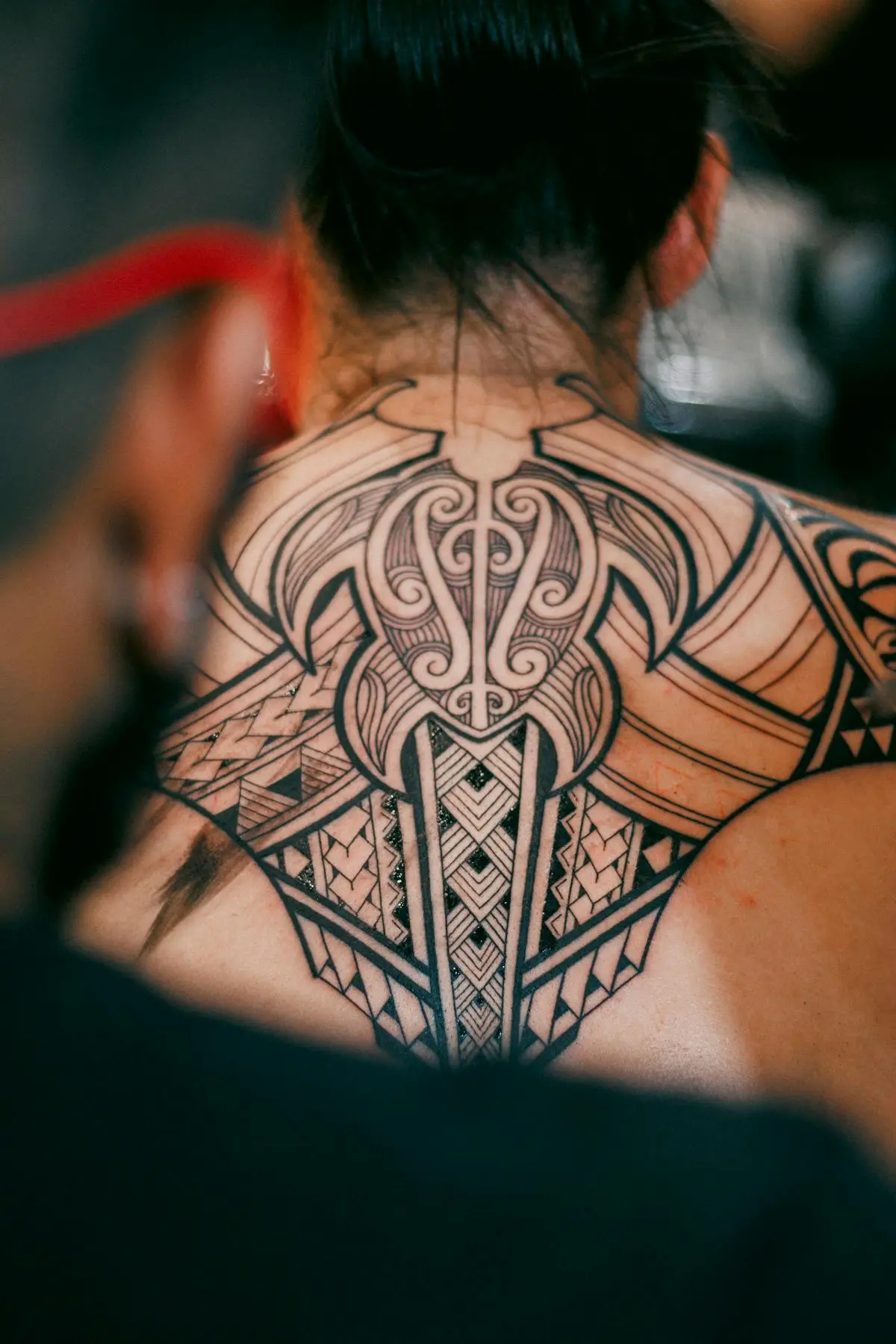
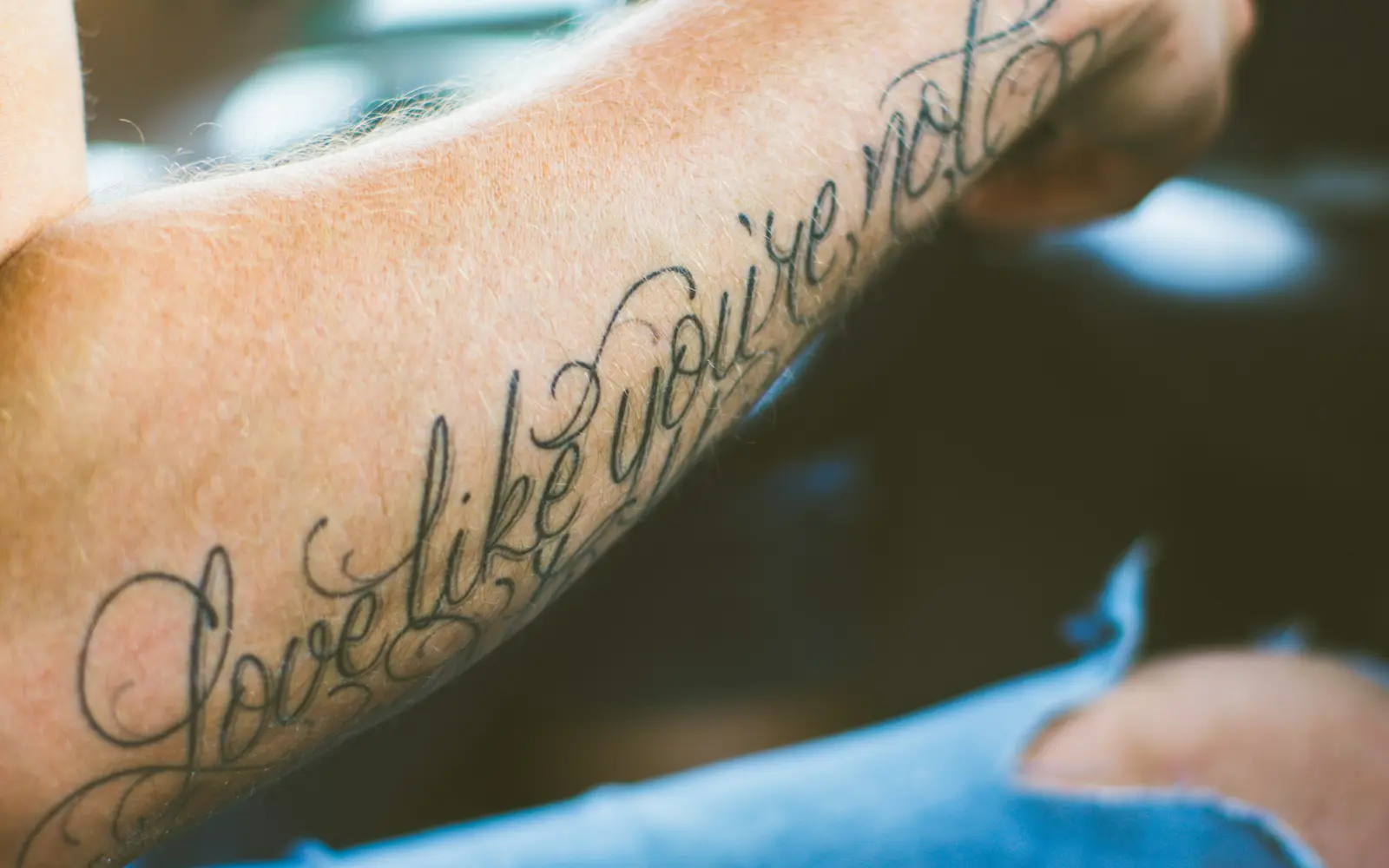
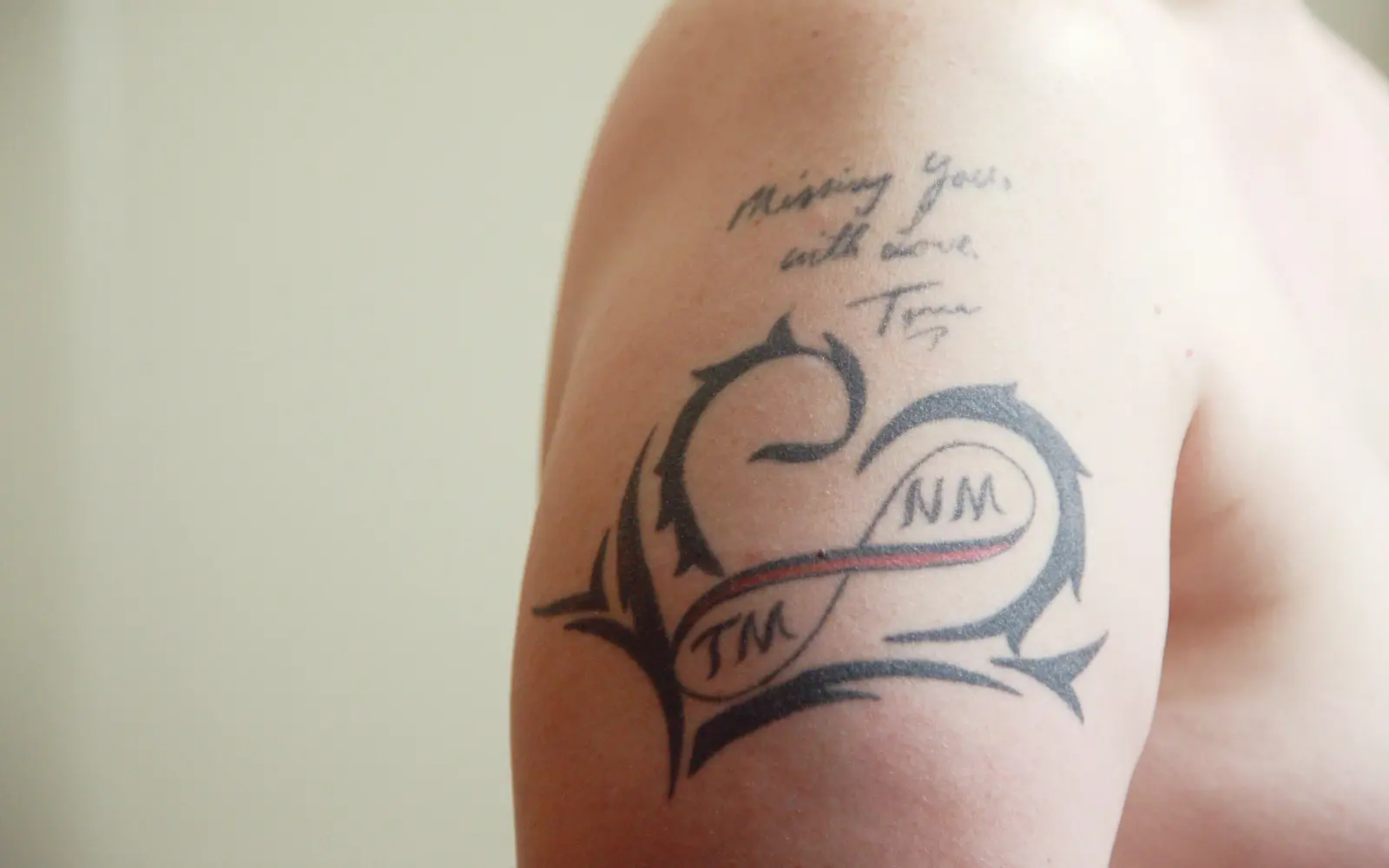
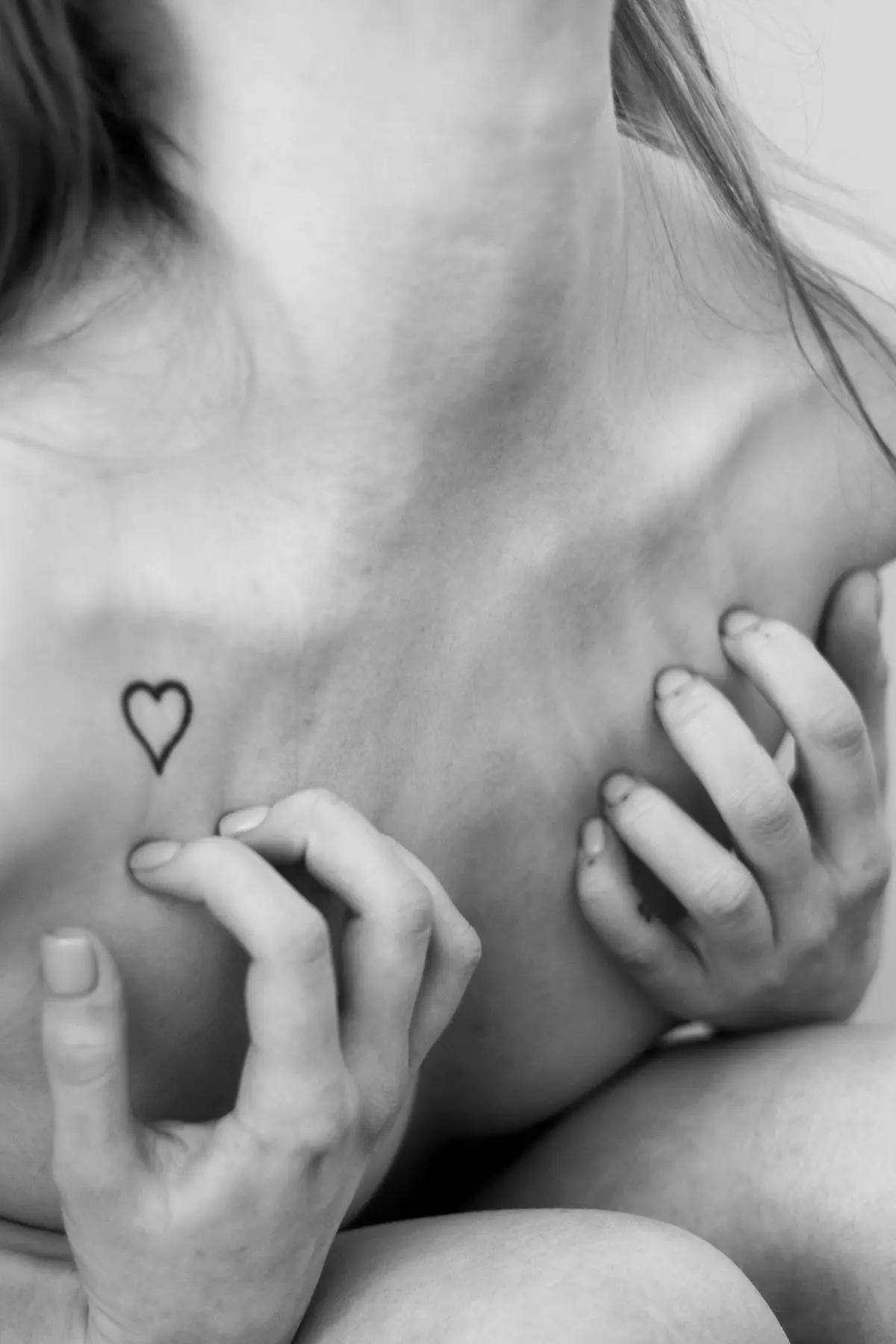
- Low wear: outer forearm, outer upper arm, calf, outer thigh, upper back, chest.
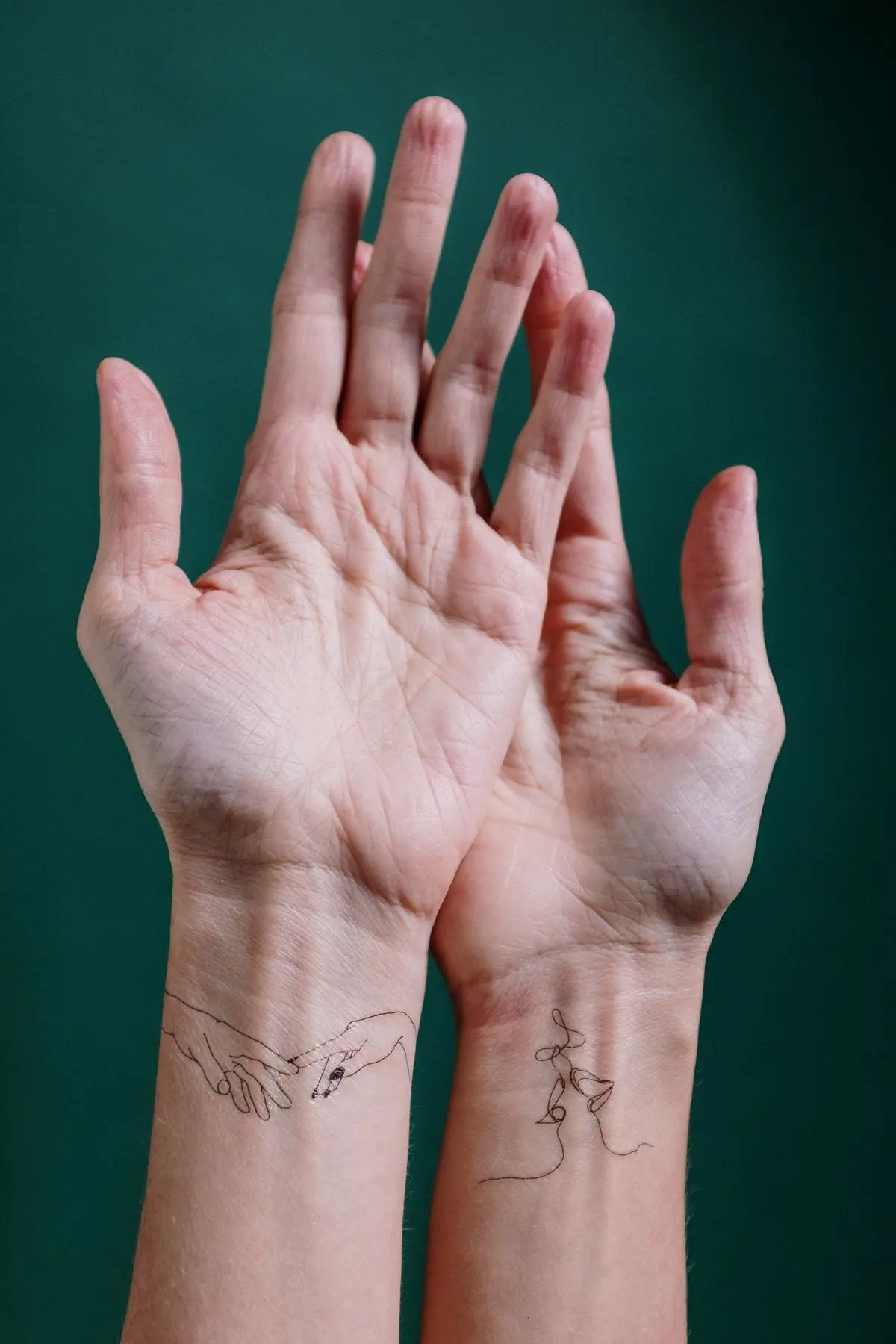
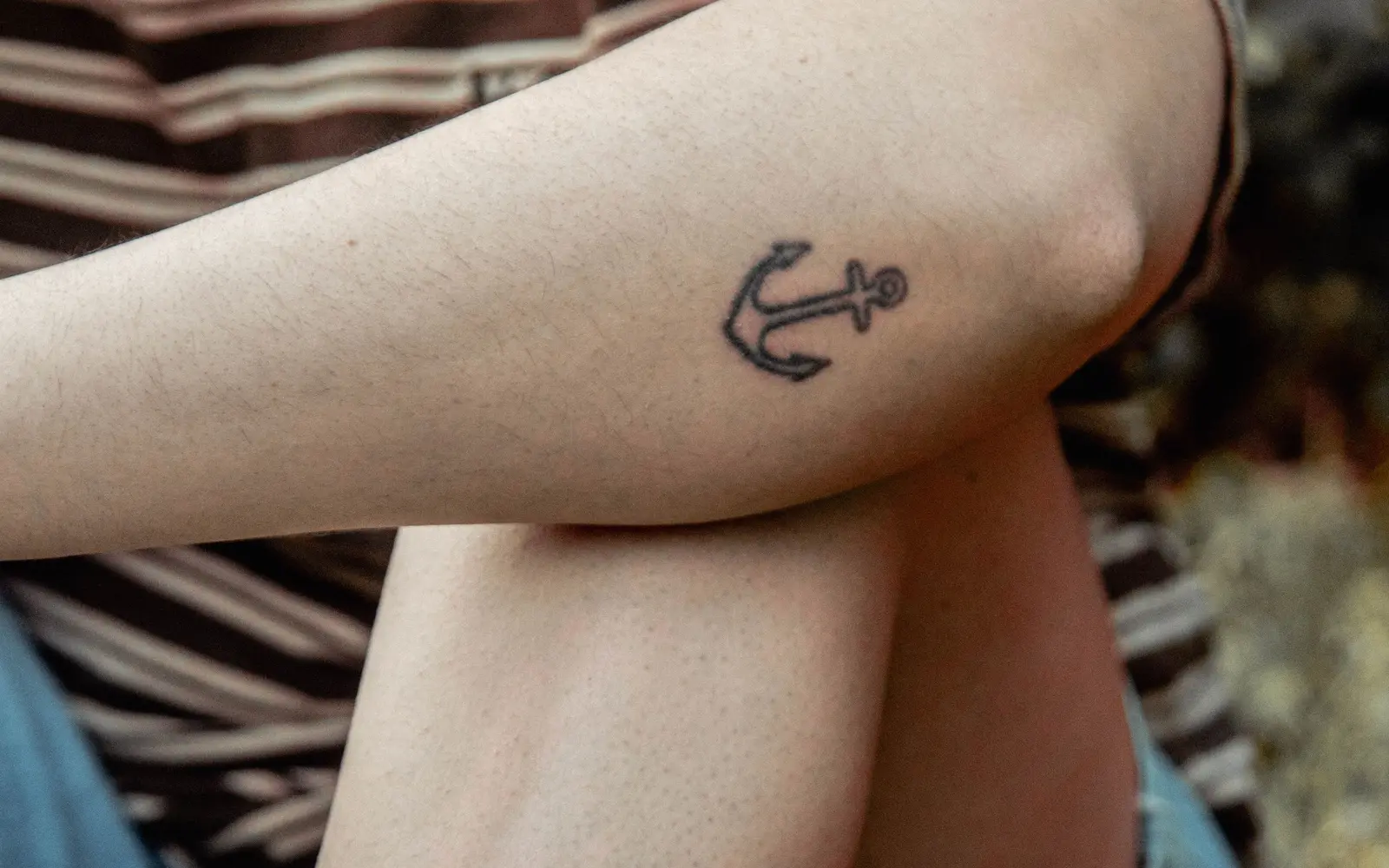
- Medium wear: inner bicep, inner forearm, inner thigh, ribs, lower belly.
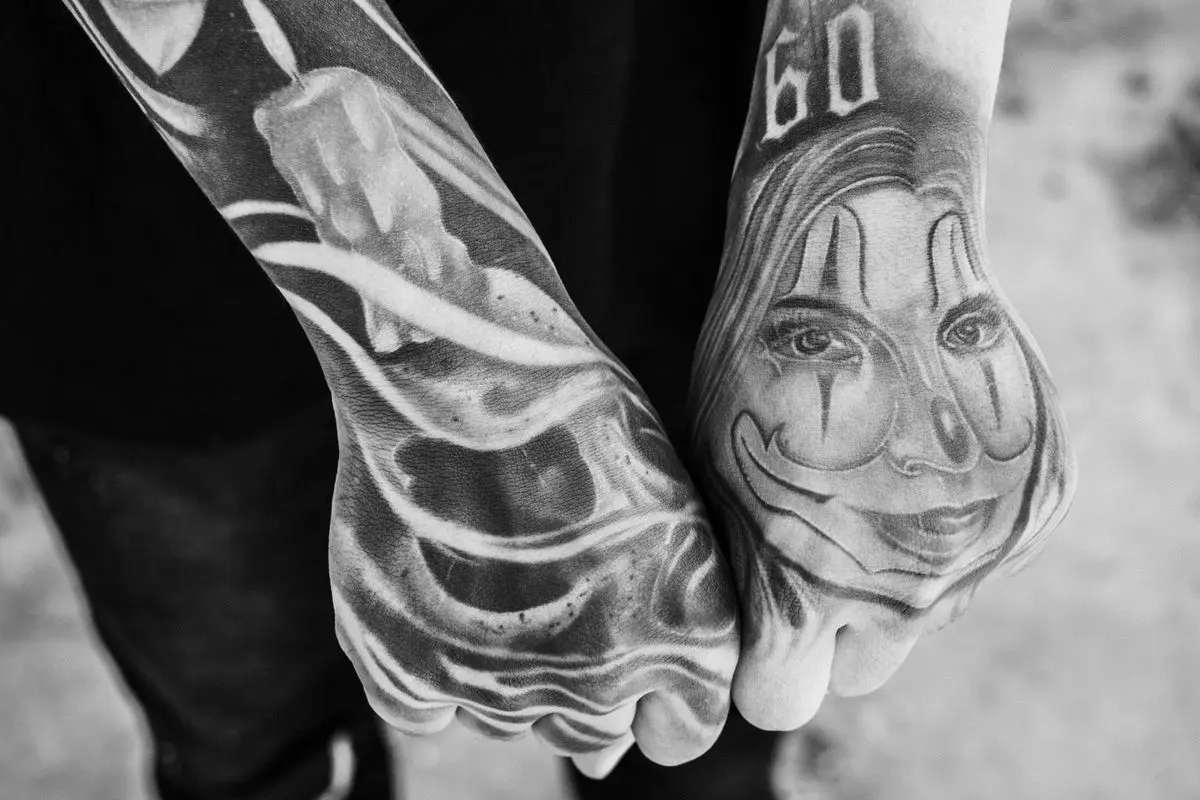
- High wear: fingers, knuckles, hands, top of foot, behind the ear.
Whatever the style, the habits that slow fading are the same: sunscreen on healed skin, a proper heal in the first weeks, and a touch-up when it needs one. Thewhy tattoos fade guide and thetouch-up guide cover both.