Every style, dissected.
Origins, iconic artists,
real pricing, and the honest
word on when to avoid it.

Trompe-l'oeil · realism tradition · 2000s
3D
Shading that makes a flat tattoo look raised or floating off the skin.
USA Navy ports · 1900–1950s
American Traditional
Bold lines, solid color, zero compromise. The style that won't quit.

Timeless tattoo subject
Animal
Pets, wildlife, spirit animals, and insects: realistic or stylized, your call.
H.R. Giger-inspired · 1980s–1990s
Biomechanical
1970s California prison tattooing
Black & Grey
Diluted black, full rendering, no color. Photographic without the pigment risk.
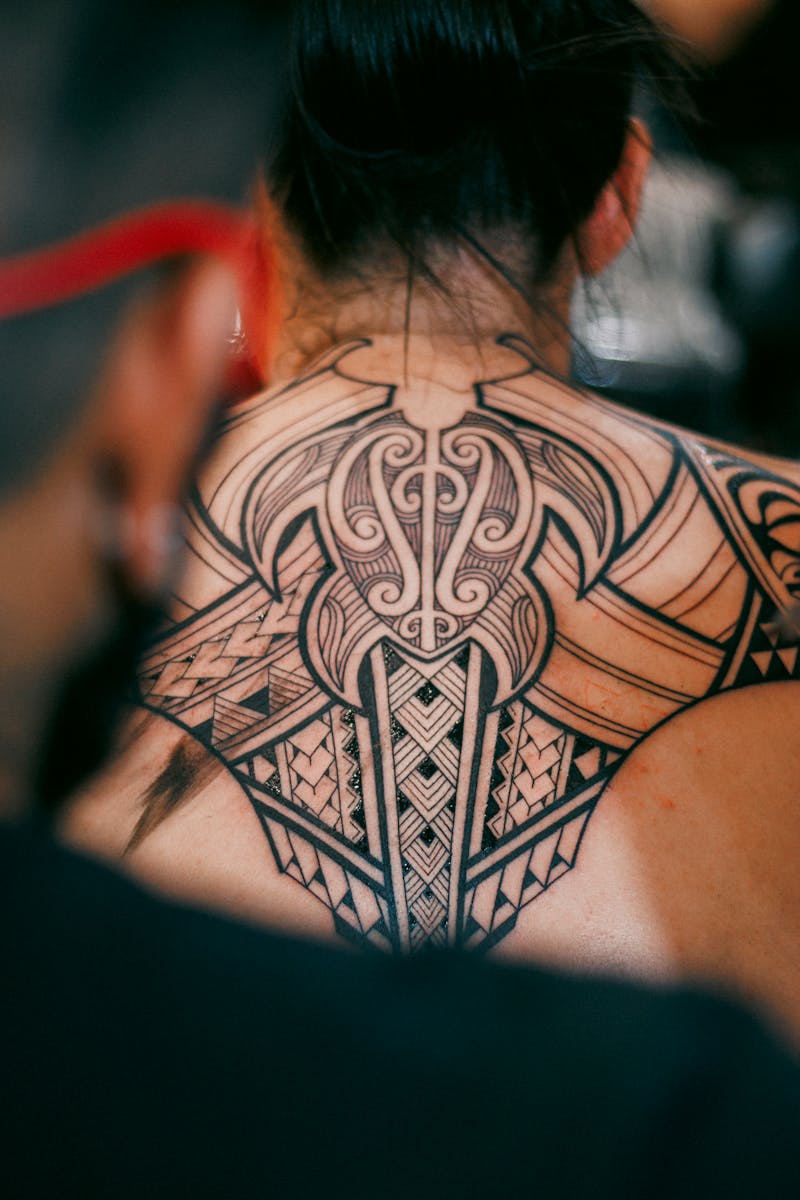
Ancient tribal + modern revival
Blackwork
Pure black ink, maximum impact. The style that ages best.
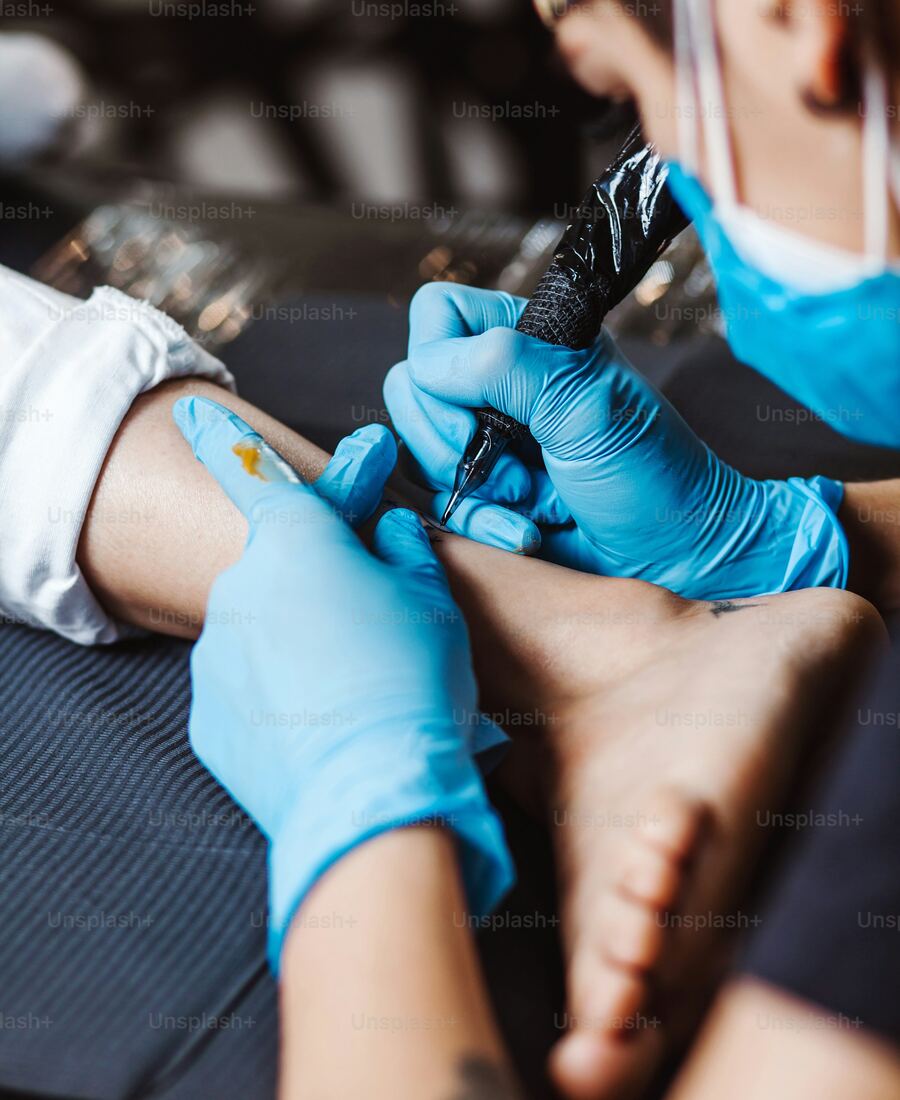
Insular Celtic art (Ireland & Scotland) · ~7th century onward
Celtic
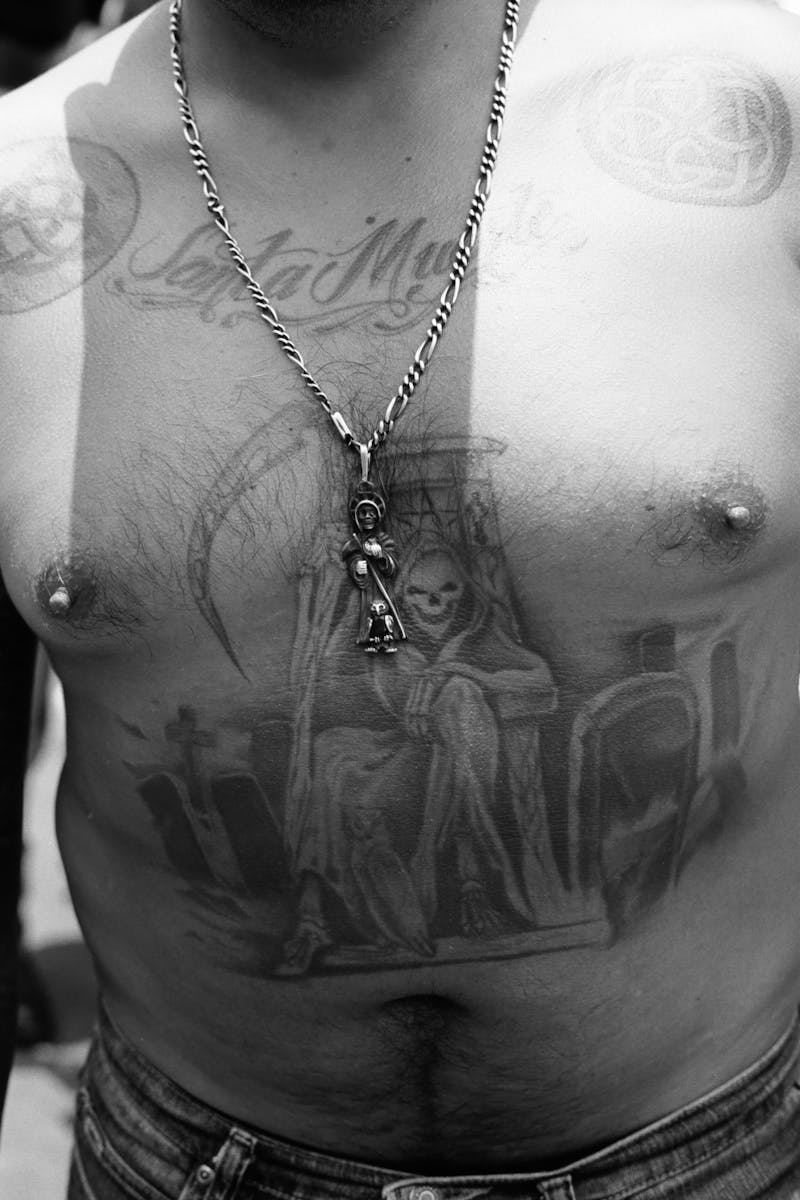
East Los Angeles · 1940s–1970s
Chicano
East LA lowrider art, cursive script, roses, and religious imagery. Born in prisons, now in museums.
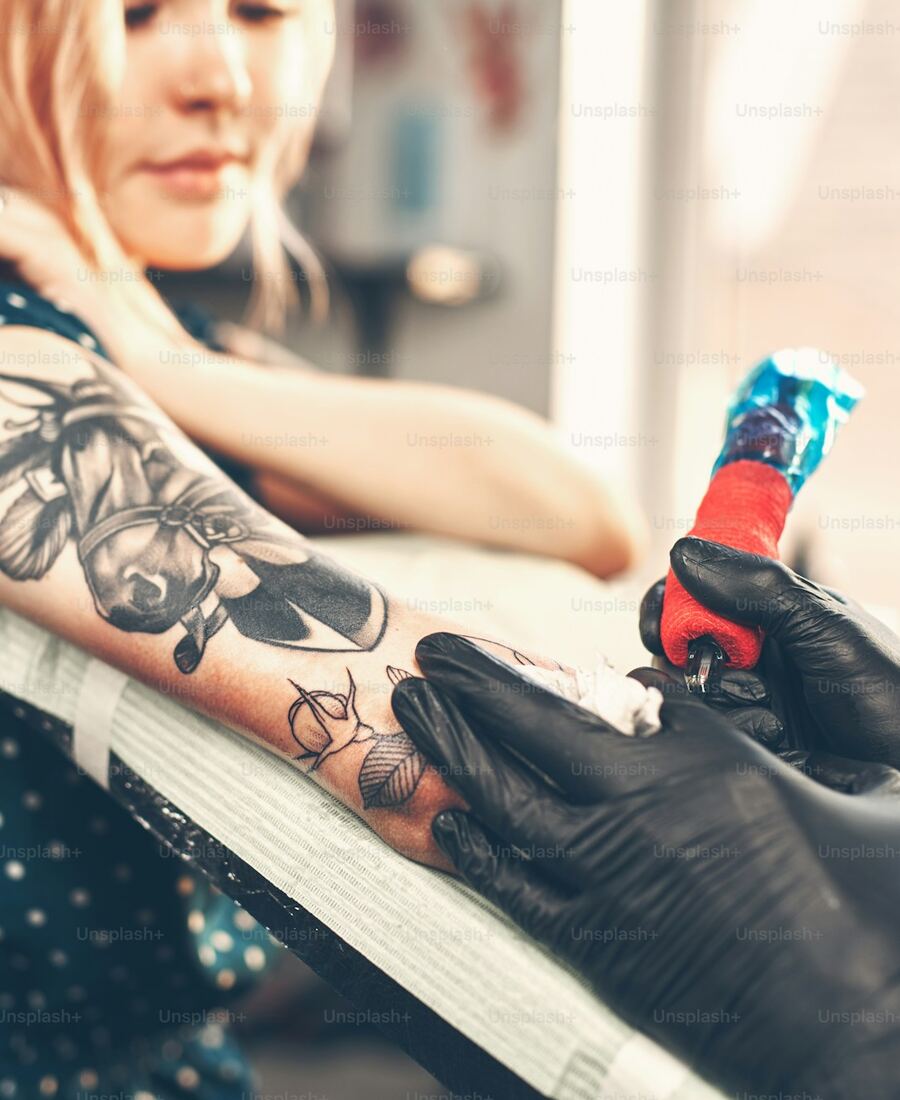
Pop art + comic-book print culture · 1960s onward
Comic
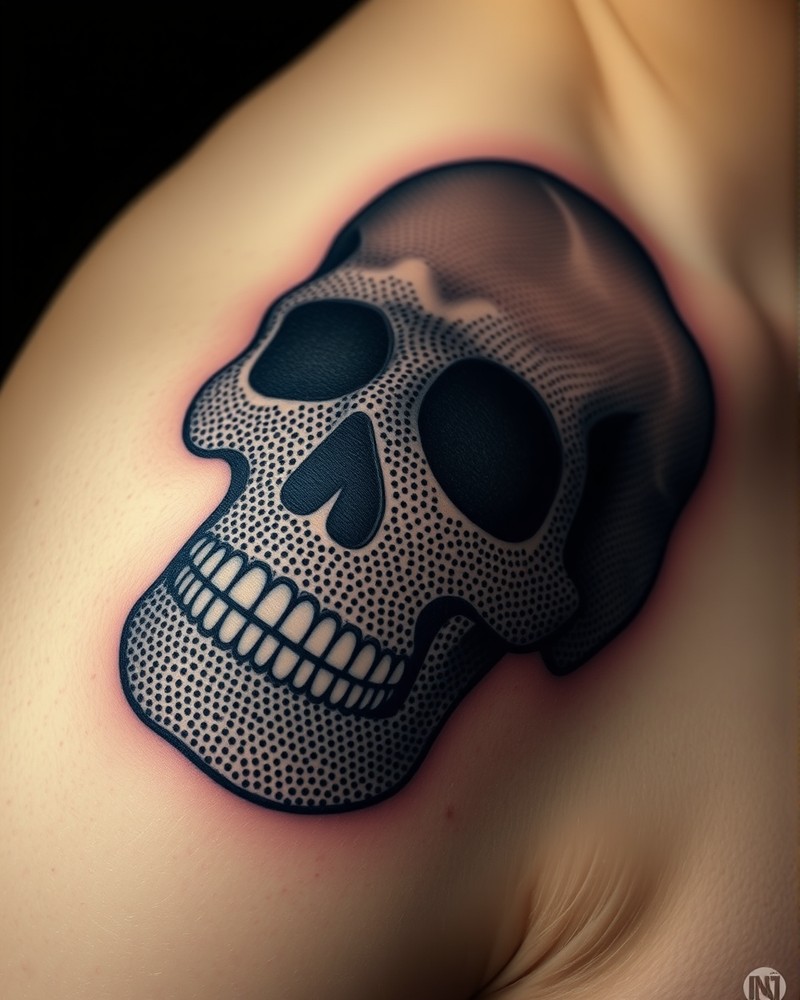
Stipple engraving tradition, modern revival 2000s–2010s
Dotwork
Texture, gradient, and depth, built one dot at a time.
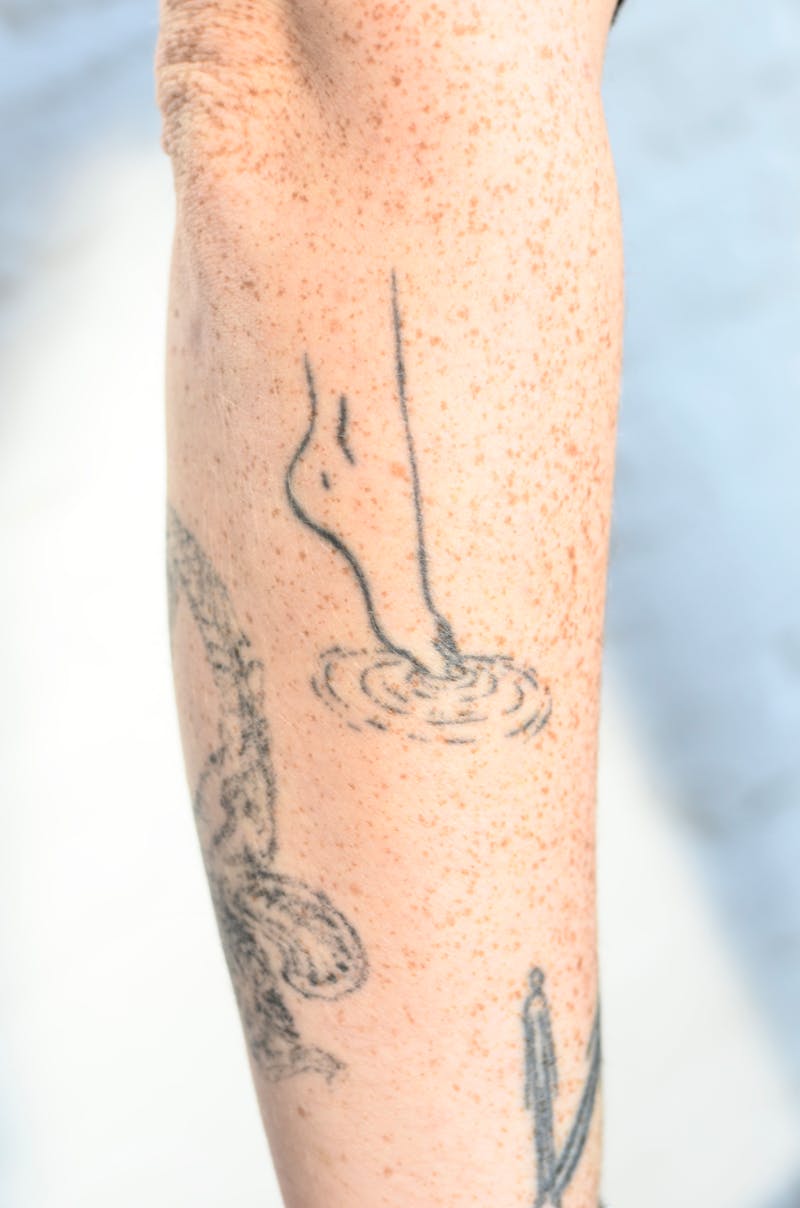
LA / Instagram · 2010s
Fine Line
Single-needle precision. Delicate now, blurry later, unless the artist is good.
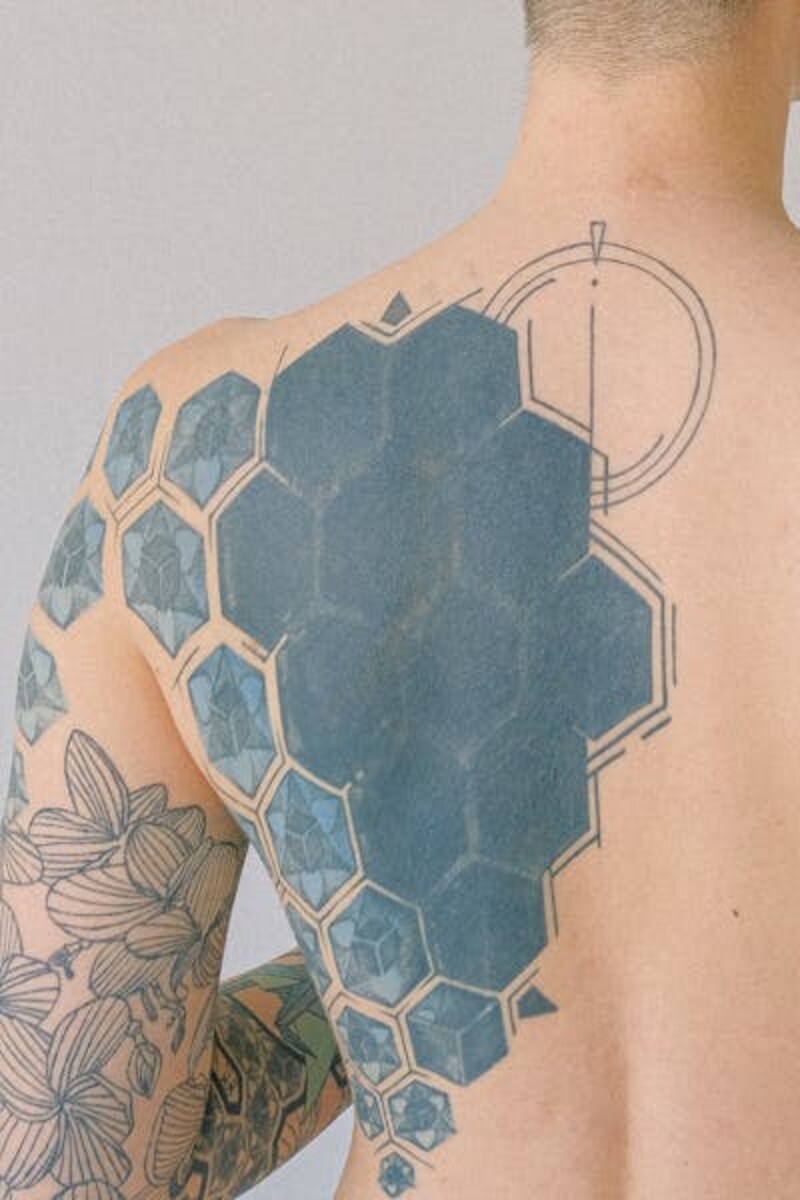
Modern fusion (sacred geometry + blackwork)
Geometric
Sacred geometry, mandalas, and mathematical precision.

Modern studio era
Illustrative
A drawing on skin: the artist's hand is the point.
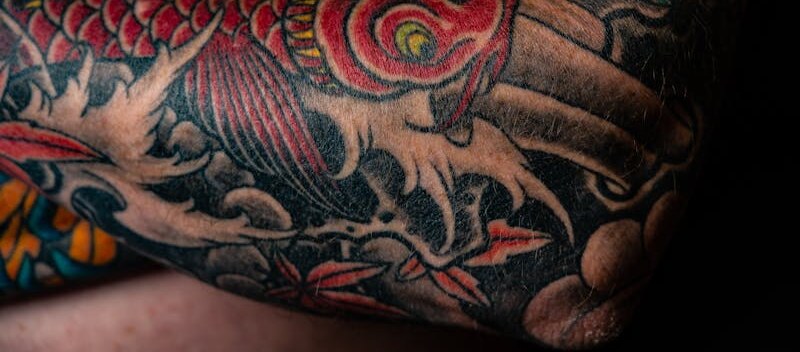
Edo-period Japan · 17th c.
Japanese (Irezumi)
Dragons, koi, waves, and windbars. The style that built modern tattooing.

Calligraphy, sign painting, and Chicano fine-line lettering traditions
Lettering & Script
The words are the art: typography, script, and blackletter on skin.

Timeless tattoo subject
Memorial
Tribute pieces for the people you've lost: portraits, dates, handwriting, and symbols.
Instagram / fine-line crossover · mid-2010s
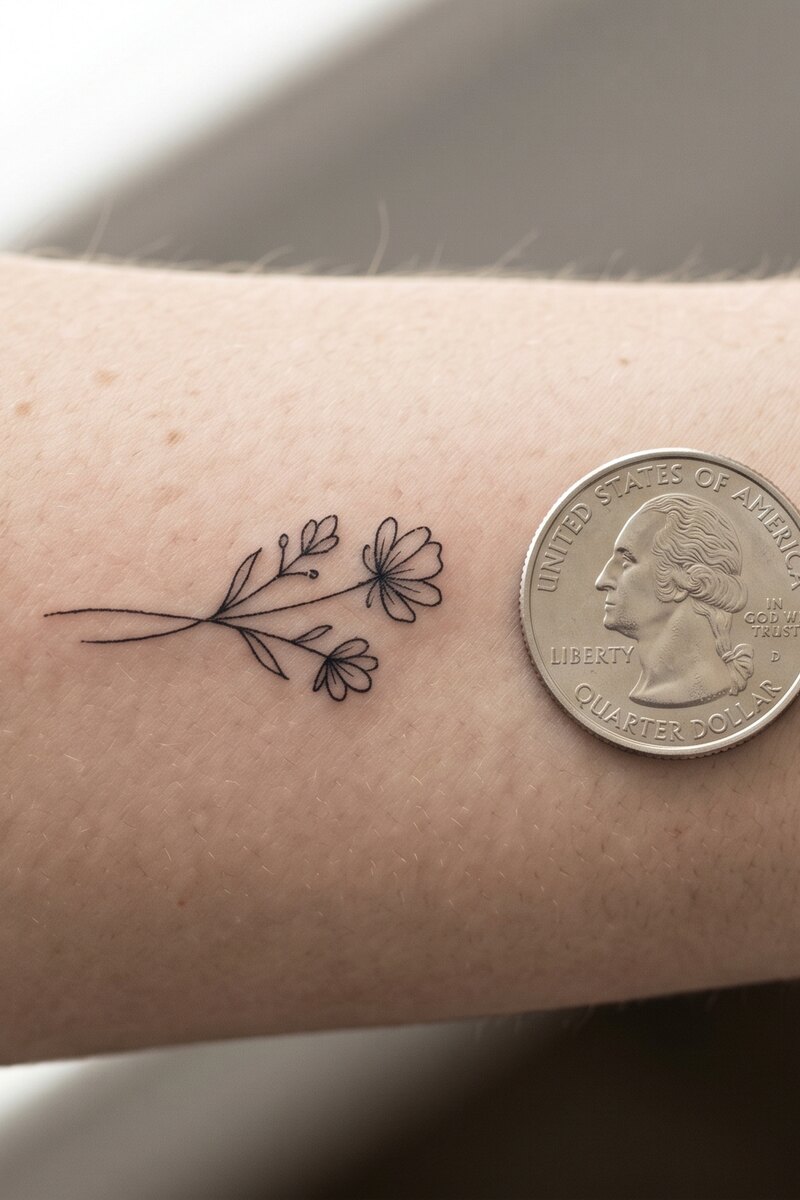
Micro
Tiny. Cute. Statistically the most regretted style in tattooing.

Modern studio era · 2010s
Minimalist
Say it in one line. Restraint is the whole style.
Early 2000s evolution of American Traditional
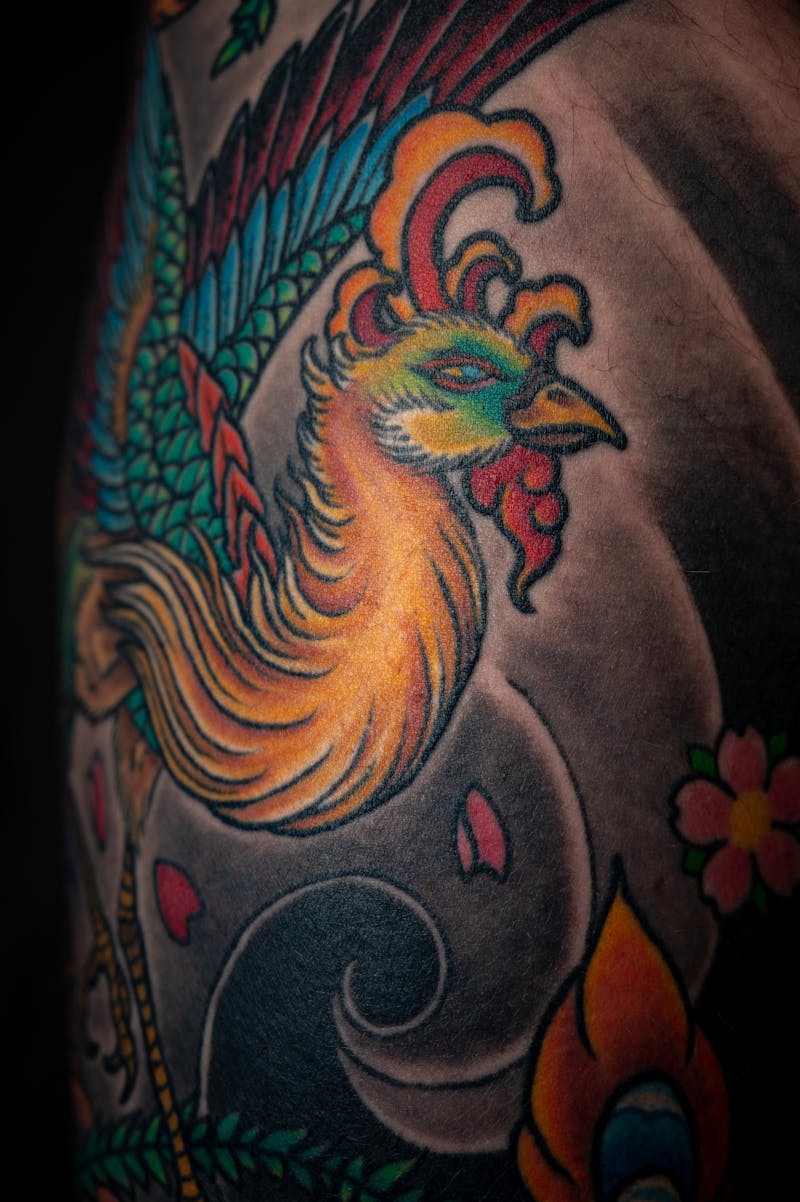
Neo-Traditional
Traditional backbone, modern palette, more detail.
United States · late 1980s–1990s graffiti and comic art crossover
New School
Cartoonish exaggeration, graffiti color, zero restraint.

American port cities, naval tattoo parlors · early 1900s–1950s
Old School
Sailor Jerry-era flash: bold lines, a handful of colors, and designs built to last a century.
Collector culture · formalized aesthetic early 2020s
Patchwork
A sleeve built from individual pieces over time, intentionally unconnected.
American commercial illustration 1930s–1960s, adapted into tattooing by the mid-20th century sailor tradition
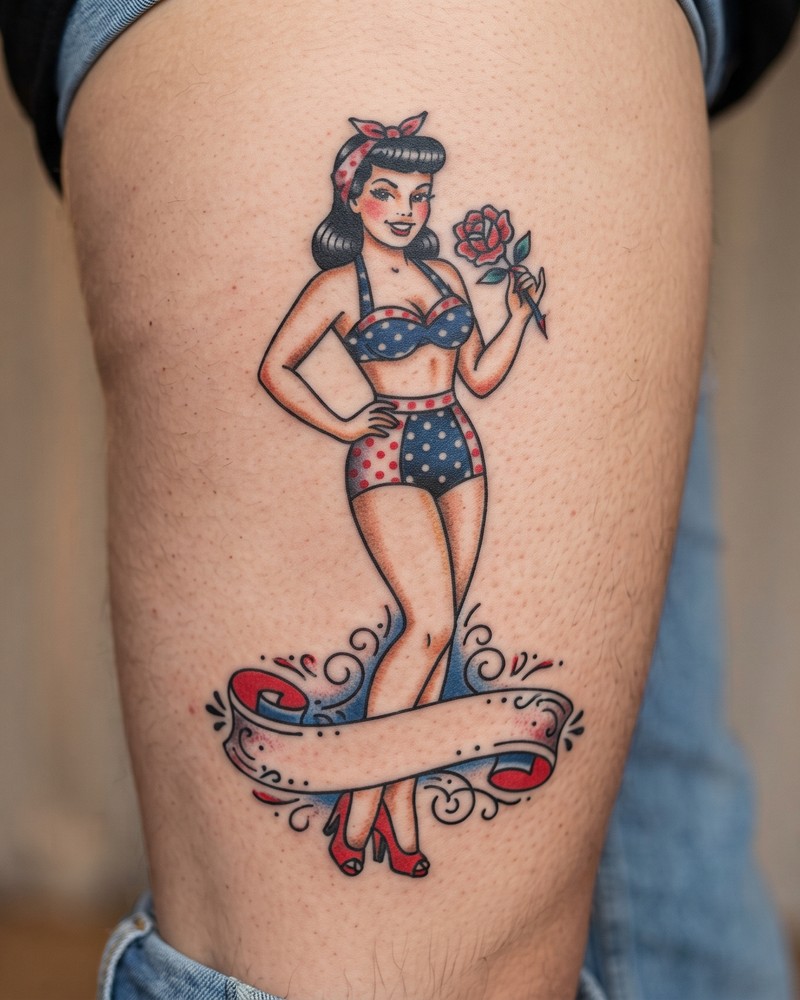
Pinup
Classic American illustration: bold color, idealized figure, vintage charm.
Pacific Polynesia · 2000+ BCE, multiple distinct traditions
Polynesian
Ancient Pacific traditions: Samoan, Maori, Hawaiian. Cultural meaning encoded in every pattern.

Black-and-grey lineage · modern realism era
Portrait
A real face on skin: the least forgiving subject in tattooing.
USA · 1970s, matured 1990s
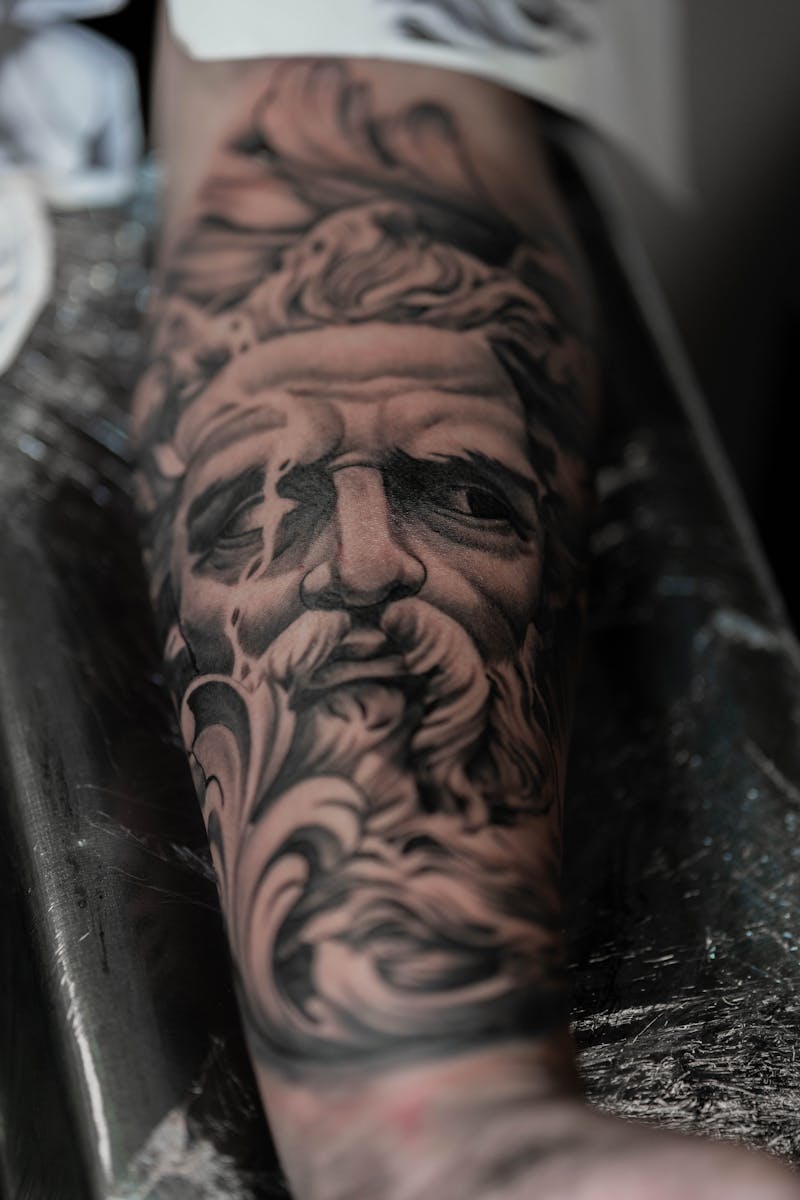
Realism
Portraits and photographs, pushed into skin.

Ancient hand-tap roots · modern DIY/punk revival
Stick & Poke
Hand-poked, machine-free: punk heritage with a real hygiene asterisk.
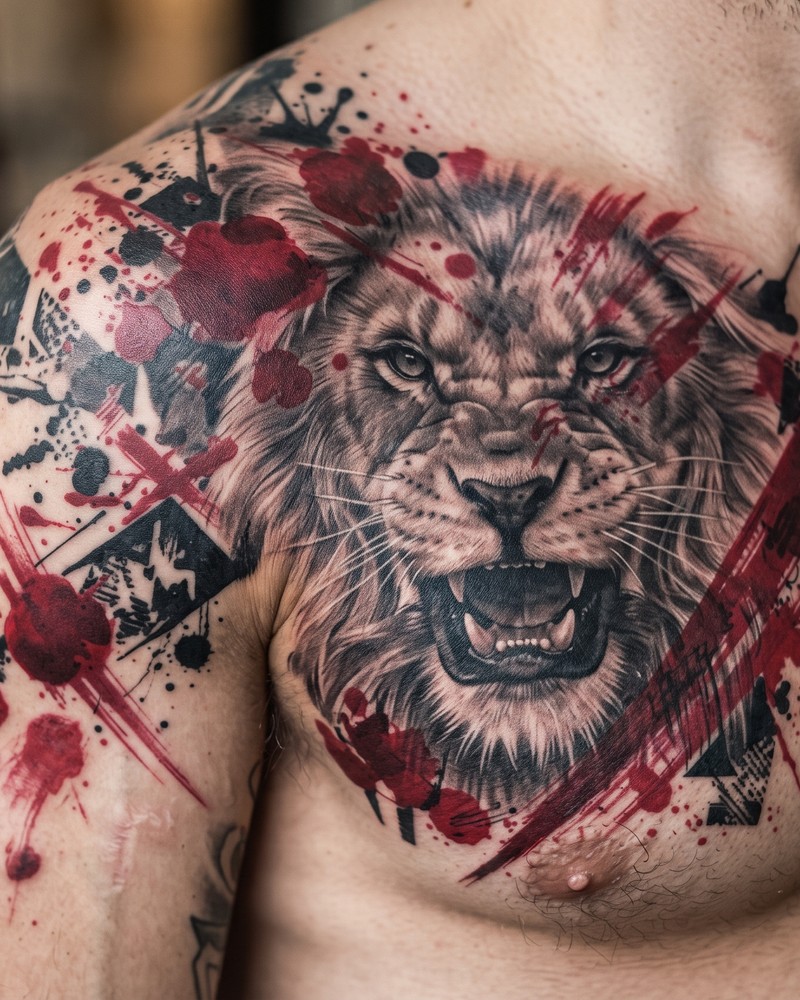
Germany, early 2000s: Volko Merzbach and Simone Pfaff, Buena Vista Tattoo Club
Trash Polka
Controlled chaos: bold black realism collaged with red typography and graphic noise.
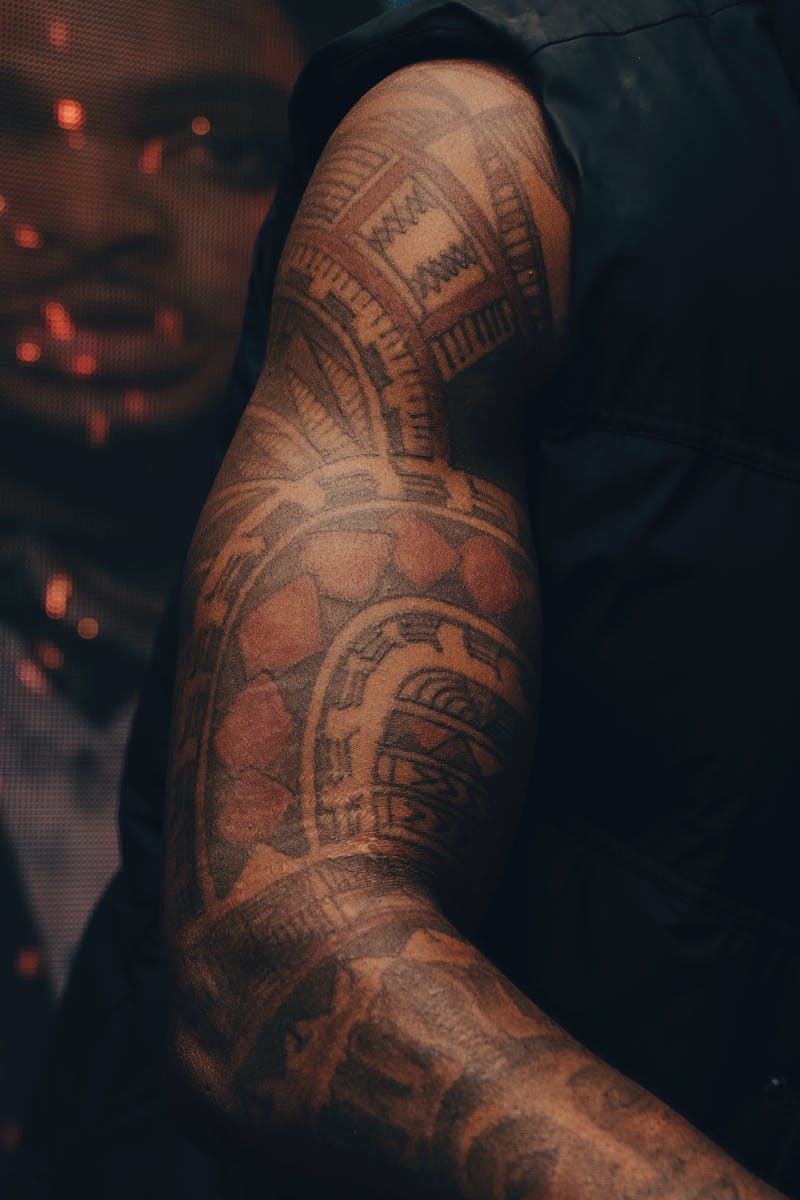
Multiple indigenous traditions · 3000+ years
Tribal
The oldest style in tattooing. Not the Y2K armband, the real thing.

UV-reactive pigments · 2000s
UV / Blacklight
Invisible in daylight, glowing under blacklight.
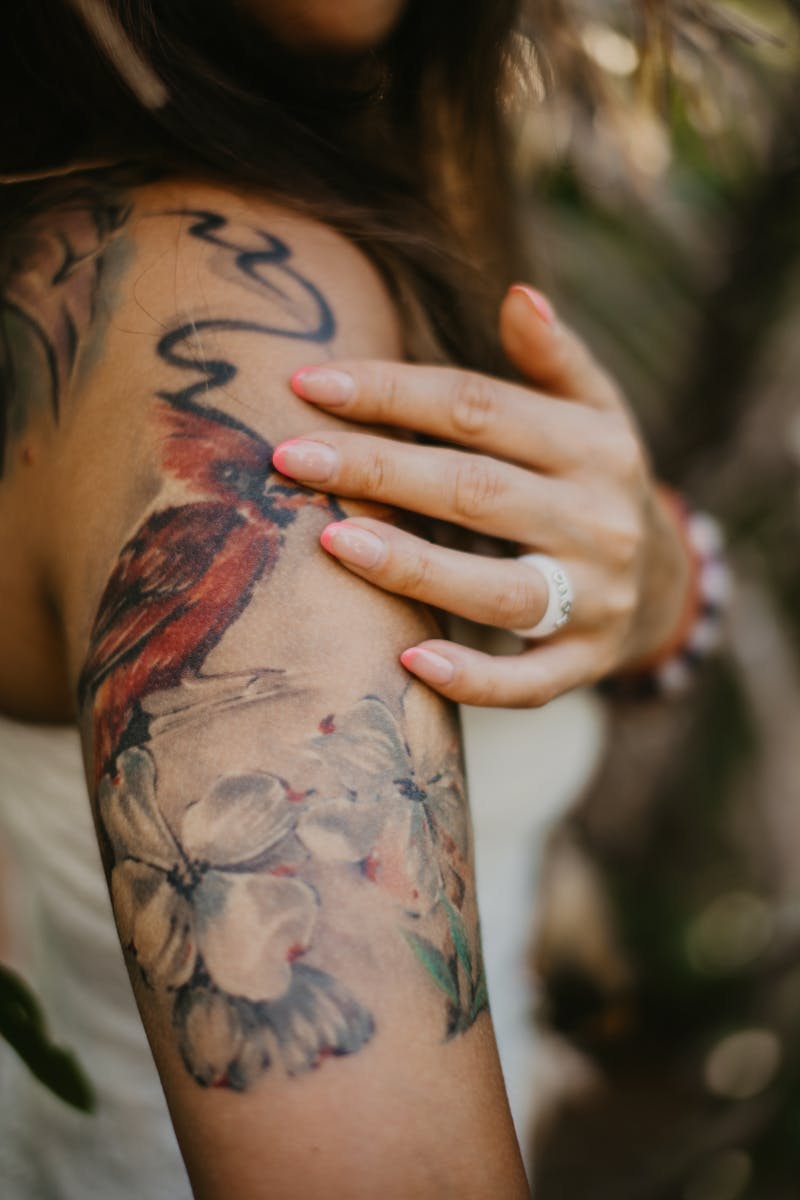
Illustration crossover · 2010s
Watercolor
Painterly splashes of color. Beautiful, and the style that ages worst.