The one thing to watch
Dot spacing relative to size. Cramped dots merge first.
What the style itself demands
From the Dotwork style guide, the rules that decide how well it lasts:
- Heals like grey wash: dotwork produces a similar visual to grey wash tattooing but without the wash technique. It ages comparably, and the dots soften slightly over years but the overall read holds.
Common questions about Dotwork aging
How does dotwork age compared to linework or grey wash?
Well, and comparably to grey wash. Individual dots spread slightly over years, the same process that softens any tattoo. The visual effect is that crisp, tight dot clusters relax into smoother tonal areas. On stable placements away from joints and high-stretch zones, a good dotwork piece at 10–15 years often looks cleaner than the day it was done because the micro-texture settles into a cohesive grey tone.
Placement matters as much as style
Friction and sun drive aging more than anything else. Ourplacement guide groups the body into three tiers, which are the same tiers the simulator uses:
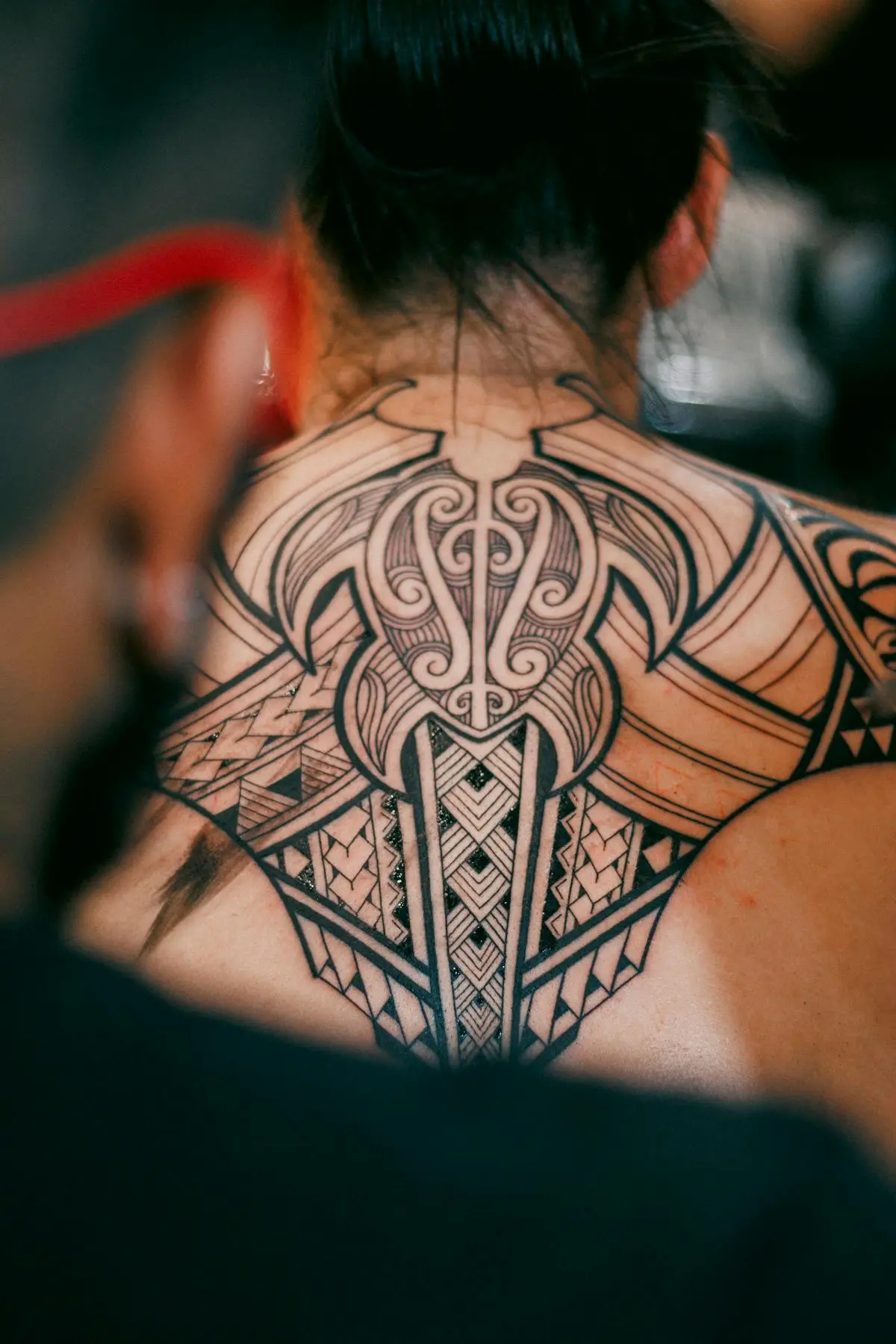
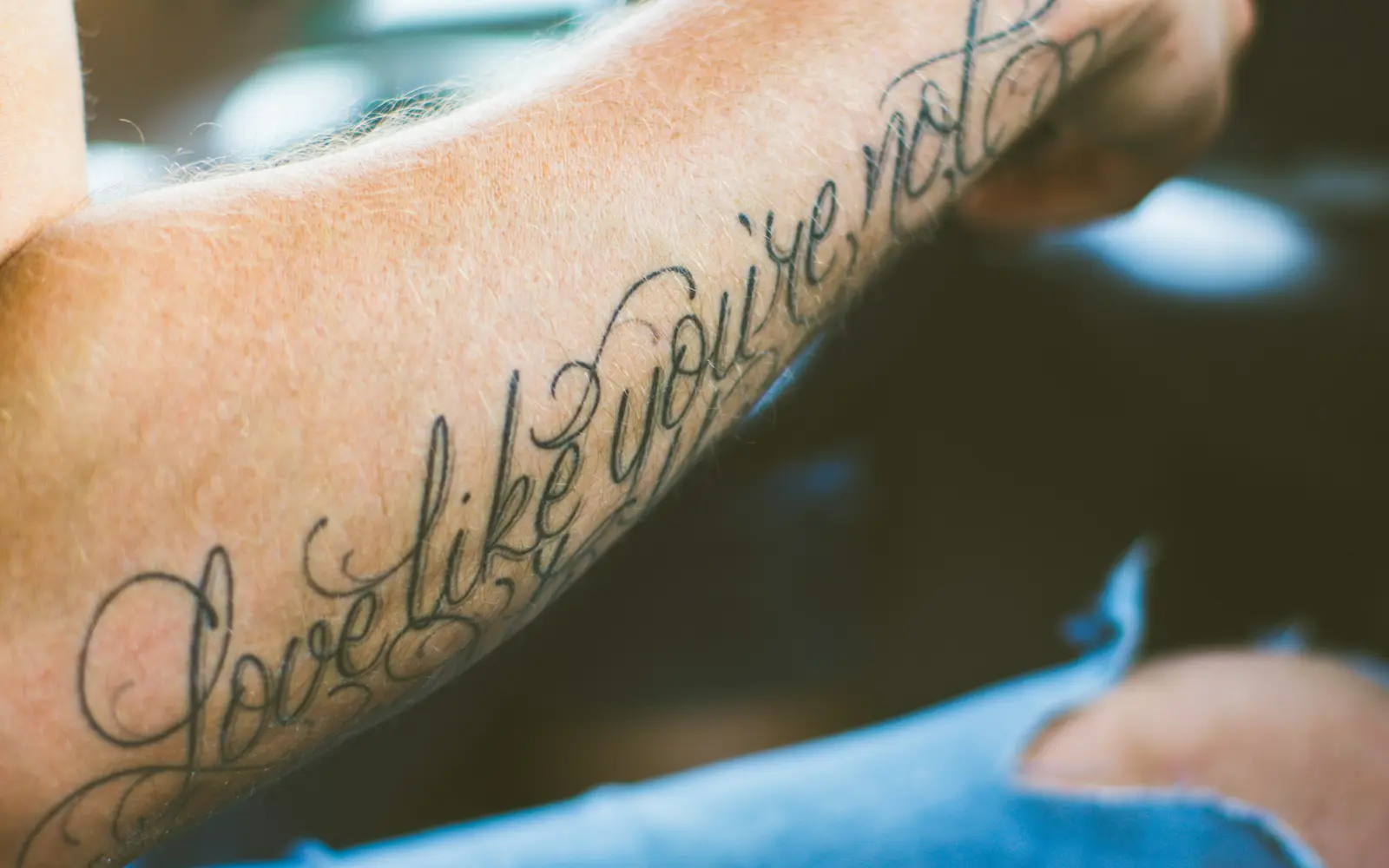
- Low wear: outer forearm, outer upper arm, calf, outer thigh, upper back, chest.
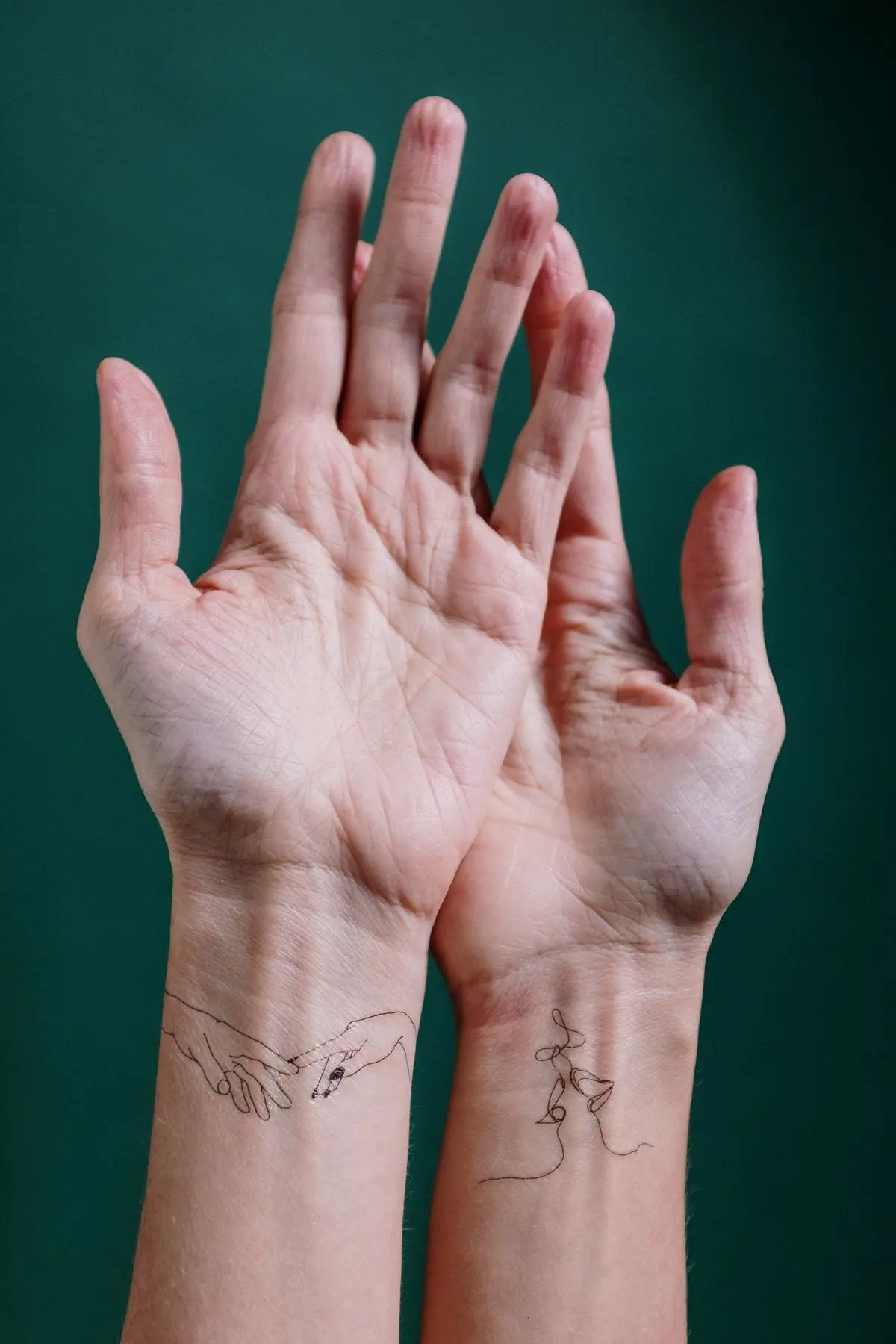
- Medium wear: inner bicep, inner forearm, inner thigh, ribs, lower belly.
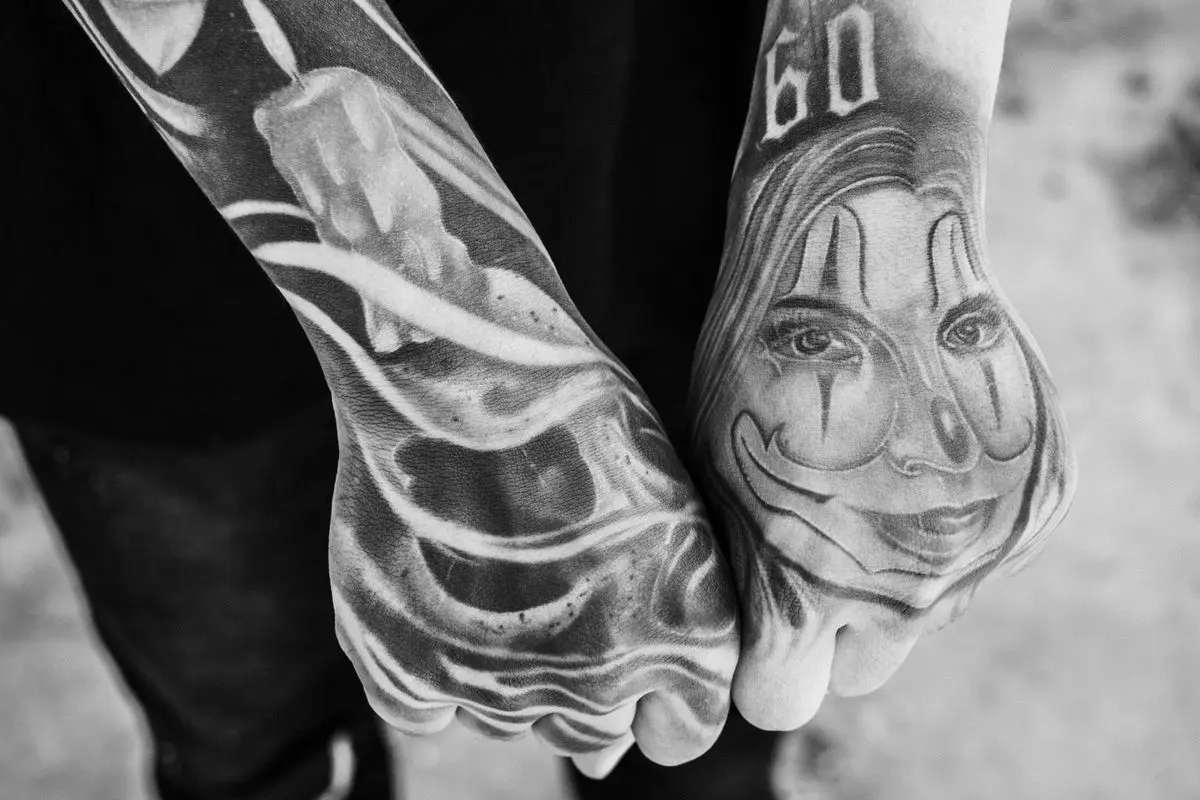
- High wear: fingers, knuckles, hands, top of foot, behind the ear.
Whatever the style, the habits that slow fading are the same: sunscreen on healed skin, a proper heal in the first weeks, and a touch-up when it needs one. Thewhy tattoos fade guide and thetouch-up guide cover both.