The one thing to watch
Light color fills. Black and red outlast yellow.
What the style itself demands
From the American Traditional style guide, the rules that decide how well it lasts:
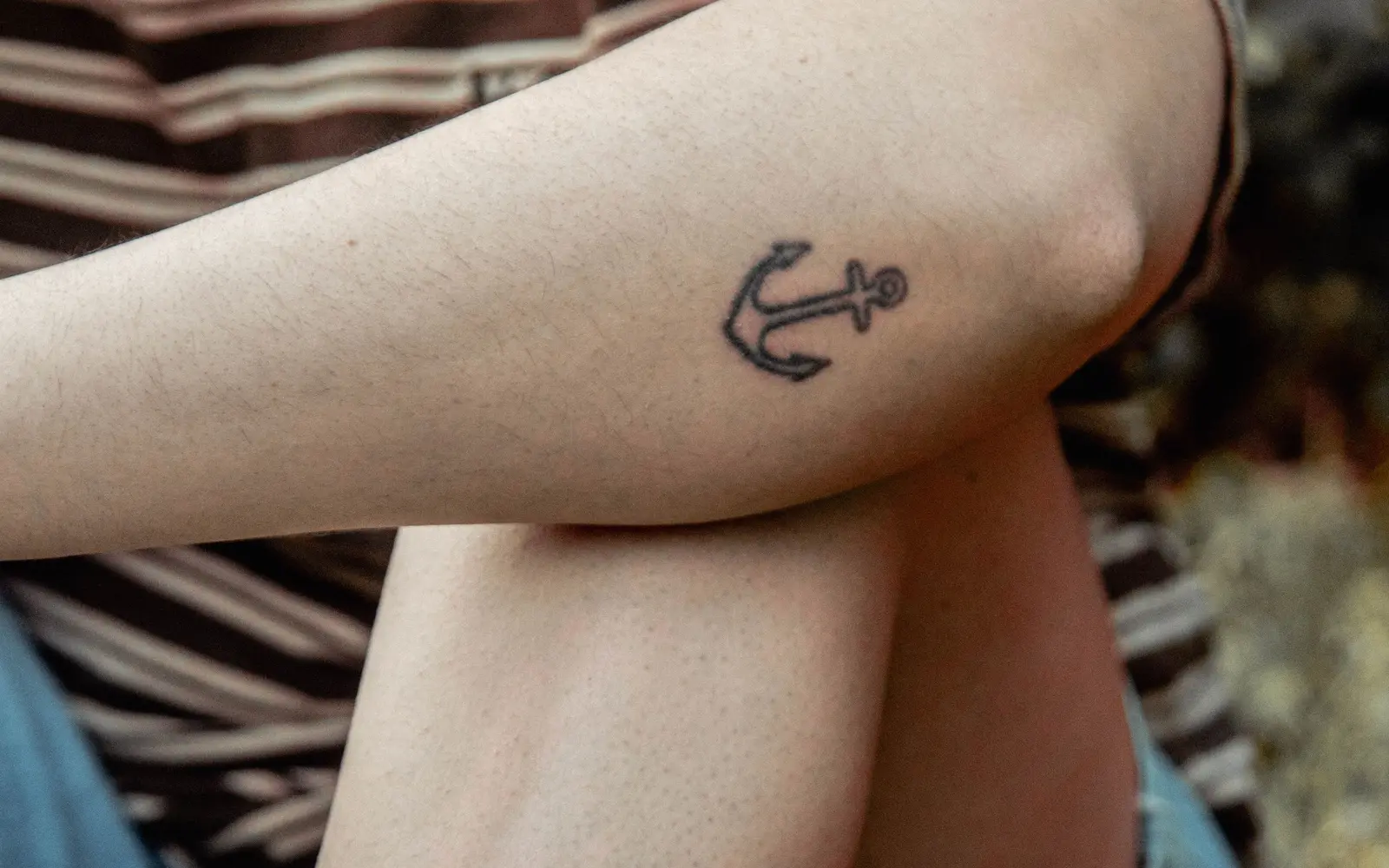
- Bold, unbroken outlines: the defining rule of the style. Lines thick enough to hold for decades.
- Designed to age: every design decision (bold lines, simple fills, high contrast) serves longevity. A well-executed traditional piece is as readable at 40 years as at 4.
Common questions about American Traditional aging
How well does American Traditional age compared to other styles?
It ages better than virtually any other style. The combination of thick outlines and flat opaque fills was engineered for longevity before people thought of it that way: artists in the pre-World War II era knew their clients would wear these for life, so they built them to last. Expect 20–30 years before a refresh is even worth considering.
Placement matters as much as style
Friction and sun drive aging more than anything else. Ourplacement guide groups the body into three tiers, which are the same tiers the simulator uses:
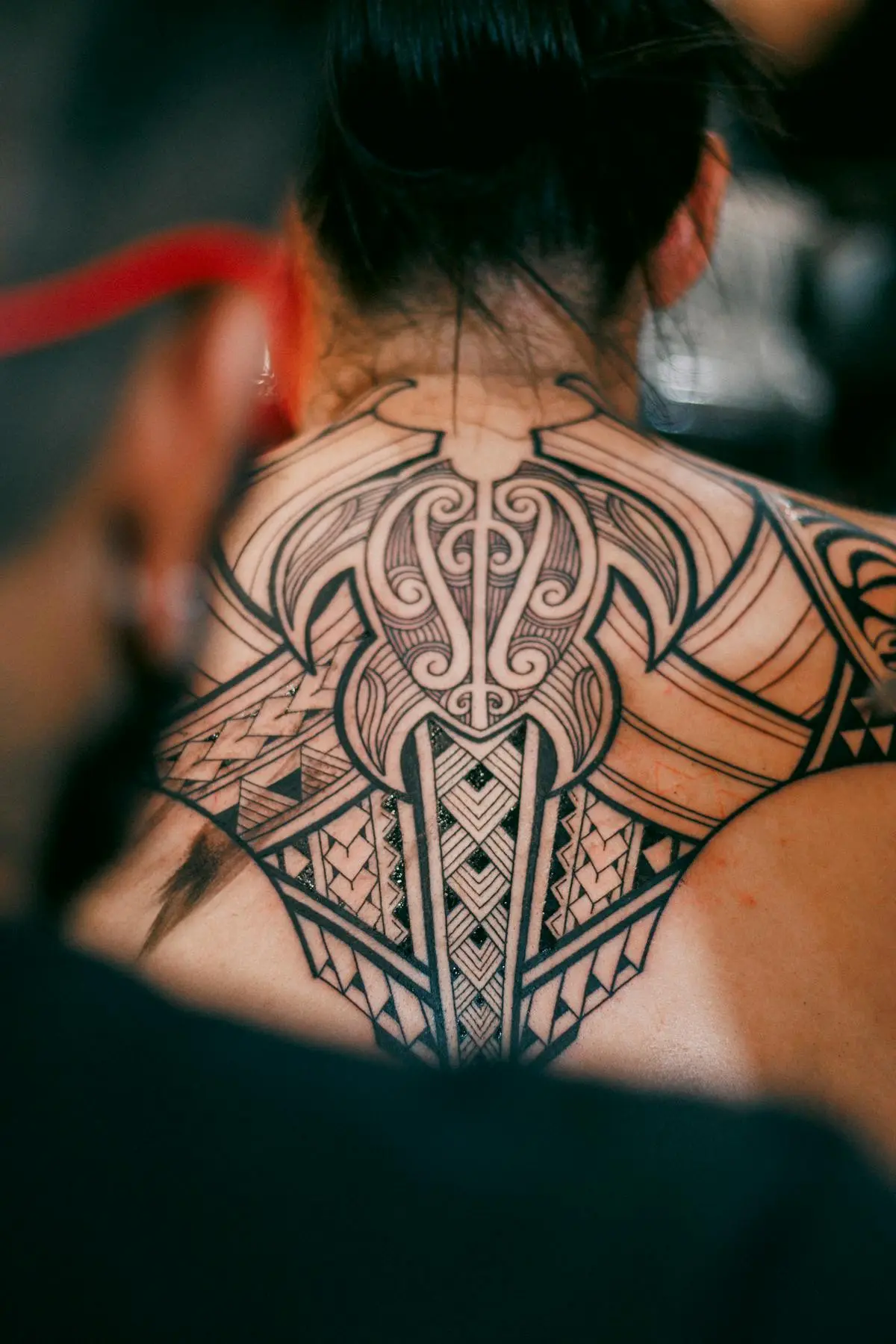
- Low wear: outer forearm, outer upper arm, calf, outer thigh, upper back, chest.
- Medium wear: inner bicep, inner forearm, inner thigh, ribs, lower belly.
- High wear: fingers, knuckles, hands, top of foot, behind the ear.
Whatever the style, the habits that slow fading are the same: sunscreen on healed skin, a proper heal in the first weeks, and a touch-up when it needs one. Thewhy tattoos fade guide and thetouch-up guide cover both.