Why Tattoos Fade (and How to Keep Ink Sharp)
All tattoos fade. Here's the biology behind it, the biggest culprits, and what actually slows it down, starting with the one product most people skip.
No tattoo looks exactly the same at ten years as it did at one. That’s not failure; it’s physics. But there’s a real difference between a tattoo that ages gracefully and one that goes muddy and washed-out before its time. Understanding what causes fading puts you in a position to actually do something about it.
The biology: where ink actually lives
Tattoo ink sits in the dermis: the second layer of skin, below the epidermis you can see and touch. The epidermis replaces itself constantly (roughly every 27 days), which is why surface cuts and abrasions don’t erase tattoos. The dermis is more stable, which is why they last.
But stable isn’t the same as permanent. Two things work against ink over time:
- UV radiation breaks down pigment molecules directly. The same photochemical process that bleaches colored fabric does the same thing to ink in your skin, slowly, but relentlessly.
- Skin cell turnover in the deeper layers gradually disperses ink particles. The body also recruits immune cells (macrophages) that try to break down or engulf foreign particles. Over years, this diffuses crisp lines and softens edges.
The upshot: all tattoos fade. The question is how fast.
The biggest causes of fading
1. Sun exposure
This is the dominant factor by a wide margin. UV rays penetrate skin and degrade pigment molecules: black and dark pigments absorb more UV and break down faster under direct sun; light colors scatter it differently but aren’t immune. Cumulative sun exposure over years is why a back tattoo on someone who beaches every summer will look noticeably older than the same piece on someone who mostly works indoors.
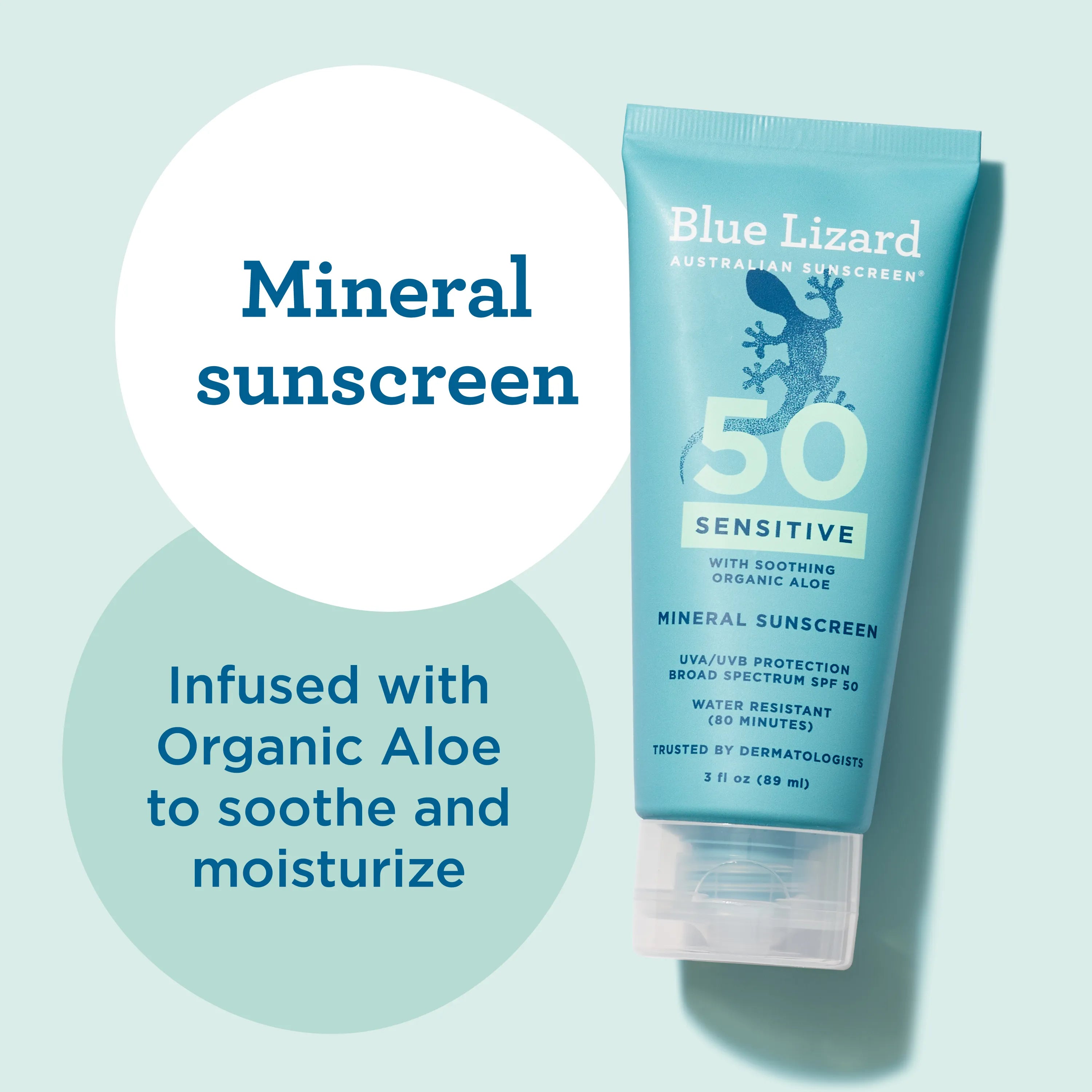
The fix: Blue Lizard SPF 50 Mineral Sunscreen is the product we recommend keeping near the door. Mineral (zinc oxide), fragrance-free, reef-safe, and it doesn’t leave a white cast on most skin tones. Apply it before the tattoo sees sun, not after you’ve already been outside for an hour.
2. Placement
Where a tattoo sits on the body matters as much as how you care for it. High-friction and high-movement areas experience more mechanical stress and faster surface turnover.
| Placement | Fade rate | Why |
|---|---|---|
| Hands, fingers, palms | Very fast | Constant friction, frequent washing, thin skin |
| Feet, toes | Very fast | Friction from footwear, skin regenerates quickly |
| Inner wrist, elbow ditch | Fast | Flexion, skin folds |
| Behind the ear, neck | Fast | Sun exposure, movement |
| Ribcage, stomach | Moderate | Stretches with weight changes |
| Upper arm, shoulder | Slow | Low friction, easier to protect from sun |
| Upper back, thigh | Slow | Stable skin, less daily abuse |
See the tattoo placement guide for a fuller breakdown of how placement interacts with both fading and pain.
3. Style
Fine line and watercolor tattoos use less ink density and thinner lines, so there’s less pigment to lose before the design reads as faded. Bold traditional and neo-traditional pieces (thick outlines, heavy black fill) have more margin for error.
Light colors are the other variable. Yellows, whites, light pinks, and pastels fade faster than black, navy, and forest green. That’s not a reason to avoid them, just something to factor in, and to keep in mind when scheduling touch-ups.
4. Poor healing
What happens in the first three weeks sets the saturation baseline for the next ten years. Infections, picking scabs, over-applying thick ointments, or exposing a fresh tattoo to the sun can all cause patchy pigment loss before the skin has even finished closing. The tattoo healing stages guide covers the full timeline and what to watch for.
5. Skin hydration and type
Drier skin has less elasticity and loses color more visibly. Sun-damaged skin holds ink less evenly. This isn’t something you can fully control, but it does mean that daily moisturizing isn’t just a comfort habit: it has a real effect on long-term appearance.
How to slow it down
SPF: the most important habit you’re probably skipping
Apply a broad-spectrum SPF 30+ (SPF 50 is better) every time the tattoo is going to be exposed. This applies to healed tattoos, not just fresh ones. Blue Lizard SPF 50 is our standing recommendation: mineral, fragrance-free, and effective enough that it’s used in pediatric and sensitive-skin contexts. It’s the single highest-ROI product in this whole category.
Daily moisturizing
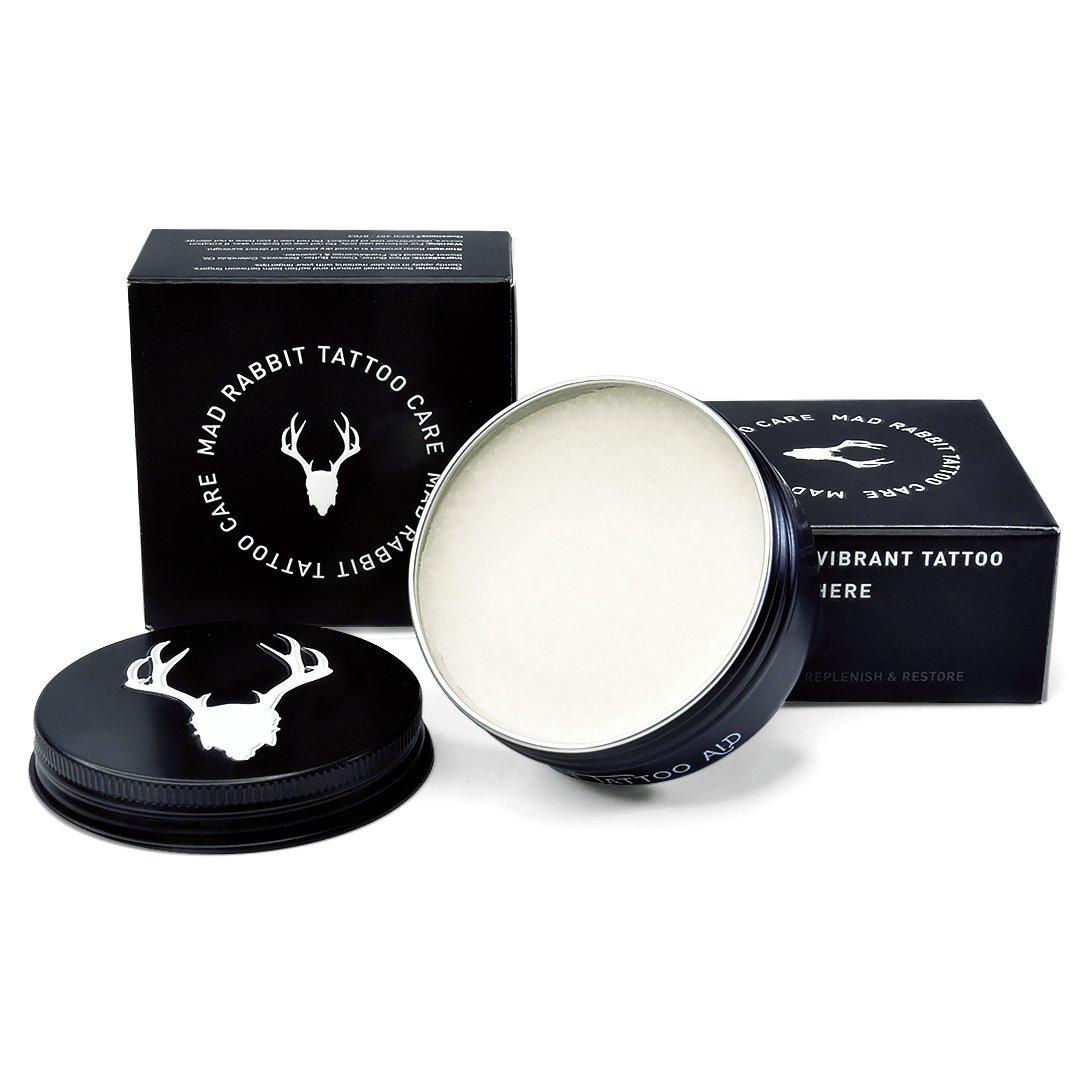
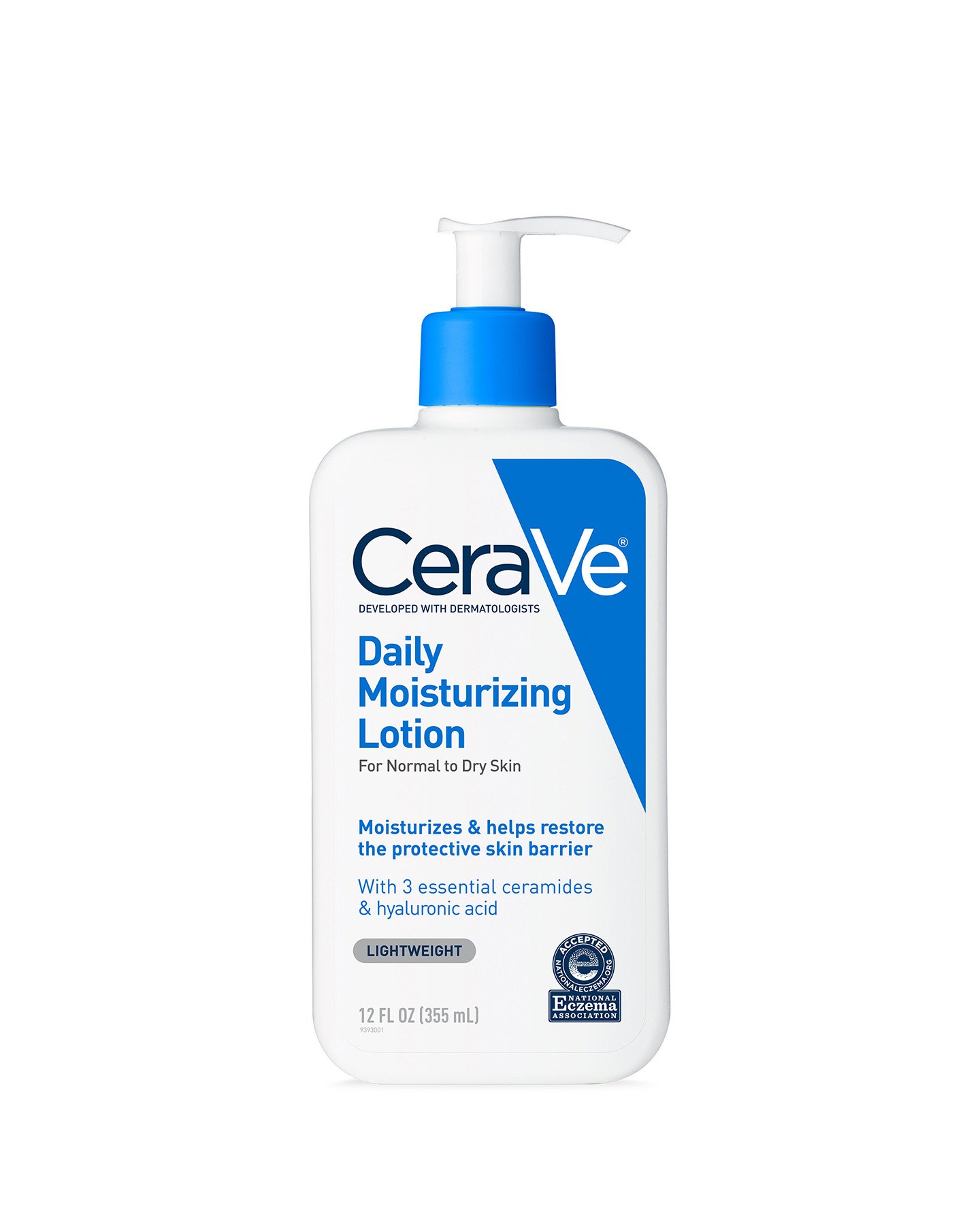
Hydrated skin holds color better and ages more gradually. CeraVe Daily Moisturizing Lotion is a good default: fragrance-free, non-comedogenic, and available everywhere. For tattooed skin specifically, Mad Rabbit Tattoo Balm is formulated to support color vibrancy; it works well as a targeted moisturizer once you’re fully healed.
Limit direct sun exposure
Clothing and shade are more effective than sunscreen alone. When you know you’ll be in direct sun for hours (a full day at the beach, outdoor work), layering clothing over tattooed skin (when feasible) on top of SPF gives you better coverage than SPF alone.
Nail the heal
Good initial healing directly affects how vivid a tattoo looks for years. Follow the best tattoo aftercare protocol during the first three weeks. Staying out of pools, avoiding picking, and not over-moisturizing all matter for the final result.
Consider a touch-up
Sometimes the right move isn’t more prevention; it’s a refresh. Touch-ups are normal, especially for light-color pieces, fine line work, or tattoos that took some sun damage before you started being diligent. Read the tattoo touch-up guide for what to expect from the process and cost.
Colors that fade fastest vs. slowest
Hold longest: Black, dark gray, navy blue, dark green. These pigments absorb UV differently and tend to have higher ink density in the dermis.
Fade soonest: White, yellow, light pink, pastel lavender. Light pigments have lower density and are more photochemically reactive. White in particular is essentially guaranteed to need a touch-up within a few years on most people.
Middle ground: Red, orange, purple. These can shift in hue over time (reds can go slightly brown, purples can blue-shift) before they technically “fade.”
What’s actually normal
A tattoo at 10 years looks different than at 1 year: softer lines, less saturated color, some spreading of the finest details. That’s not failure on anyone’s part. It’s the natural behavior of ink in living skin. The goal of good aftercare isn’t to stop time; it’s to stay on the slower end of the fade curve so that when you do eventually want a touch-up, you’re refreshing something that still has good bones rather than trying to rescue something that’s deteriorated from neglect.
The two habits that make the biggest difference are also the simplest: sunscreen every time the tattoo sees sun, and a basic moisturizer daily. Everything else is secondary.
Sensitive Mineral Sunscreen SPF 50
Daily Moisturizing Lotion