Tattoo Placement Guide: Where to Put It
Honest placement advice by size and lifestyle: what ages well, what your boss will see, and which spots are worth the pain.
Most placement guides are a wishlist of cool-looking spots. This one is the conversation an artist will have with you at the consultation: where it fits, what it will look like in ten years, who’s going to see it, and how bad the chair time is going to be.
The pain stuff gets a quick treatment here (we have a full pain chart by body location for that). The harder questions are visibility, aging, and what styles actually work where.
The three things that decide placement
Before you fall in love with a spot from Pinterest, run the design through these three filters. Almost every “I regret where I put it” story comes from skipping one.
- Size and shape of the design. A long vertical piece doesn’t fit a wrist. A circular mandala doesn’t sit naturally on a forearm. Good artists will redraw to fit the body; bad ones will shrink the design until detail dies.
- Visibility. Where you work, who you want to date, and what your family thinks all matter more than people admit at 22. Neck, hand, and face tattoos still close doors in 2026, fewer than they did, but not zero.
- Aging. Skin moves, stretches, and loses elasticity. High-friction zones (palms, fingers, feet) eat ink. Soft fatty areas (inner bicep, lower belly) blur with time. Bony, low-stretch zones (outer forearm, calf, upper back) hold the longest.
If you nail those three before you book, you’ve already done more thinking than 80% of first-timers.
Small placements (palm-size or smaller)
Small tattoos look effortless but punish bad placement. Detail packed into a tight space has nowhere to go when the skin ages, so you want spots where the skin barely moves.
Inner wrist. Highly visible, ages well, painful enough to be memorable but not brutal. Great spot for a single word, a small symbol, or a thin botanical. Long script wraps awkwardly, so go inner forearm if you want a sentence. Cross-link: fine line and micro tattoos shine here.
Outer wrist / wrist band. Slightly more painful than the inner because of the tendons running over the radius. Reads as more permanent because you can’t hide it with a watch. A thin band is a clean, classic look that’s aged well on people we’ve seen ten years out.
Behind the ear. Tiny canvas, surprisingly painful (thin skin over bone, nerves everywhere). Great for symbols and 2–4 character text. The big trap: the spot stretches and folds when you turn your head, so anything with parallel lines distorts. Stick to organic shapes or single characters.
Ankle. Outside of the ankle bone is the worst pain in the small-tattoo category: needle vibration straight into bone. Above the bone, on the lower calf, hurts much less and looks nearly identical. If an artist offers to nudge it up an inch, listen. Visible with most shoes off, hidden by anything above the ankle.
Top of foot. Looks elegant. Ages poorly. The top of the foot is high-friction (every shoe rubs it), low-blood-flow, and the skin is thin. Expect noticeable fade in 3–5 years and plan on a touch-up by year 7. Healing is also the worst of any small placement: you have to stay off it, and you can’t.
Finger. Honest answer: don’t, unless you accept this is a 2–4 year tattoo. Fingers fade, blur, and patch out faster than any other spot on the body. The side of the finger holds slightly better than the top. Knuckles hold the worst. We have artists who refuse finger work because the touch-up burden is so high. It’s not just you; the industry has opinions.
Collarbone / clavicle. Beautiful for script and thin linework that follows the bone line. Painful (thin skin, bone underneath, nerves through the shoulder) but short: most collarbone pieces are under 90 minutes. Visibility depends entirely on your wardrobe.
Medium placements (forearm to mid-thigh)
This is where most second and third tattoos land, and where you have the most flexibility on style.
Outer forearm. The most forgiving placement on the body. Thick skin, low pain, ages beautifully, holds detail. Works for virtually every style: traditional, black and grey, Japanese, realism, neo-traditional. If a first-timer asks us where to put a 4–6 inch piece, this is the answer 8 times out of 10.
Inner forearm. Slightly more painful than the outer but still very manageable. Reads more personal because it faces you, not the world. It’s a common spot for memorial pieces, script, and meaningful symbols. Slightly faster fade than the outer forearm because the skin is thinner, but nothing dramatic.
Outer upper arm / bicep. The most painless real estate on the body and the most boring-looking. That’s not a knock: boring is exactly what you want for a clean, well-aged piece. Long sessions are easy here. This is where you put your first big test piece if you’re scared of the pain question.
Inner bicep. Painful (thin skin, lymph nodes, nerves to the elbow) and soft-fades faster than almost any other arm placement because the skin barely sees sun and folds when you move your arm. Beautiful for script and bold, simple shapes; rough on fine detail.
Shoulder / deltoid. The classic flow piece, especially for Japanese and neo-traditional. Wraps the joint, so it stretches and contracts with movement: designs that follow the muscle read well, designs that ignore it look stuck-on. Low to moderate pain over the muscle, much higher up over the collarbone.
Upper back / shoulder blade. Easy pain, large canvas, ages well, holds blackwork and detailed Japanese work beautifully. The downsides: you can’t see your own tattoo without two mirrors, and most pieces here become “the tattoo I forget I have,” not necessarily bad, just worth knowing.
Calf. Solid mid-tier placement. The calf muscle itself is low-pain; the shin and ankle are not. Holds detail well, ages well, and stays mostly hidden in long pants. Good spot for traditional or chicano panels that read top-to-bottom.
Large placements (sleeve, ribs, back, thigh)
Large work is a different conversation. You’re committing to multiple sessions, real money, and a design that will define your body for the rest of your life. This is the section where placement choice has the highest stakes.
Ribs. The most-requested large placement and the most painful. Skin is thin, ribs are right under it, breathing moves the canvas, and sessions are long. Most people tap out at 90 minutes; sitting a full 3-hour rib session is genuinely hard. The reward is one of the most beautiful canvases on the body for flowing, organic designs: florals, script, fine line compositions that follow the ribcage. Numbing cream is reasonable to consider here; see our best numbing cream guide for what works and what doesn’t.
Sternum / chest center. Even more painful than the ribs because the bone is right under the skin with almost no padding. Stunning canvas for symmetrical pieces: mandalas, ornamental linework, religious imagery. Plan for short sessions (60–90 min max for most people), heavy swelling for 3–4 days, and a real recovery plan. Numbing cream helps; see the numbing cream guide.
Chest pec. Much friendlier than the sternum. The pec muscle is thick and low-pain. Reads great for Japanese, traditional, and black and grey. Wraps into a sleeve cleanly if that’s the long-term plan.
Inner bicep panel (full). A whole panel here is painful (see above) but the canvas is gorgeous for script-heavy work and personal memorial pieces. Ages with noticeable soft-fade: plan a touch-up in year 5 and your inner bicep panel will look great at year 15.
Upper back / full back. The flagship placement for serious work. Massive canvas, low-to-moderate pain over most of it, holds detail and contrast better than anywhere else on the body. Japanese and blackwork back pieces from the 80s still read crisp today. The downsides: it’s a multi-year commitment (a real back piece is 40+ hours), and you’ll never see it without help.
Lower back. Moderate overall, with sharper pain over the spine and top of the pelvis. This broad, concealable canvas naturally suits wide ornamental and symmetrical designs. The placement once dismissed as a “tramp stamp” is firmly back—and is now also called a “cake topper”—but no trend makes the technical decisions for you. Read our lower-back tattoo design guide, pain and healing guide, and cake topper terminology explainer before booking.
Spine. Brutal pain (vibration straight into vertebrae) and tricky to keep straight. The reward is one of the most visually striking placements possible for vertical script or ornamental work. Get an artist who has shot this spot before. Many haven’t.
Outer thigh. The most underrated large canvas on the body. Easy pain, holds detail, ages well, and you have multiple square feet to work with. Great for a half-leg piece that scales up later. Hidden in any pants.
Inner thigh. Thin skin, lots of nerves, high pain. Beautiful canvas for soft, organic work that the wearer sees more than anyone else. Watch the chafing aftercare window: this spot heals slowly because it rubs against the opposite leg.
Full sleeve (arm). The most common large project. Plan it as a whole composition before you start the first piece; sleeve regret usually comes from filling around an old tattoo that was never meant to anchor a sleeve. Budget 25–60 hours of chair time depending on style and detail.
Full sleeve (leg). Less constrained than an arm sleeve because the canvas is bigger and the joint geometry is easier. Japanese leg sleeves age especially well: the bold linework holds for decades.
Aging by placement: the honest version
This is the most under-discussed part of placement choice, and it’s the part you can’t undo.
Best aging zones (hold detail 10+ years with minimal touch-up):
- Outer forearm
- Outer upper arm
- Calf
- Outer thigh
- Upper back
- Chest pec
Soft-fade zones (visible blur by year 7–10, ages “gracefully” but not crisp):
- Inner bicep
- Inner forearm
- Inner thigh
- Ribs
- Lower belly
Heavy-fade zones (touch-ups every 2–5 years if you want it crisp):
- Fingers
- Knuckles
- Hands
- Top of foot
- Inner lip (you already knew this one)
- Behind the ear (small pieces only; anything detailed blurs)
Two things drive aging more than anything else: friction (skin that constantly rubs against fabric, other skin, or surfaces) and sun exposure. A forearm tattoo on someone who works construction outdoors will fade faster than the same tattoo on a desk worker. Sunscreen on healed work is the single best longevity move you can make.
Visibility: the workplace question
We get this from readers more than any other placement question. Here’s the practical map.
Always visible (no clothing can hide them): face, neck, hands, fingers. Acceptable in most creative fields, restaurants, trades. Still a hiring filter in finance, law, healthcare leadership, some education roles, and most client-facing corporate jobs in 2026.
Visible in business-casual: forearms, lower legs, ankles, behind the ear. Long sleeves and pants cover them, but you’ll be hiding them every weekday, so make sure that’s a tradeoff you actually want.
Hidden in business-casual but visible in a t-shirt: upper arm below the shoulder, calf, ankle. The sweet spot for most people who want a visible tattoo without hiring friction.
Hidden in normal clothing: upper arm above the t-shirt line, chest, back, ribs, thighs. Total control over who sees them. This is where you put work you want to keep private: memorial pieces, anything religious or political, anything you might feel different about in five years.
A pragmatic rule we give first-timers: for your first piece, pick a placement you can hide. You can always go more visible on tattoo #2 once you know how you feel wearing one.
Picking the right artist for your placement
Different placements need different specialists. A great fine line artist may not know how to lay a clean Japanese back piece, and a great Japanese artist may butcher tiny script. When you’re looking at portfolios, look specifically for healed photos of the placement you want.
A few placement-specific things to ask:
- Ribs, sternum, spine: Has the artist done healed work in this spot? Some artists avoid these placements because they’re hard to land cleanly.
- Hands, fingers, feet: Will they touch it up at cost? Touch-up policy here matters more than the original session.
- Back and large panels: Do they do consultations with stencil placement on the body before the first session? Anyone doing a multi-session back piece without a body-mapping consult is a red flag.
Our how to choose a tattoo artist guide covers the broader vetting process. Use it before you pick the placement, not after.
Aftercare changes by placement
Aftercare basics are the same everywhere (see best tattoo aftercare), but a few placements need extra attention:
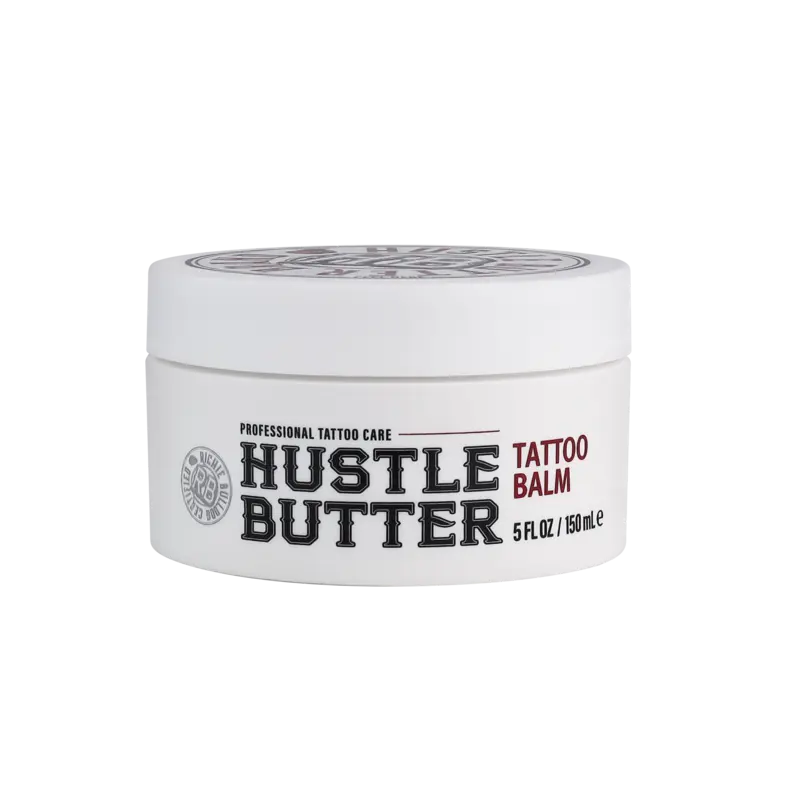
- Feet, ankles, hands: Constant movement, constant fabric contact. Heal slower. Plan to stay off it more than you think. Hustle Butter and similar balms help with the friction-fade we mentioned above.
- Ribs, sternum, chest: Sleeping is hard. Side-sleepers especially: plan to sleep on the opposite side for a week. Saniderm-style second-skin is worth it here; see Saniderm peel day by day.
- Inner thigh, armpit, neck: Skin-on-skin contact. Keep them clean and dry, and skip the gym for at least a week.
If you’re prepping for a first tattoo right now, our first tattoo checklist walks through the day-of and aftercare basics.
The short version
If you want one paragraph: outer forearm, outer upper arm, calf, outer thigh, and upper back are the placements you can’t really mess up. They’re low-pain, age well, hide easily, and hold any style. Everything else on the body is a tradeoff (more visible, more painful, faster fading, harder to heal), and you should pick those spots because the design demands them, not because they look cool in someone else’s photo.
The best tattoos we’ve seen aren’t on the boldest placements. They’re on the placement that fit the design, the wearer’s life, and the artist’s strengths. Pick in that order and you’ll be happy with it in ten years.
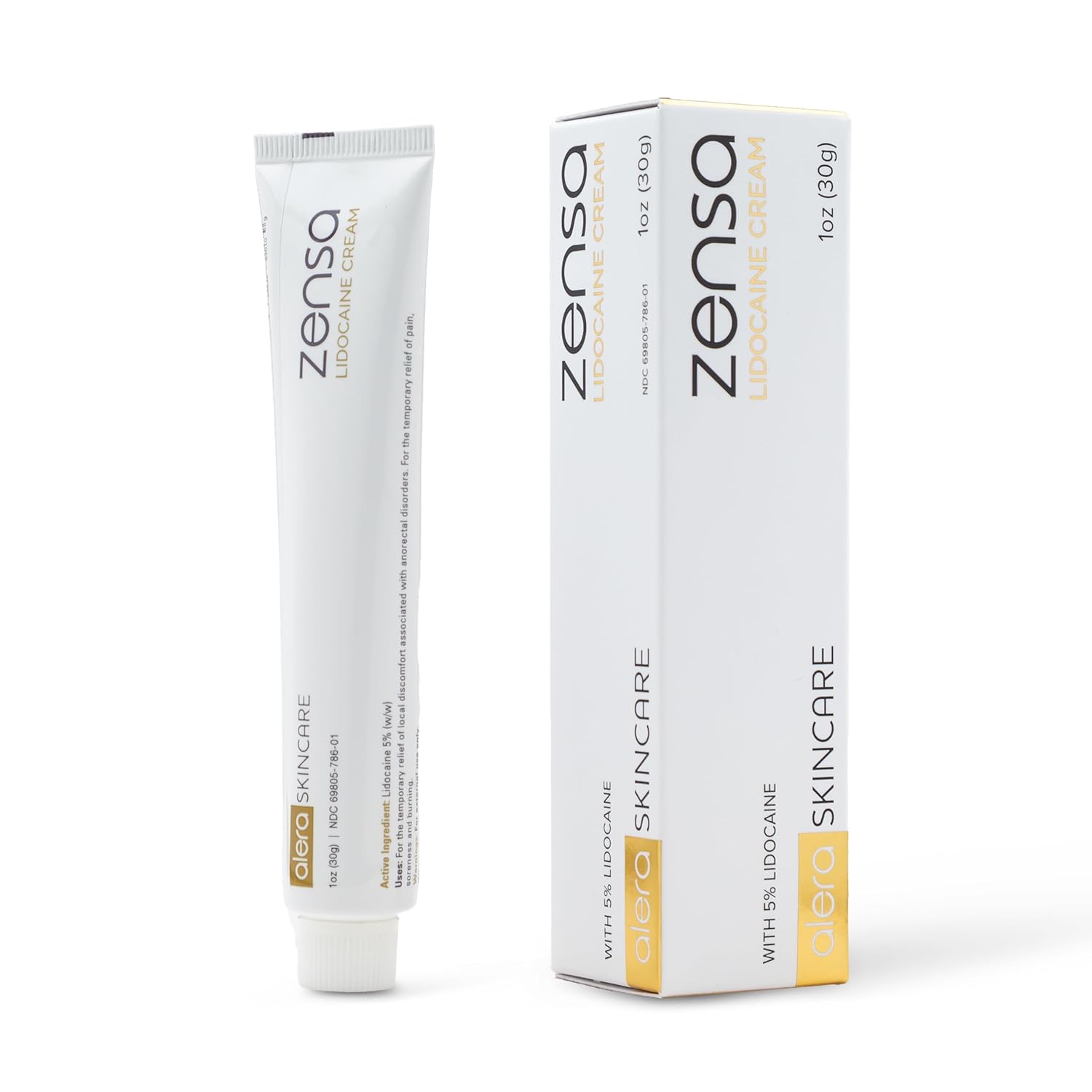
Numbing Cream 5% Lidocaine

5% Lidocaine Numbing Cream