Tattoo Numbing Cream Safety Review
A safety-first review of tattoo numbing cream, including FDA lidocaine guidance, product-label concerns, artist preferences, and questions to ask before use.
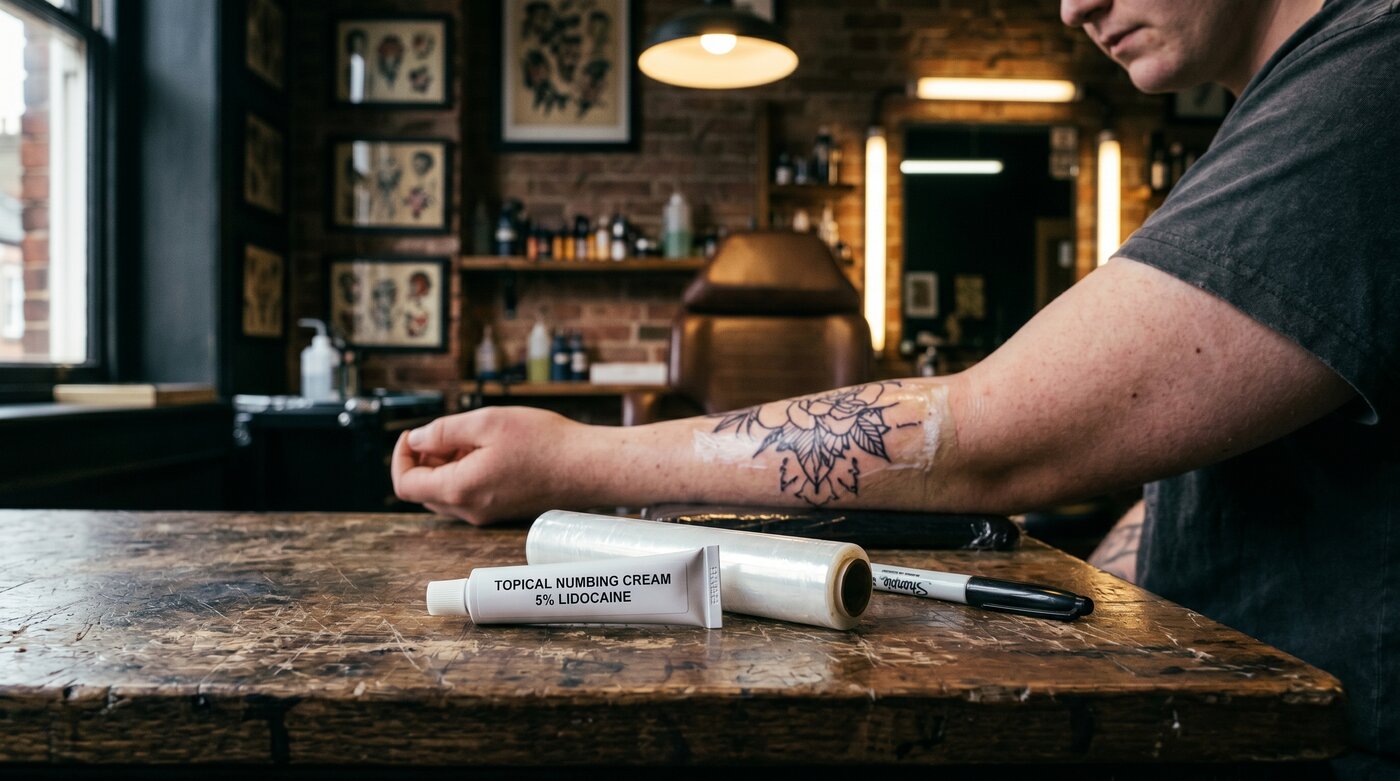
| Product | Rating | Price | Get it |
|---|---|---|---|
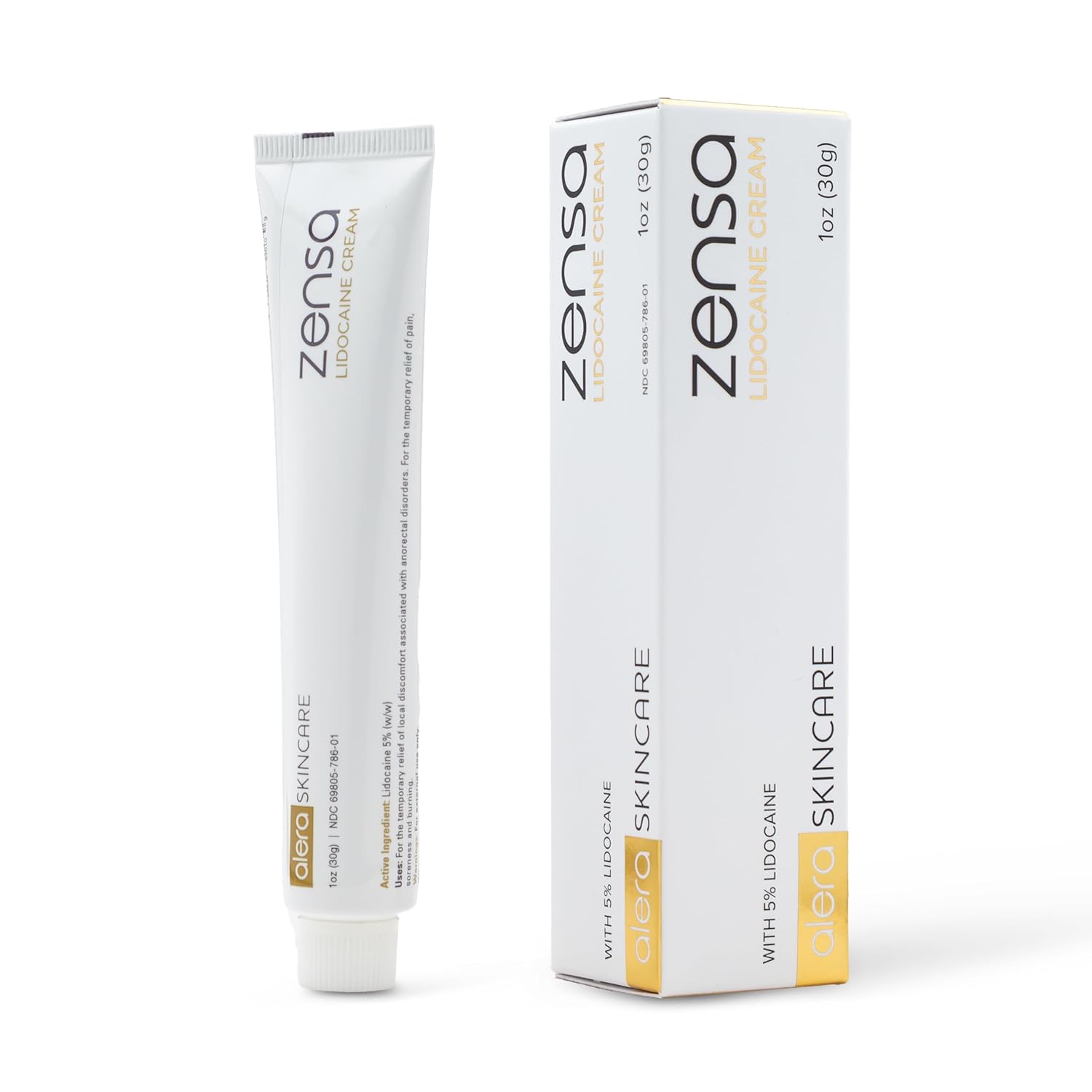
Zensa Numbing Cream 5% LidocaineOur pick Water-based, vegan, fast-absorbing 5% lidocaine, the formulation most often stocked at pro shops. Premium price, premium consistency. | ★ 4.2 697 reviews | $35.99 | |
Ebanel 5% Lidocaine Numbing Cream Same 5% lidocaine concentration as the pro-shop brands at roughly half the cost per ounce. Slightly slower onset, comparable ceiling. | ★ 4.1 77,972 reviews | $17.69 |
Ratings and review counts reflect Amazon customer aggregates (last verified 2026-05-16). Prices change; check the live listing. We may earn a commission.
Numbing cream is one of the more contested topics in the tattoo world. Artists have opinions. Clients want comfort. And online advice often promotes concentrations or application methods that conflict with current safety guidance.
The most important fact comes first: the FDA advises consumers not to use over-the-counter topical pain products containing more than 4% lidocaine. The agency also warns against heavy application, large treatment areas, broken or irritated skin, and covering treated skin with plastic wrap or another dressing.
Does numbing cream work?
It can reduce surface sensation, with significant caveats:
- Results vary. A topical anesthetic may blunt surface sensation without eliminating pressure, vibration, or deeper discomfort.
- The label controls timing and dose. More cream, more time, and a larger area can increase absorption and risk.
- Do not improvise occlusion. Plastic wrap can increase absorption; the FDA specifically warns consumers not to cover these products with dressings.
- Artist cooperation is required. Not every artist will tattoo over numbing cream, and some clinics do not permit products applied before arrival.
The active ingredient: lidocaine
Lidocaine is the active ingredient in many topical numbing products. Concentration matters: current FDA consumer guidance says not to use an OTC topical pain product with more than 4% lidocaine for cosmetic procedures such as tattooing.
The other ingredients (aloe, vitamin E, water, emulsifiers) affect texture and application but don’t change the numbing mechanism.
Bottom line: a tattoo label and a high review count do not establish that a product or application method is safe. Check the Drug Facts panel, follow its labeled use, and ask a pharmacist or clinician about any product marketed above the FDA’s stated 4% threshold.
Zensa 5% (premium)
Zensa is sold as a water-based 5% lidocaine cream. That concentration is above the FDA’s current consumer recommendation for OTC topical pain products used around cosmetic procedures, so we cannot recommend self-directed use.
What we observed: In our past session test, the water-based texture wiped away more cleanly than a greasier cream and reduced surface sensation. That observation does not override current safety guidance, and we have removed our previous plastic-wrap application instructions.
Ebanel 5% (budget)
Ebanel is also marketed with 5% lidocaine, placing it above the FDA’s stated 4% OTC threshold for this use. Its lower price does not change that safety issue.
What we observed: The cream spread more easily than Zensa and left a slightly oilier finish. We are not publishing a timing, reapplication, or occlusion protocol because those instructions could increase absorption beyond the labeled use.
What artists actually think
We asked several working tattoo artists about numbing cream. Their answers were consistent:
What they don’t like: Cream residue on the skin. If you don’t wipe the area clean before the session, the artist is working on a greasy surface that affects ink delivery and needle tracking. The solution is simple: clean the area with soap and pat dry before your appointment. But many clients show up without doing this.
What they’ve noticed: Some artists report that treated skin feels or behaves differently during a session. That is an artist-workflow observation, not a medical safety assessment.
What they appreciate: Clients who can hold still. If numbing cream gets you through the first two hours without involuntary flinching, your artist benefits too. A client who moves unpredictably because of pain is harder to work on than one who’s calm.
The ask: Tell your artist in advance. Don’t show up with cream already applied to surprise them. Book a short consultation or message ahead. Respecting their preference is the professional move.
Safer decision checklist
- Ask your artist whether they permit numbing products.
- Ask a pharmacist or clinician to review the exact product and concentration.
- Read and follow the Drug Facts label exactly.
- Do not use more than directed, extend the timing, treat a large area, apply to irritated or broken skin, or cover it with plastic.
- Do not reapply during tattooing unless a qualified health professional specifically directs you.
- Bring the packaging to the appointment so the artist knows what was used.
What numbing cream doesn’t solve
It doesn’t eliminate pain entirely. It reduces it, often significantly for line work, partially for shading, and less so for color packing. Anyone who tells you it makes the experience painless is either exaggerating or working on a particularly low-sensitivity placement.
It also doesn’t help with the psychological experience of a long session: the endurance factor, the position fatigue, the low-grade stress of sitting still. Those are separate from the pain signal and numbing cream doesn’t touch them.
The honest recommendation
Do not choose a numbing cream by tattoo marketing, star rating, or price per ounce. Start with your artist’s policy and a pharmacist or clinician’s review of the label. Given the FDA warning, we do not recommend self-directed use of the 5% products reviewed above.
For aftercare once the session is done, see our full aftercare guide and check the Mad Rabbit vs Hustle Butter comparison to figure out which balm to bring home.
Note: We previously tested these products during real tattoo sessions. We retained the first-hand texture observations but removed the application protocol and product recommendation because current FDA guidance conflicts with common tattoo-numbing practices.
Numbing Cream 5% Lidocaine
