What Tattoo Style Should I Get?
Four honest questions that narrow your options, so you walk into a consult knowing what you actually want instead of shrugging at your artist.
The most common mistake people make before their first tattoo isn’t picking a bad artist. It’s picking a style that conflicts with what they actually want from the piece. Someone who wants a delicate botanical on their forearm that still looks sharp at 50 books a fine-line artist, loves it at month three, and watches it blur into noise by year eight. That’s not a failure of craftsmanship. It’s a mismatch between expectations and reality that a five-minute style conversation would have caught.
This guide is a decision framework. Answer four questions honestly and you’ll narrow twelve styles down to two or three real candidates. Tap any example below to open that style’s full guide.
Question 1: How big?
Scale is the first filter because several styles only work at certain sizes, not by convention, but by physics.
Small and subtle (palm-sized or under):
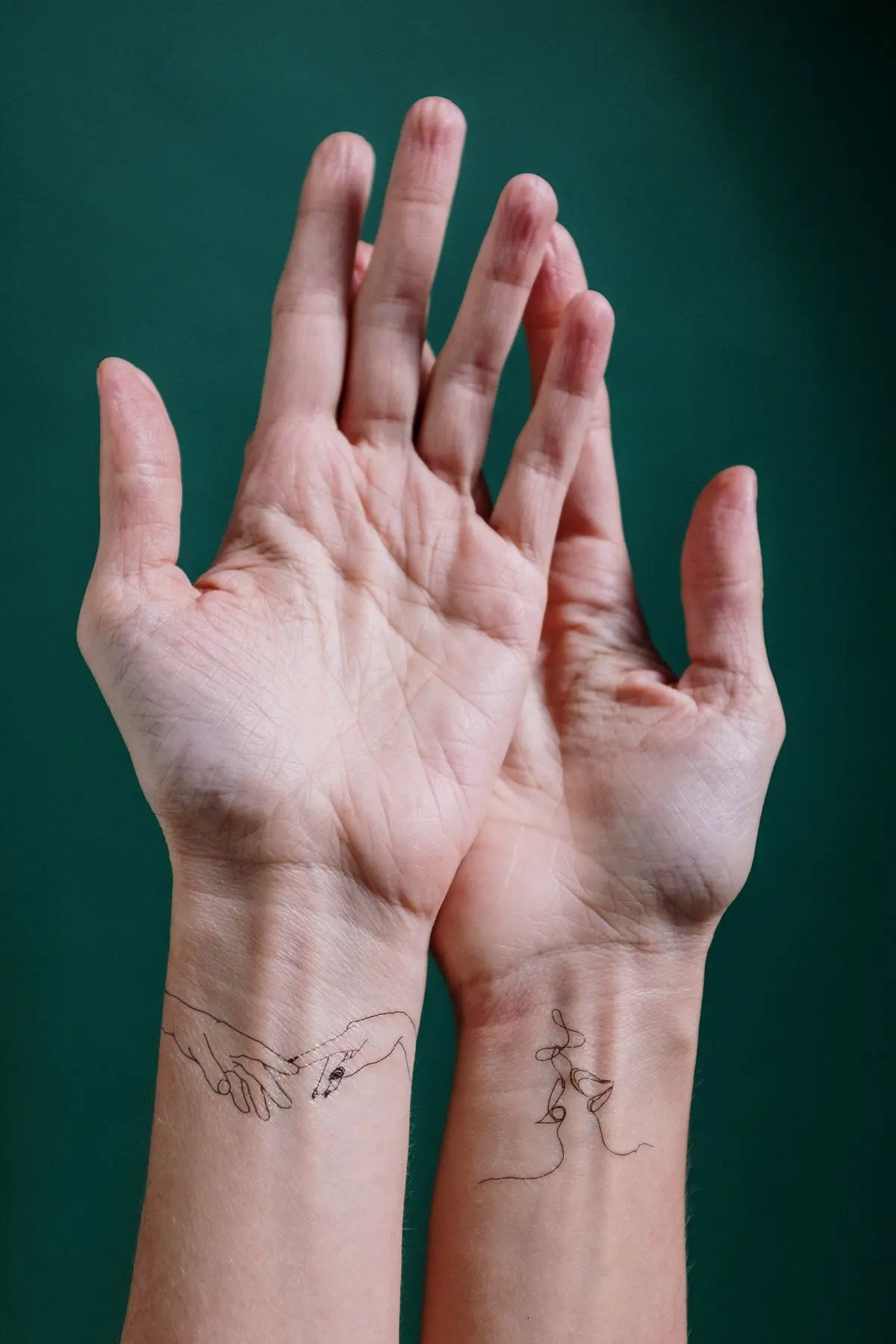
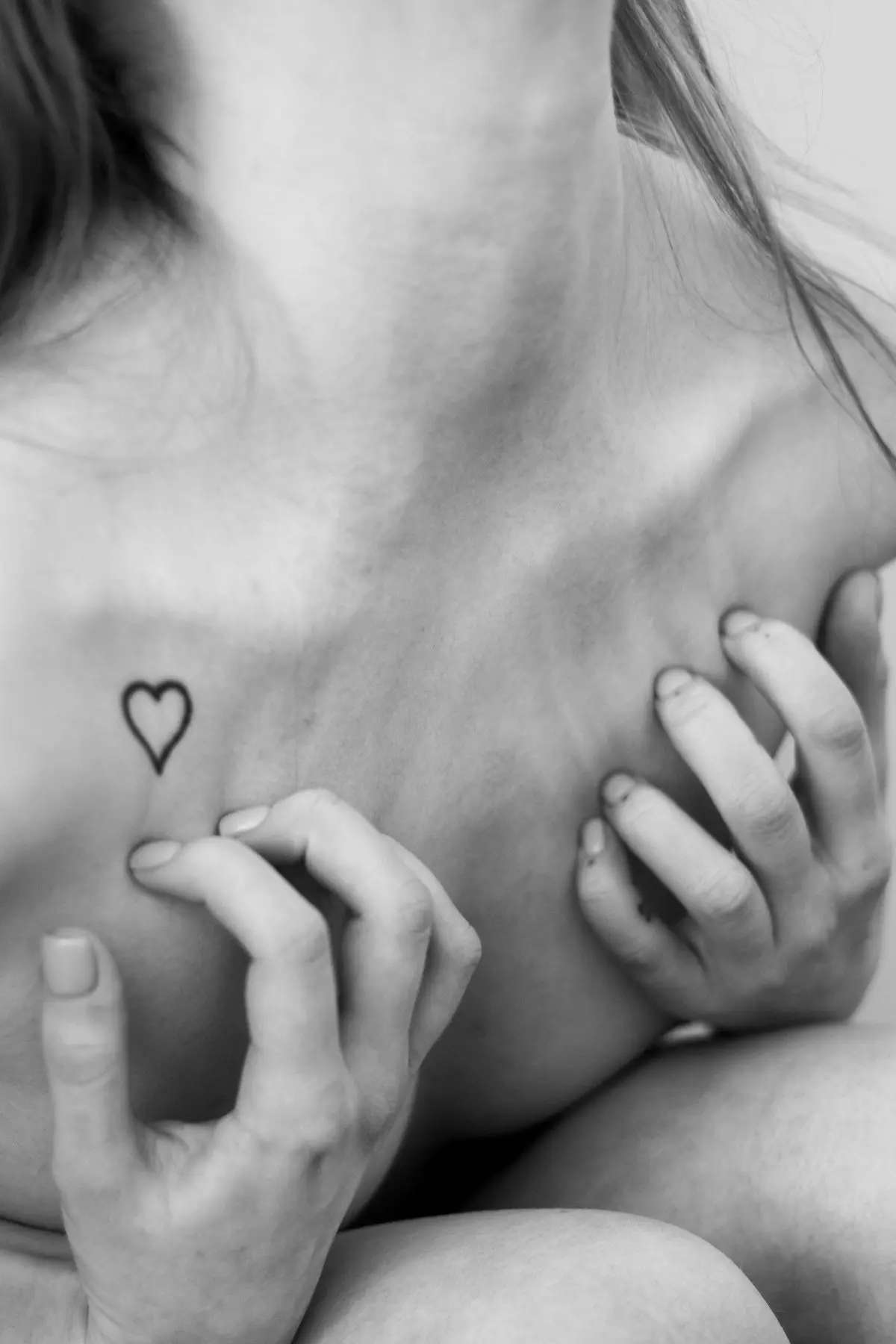
Fine-line and micro tattoos are built for small placements. Hairline strokes, delicate shading, tiny detail work. These styles look incredible at small scale precisely because the lines are so thin. The tradeoff: thin lines diffuse over time. A micro portrait that looks like a photograph at year one will look like a photograph left in the sun for a decade by year fifteen. Not ruined, just softened. Know that going in.
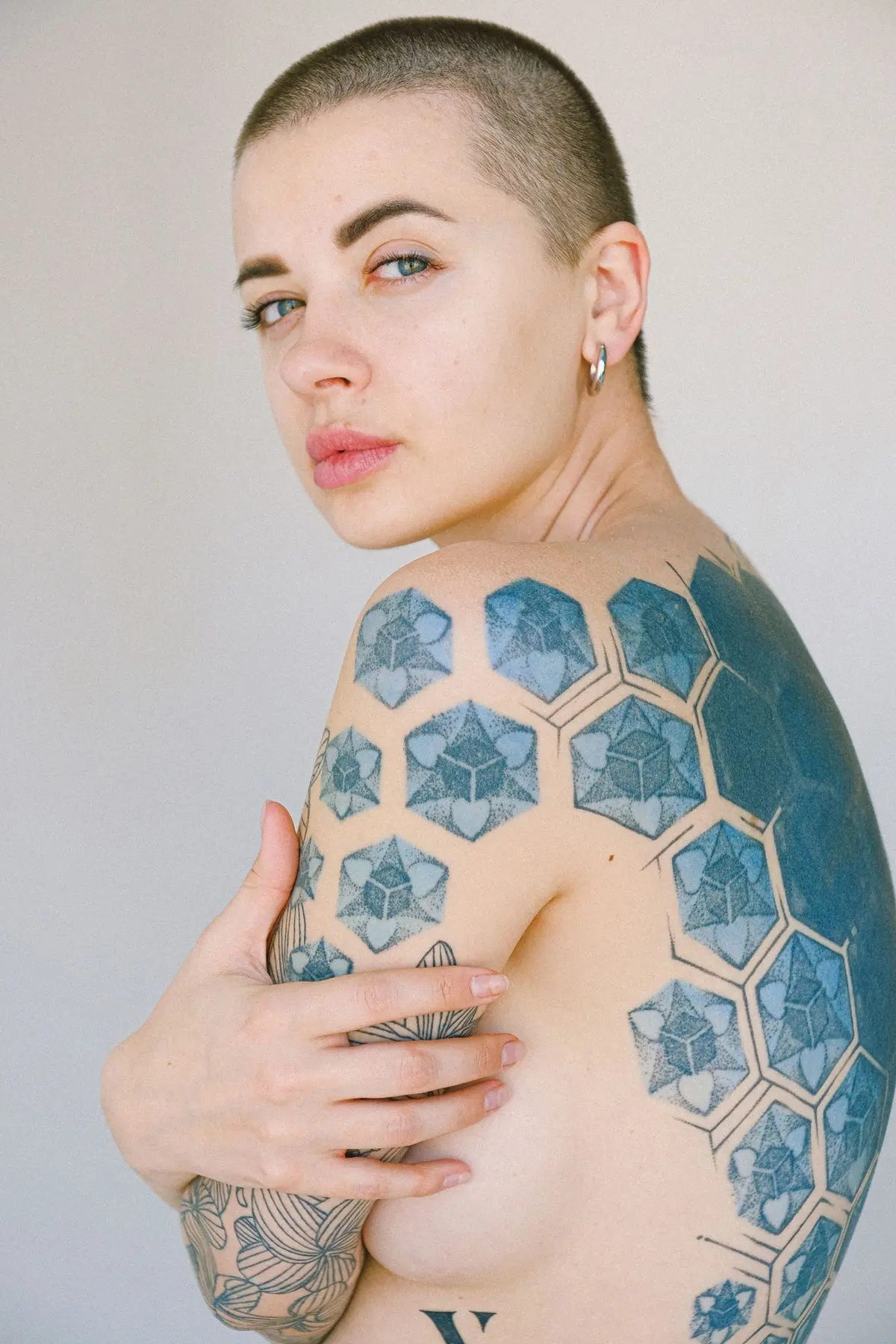
Geometric also scales down well. Precise angles, clean negative space, pattern repetition. Works on wrists, behind ears, ankles.
Large statement pieces (half-sleeve or bigger):
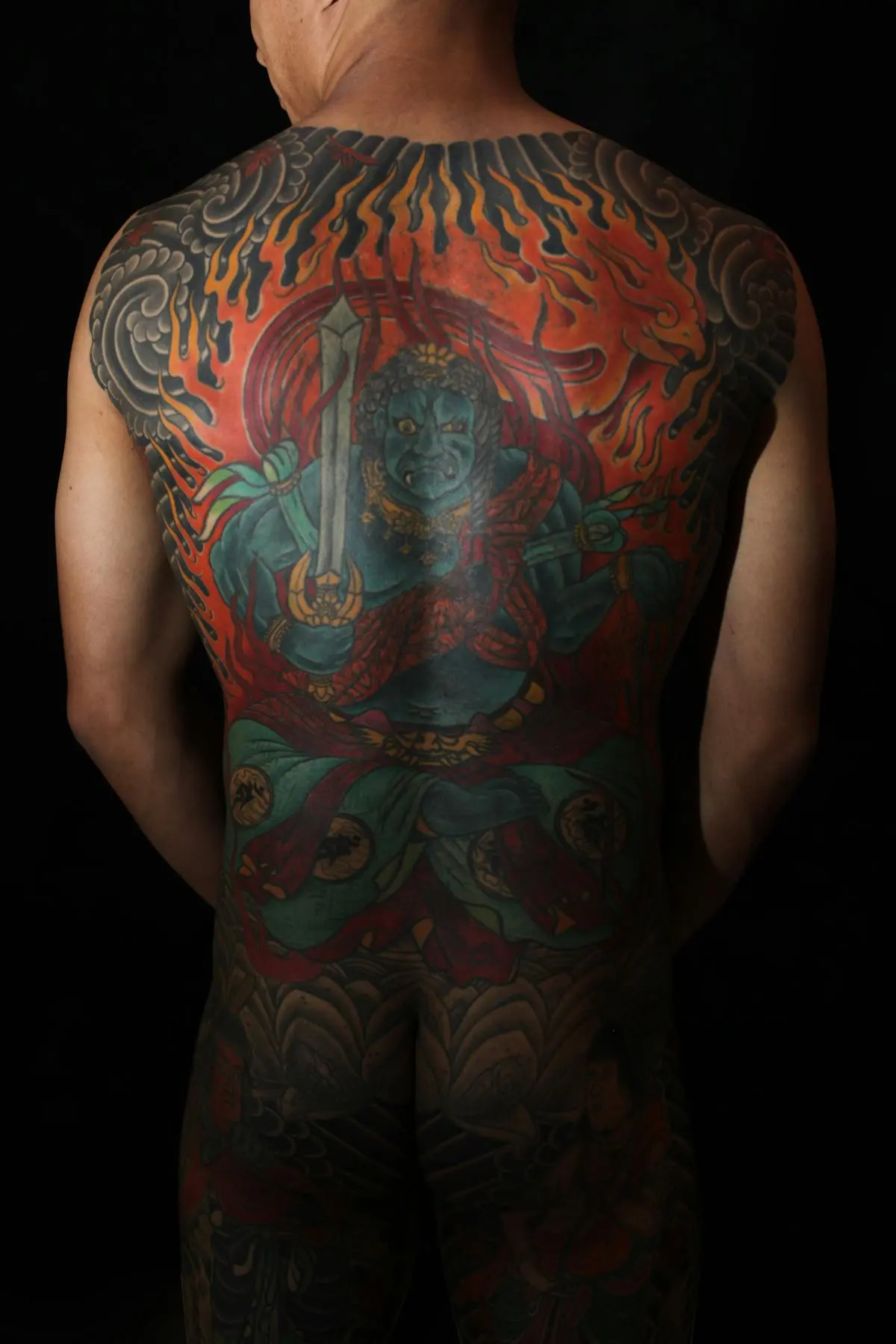
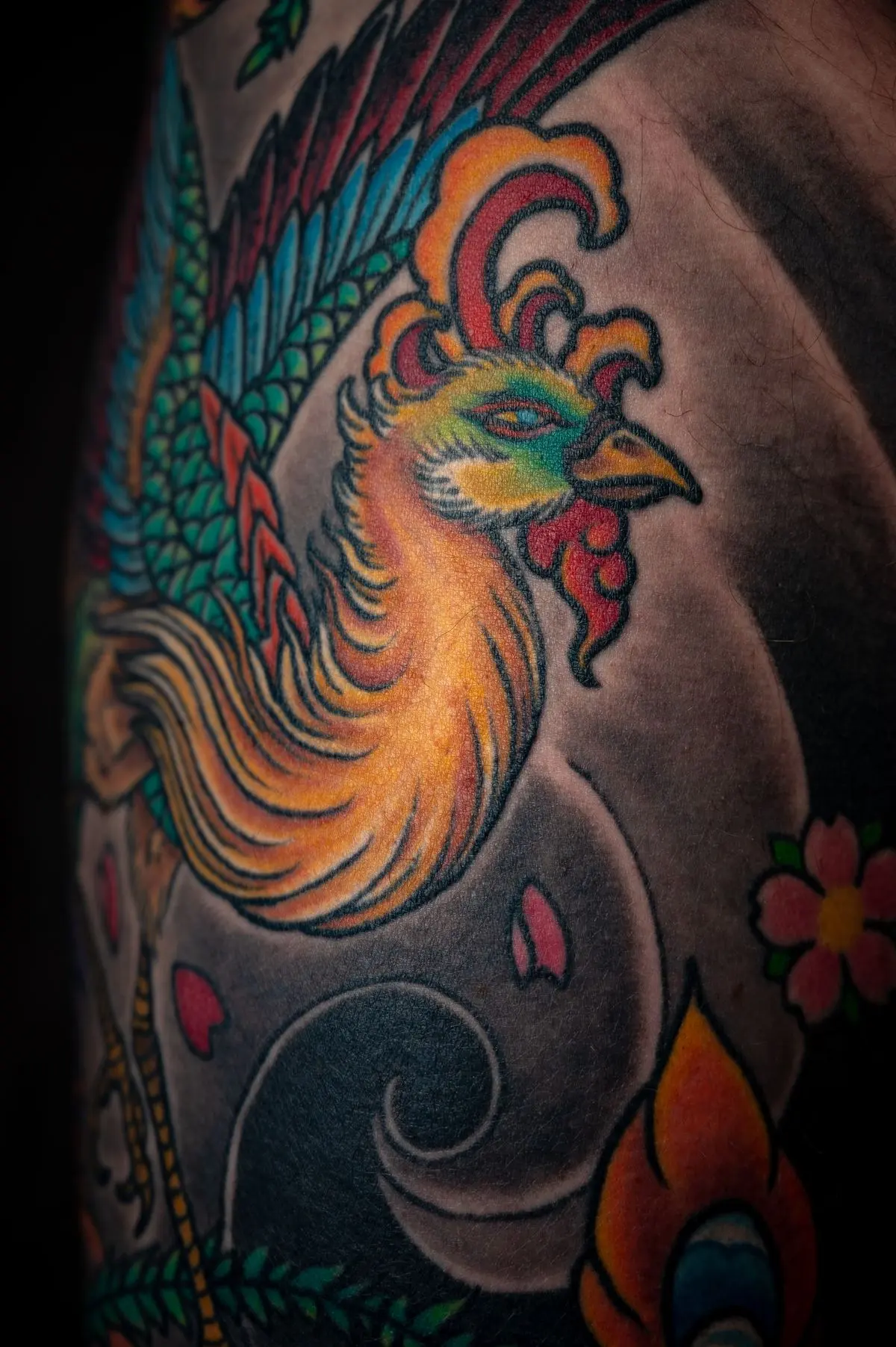
Japanese tattooing is designed for large coverage: the traditional compositions account for how the body curves, how muscle moves, how negative space breathes over a full back or sleeve. Squeezing a koi dragon into a two-inch space misses the point entirely.
Blackwork scales in both directions but reaches its peak impact large. Heavy contrast, zero shading filler: it commands real estate.
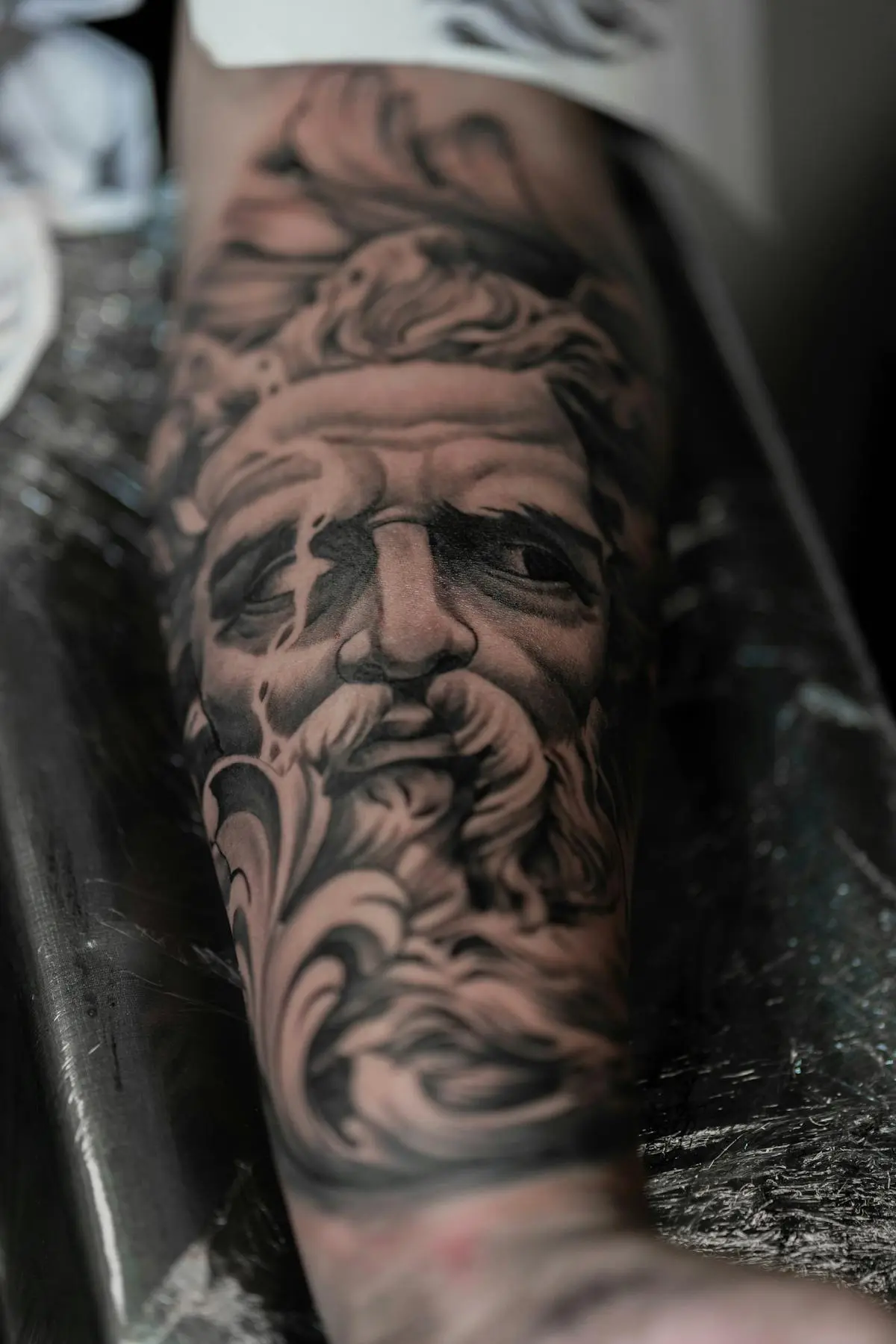
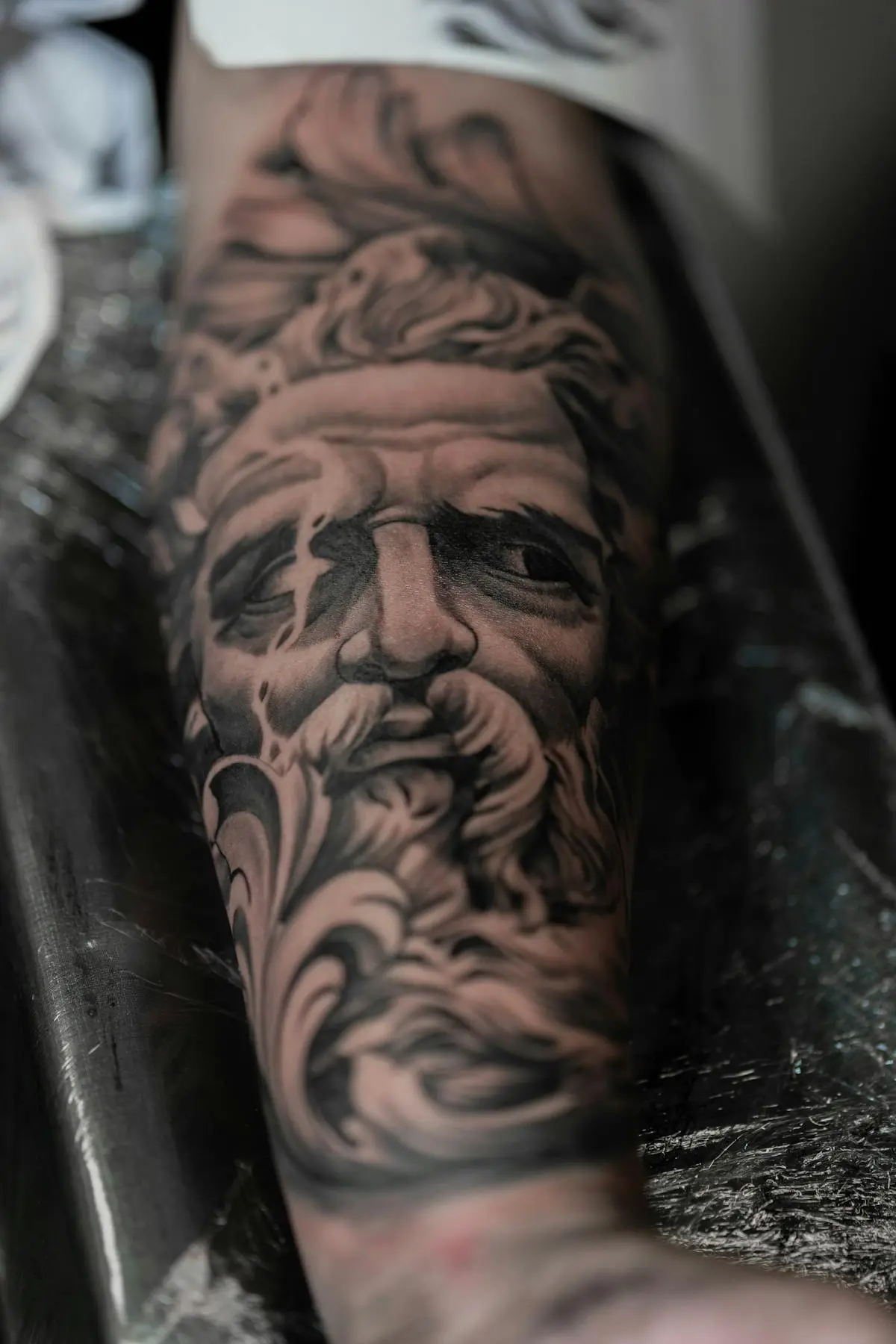
Realism requires room to work. Photographic gradients don’t compress. A realistic portrait needs at minimum a four-inch canvas to hold the detail; anything smaller collapses into muddy gray.
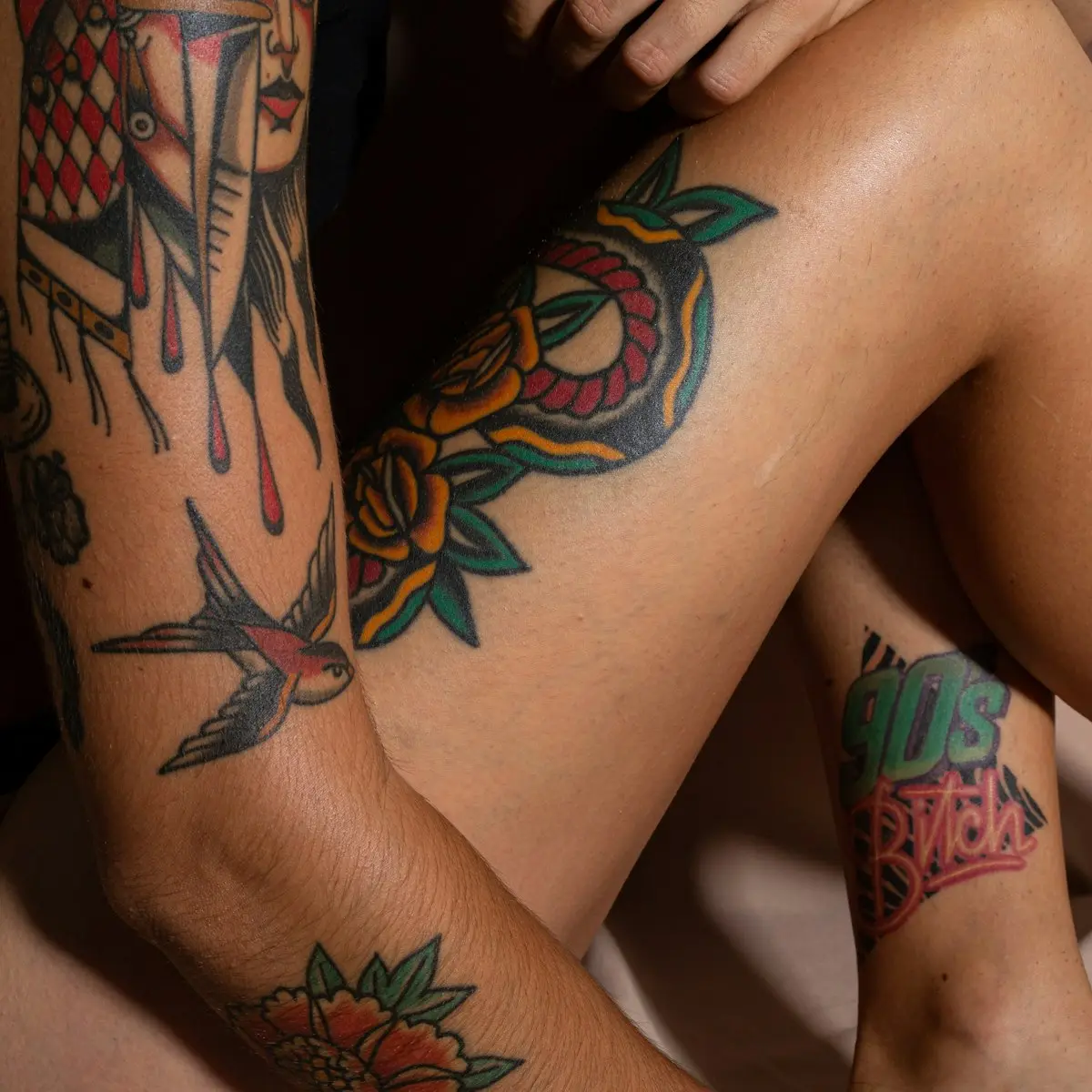
Traditional and neo-traditional work at medium-to-large scale. Bold outlines give them legibility even as they age, and the limited palette stays readable.
Question 2: Color or black-only?
This question matters more than it seems because it affects which artists you’re shopping and what the piece looks like in twenty years.
Black-only (or black-and-grey):
Blackwork is exactly what it says: dense black ink, often negative-space patterns. Zero grey, zero gradients in the traditional sense.
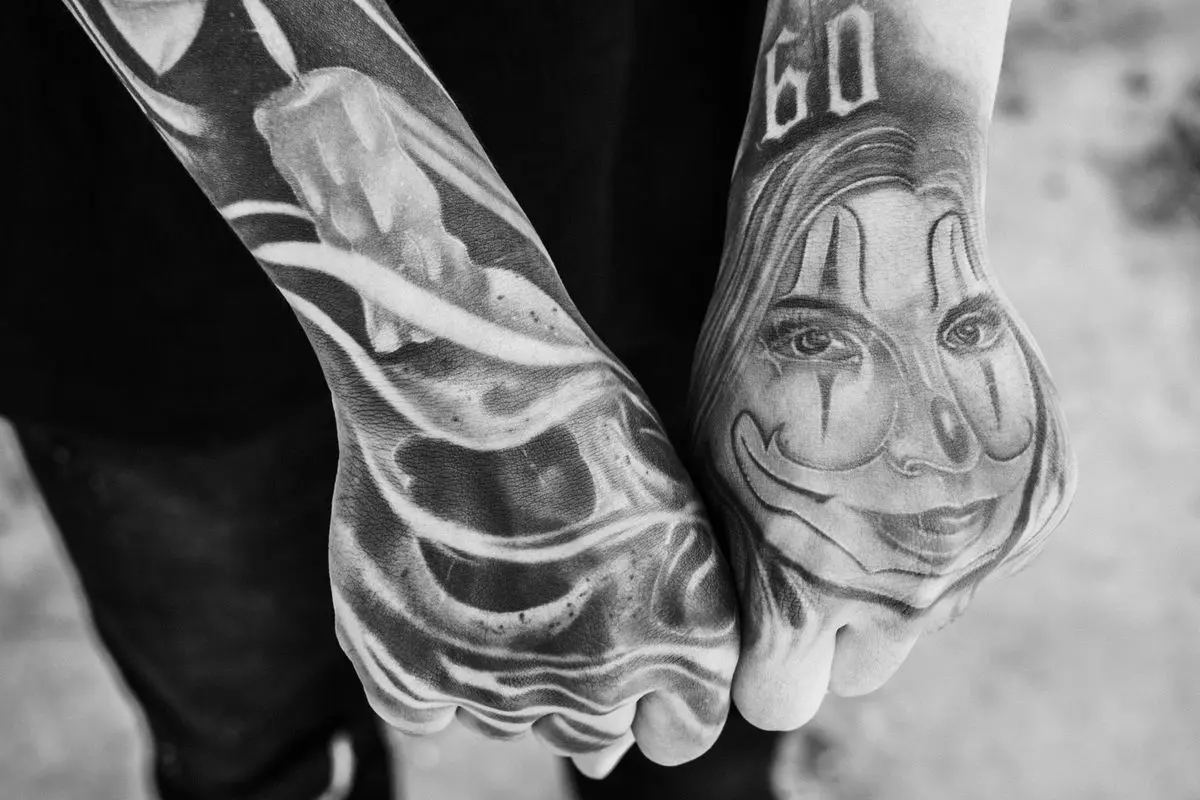
Black-and-grey uses diluted black ink to achieve smooth value transitions: the style most people associate with realistic shading, religious iconography, and old-school chicano work. If you want something that reads as a photograph but in monochrome, this is it.
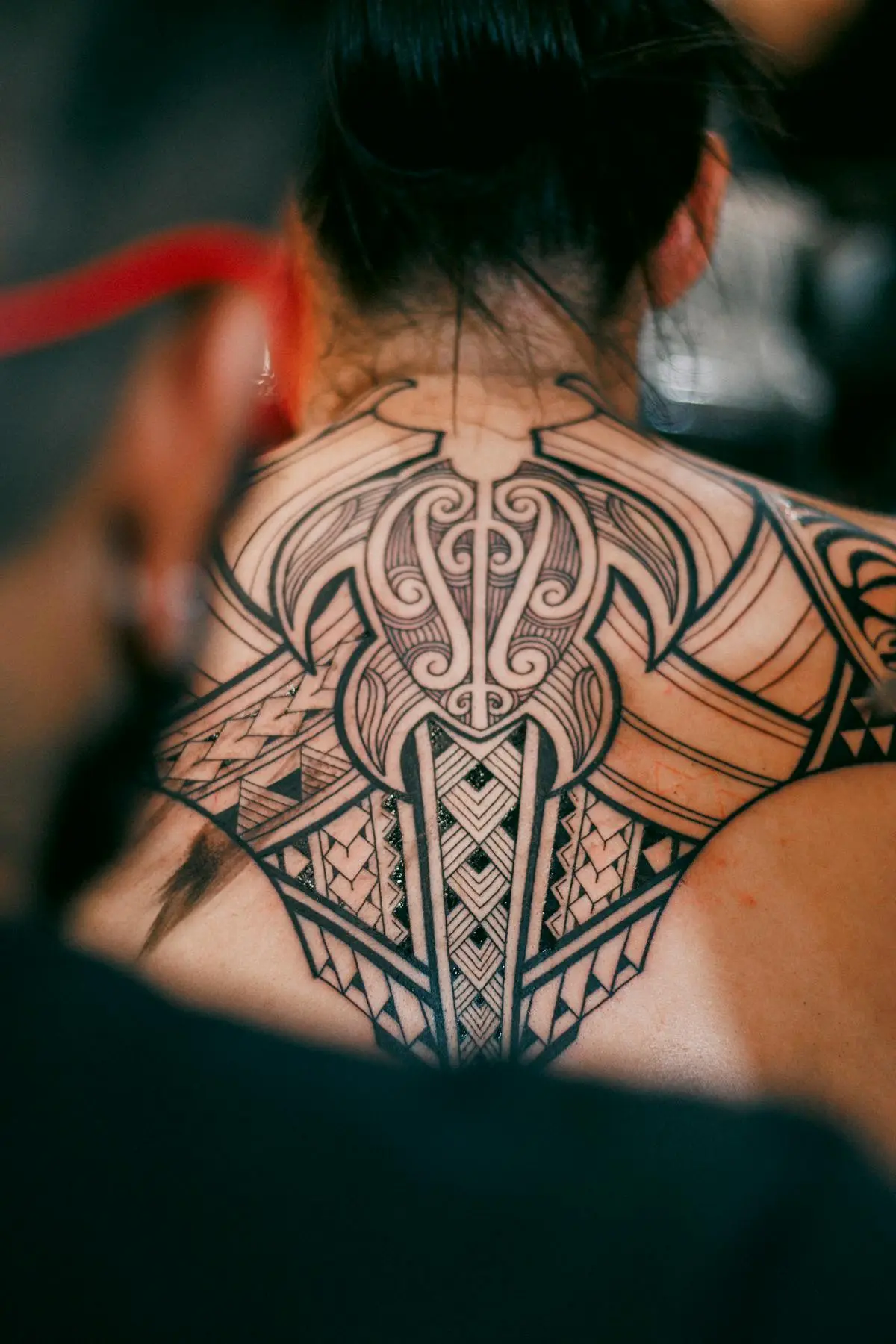
Geometric, tribal, and fine-line are predominantly black-only styles, though fine-line occasionally incorporates subtle color.
Chicano tattooing lives almost entirely in black and grey; it’s foundational to the style.
Color:
Japanese tattooing uses a specific palette: saturated reds, greens, and oranges with selective black shading. Not photorealistic color, but vivid and deliberately stylized.
Neo-traditional pushes further into illustrative color: modern pigments, bold shading, sometimes gradients that look closer to digital art than traditional flash.
Traditional uses a deliberately limited palette: the classic six or so colors that early tattoo machines could reliably deposit. The limitation is intentional; it’s what makes these pieces age well.
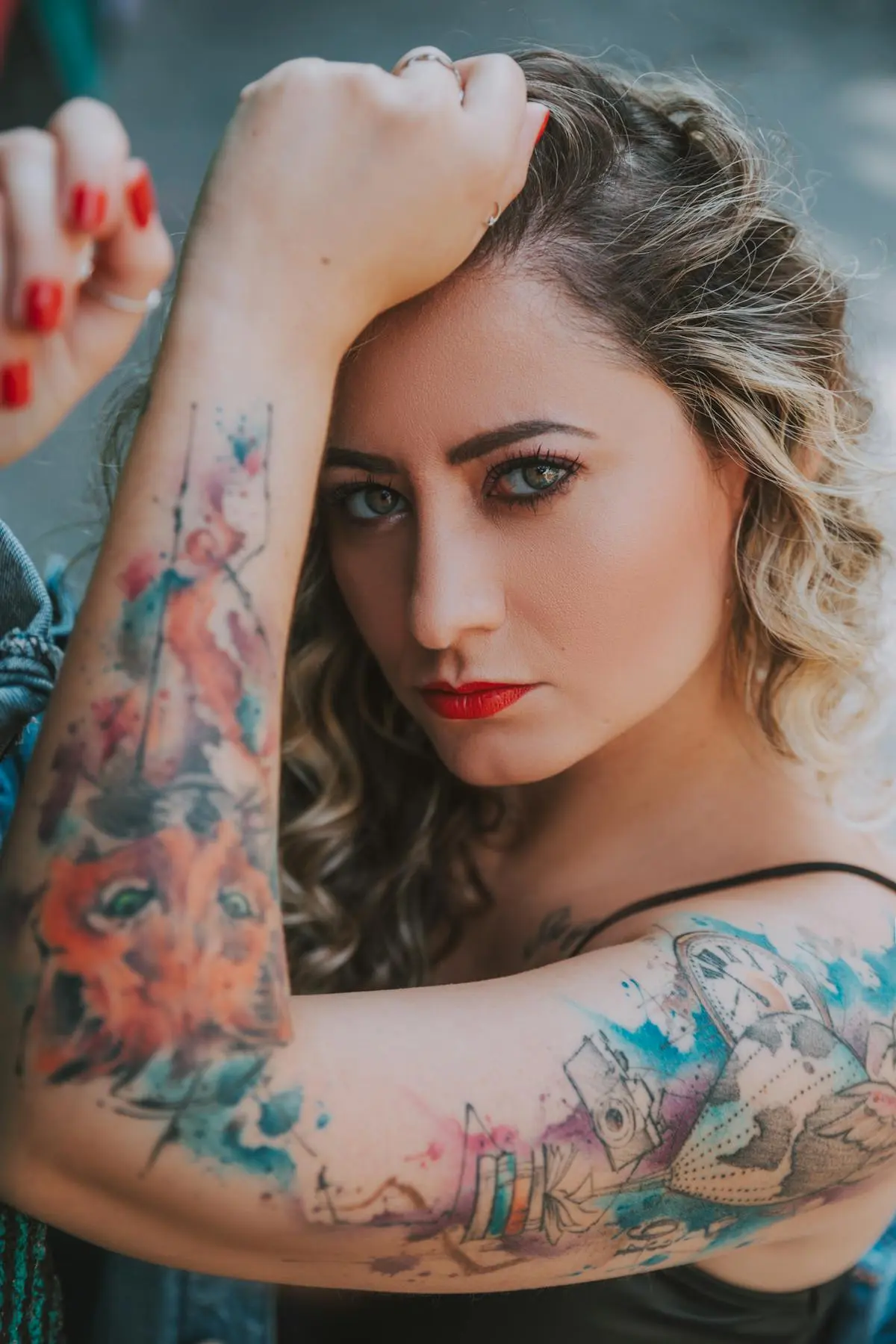
Watercolor tattoos attempt to replicate the translucent, edge-free look of watercolor painting. They use color extensively, often without black outlines. The style is genuinely beautiful. It also fades faster than almost anything else on this list. Artists who are honest about this will tell you the color will shift and bleed without a black anchor. Artists who want to book the appointment sometimes won’t.
Realism exists in both color and black-and-grey. Color realism (full photographic portraits with accurate skin tones) is technically the hardest style on this list. When it works, nothing looks more impressive. When it doesn’t, it’s the most expensive mistake you can make.
Question 3: Do you want it to look the same in 30 years?
Tattoo aging is chemistry. Ink particles get broken down by your immune system over time. Thin lines blur. Gradients flatten. Colors shift. How much depends on the style.
High hold (designed to age):
Traditional was engineered to last. Bold black outlines and limited flat color: the design has room to soften without losing its shape. A well-executed traditional eagle at year one and year thirty are recognizably the same tattoo.
Neo-traditional follows the same logic with a more complex execution. The bolder the lines, the longer the piece holds structure.
Japanese tattoos are built for permanence in the same way. Traditional compositions with thick borders around major elements. Color will shift, but the piece stays legible.
Blackwork holds extremely well; dense black ink is the most stable thing you can put in skin.
Lower hold (beautiful now, softer later):
Fine-line tattoos are the most susceptible. The same hairline strokes that make them look clean at year one will blur to wider, faded marks by year eight to twelve. This isn’t a flaw; it’s the physics of thin lines in skin. Get them knowing this.
Micro tattoos at very small scale can lose detail even faster in high-friction areas.
Watercolor tattoos without black anchor lines age the fastest. The color spreads, the edges bleed. Artists who work in this style professionally know this and often recommend black linework as structure. If your artist doesn’t bring this up, bring it up yourself.
Question 4: What do you actually want on your body?
Subject matter and style need to match. Forcing a style onto a subject it wasn’t built for produces awkward results.
Portraits (faces, people, animals):
Realism is the natural answer. Black-and-grey for monochrome portraits; full color realism for vibrant ones. If you want a portrait done in another style (neo-traditional, illustrative), find an artist whose portfolio already shows that specific approach.
Nature: botanicals, florals, animals in environment:
Fine-line and watercolor are common choices, though watercolor ages faster. Japanese tattooing has centuries of flora and fauna motifs built into its vocabulary (koi, chrysanthemums, waves, tigers) if you want nature rendered with symbolic weight.
Cultural and symbolic work:
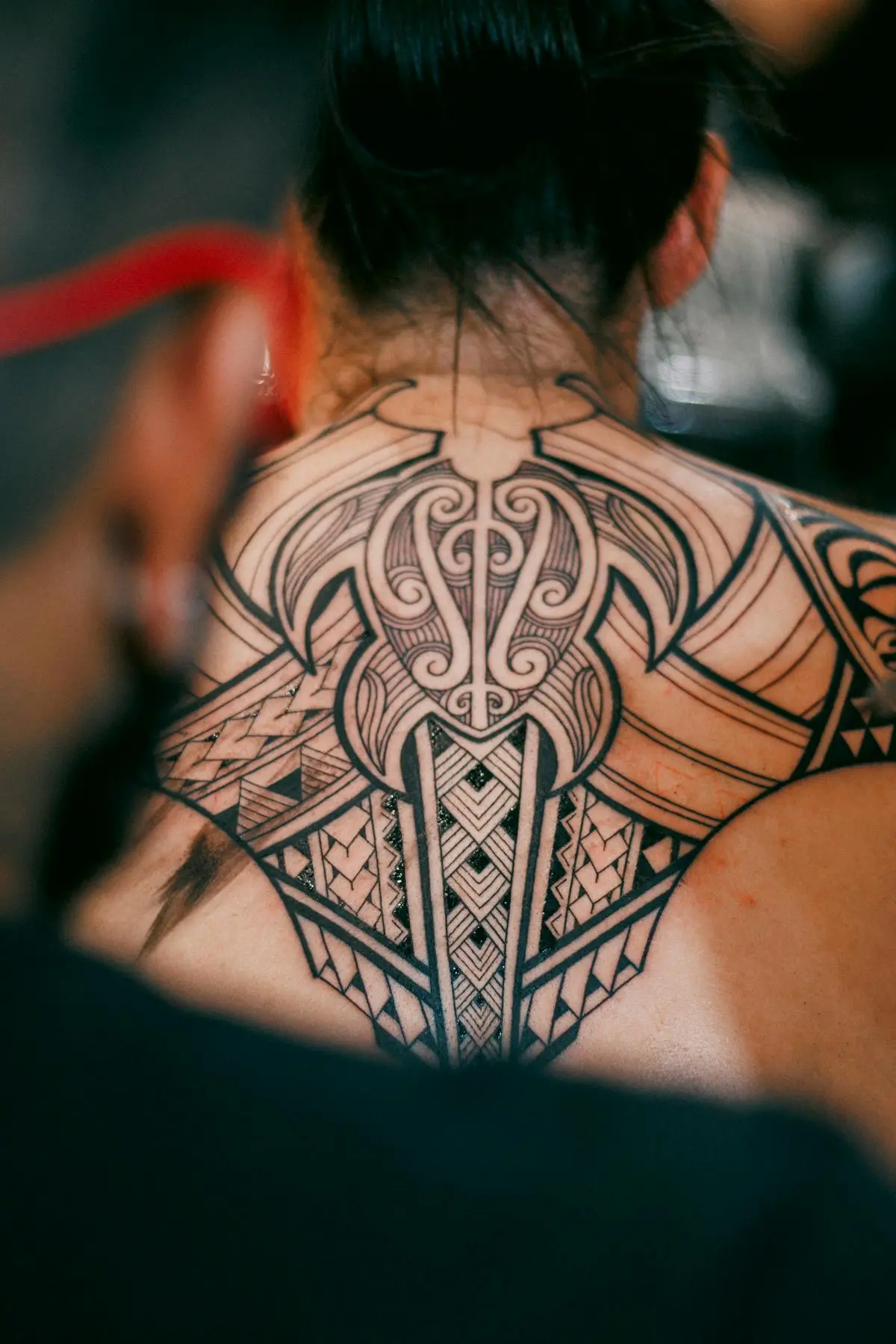
Japanese tattooing for the irezumi tradition. Tribal tattoos for Pacific Islander, Māori, or similar traditions, but this is a style where doing your homework on cultural meaning actually matters. Chicano tattoos for Chicano/Mexican-American iconography and aesthetic.
Geometric and abstract patterns:
Geometric and blackwork are the obvious fits. Both work as standalone pieces and as components in larger sleeve compositions.
Classic flash and Americana:
Traditional: eagles, daggers, roses, ships. Neo-traditional if you want more complexity and modern color, same basic vocabulary. (Traditional vs Neo-Traditional has the full side-by-side.)
Still not sure?
Two options.
The first is to book consultations with artists whose portfolios you already like, explain that you’re deciding between two or three styles, and let them weigh in. Good artists have done this conversation hundreds of times and can usually tell you what will actually look best given your placement and skin.
The second is to start with artist selection instead of style selection. Read how to choose a tattoo artist and find someone whose work you’d be happy to wear regardless of which of your shortlisted styles they specialize in. The right artist working in a style they truly own beats a so-so artist chasing a trend.
Once you’ve narrowed your list, the first tattoo checklist covers everything from the consult to the day-of prep.
The short version
| You want | Start with |
|---|---|
| Small and subtle | Fine-line, Micro, Geometric |
| Big statement | Japanese, Blackwork, Realism |
| All black | Blackwork, Black & grey, Chicano |
| Color | Japanese, Neo-traditional, Traditional |
| Will last 30 years | Traditional, Japanese, Blackwork |
| Beautiful now | Watercolor, Fine-line |
| Portraits | Realism, Black & grey |
| Cultural/symbolic | Japanese, Tribal, Chicano |
Pick your top two, browse the full style directory and read the guide for each (if your two are a commonly confused pair, the style comparisons put them side by side), and find artists whose portfolio is 80% in that style. That’s the whole process.
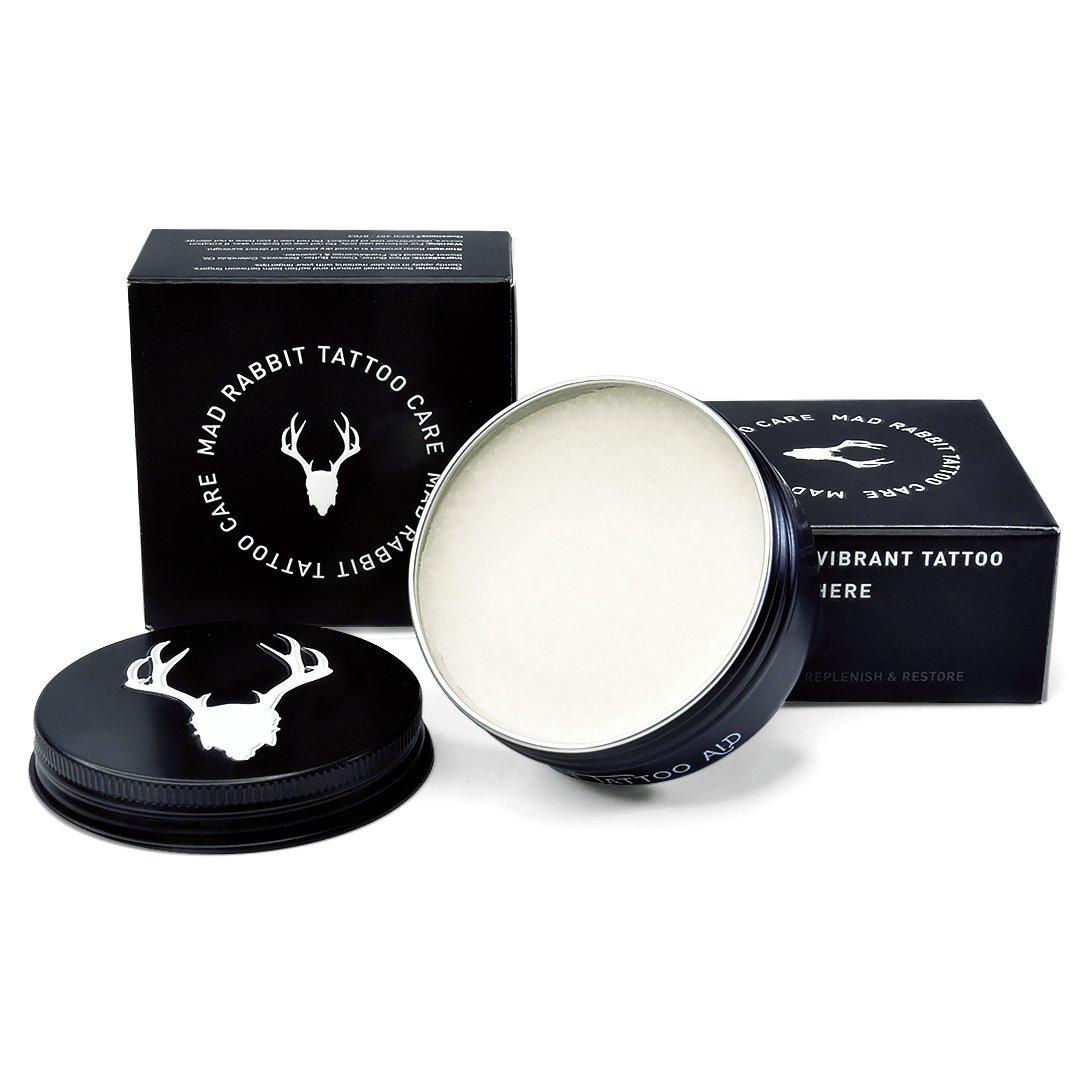
Once it’s done, the healing is on you. Follow your artist’s instructions until it’s healed; after that, Mad Rabbit Tattoo Balm is our usual maintenance pick: petrolatum-free, though lightly scented, so reactive skin should look at a fragrance-free option instead. Our aftercare roundup has the alternatives.