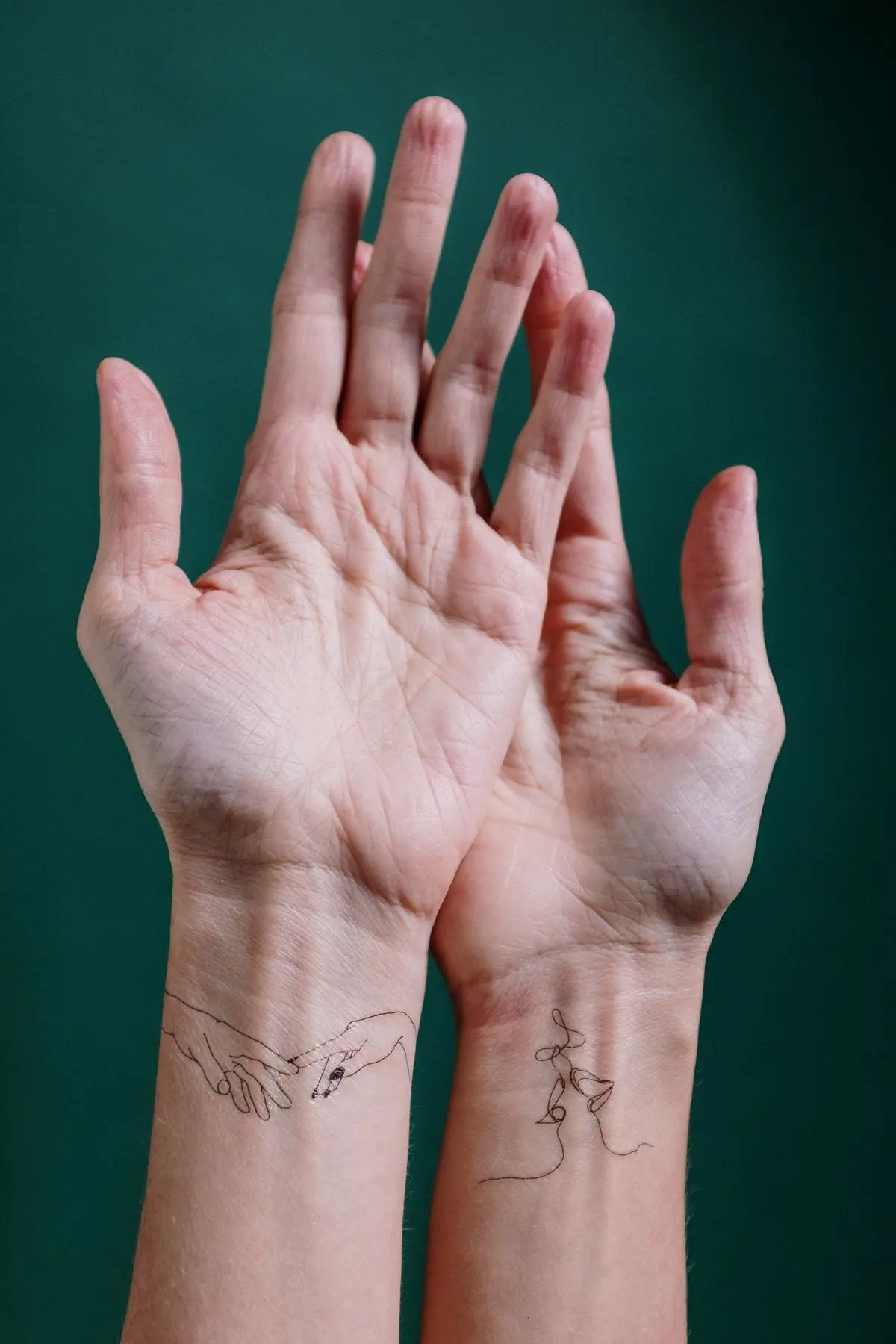
The one thing to watch
Placement. Keep fine line off hands, fingers and feet if you want it crisp.
What the style itself demands
From the Fine Line style guide, the rules that decide how well it lasts:
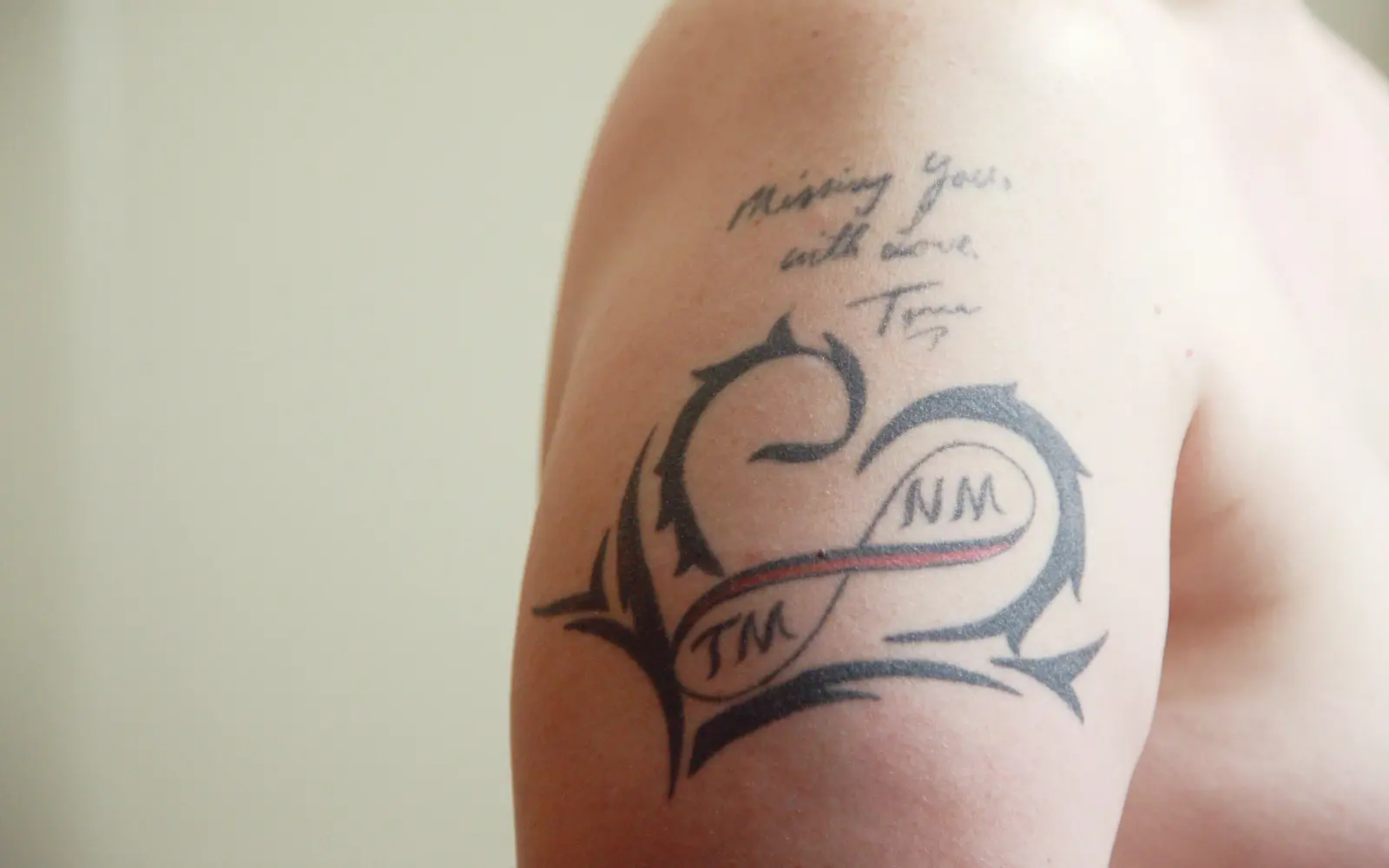
- Placement matters more than other styles. Fine line on high-movement or high-friction areas (fingers, inner wrist, feet) fades significantly faster. Artists should advise on this upfront.
- Touch-ups are expected: this is the only style where scheduling a touch-up at 3–6 months is standard practice, not a sign of a bad tattoo.
Common questions about Fine Line aging
How quickly does fine line fade, and will I need touch-ups?
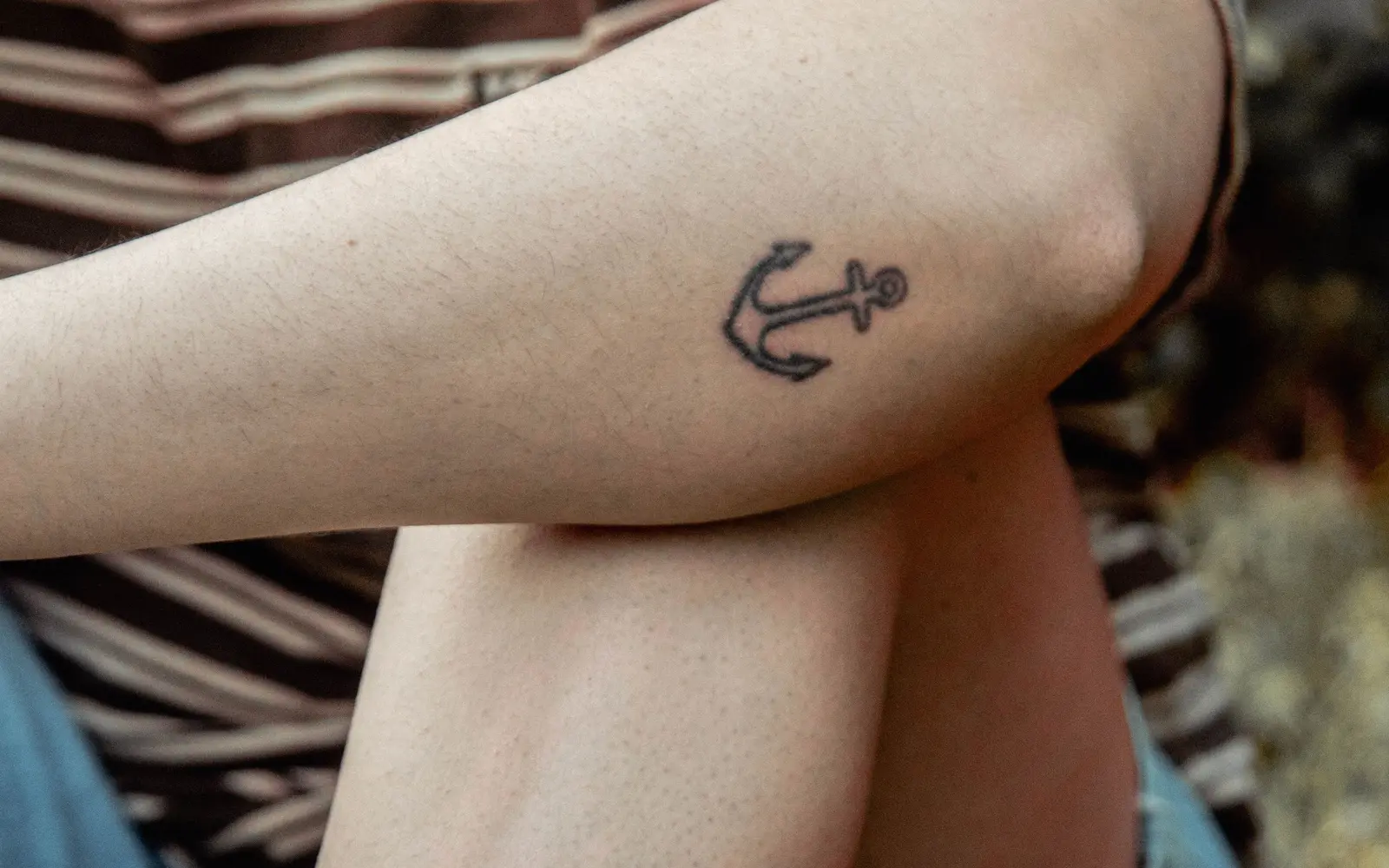
More quickly than bold-line styles, yes. A well-placed, well-executed fine line piece on low-friction skin (sternum, outer forearm, back) should hold clearly for 3–6 years. High-friction placements (fingers, palms, feet) can degrade significantly within 12–18 months. Most reputable fine-line artists include a free or low-cost touch-up at 3–6 months as standard practice.
How does sun exposure affect fine line tattoos?
More than almost any other style. UV is the primary accelerant of fine-line fading because the lines are thin enough that even slight ink breakdown reads as blurring. Sunscreen on healed tattoos, avoiding prolonged sun on fresh work, and keeping fine-line pieces out of the highest-UV placements (hands, forearms in climates with intense summers) will significantly extend the life of the work.
Placement matters as much as style
Friction and sun drive aging more than anything else. Ourplacement guide groups the body into three tiers, which are the same tiers the simulator uses:
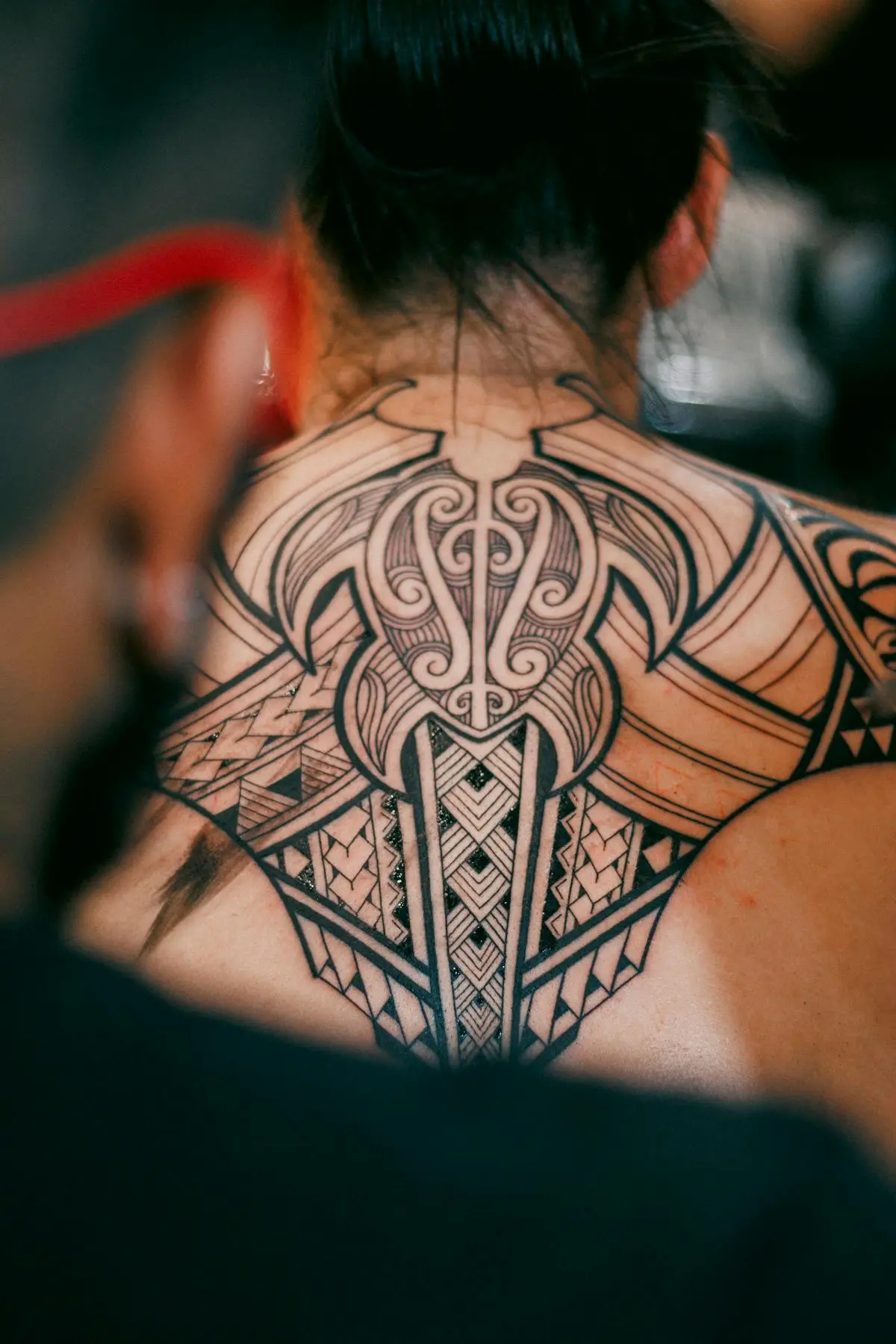
- Low wear: outer forearm, outer upper arm, calf, outer thigh, upper back, chest.
- Medium wear: inner bicep, inner forearm, inner thigh, ribs, lower belly.
- High wear: fingers, knuckles, hands, top of foot, behind the ear.
Whatever the style, the habits that slow fading are the same: sunscreen on healed skin, a proper heal in the first weeks, and a touch-up when it needs one. Thewhy tattoos fade guide and thetouch-up guide cover both.