The one thing to watch
Whether the design has a structural outline or relies only on sketch texture.
What the style itself demands
From the Illustrative style guide, the rules that decide how well it lasts:
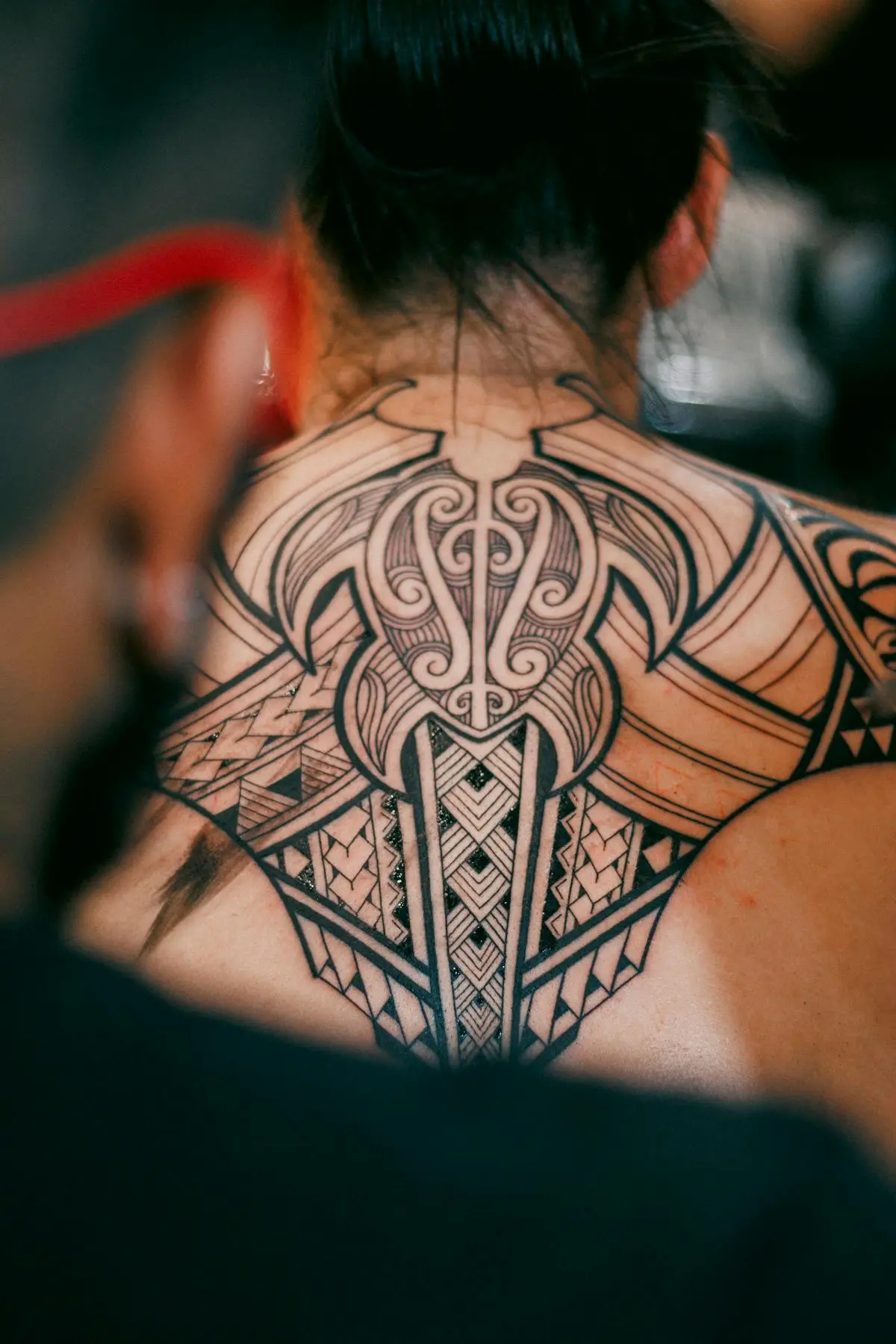
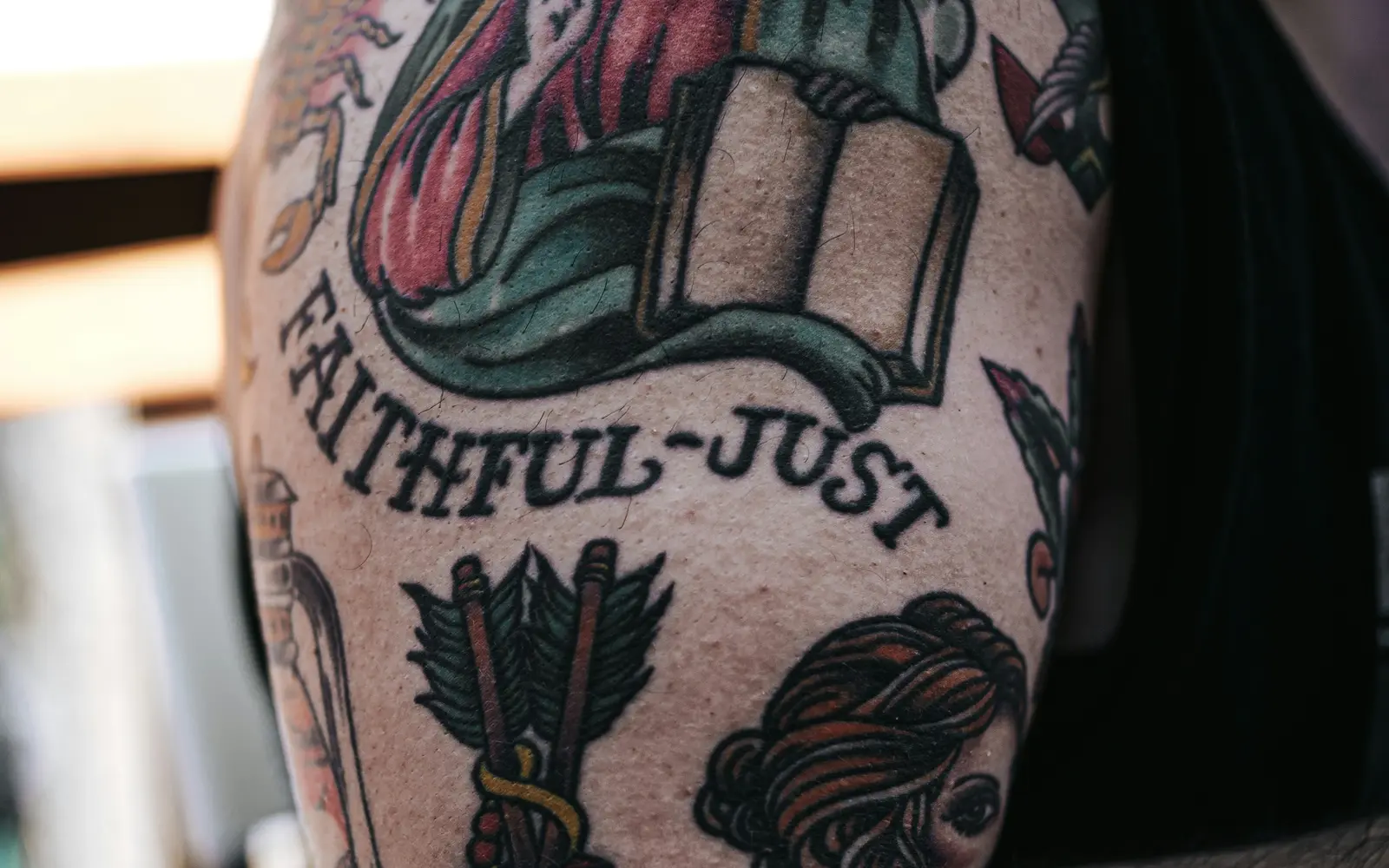
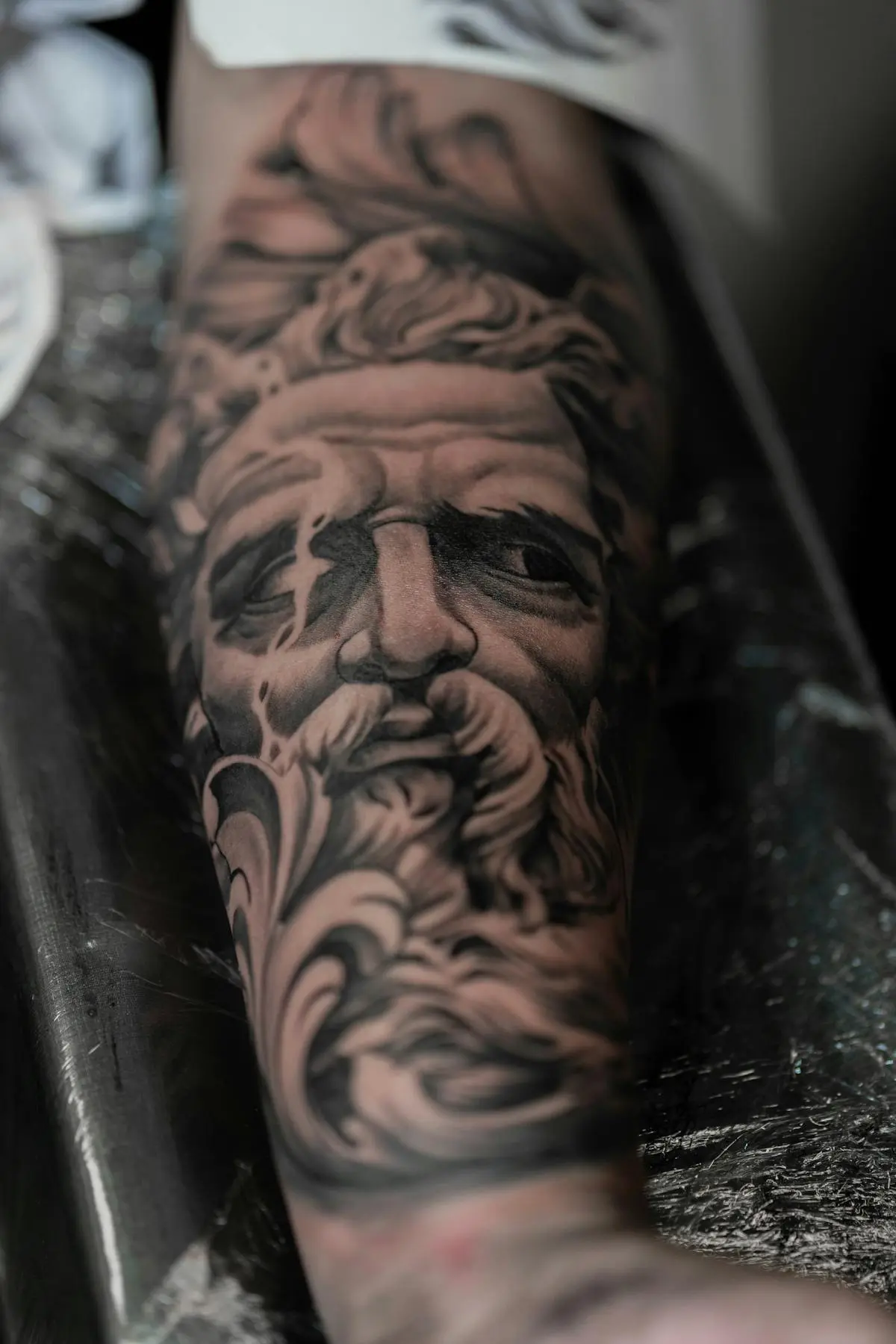
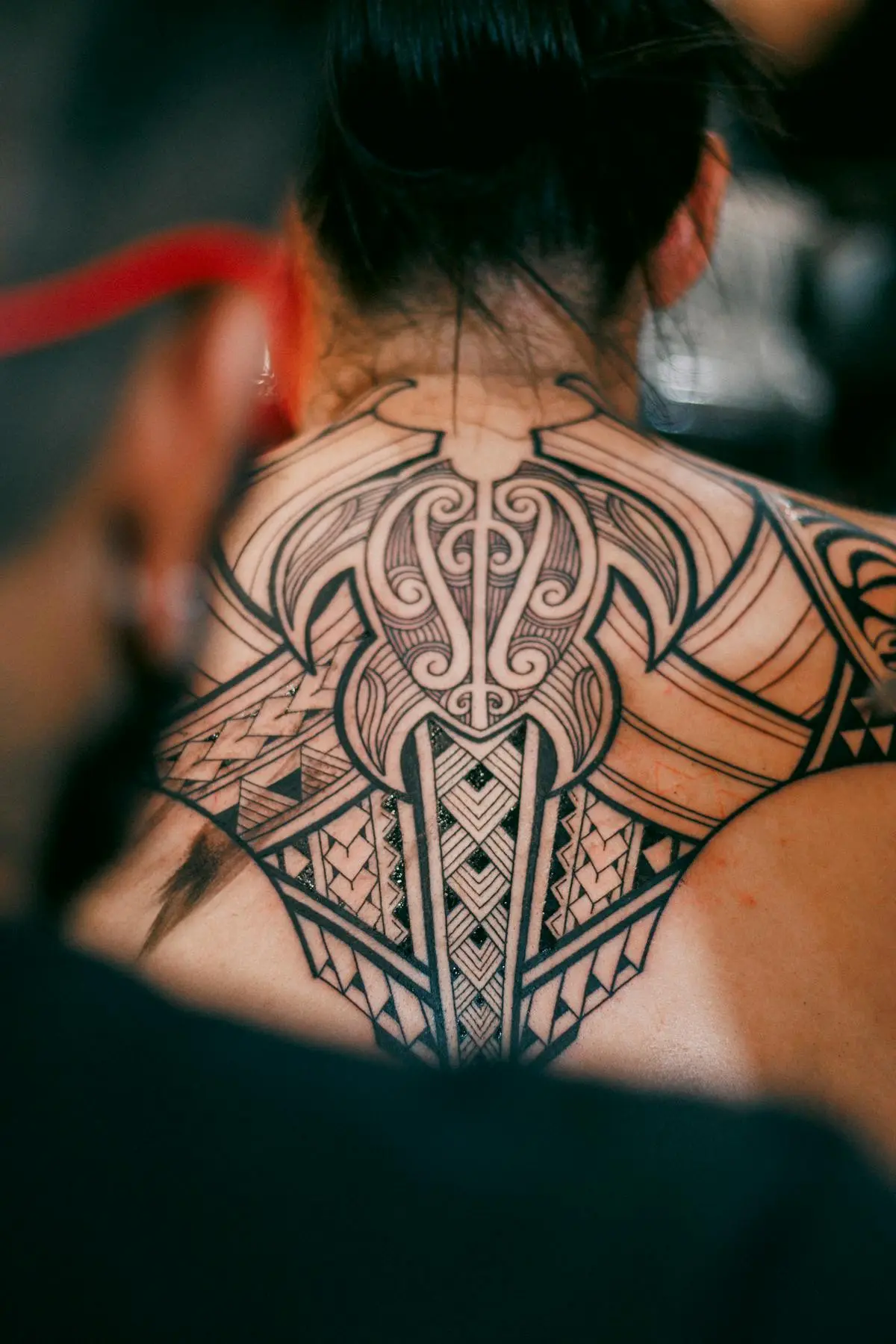
- Composition and line hierarchy matter: bolder outer lines and finer interior detail give the piece the readability it needs to hold up over years.
Common questions about Illustrative aging
Do illustrative tattoos age well?
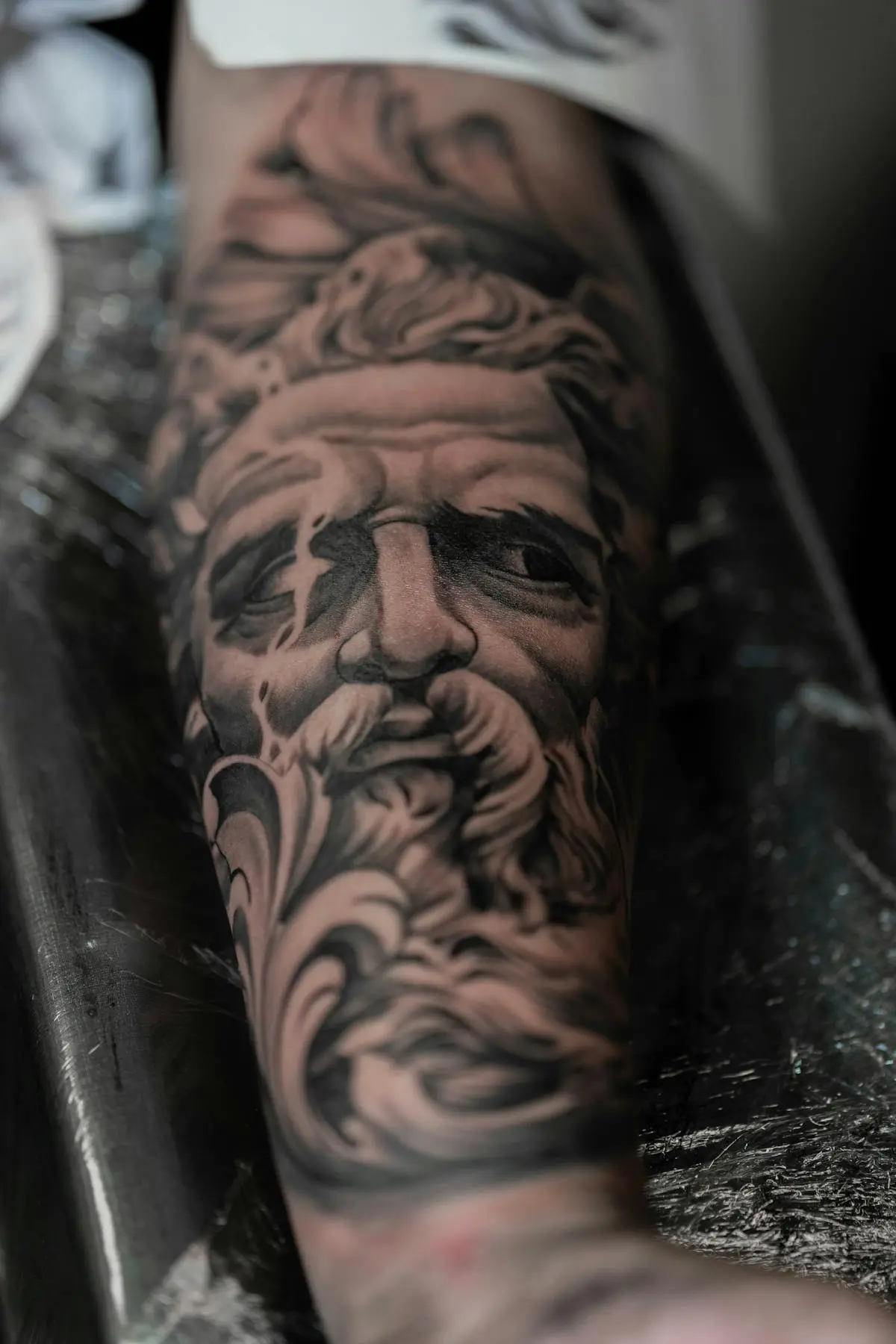
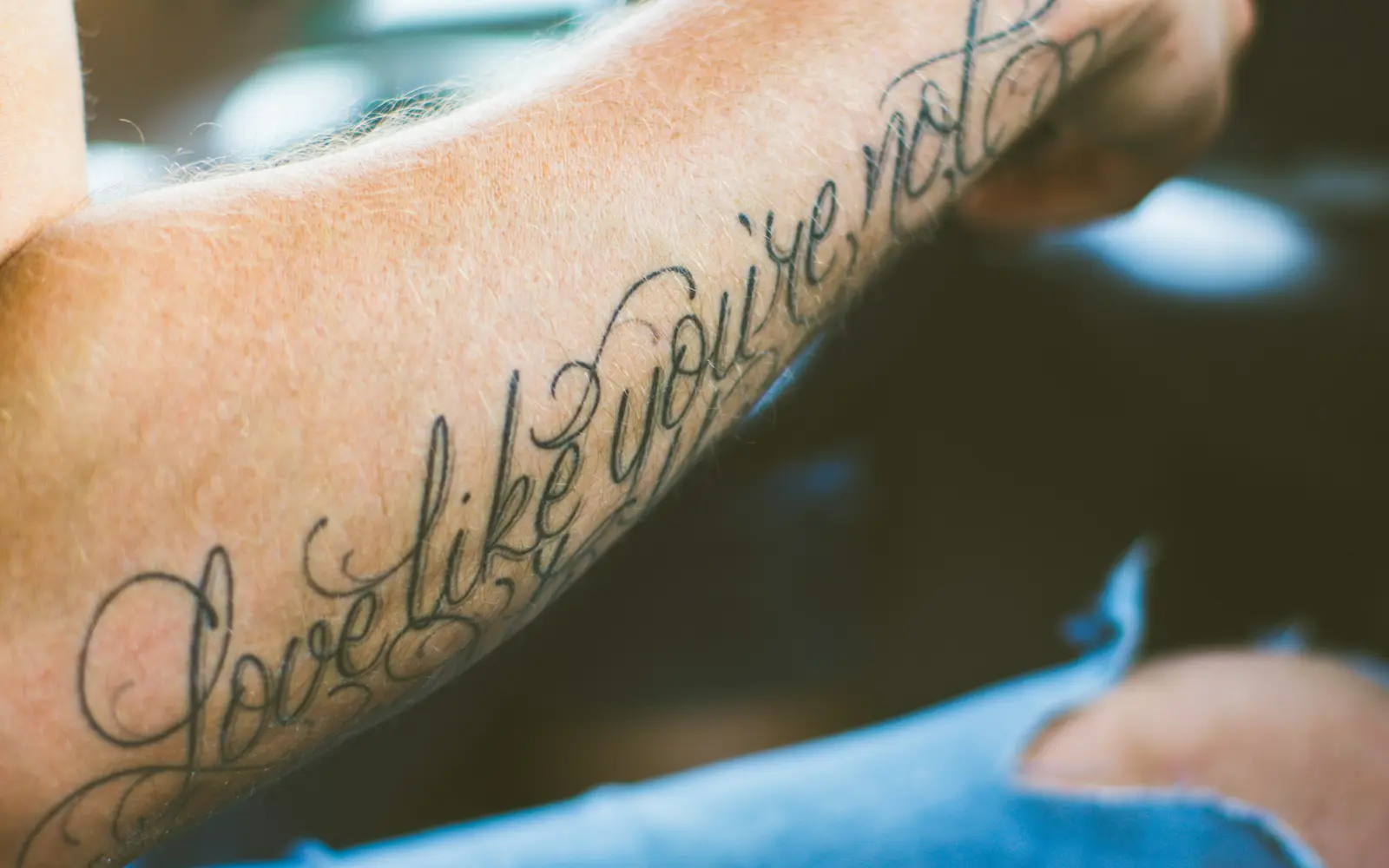
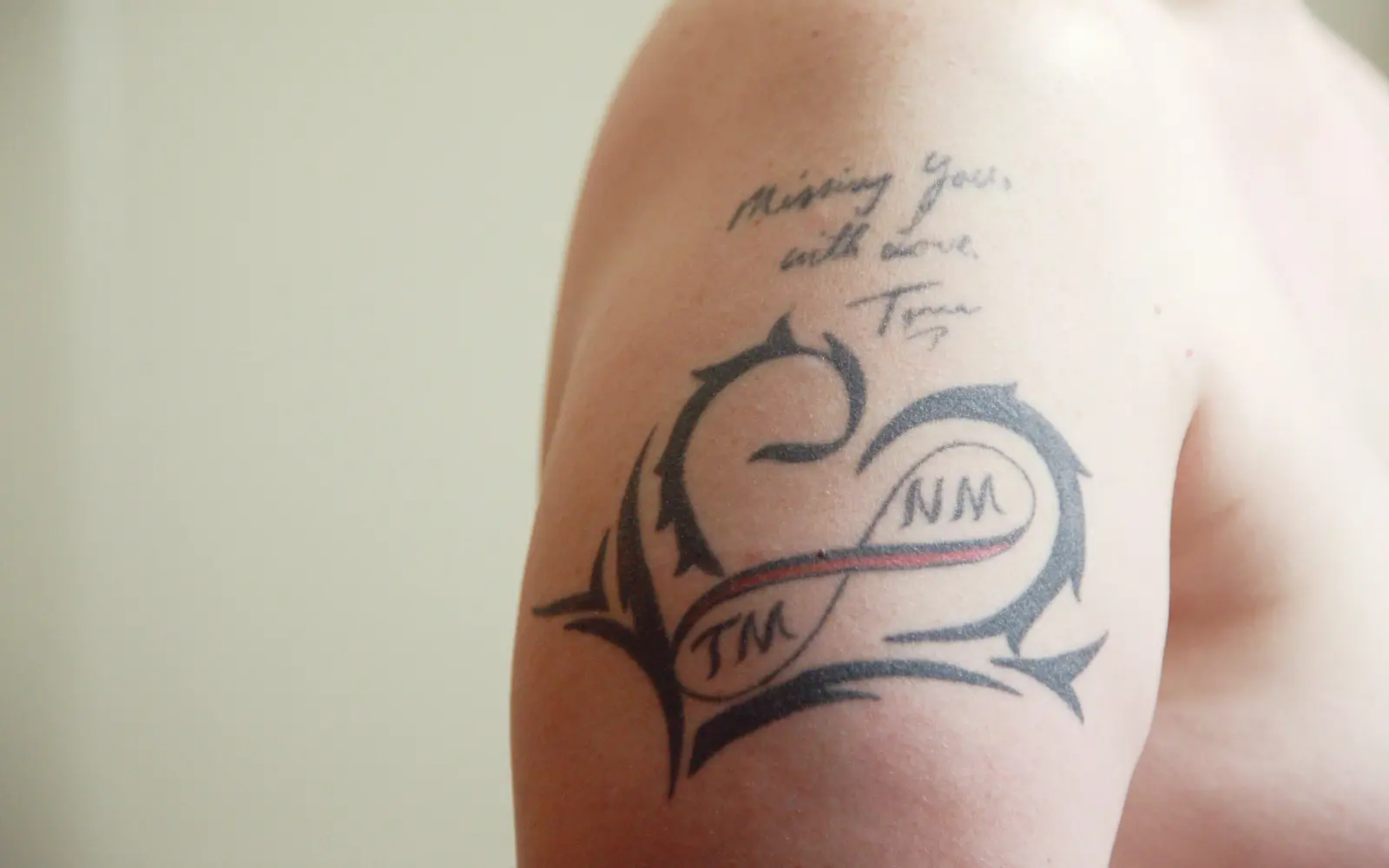
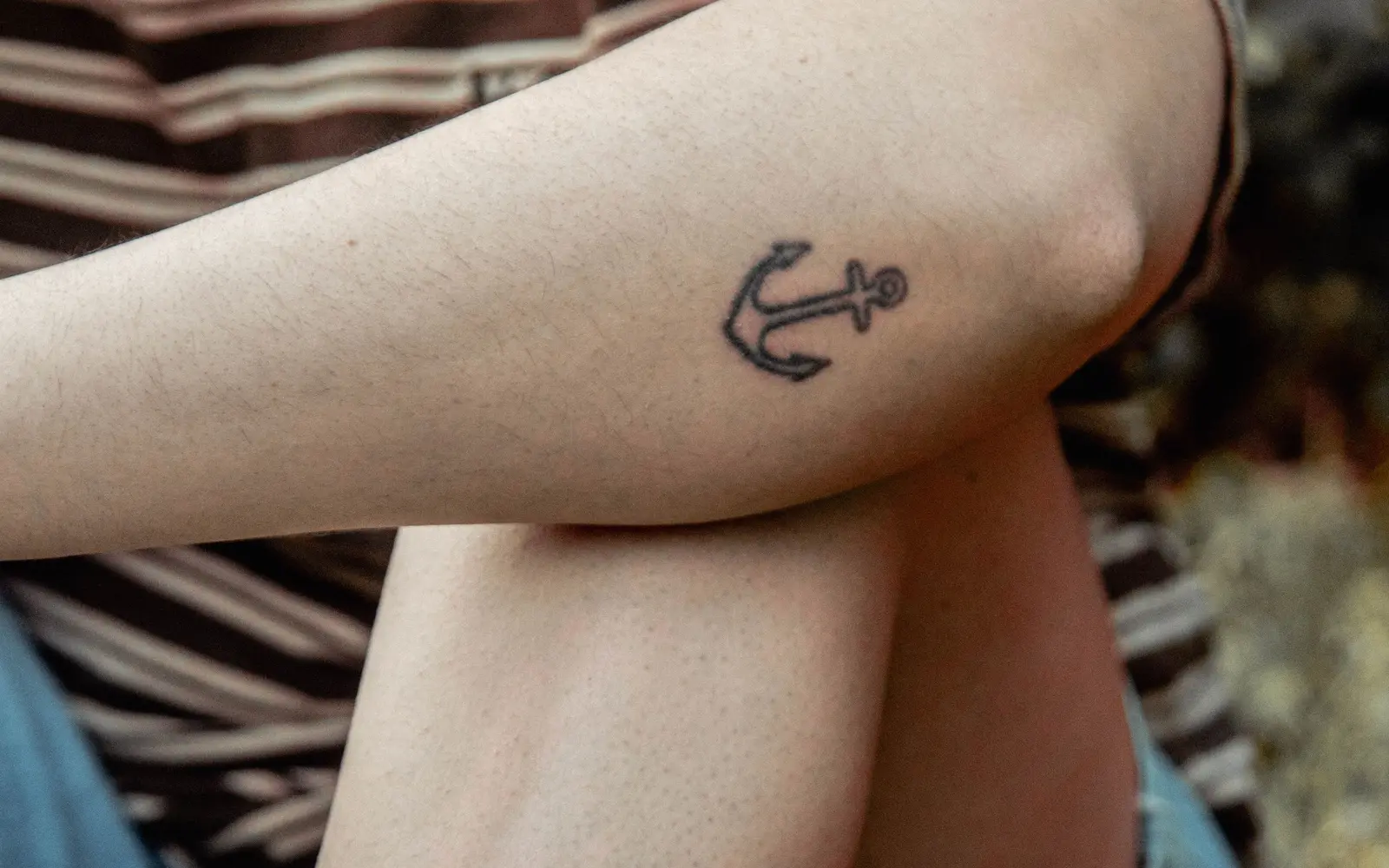
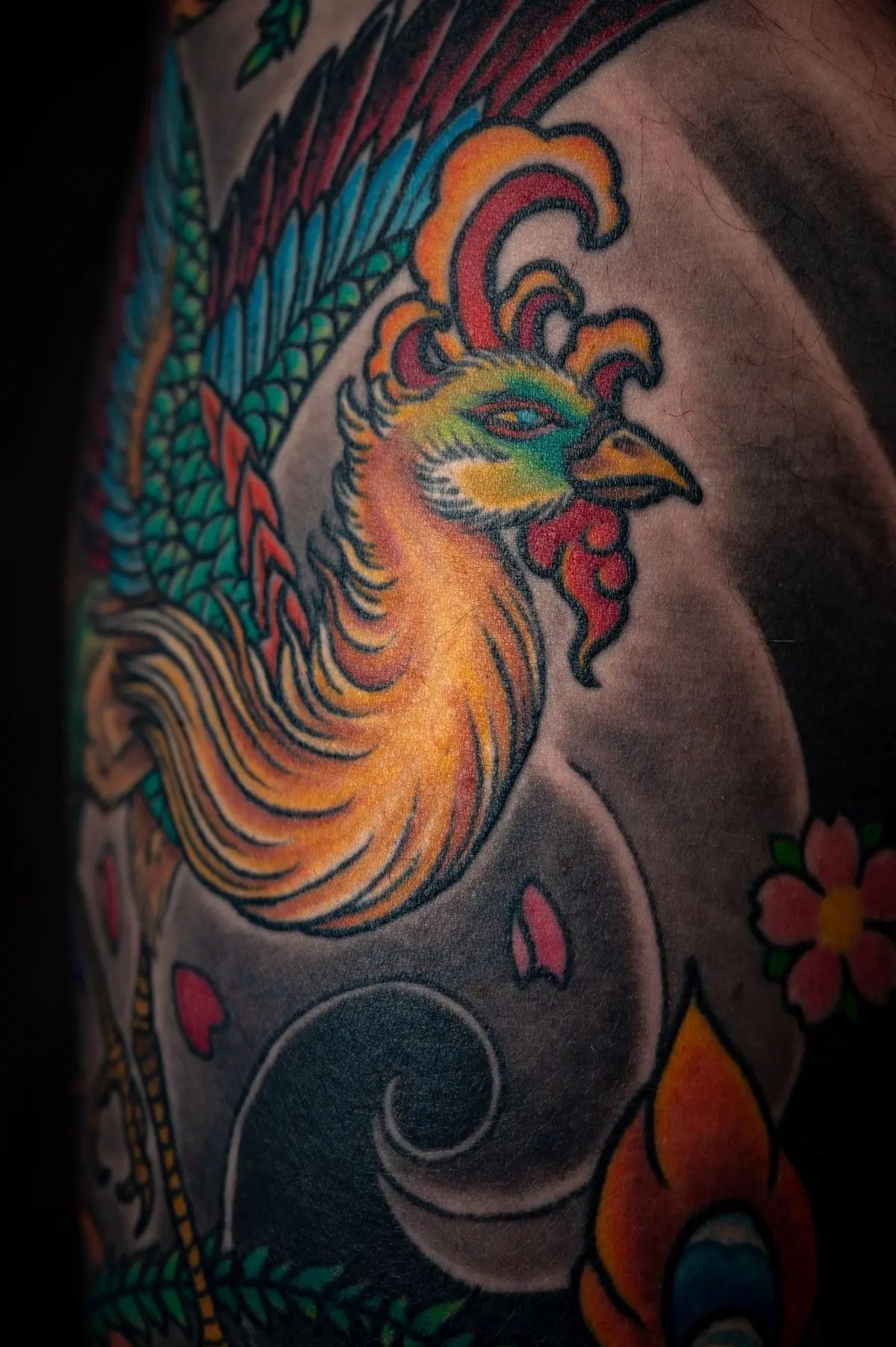
They can age very well when the composition has clear outlines, enough negative space, and detail sized for the placement. Sketchy effects still need deliberate structure; tiny hatching and crowded interior marks are the first elements likely to soften together.
Placement matters as much as style
Friction and sun drive aging more than anything else. Ourplacement guide groups the body into three tiers, which are the same tiers the simulator uses:
- Low wear: outer forearm, outer upper arm, calf, outer thigh, upper back, chest.
- Medium wear: inner bicep, inner forearm, inner thigh, ribs, lower belly.
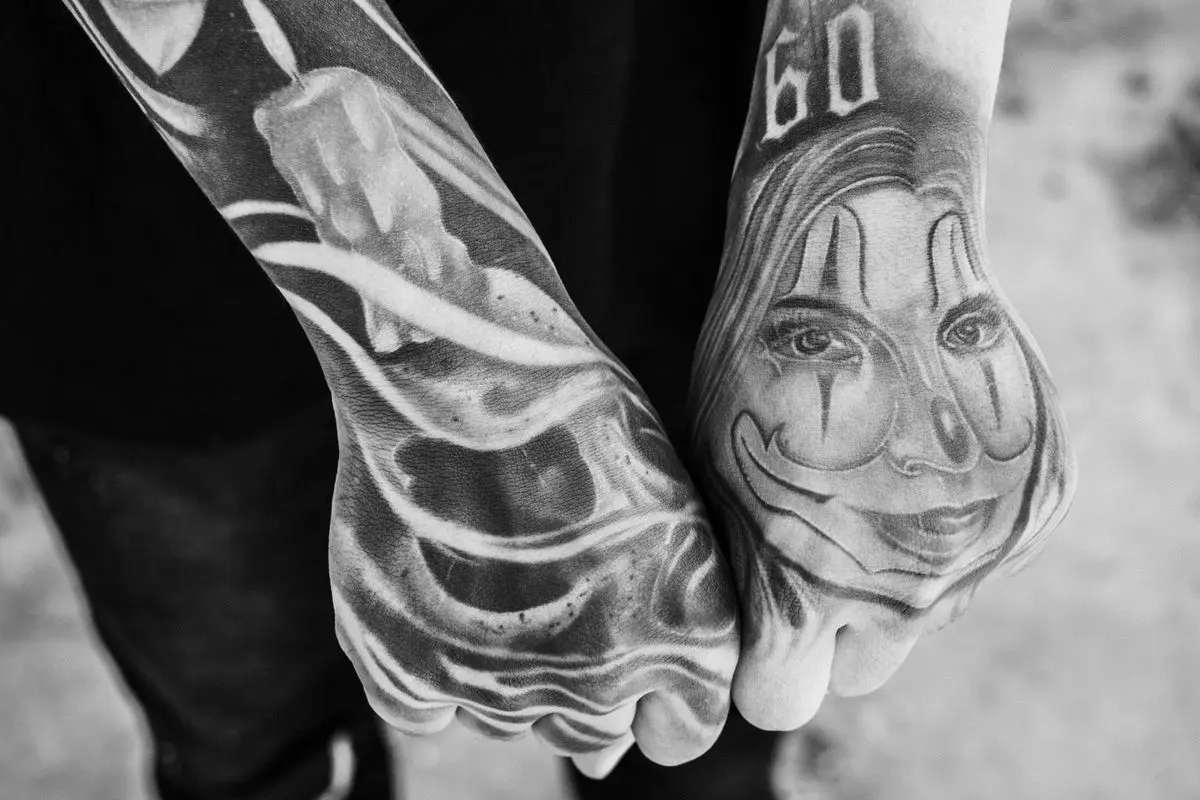
- High wear: fingers, knuckles, hands, top of foot, behind the ear.
Whatever the style, the habits that slow fading are the same: sunscreen on healed skin, a proper heal in the first weeks, and a touch-up when it needs one. Thewhy tattoos fade guide and thetouch-up guide cover both.