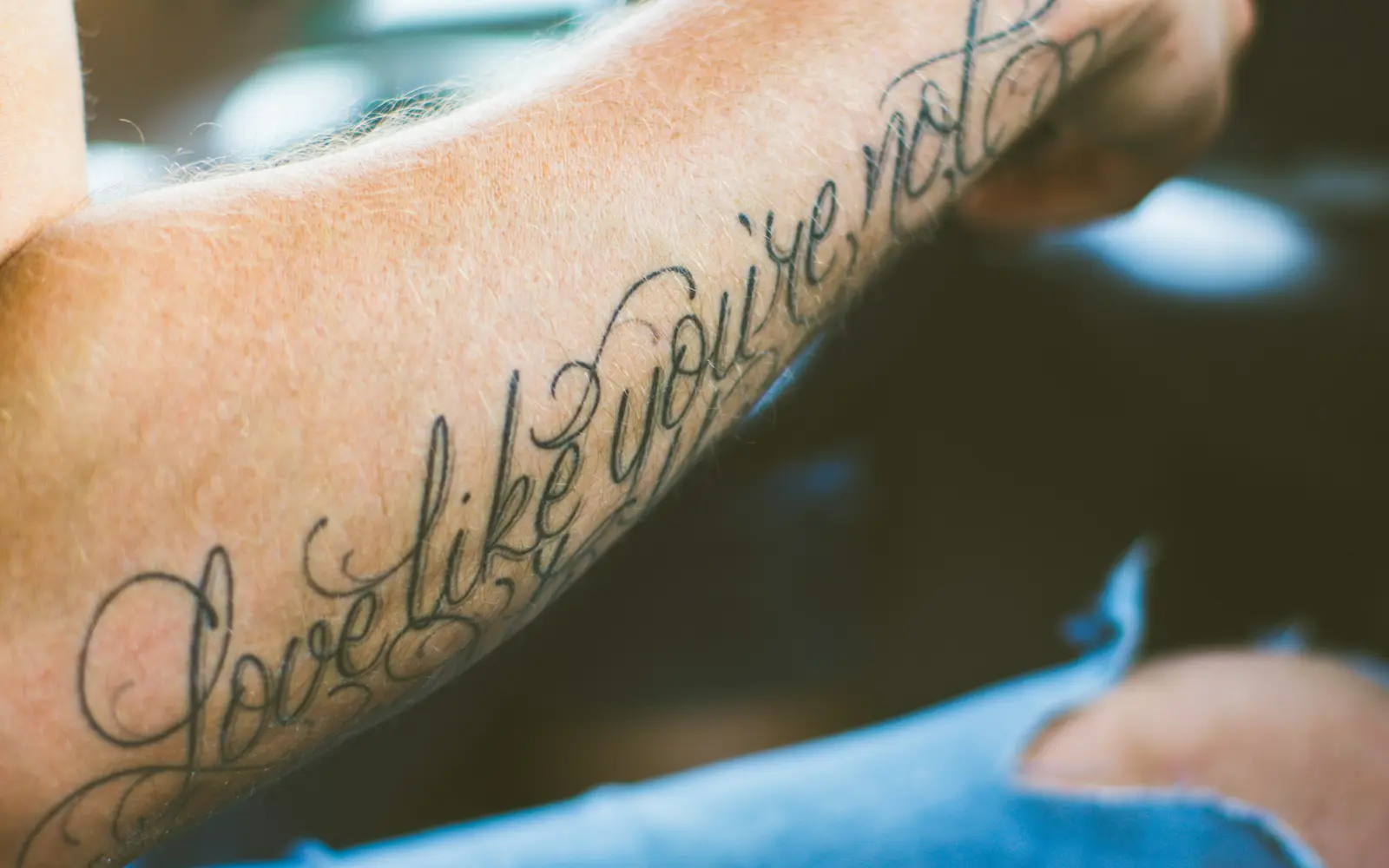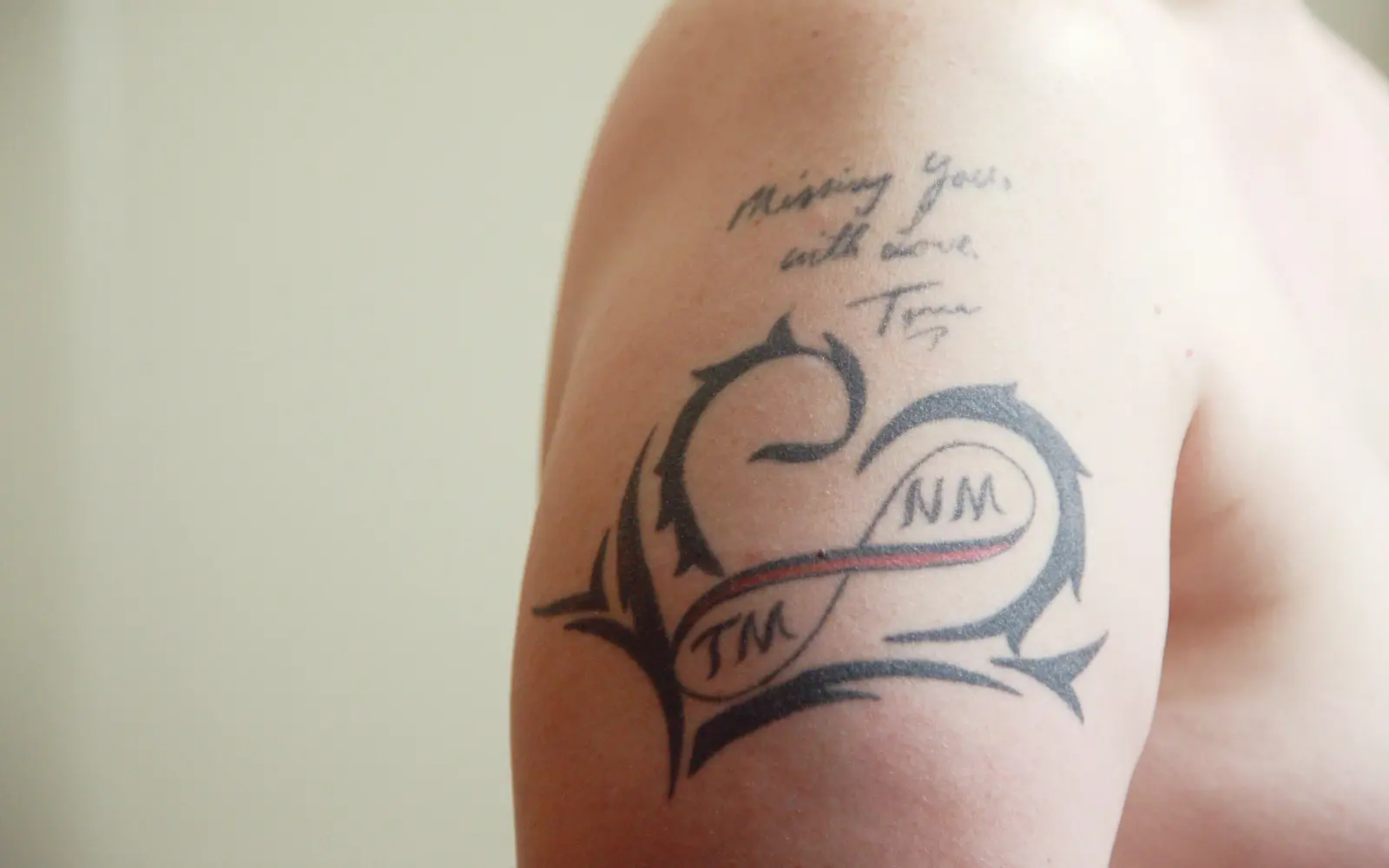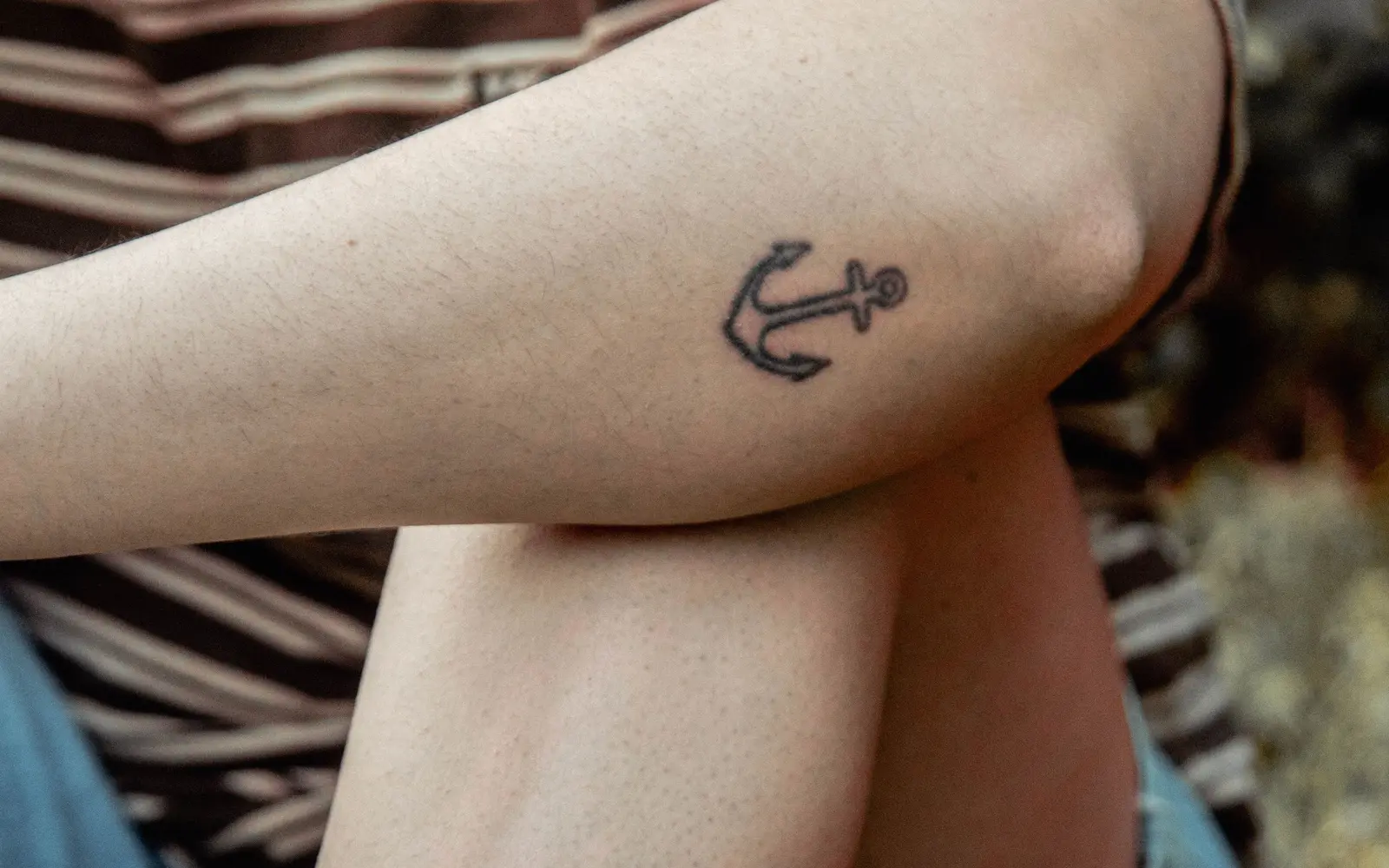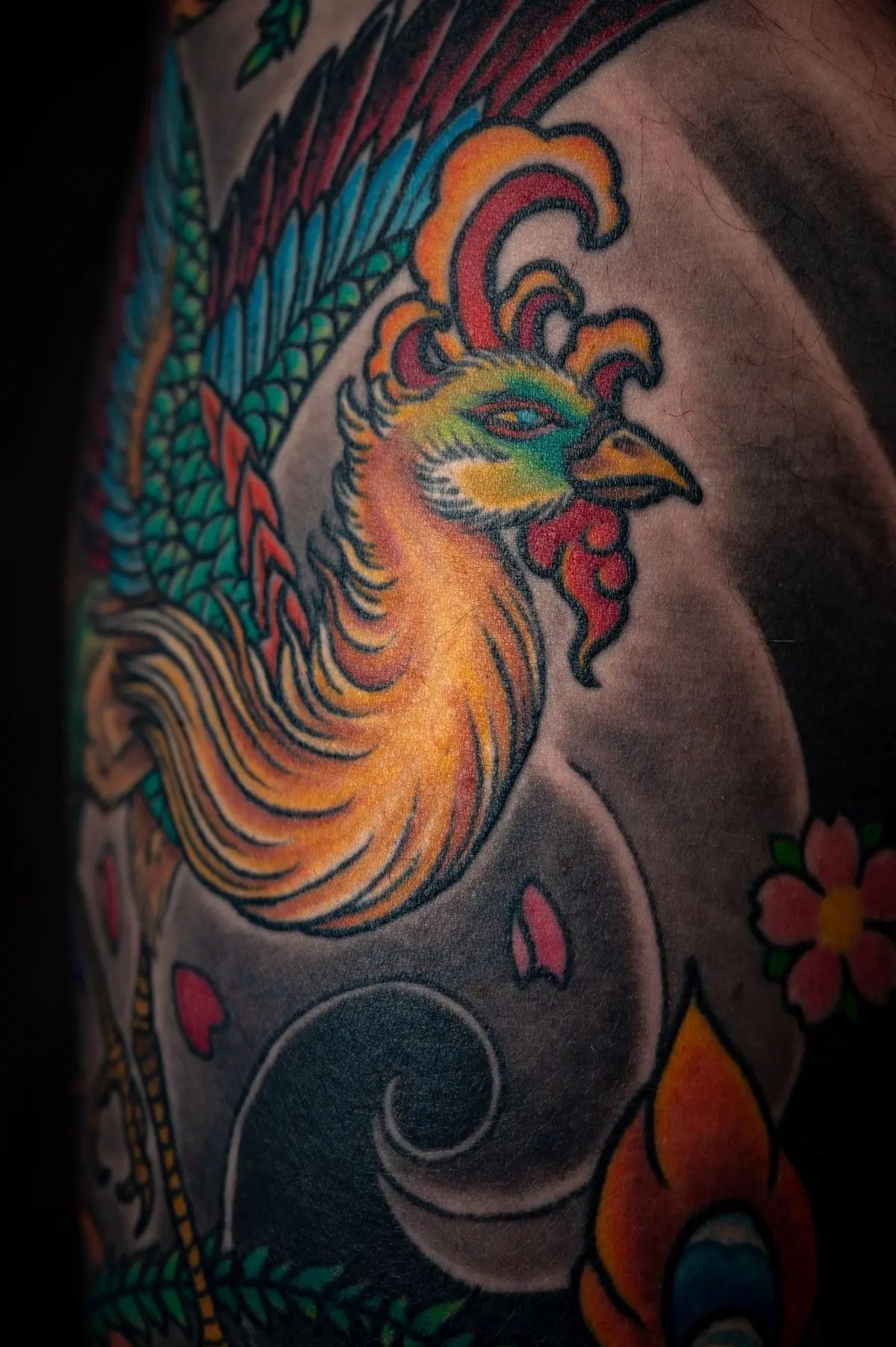
The one thing to watch
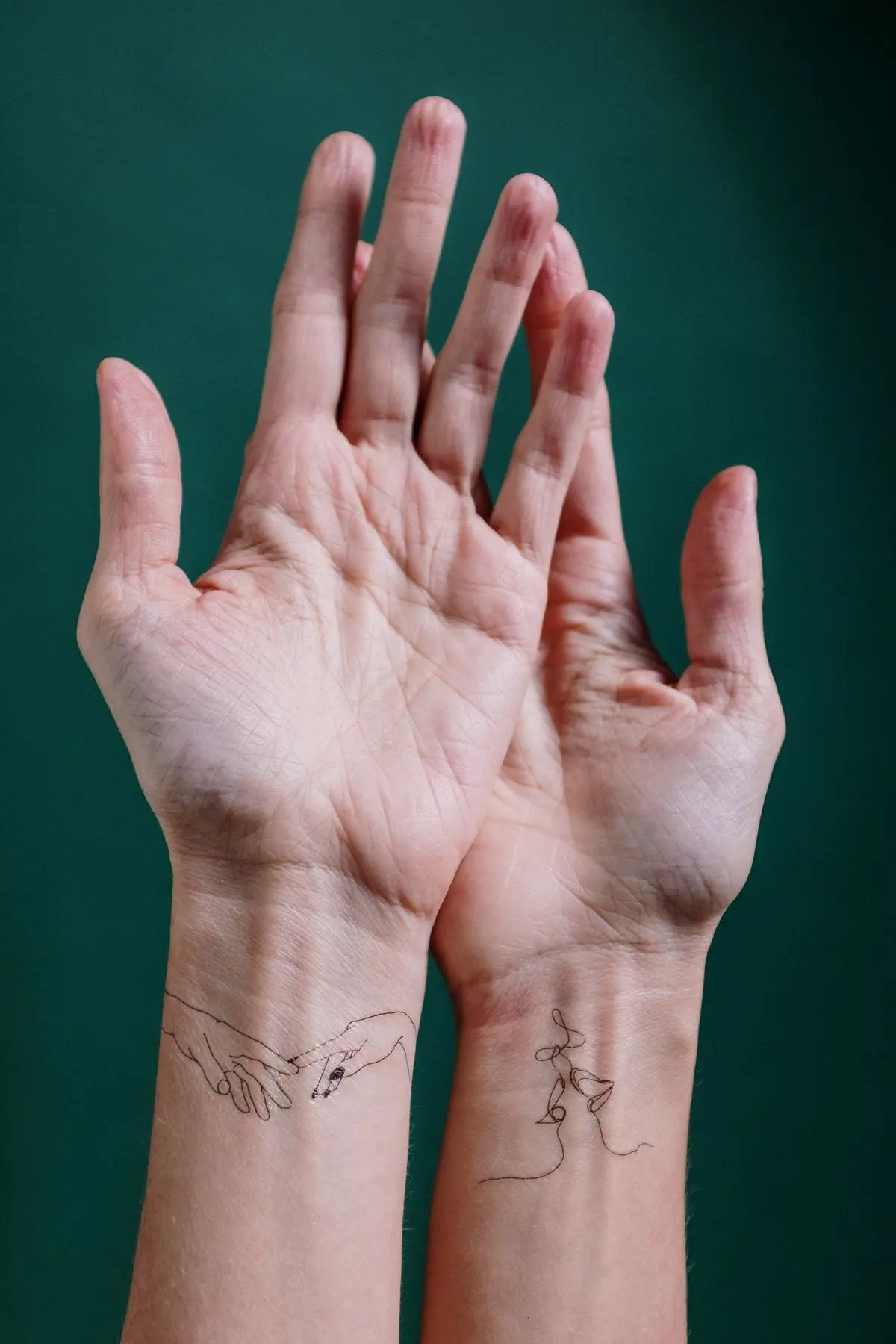
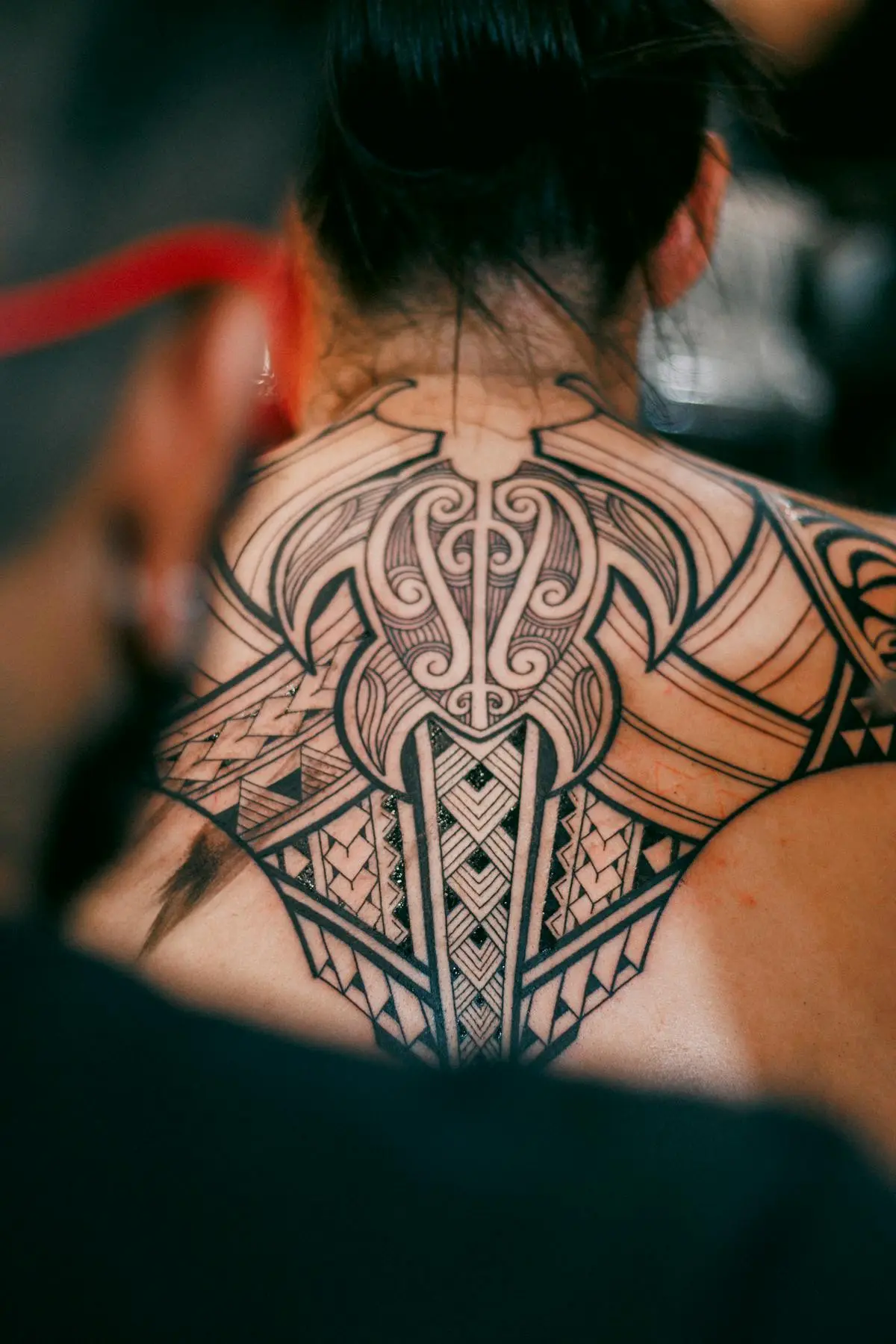
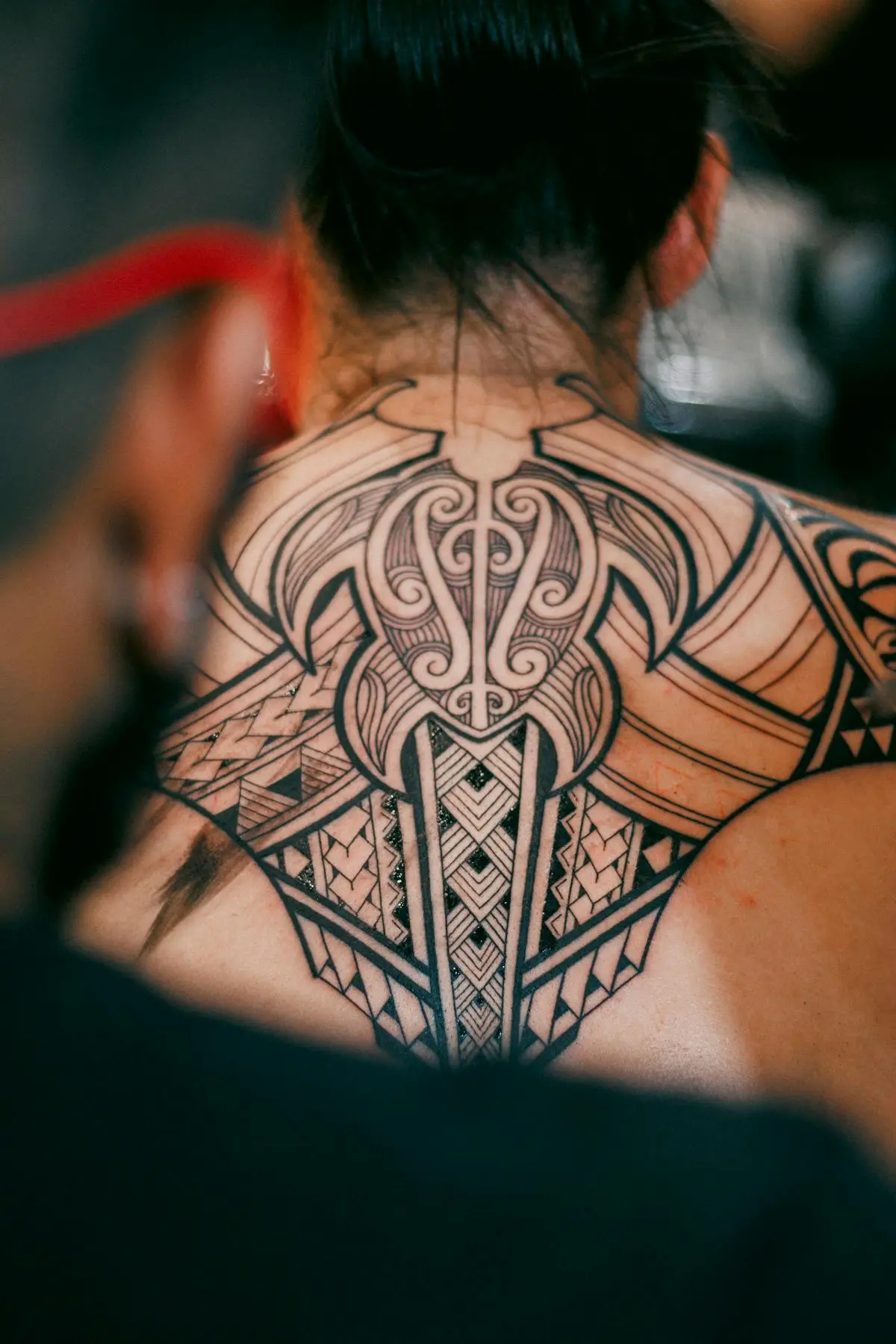
Negative-space width. Gaps that look generous now are the ones that survive.
What the style itself demands
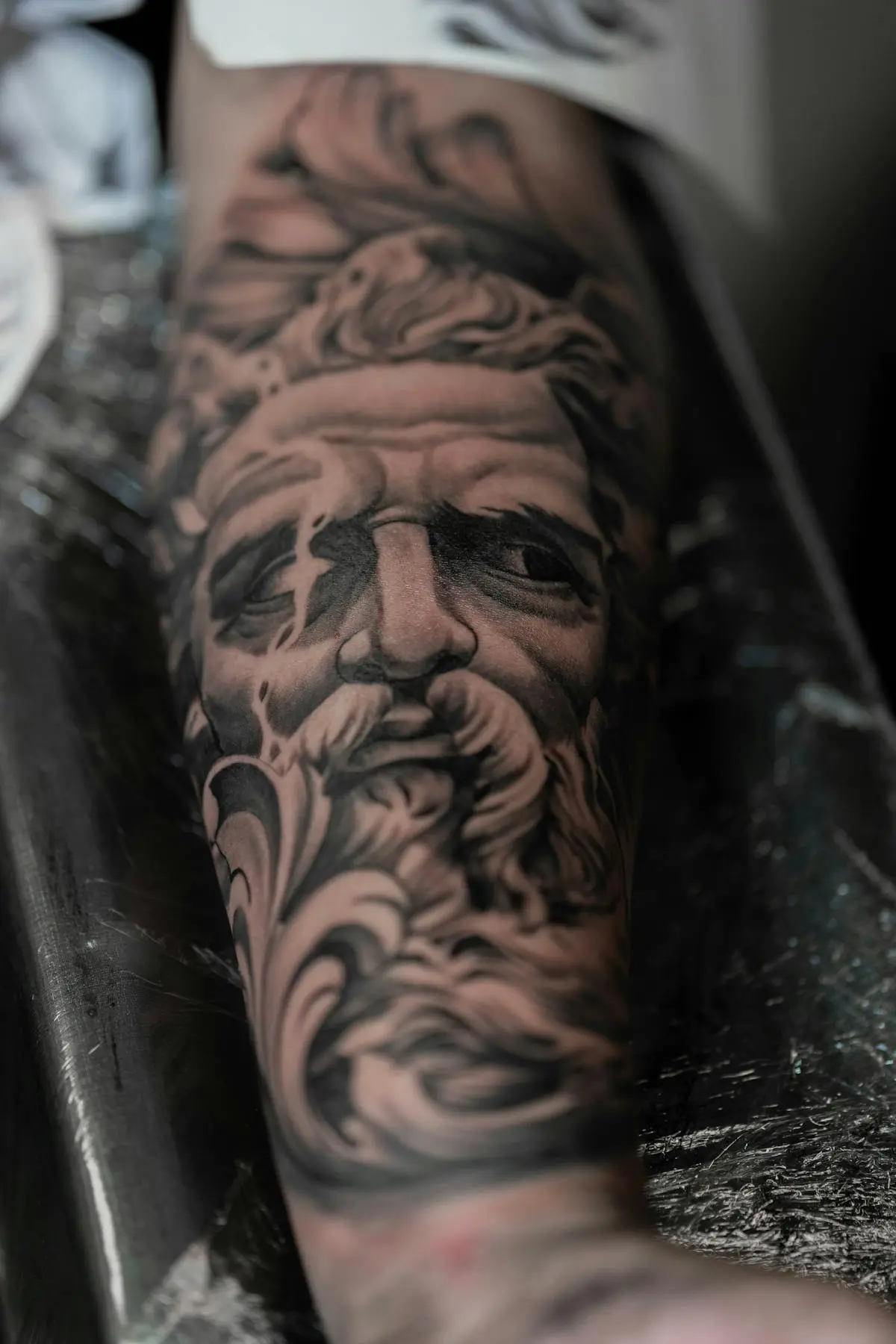
From the Blackwork style guide, the rules that decide how well it lasts:
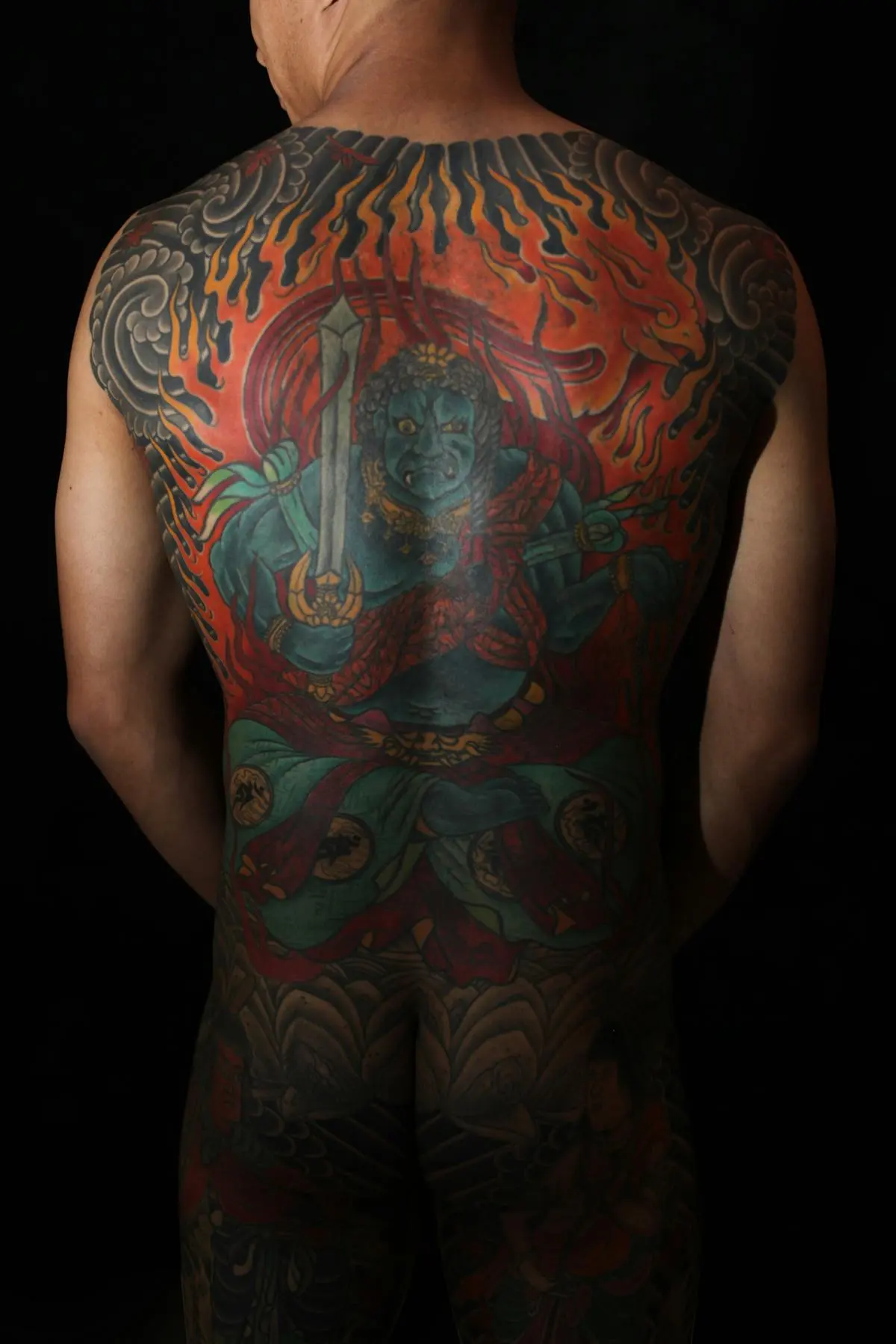
- Scale-friendly. Blackwork holds at large and small scales better than most styles, and heavy black fills age exceptionally well.
- No grey wash allowed. If you see grey shading, it is not blackwork, it is black-and-grey. They are different styles with different aesthetics and aging characteristics.
Common questions about Blackwork aging
Does blackwork hold up over time?
It's the most durable tattoo option available. Dense black fills may spread fractionally at the edges over decades, but they don't fade the way color or grey wash does. A well-packed solid fill at 30 years will still read as clean, deep black.
Placement matters as much as style
Friction and sun drive aging more than anything else. Ourplacement guide groups the body into three tiers, which are the same tiers the simulator uses:
- Low wear: outer forearm, outer upper arm, calf, outer thigh, upper back, chest.
- Medium wear: inner bicep, inner forearm, inner thigh, ribs, lower belly.
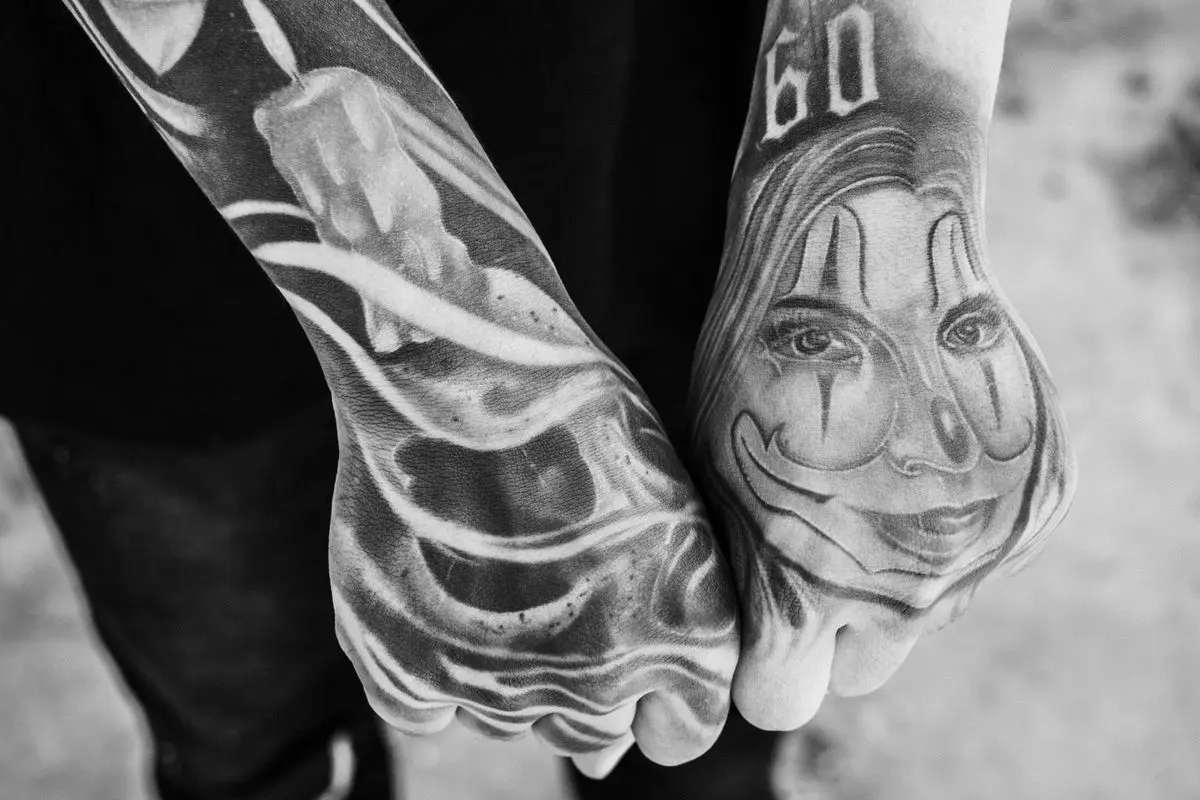
- High wear: fingers, knuckles, hands, top of foot, behind the ear.
Whatever the style, the habits that slow fading are the same: sunscreen on healed skin, a proper heal in the first weeks, and a touch-up when it needs one. Thewhy tattoos fade guide and thetouch-up guide cover both.