The one thing to watch
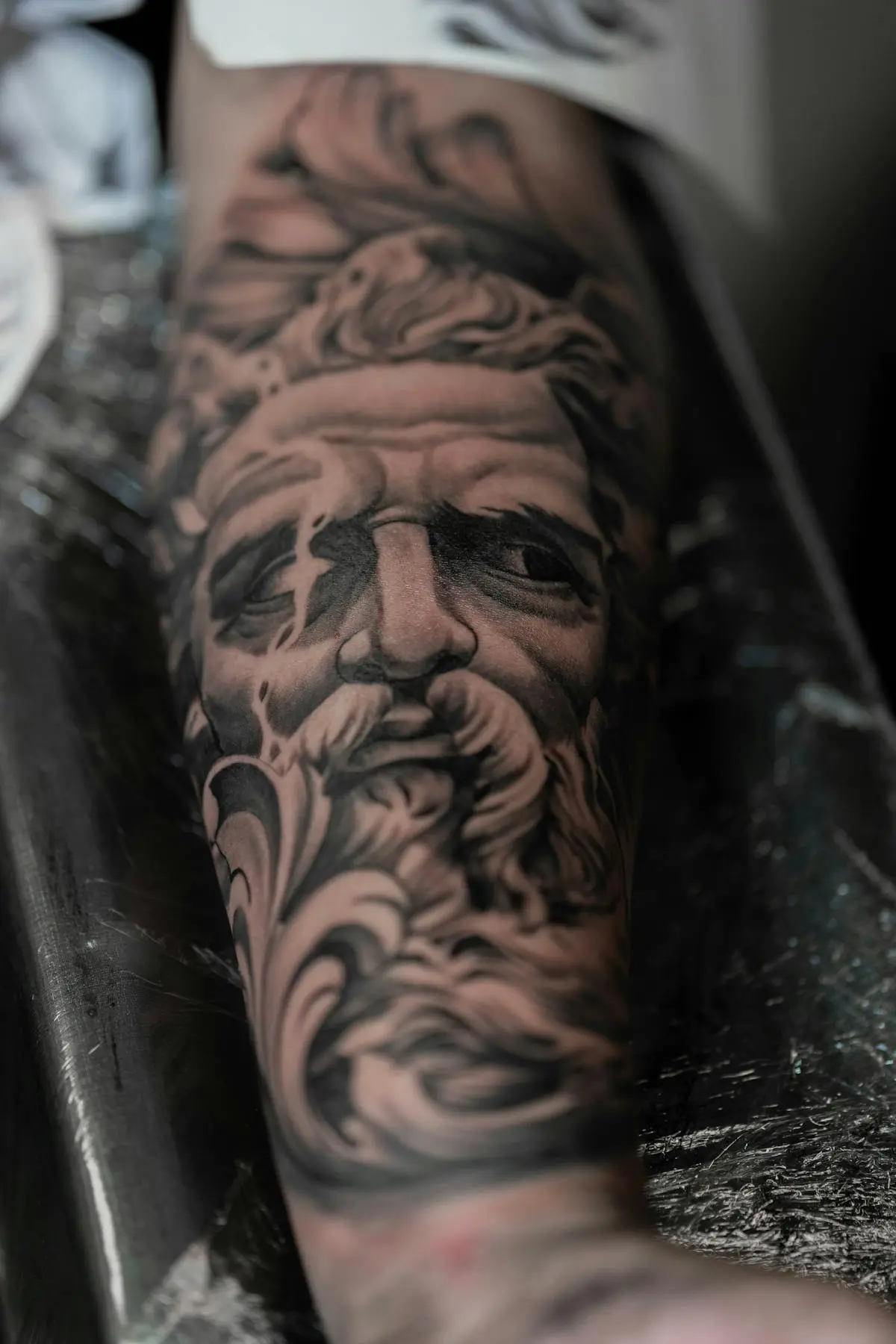
Contrast. Ask to see healed realism from your artist several years out.
What the style itself demands
From the Realism style guide, the rules that decide how well it lasts:
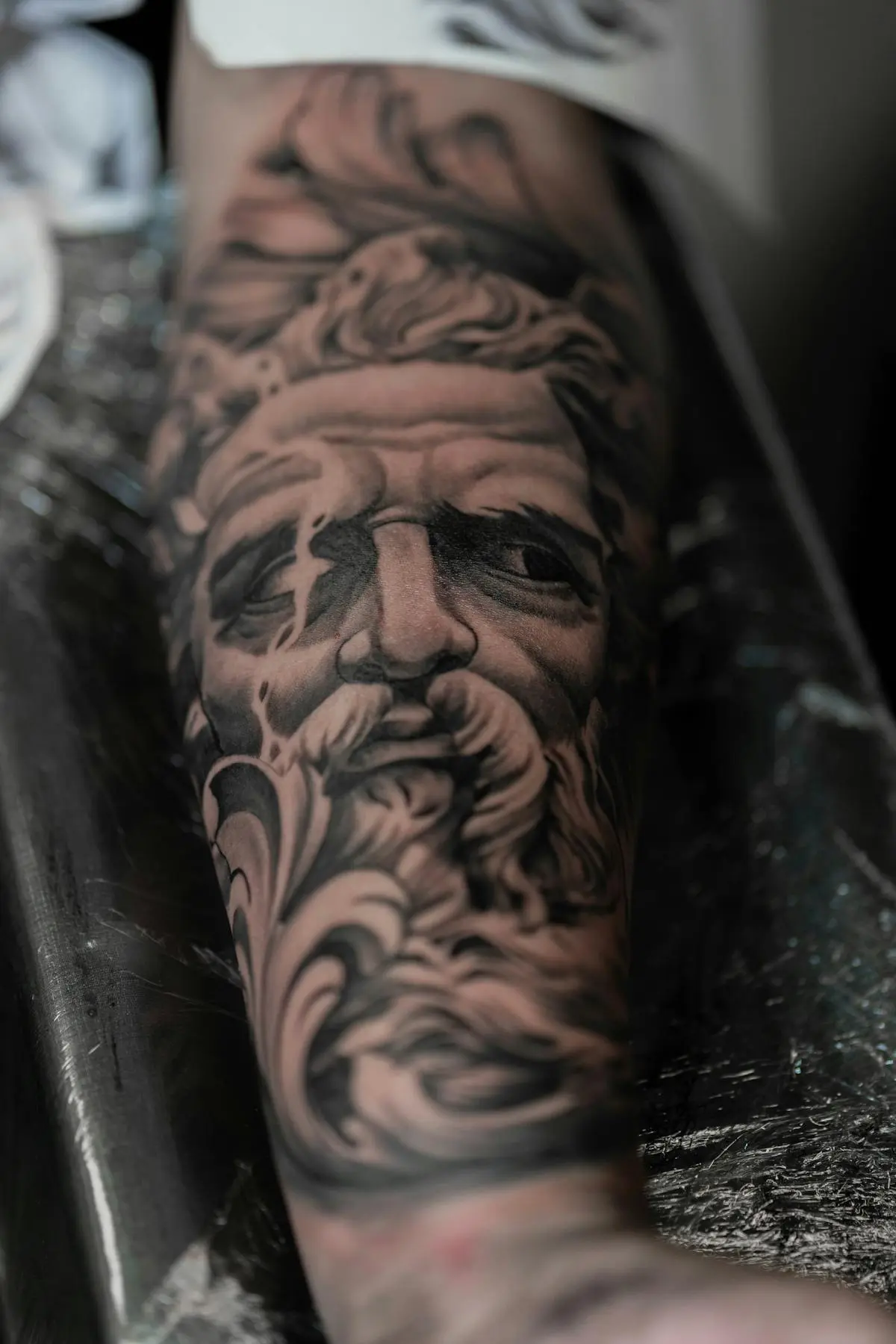
- Ink saturation is everything: realistic tattoos depend on dense, smooth ink packing. Areas that look photographic when fresh but fade to a patchy grey within two years are a sign of poor ink saturation during the initial session.
- Large scale holds better: realism degrades at small scale because fine detail closes up as ink spreads over time. Experienced realism artists will require adequate size for portrait-level detail.
Placement matters as much as style
Friction and sun drive aging more than anything else. Ourplacement guide groups the body into three tiers, which are the same tiers the simulator uses:
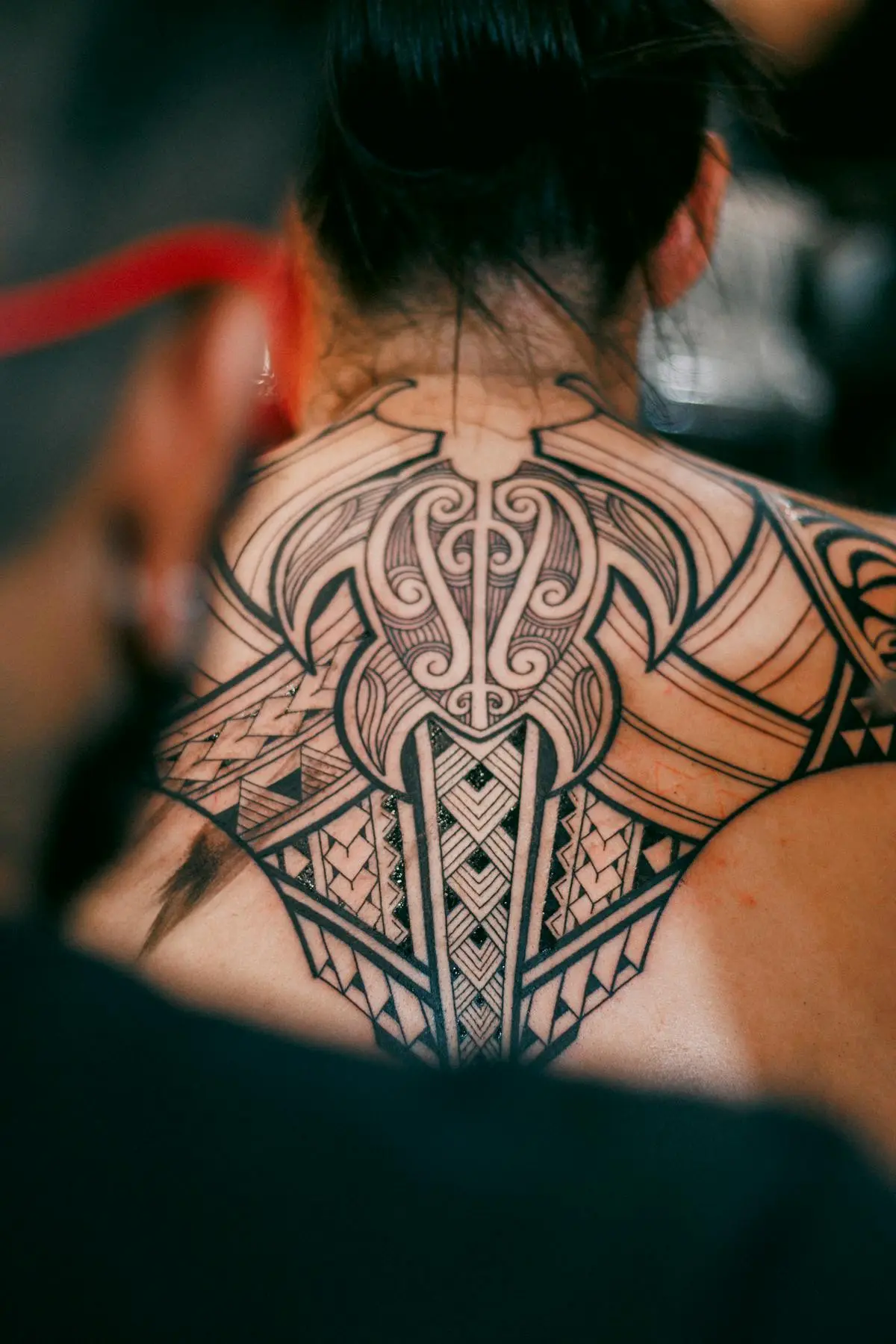
- Low wear: outer forearm, outer upper arm, calf, outer thigh, upper back, chest.
- Medium wear: inner bicep, inner forearm, inner thigh, ribs, lower belly.
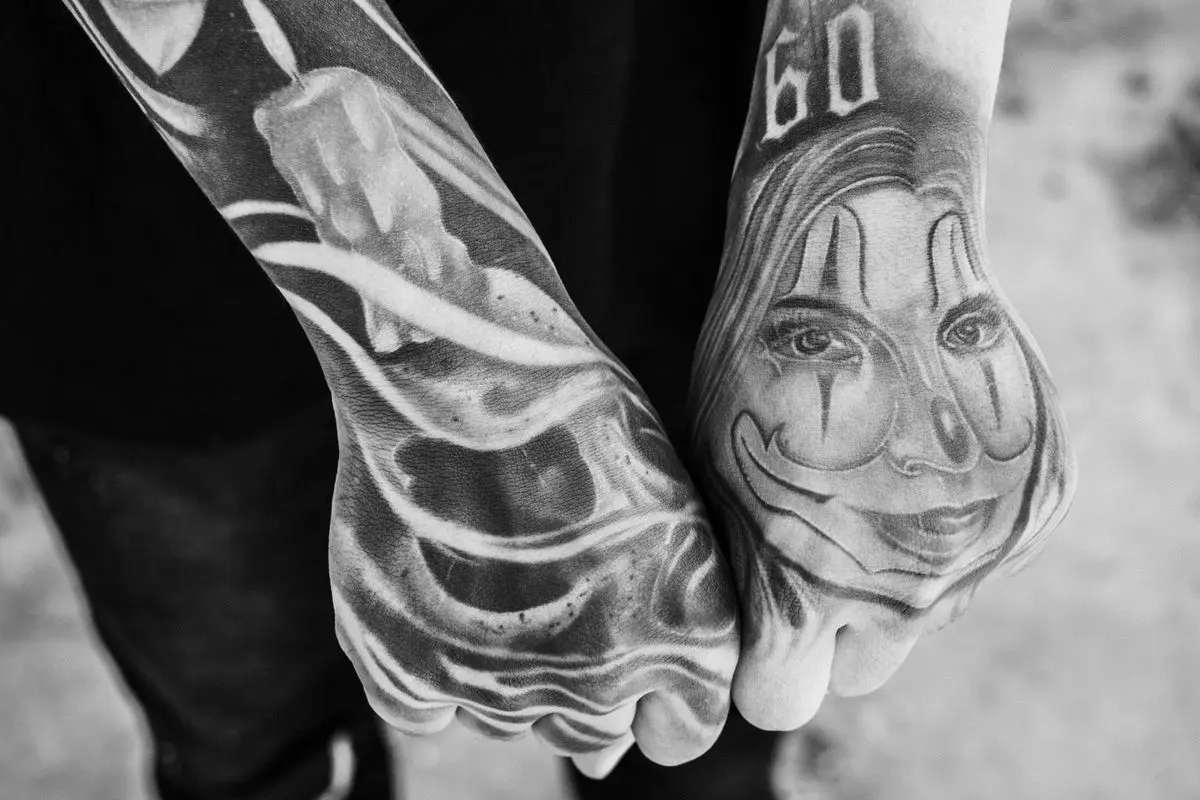
- High wear: fingers, knuckles, hands, top of foot, behind the ear.
Whatever the style, the habits that slow fading are the same: sunscreen on healed skin, a proper heal in the first weeks, and a touch-up when it needs one. Thewhy tattoos fade guide and thetouch-up guide cover both.