The one thing to watch
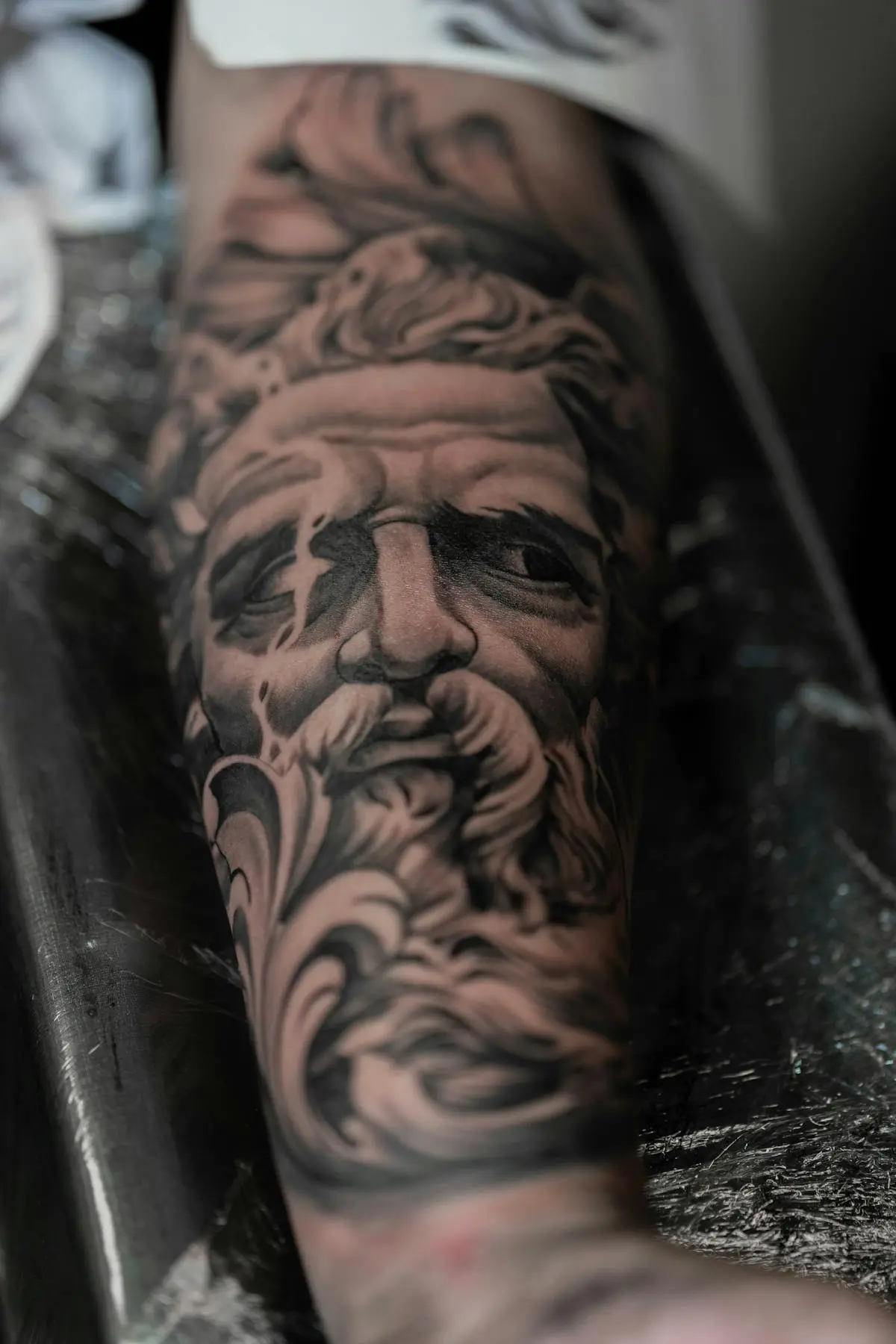
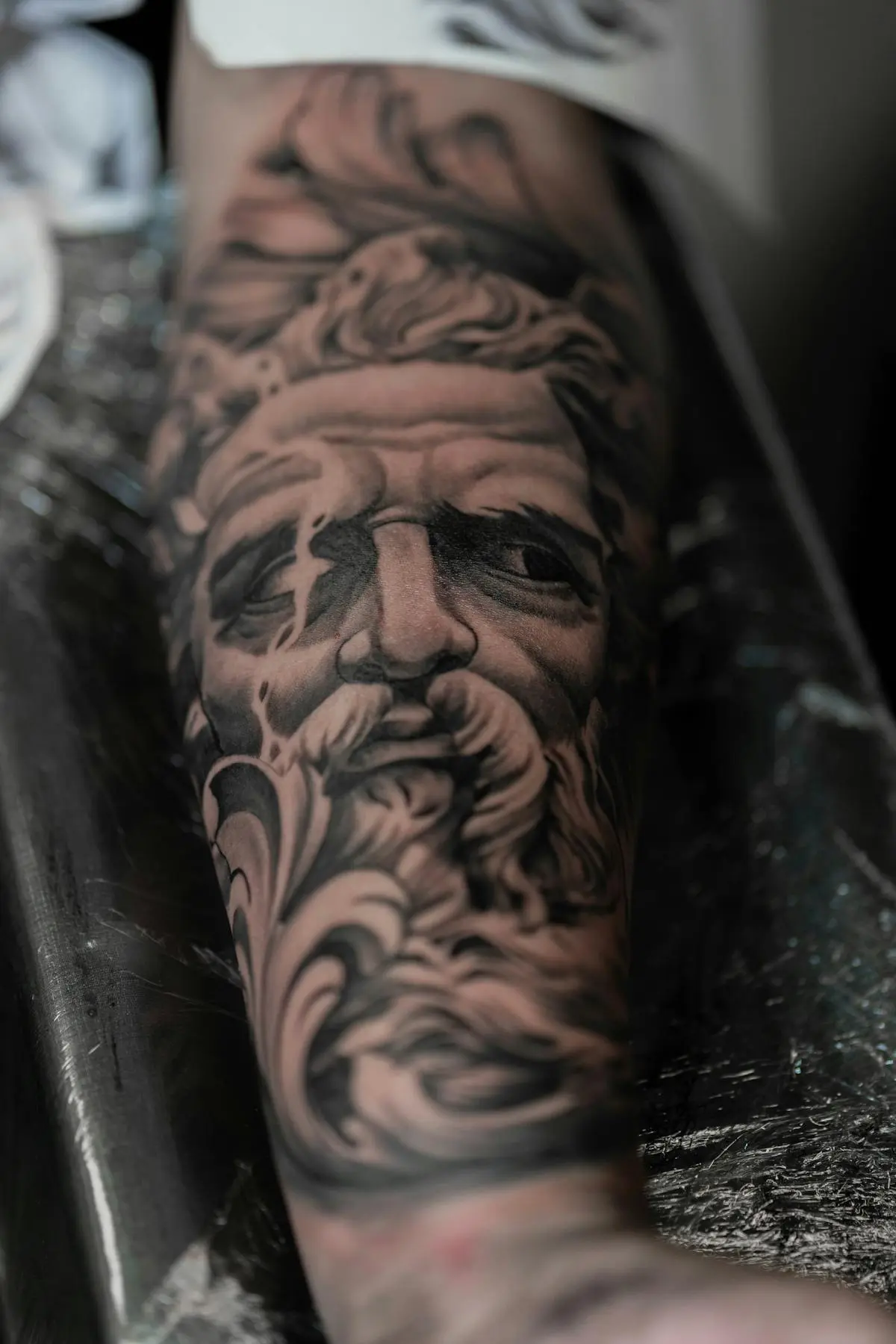
Face size. Small faces lose expression as lines soften.
What the style itself demands
From the Pinup style guide, the rules that decide how well it lasts:
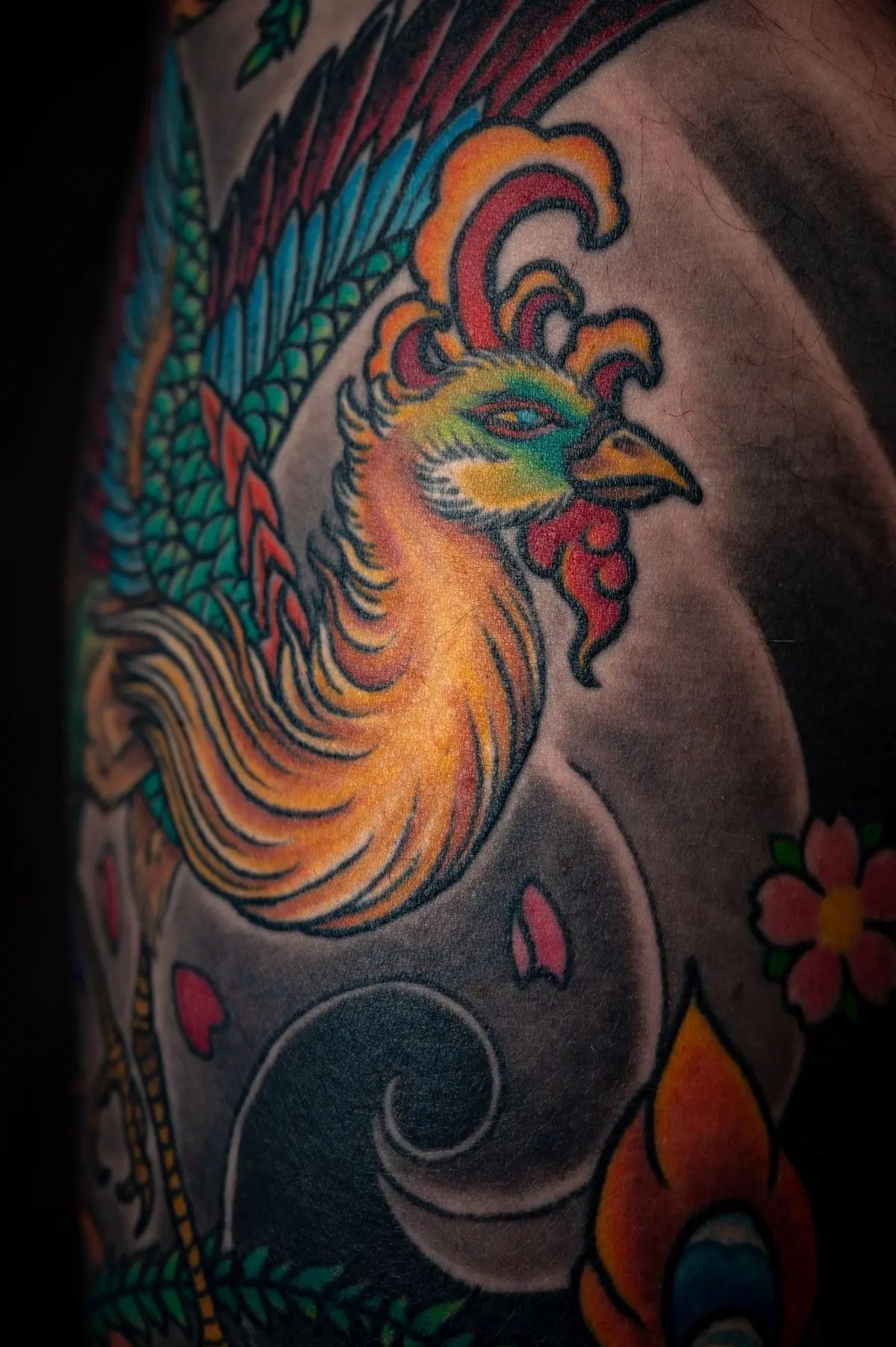
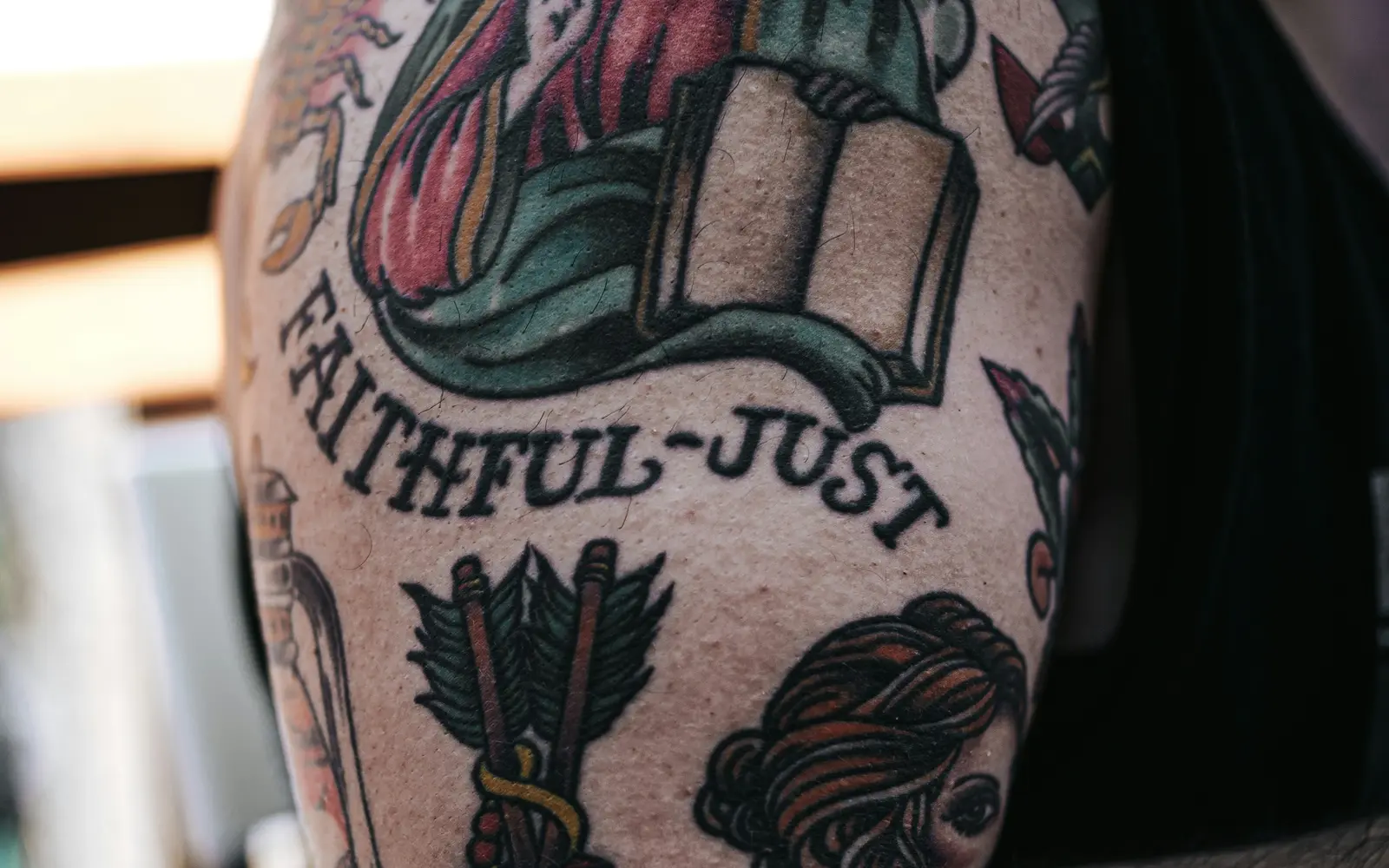
- Bold, clean outlines anchor the figure: the outline holds the illustration together across decades. Soft or fading outlines are the most common failure point in pinup work.
Common questions about Pinup aging
How does pinup hold up over time?
It ages the same way American Traditional does: very well. The bold outlines hold the composition intact through decades of ink migration. The flat color fills soften but don't muddy. Flesh tones are the most variable element; they can shift slightly, but because the palette is warm to begin with, the drift tends to be flattering rather than destructive. A well-executed pinup at 20 years usually still reads clearly.
Placement matters as much as style
Friction and sun drive aging more than anything else. Ourplacement guide groups the body into three tiers, which are the same tiers the simulator uses:
- Low wear: outer forearm, outer upper arm, calf, outer thigh, upper back, chest.
- Medium wear: inner bicep, inner forearm, inner thigh, ribs, lower belly.
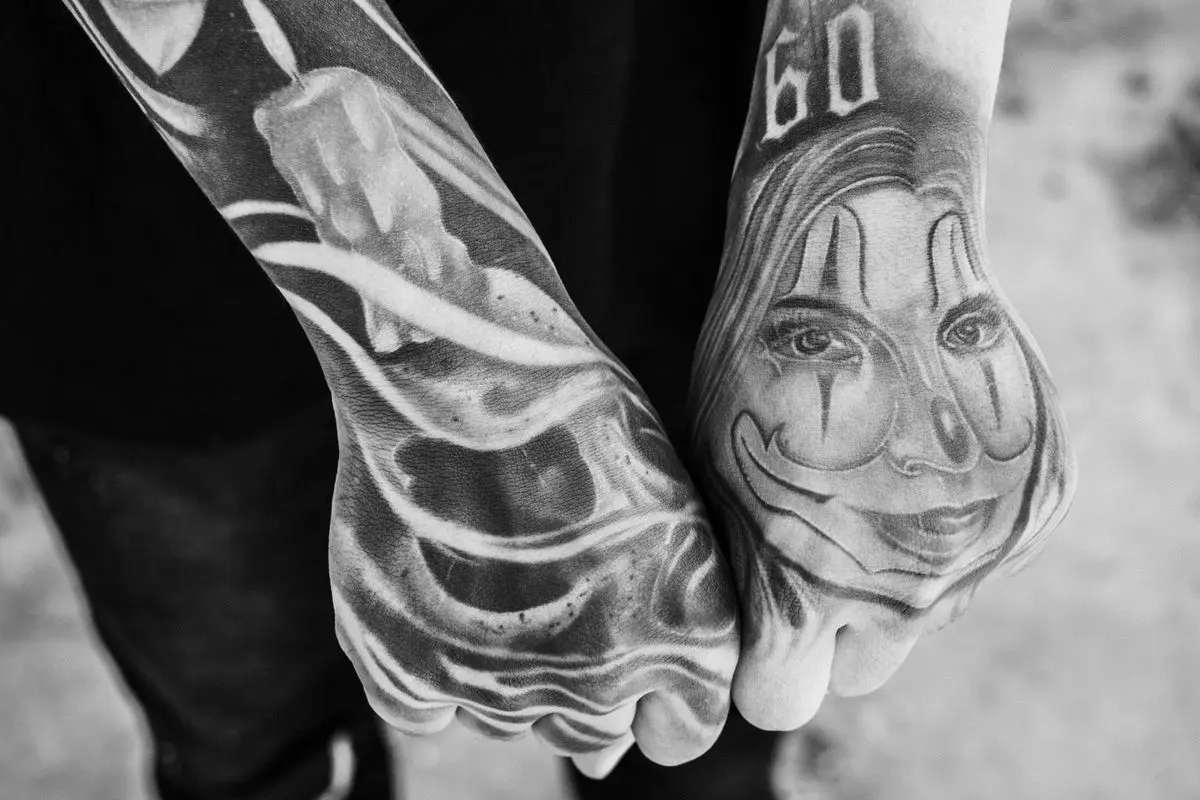
- High wear: fingers, knuckles, hands, top of foot, behind the ear.
Whatever the style, the habits that slow fading are the same: sunscreen on healed skin, a proper heal in the first weeks, and a touch-up when it needs one. Thewhy tattoos fade guide and thetouch-up guide cover both.