
Bold line & color
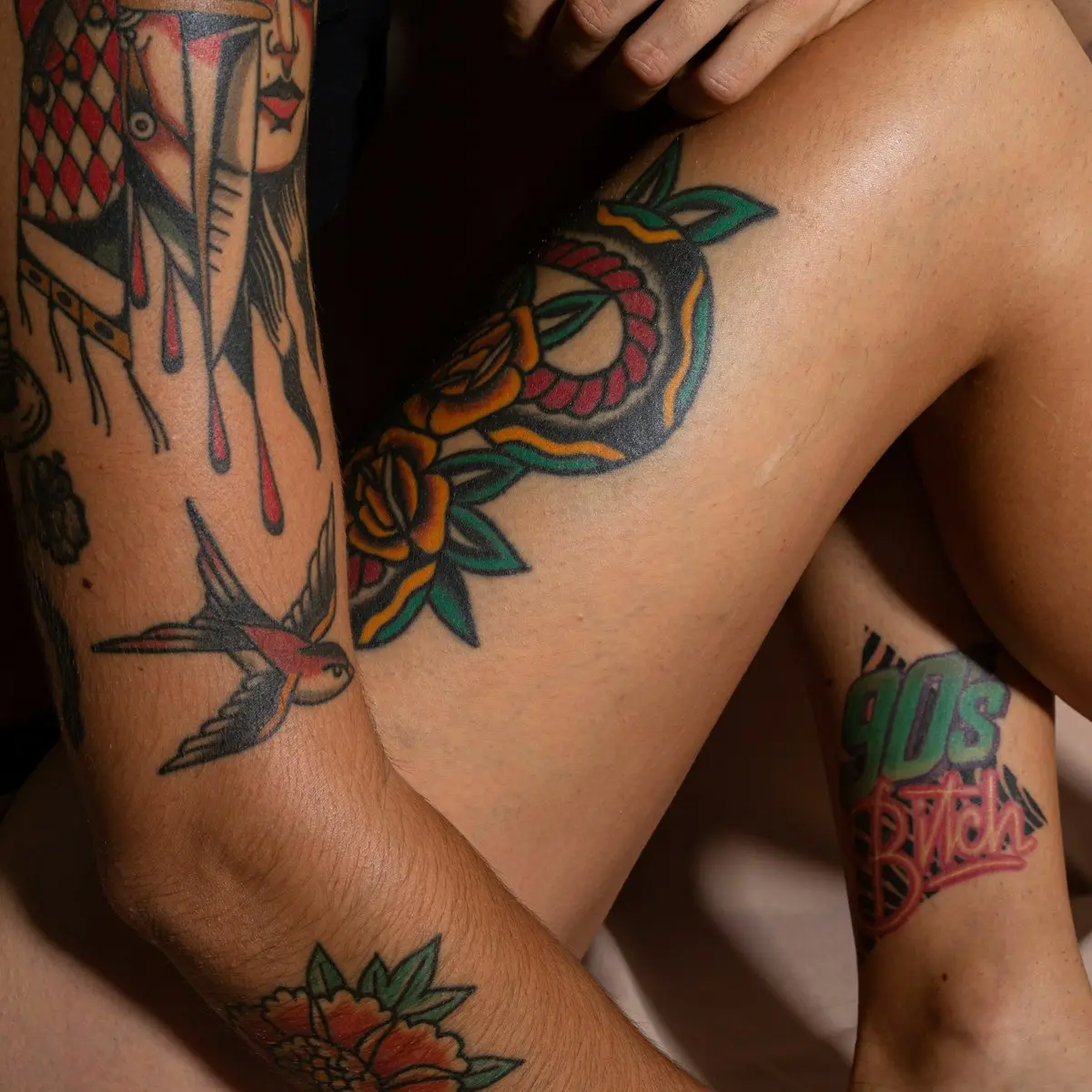
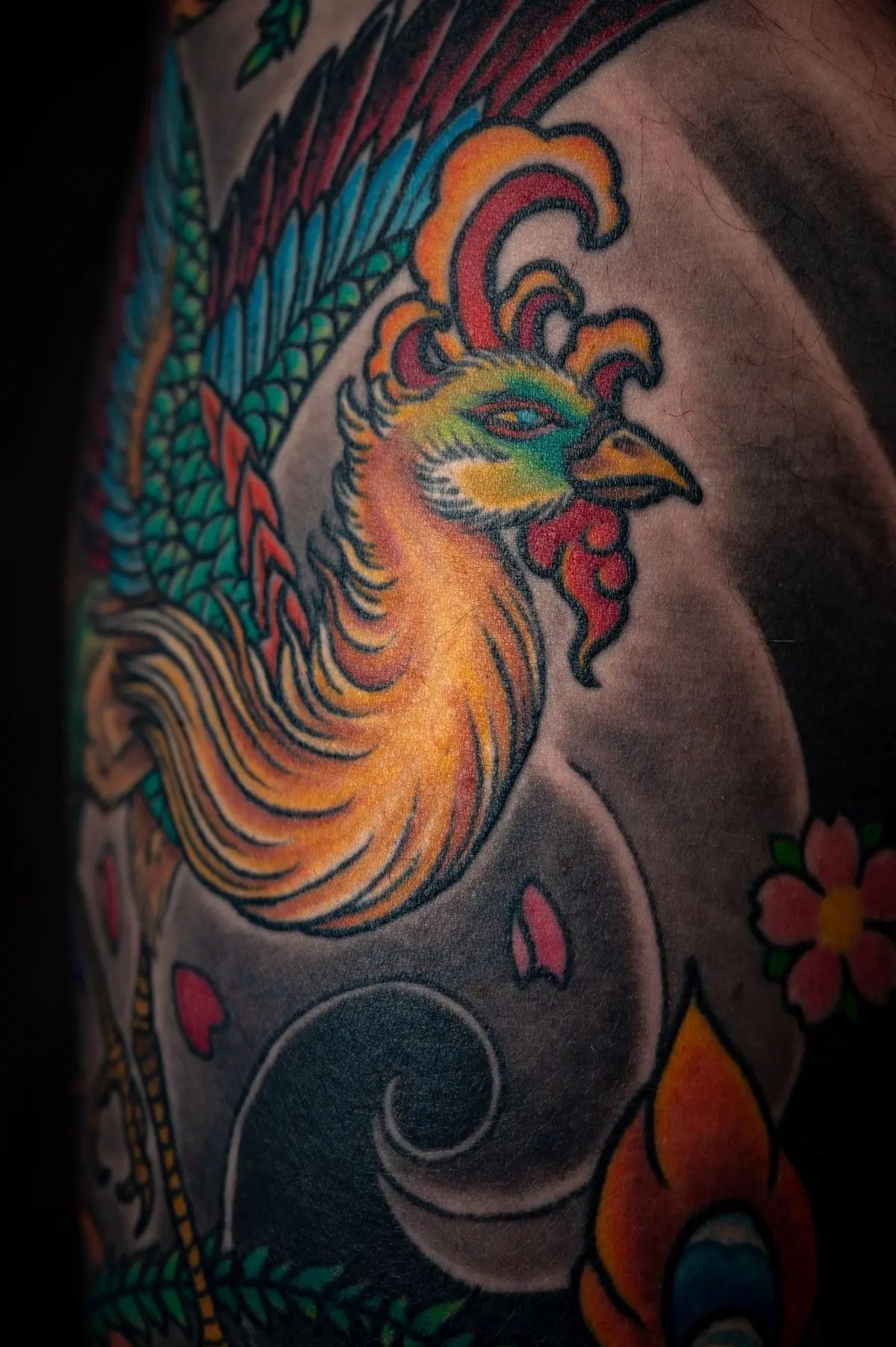
American Traditional vs Neo-Traditional
Same bold outlines, different insides. American Traditional fills them with flat color from a short palette and sticks to classic flash subjects; Neo-Traditional shades inside them, opens the palette and takes on any subject.
Compare →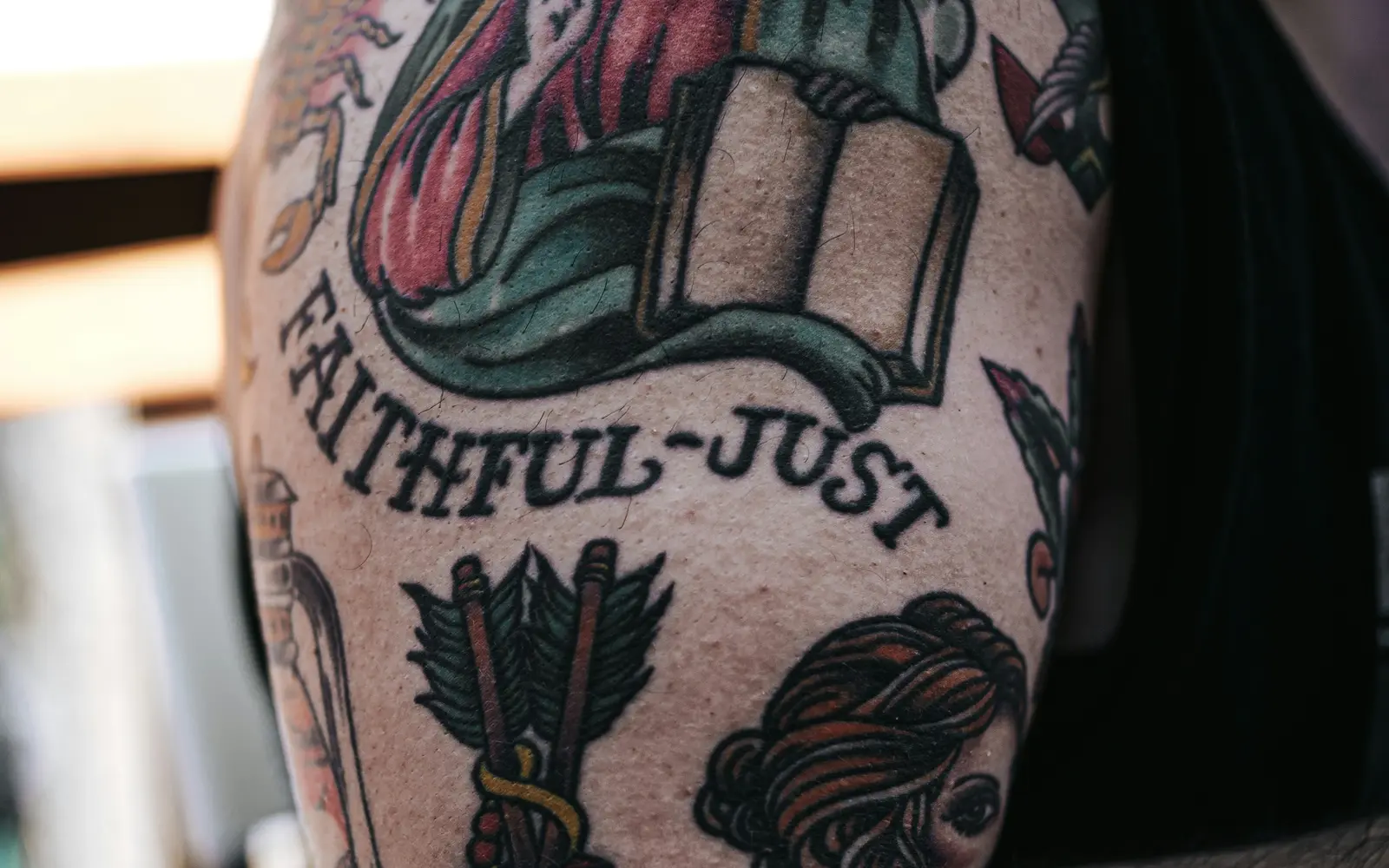

Old School vs Traditional
They are the same style. "Traditional" (or American Traditional) is the term the industry uses; "Old School" is the street name for the same thick-outline, limited-palette, flash-vocabulary tattooing.
Compare →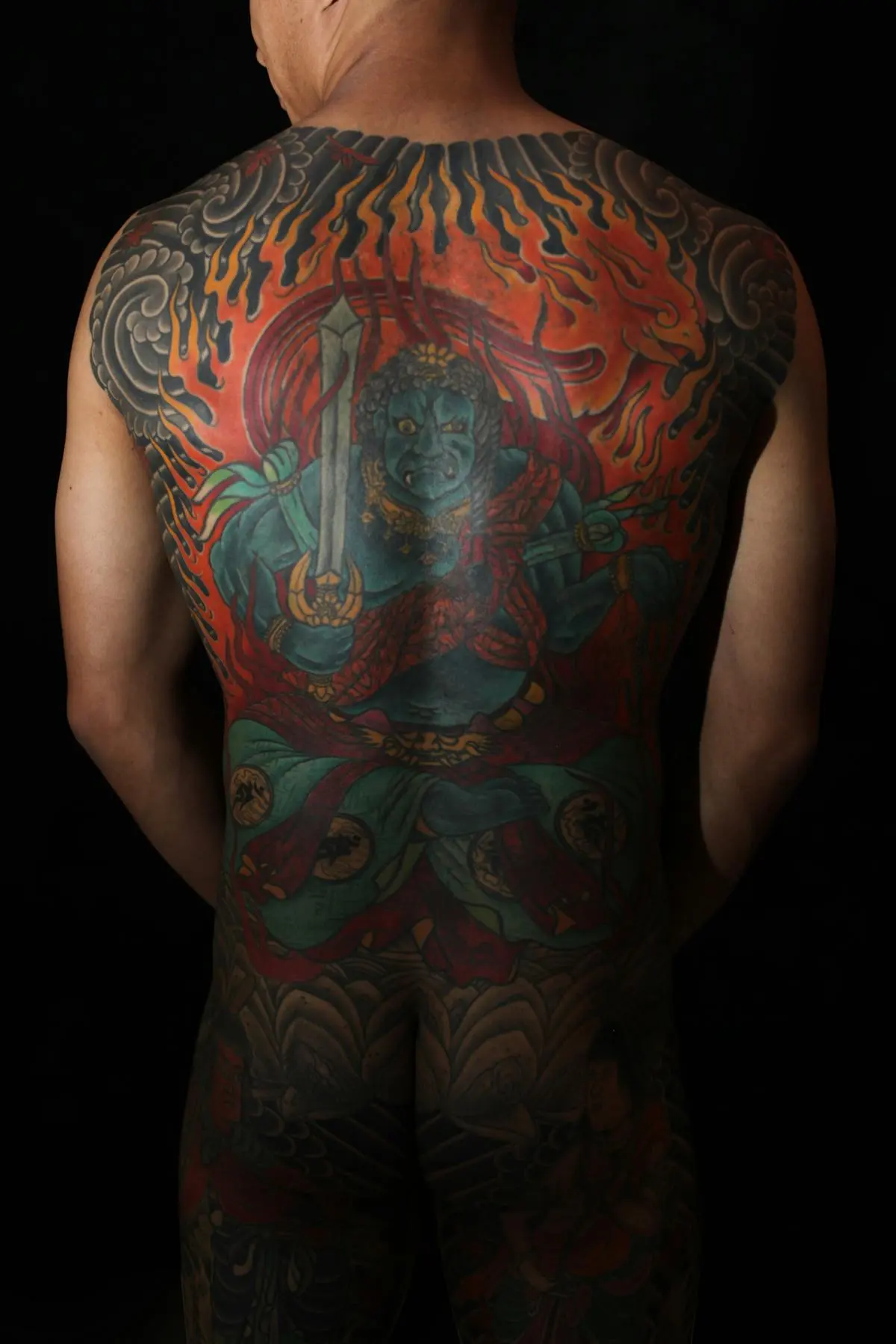
American Traditional vs Japanese
Both are "traditional" styles with bold lines and saturated color, but American Traditional is built from standalone pieces that read as a silhouette, while Japanese irezumi is a body-scale composition where every motif sits in a background of waves, wind bars and clouds.
Compare →Neo-Traditional vs New School
Both put rich color inside bold outlines. Neo-Traditional reaches for fine-art illustration, with natural proportions and controlled color; New School reaches for graffiti and cartoons, with exaggerated proportions and maximum saturation.
Compare →

Traditional vs Watercolor
Opposite answers to the same question: how to hold color in skin. Traditional locks flat, opaque color inside heavy black outlines; watercolor lets diluted color bleed past soft edges like paint on wet paper. Traditional ages far better.
Compare →Black ink

Black & Grey vs Blackwork
Both use only black ink, but black-and-grey dilutes it into a full range of greys for soft, often photographic shading, while blackwork uses solid black against bare skin with no grey wash at all.
Compare →
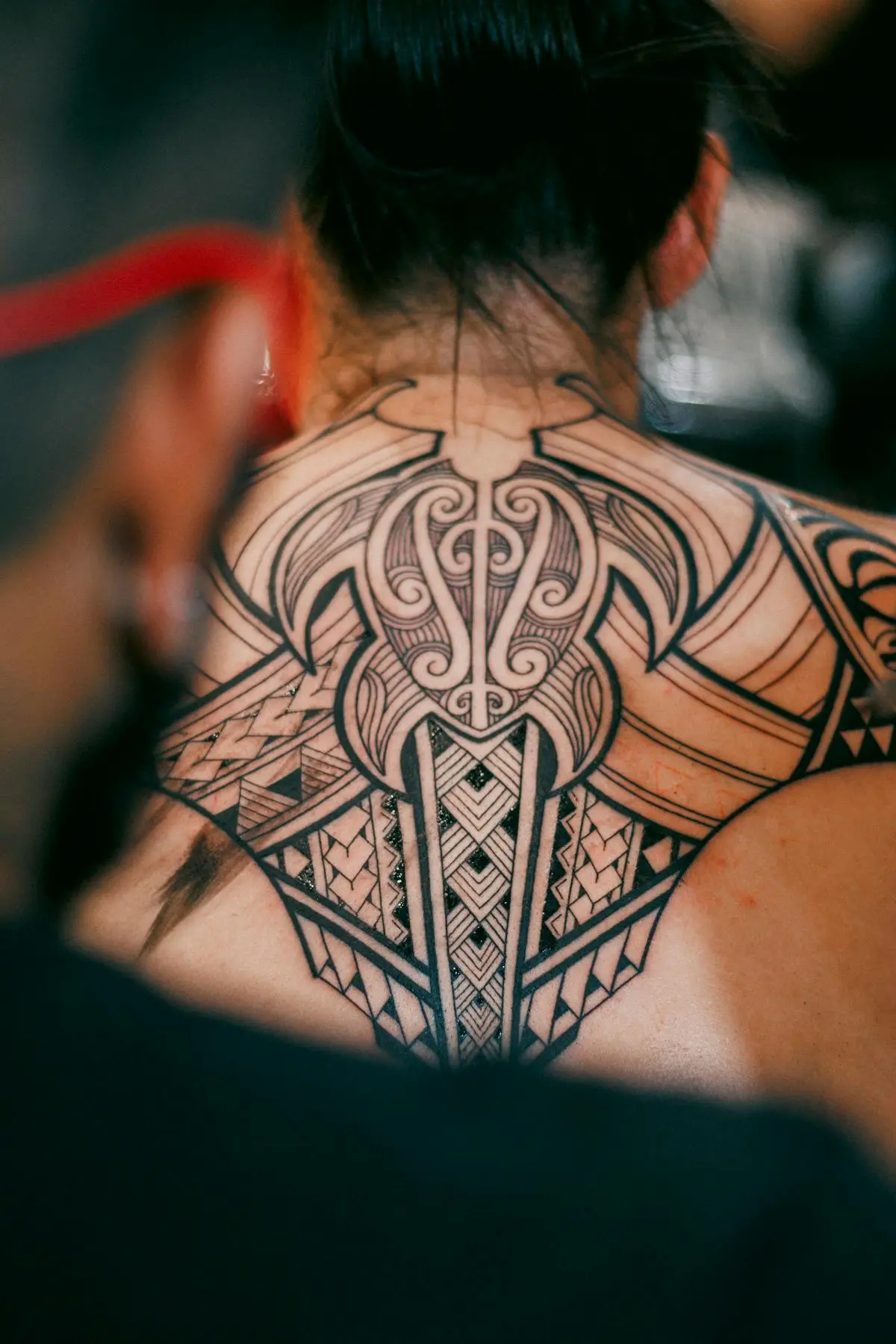
Polynesian vs Tribal
Polynesian is one family inside the broader tribal category: the Samoan, Maori, Hawaiian and Marquesan traditions of the Pacific. "Tribal" also covers other indigenous traditions, and the generic 1990s armband that borrowed the look without the meaning.
Compare →
Blackwork vs Dotwork
Dotwork is usually filed under blackwork, but they build tone in opposite ways. Blackwork uses solid black against bare skin; dotwork builds every shade from individual dots, so it can do soft gradients that pure blackwork cannot.
Compare →
Dotwork vs Geometric
Geometric is about structure (sacred geometry, symmetry, proportion); dotwork is a way of making tone. Geometric tattoos are built from precise lines, precise dots or both, which is why the two so often turn out to be the same tattoo.
Compare →Fine & small

Fine Line vs Micro
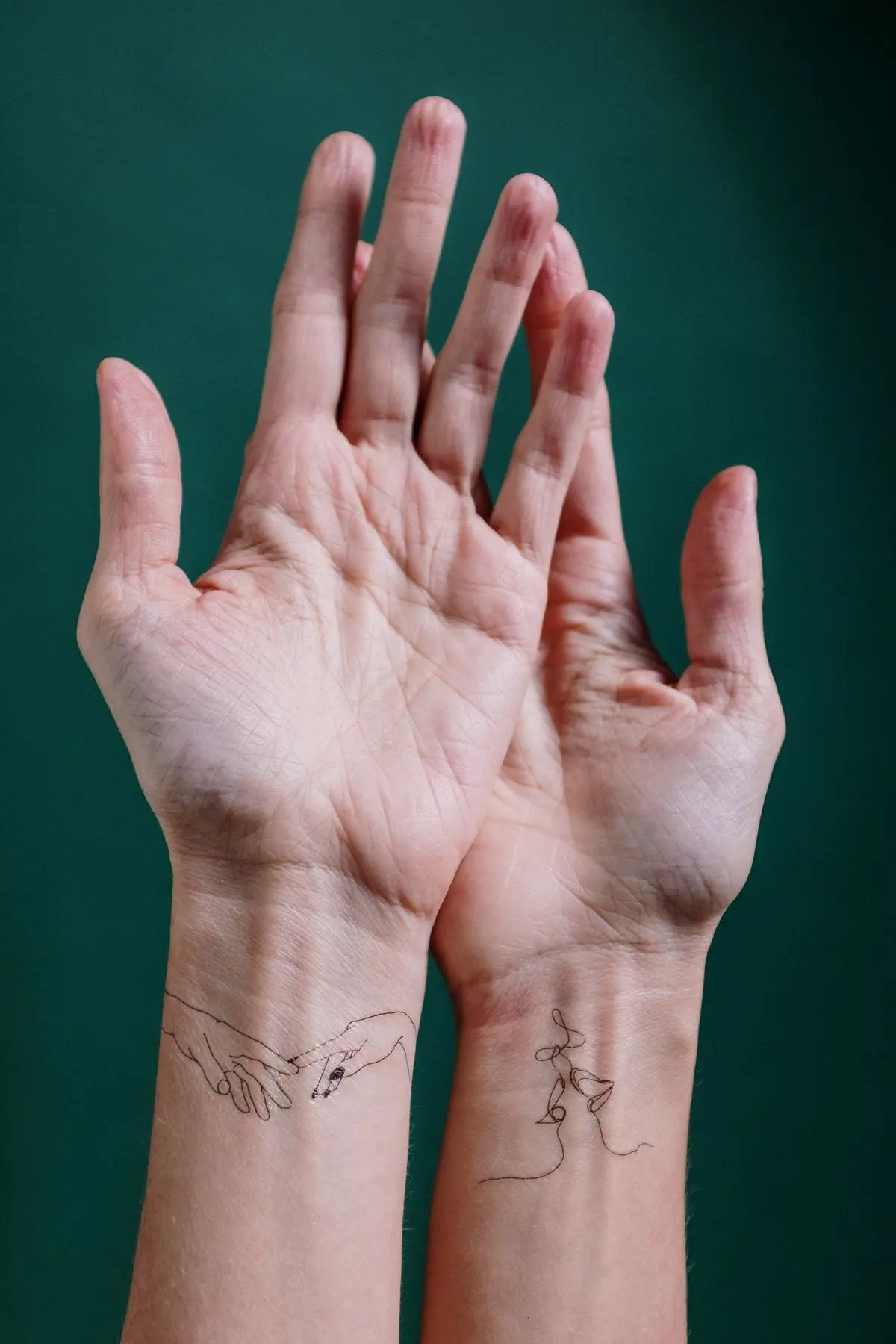
Micro is a subset of fine line: the same single-needle technique pushed to extreme small scale, usually under 2 inches. Fine line covers larger pieces too, and the smaller you go, the sooner the detail closes up.
Compare →
Fine Line vs Minimalist
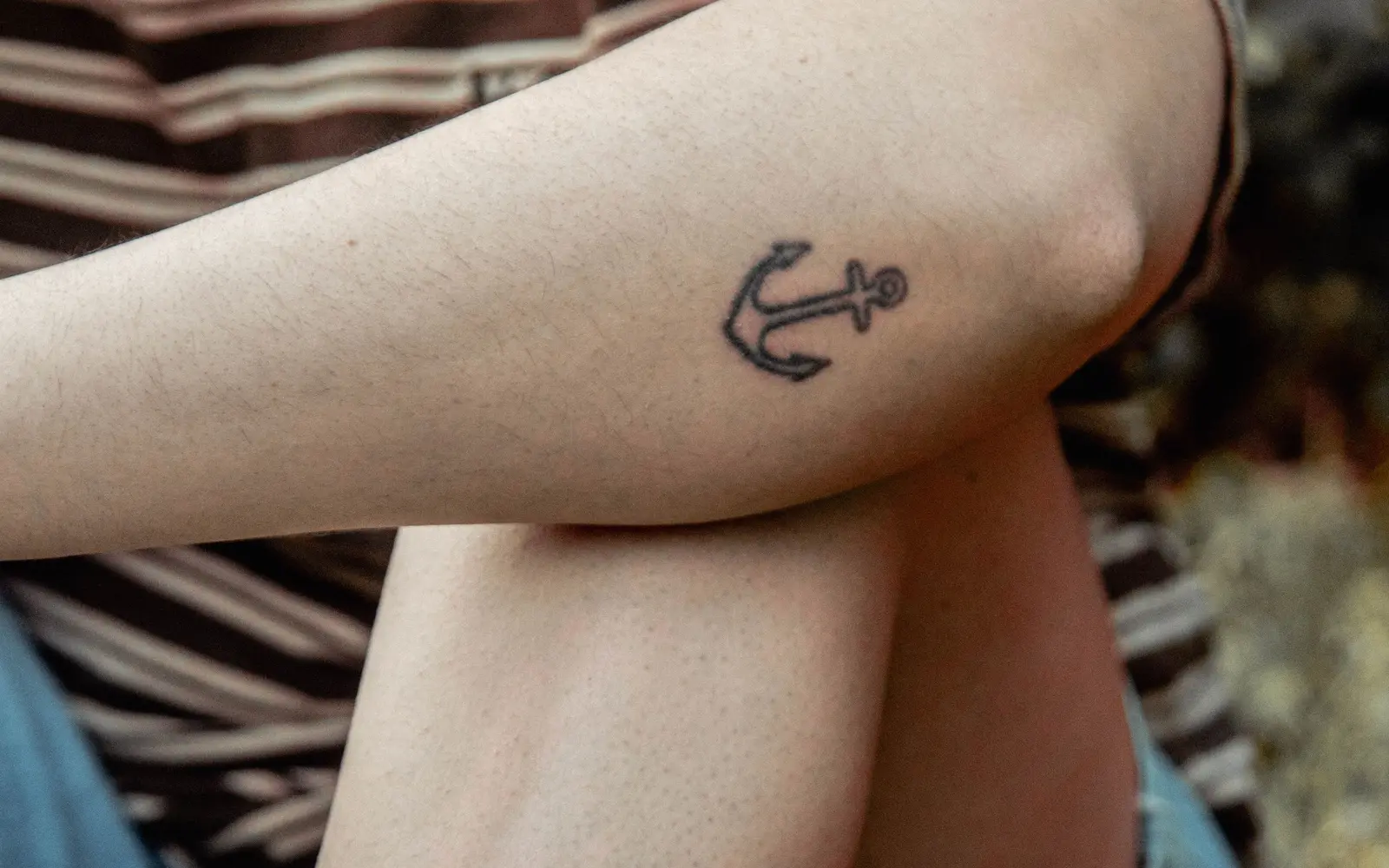
Fine line describes the needle; minimalist describes the design. A minimalist tattoo can use a medium-weight line, and a fine-line tattoo can be densely detailed. Plenty of tattoos are both.
Compare →Shading & realism

Chicano vs Black & Grey
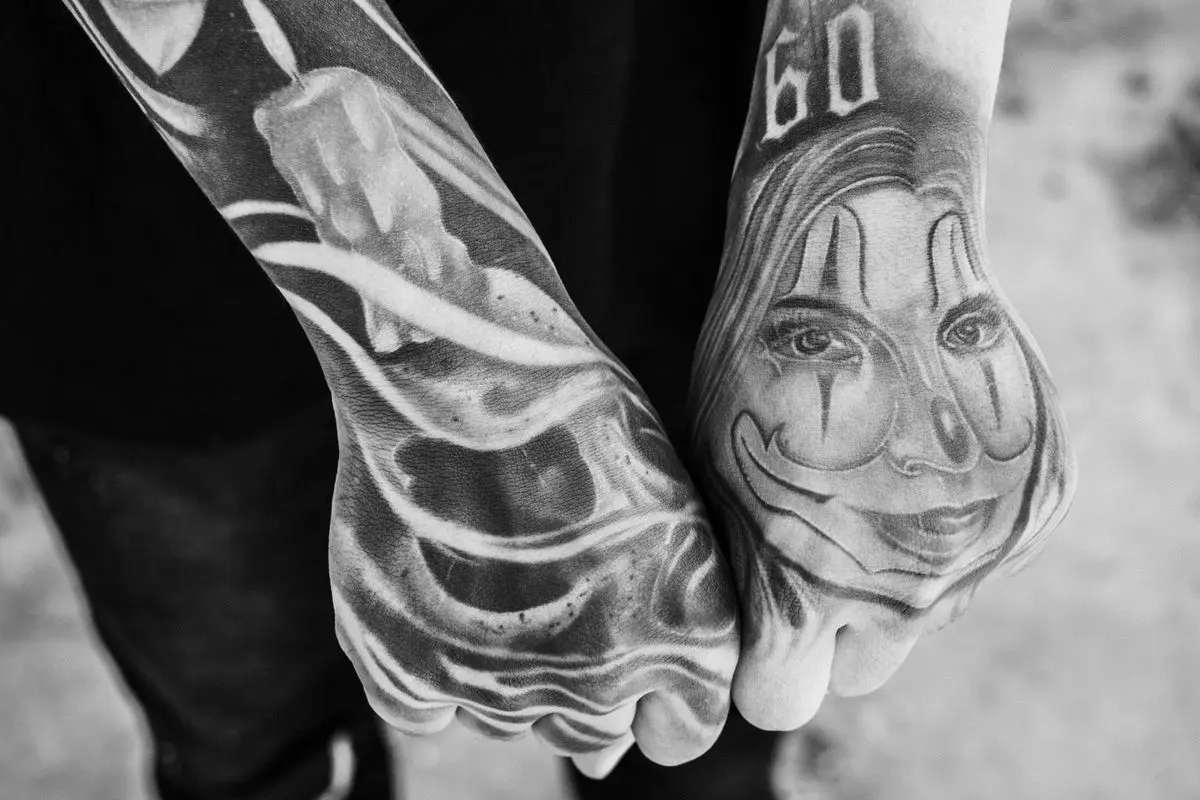
Chicano is the tradition black-and-grey grew up in: an East LA style with its own iconography and lettering, built on single-needle grey wash. Black-and-grey is the technique, now used for anything from realism to florals.
Compare →
Realism vs Black & Grey
Realism is a goal: make it look like a photograph. Black-and-grey is a technique: diluted black ink, no color. Black-and-grey realism is one branch of realism, color realism is the other, and black-and-grey is also used for work that is not realistic at all.
Compare →

Illustrative vs Realism
Illustrative keeps the drawing visible: intentional outlines and stylized shading in the artist’s own hand. Realism hides the drawing entirely and reproduces the depth of a photograph.
Compare →