The one thing to watch
Size. If the artist suggests going bigger, that is longevity advice.
What the style itself demands
From the Micro style guide, the rules that decide how well it lasts:
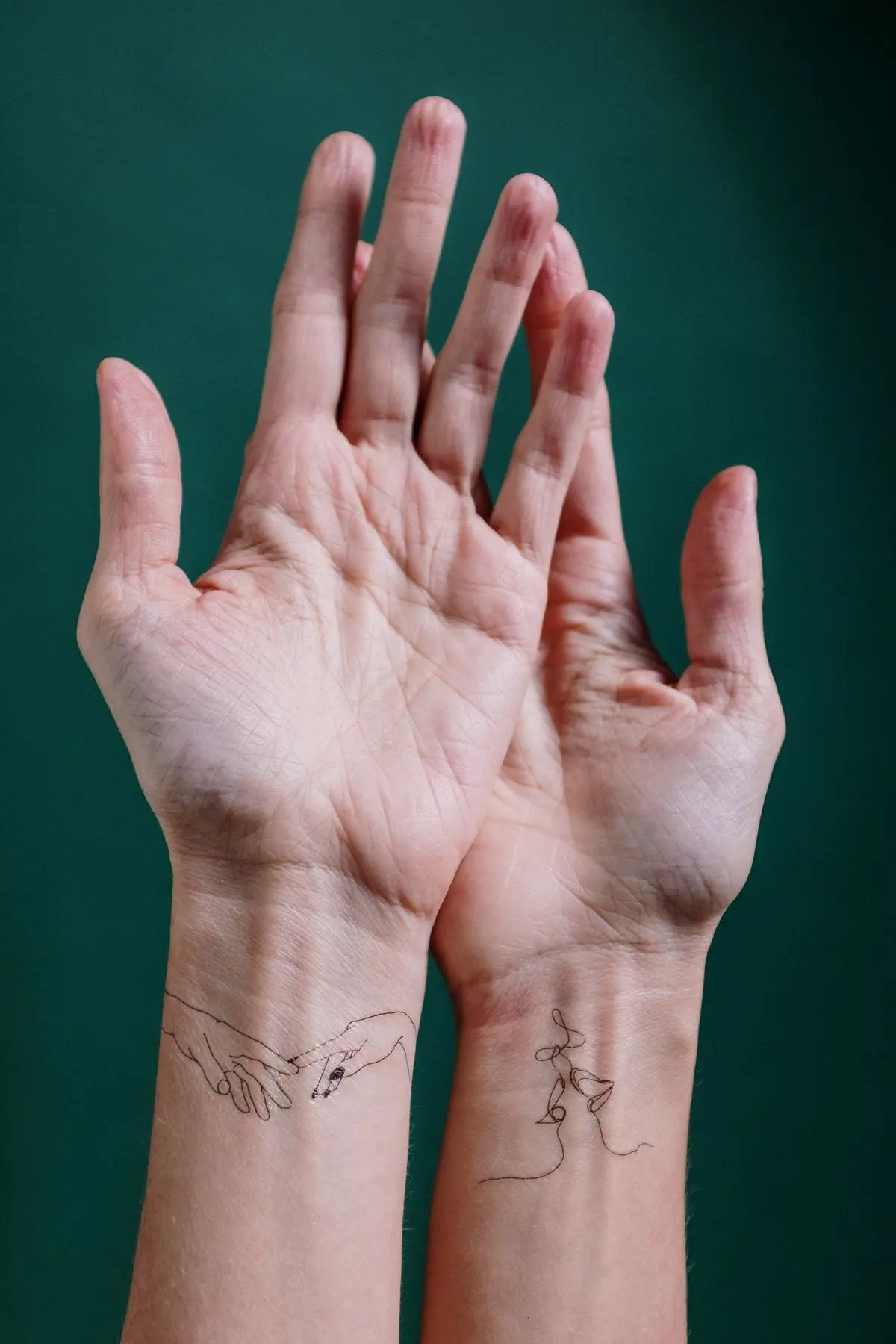
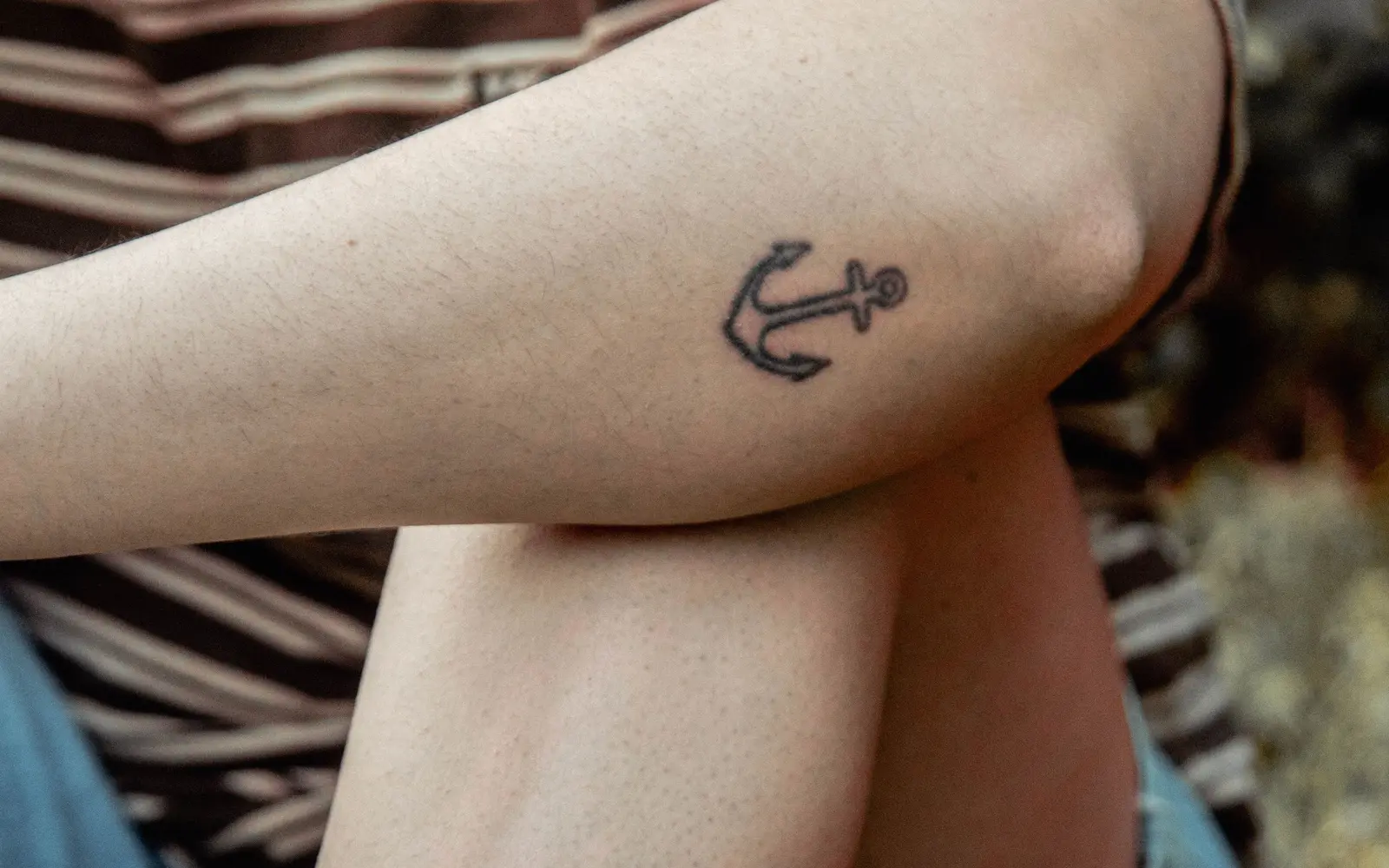
- Placement drives longevity: high-friction areas (fingers, inner wrist, feet, behind ear) cause micro tattoos to fade significantly faster than low-movement areas (upper arm, calf, shoulder blade). Expect touch-ups.
- Aging is faster than other styles: micro tattoos have less ink deposited, meaning they fade faster regardless of placement. This is not a flaw; it's a characteristic of the style.
Common questions about Micro aging
Do micro tattoos always blur?
All tattoo lines soften over time, but a micro design becomes unreadable sooner when details begin too close together. A specialist can improve the odds through simplification, spacing, placement, and restrained linework. No artist can guarantee that extremely tiny detail will remain unchanged.
Placement matters as much as style
Friction and sun drive aging more than anything else. Ourplacement guide groups the body into three tiers, which are the same tiers the simulator uses:
- Low wear: outer forearm, outer upper arm, calf, outer thigh, upper back, chest.
- Medium wear: inner bicep, inner forearm, inner thigh, ribs, lower belly.
- High wear: fingers, knuckles, hands, top of foot, behind the ear.
Whatever the style, the habits that slow fading are the same: sunscreen on healed skin, a proper heal in the first weeks, and a touch-up when it needs one. Thewhy tattoos fade guide and thetouch-up guide cover both.