ReviewTattoo
Tattoo aging · Black & Grey

How Black & Grey tattoos age

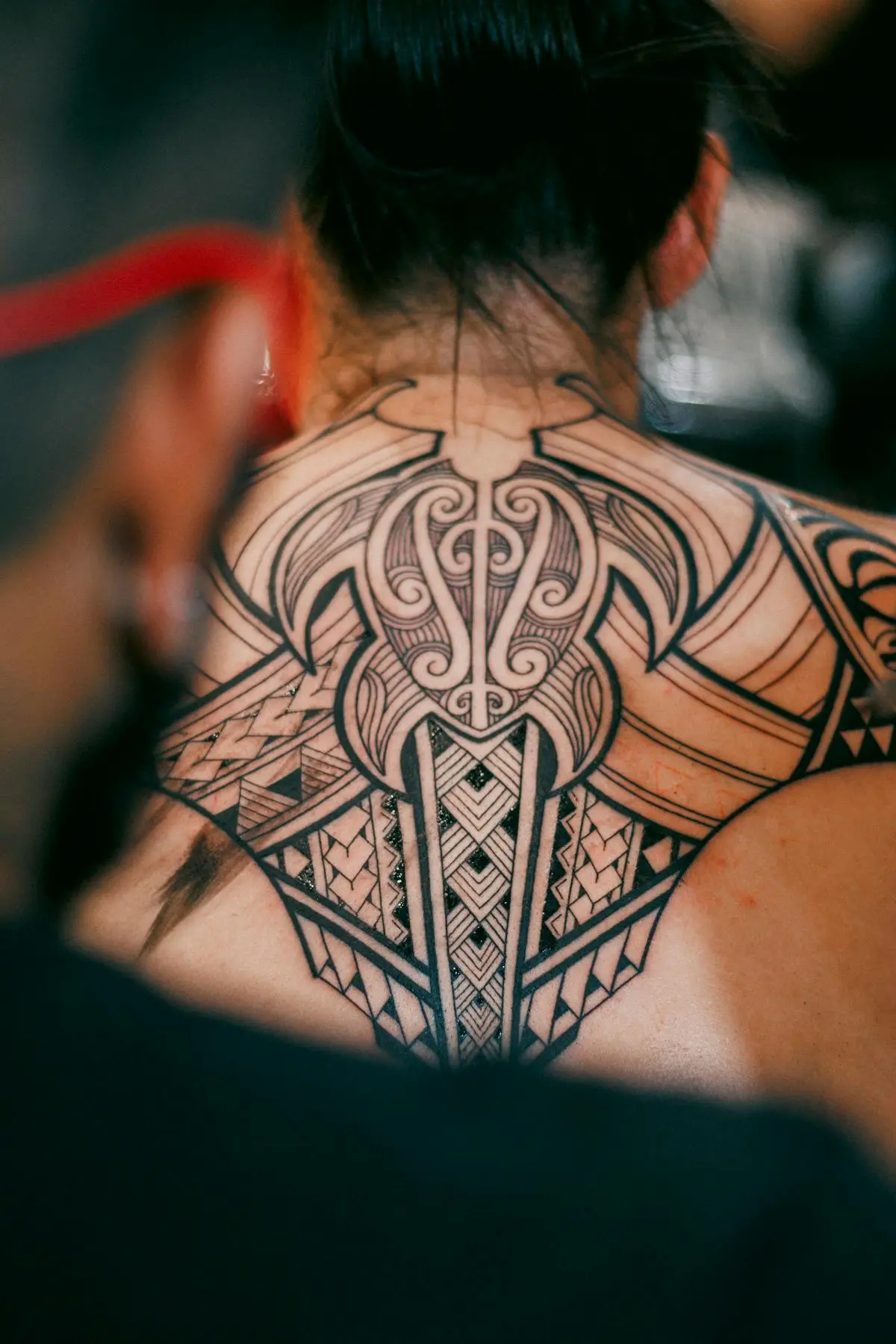
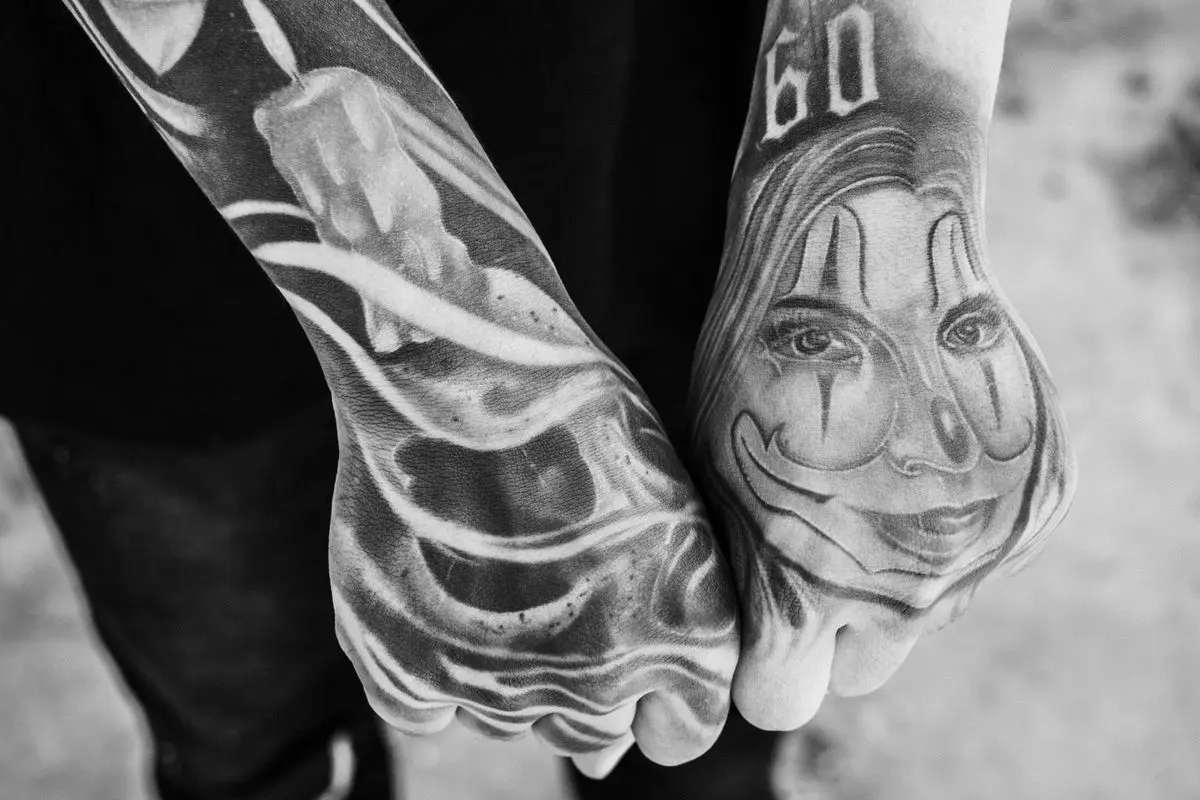
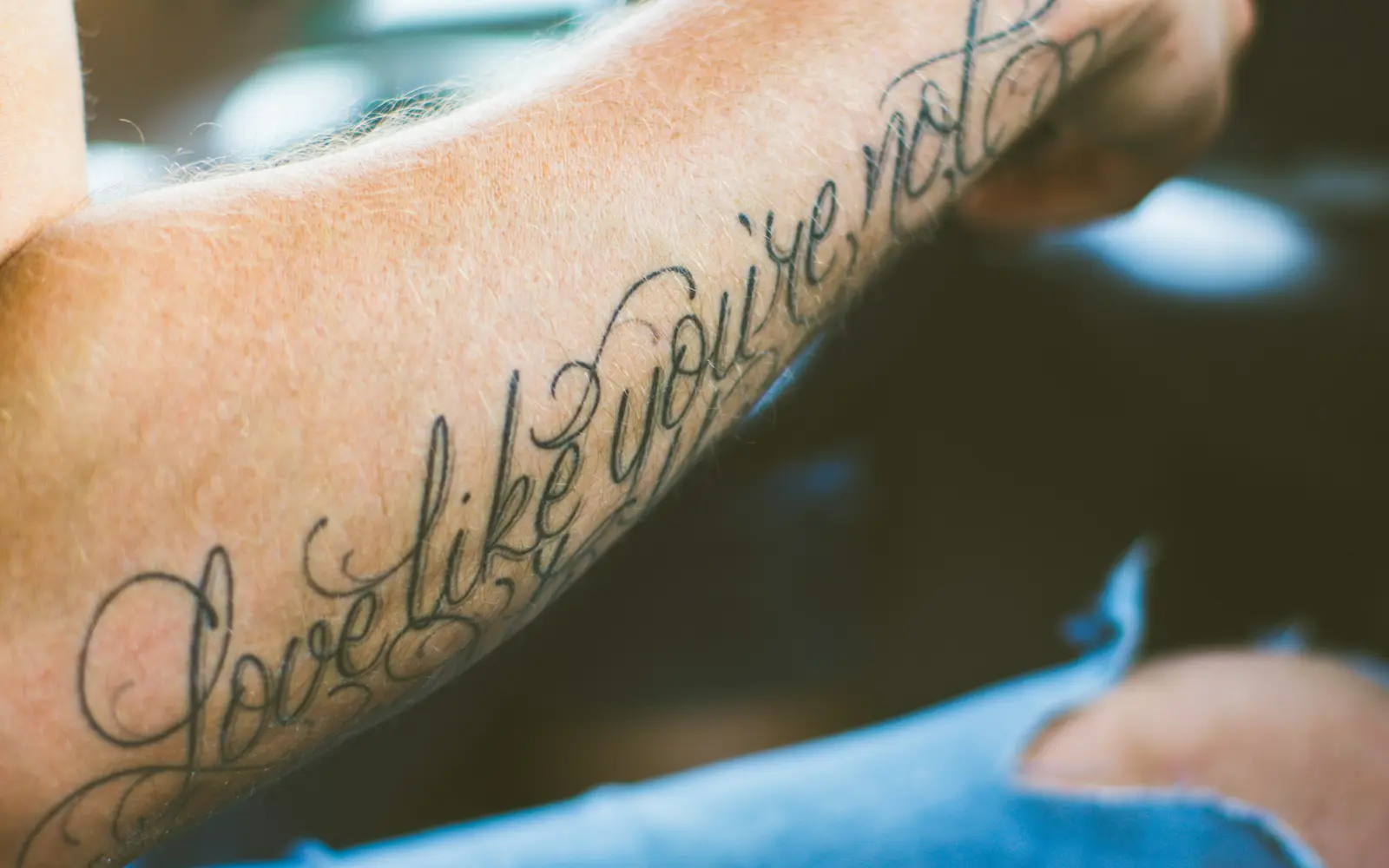
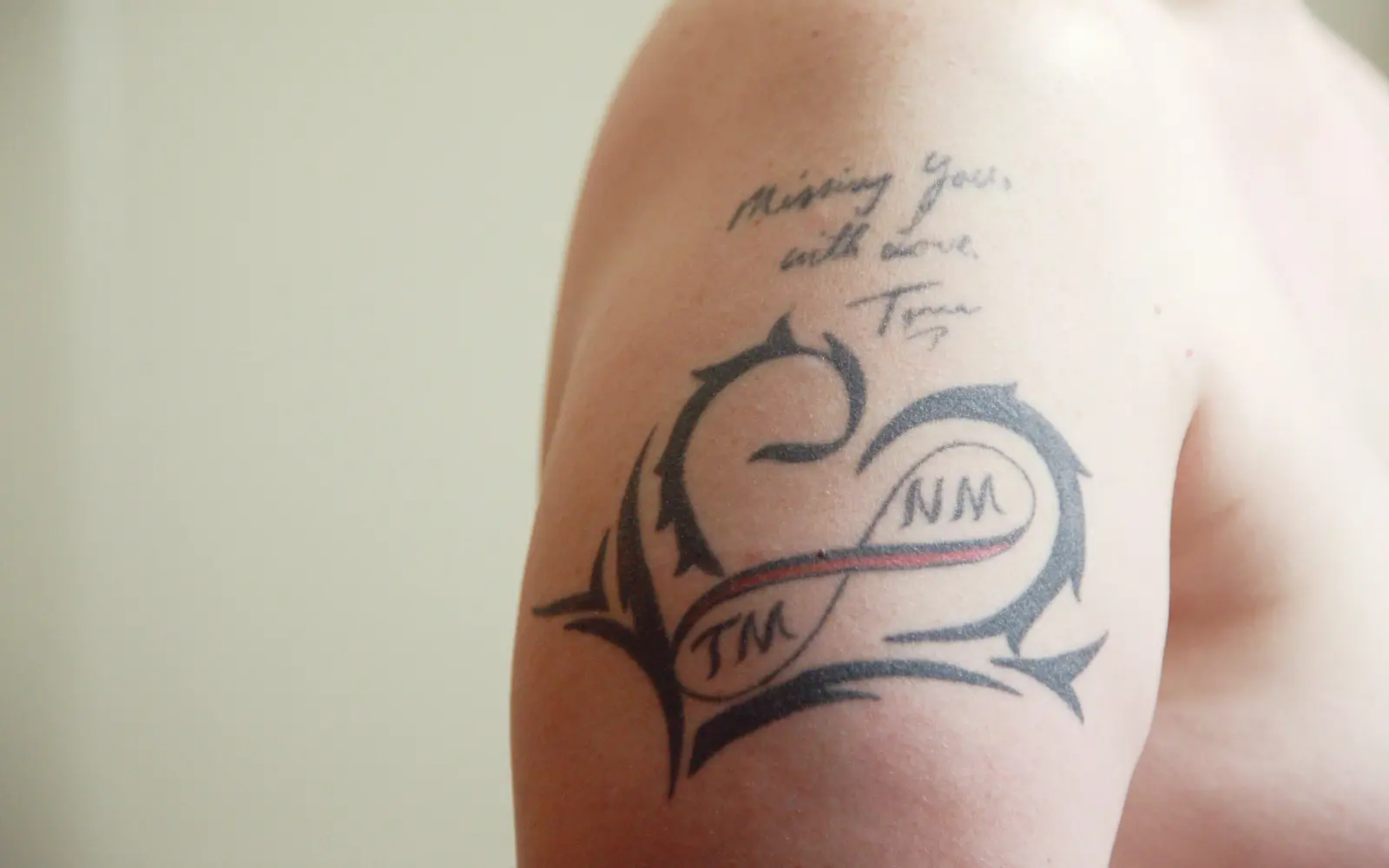
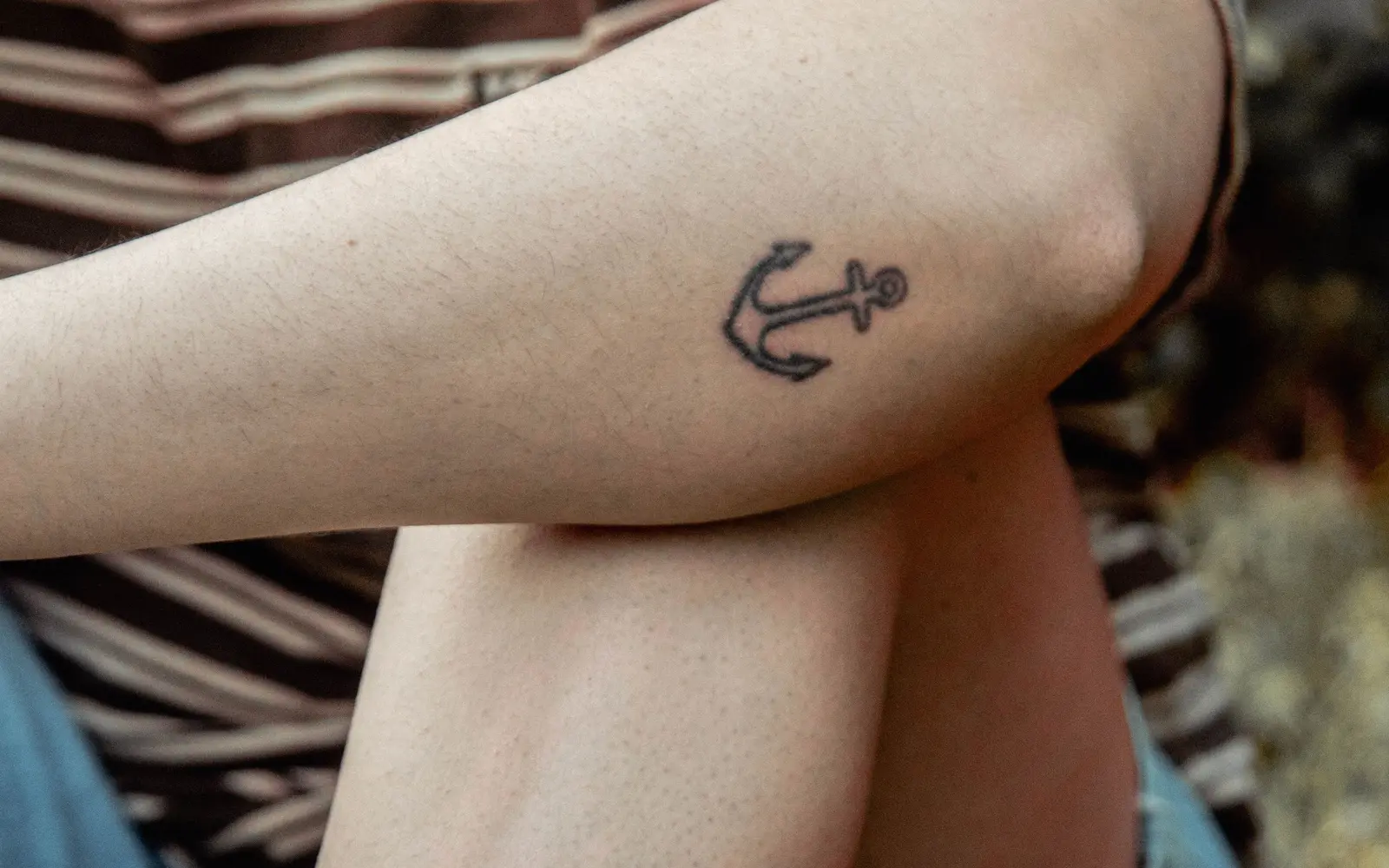
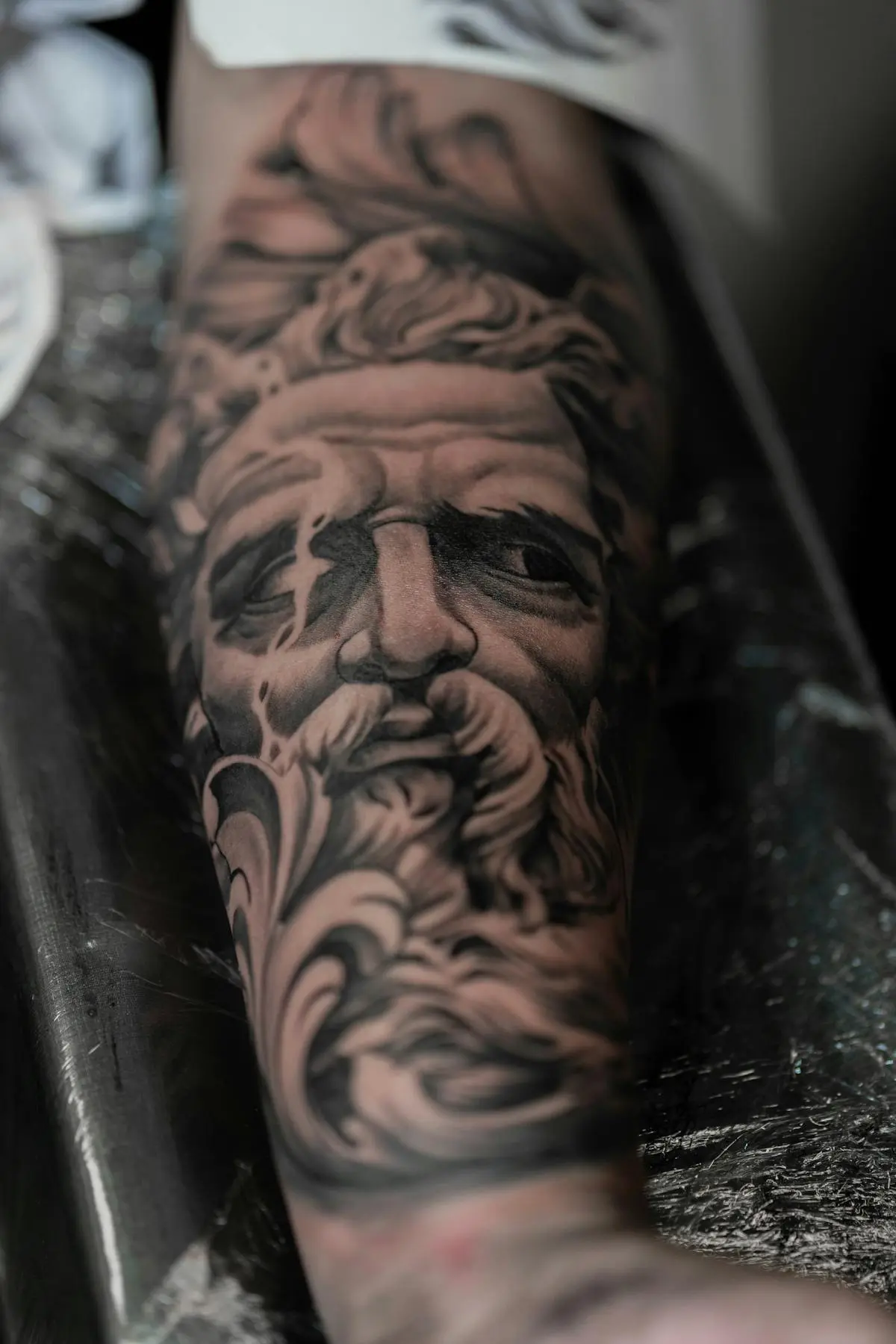
Black and grey avoids the fastest-fading pigments entirely, which is why it has a reputation for longevity. What changes is contrast: soft grey washes lighten and spread while the darkest areas hold, so pieces with a full value range age more gracefully than pieces built only from light greys.

Preloaded with a design in the spirit of Black & Grey at large size (~20 cm / 8 in). Swap the design, upload your own, or change the placement and sun settings to compare.

Healed, year 0
After 10 years
05101520

Runs in your browser. Your image is never uploaded.

Illustrative model, not a prediction. It shows the direction of the known fading factors (ink spreading under the skin, sun, friction, lighter colors fading first) for a typical well-healed tattoo. Your artist's technique, the ink, your skin and how it heals matter more than anything modelled here.

1 · Design

Works best with a drawing on a white or light background. A photo of an existing tattoo won't work.

2 · Size on skin
3 · Placement
4 · Sun exposure
5 · Skin tone

The one thing to watch

Value range. Strong blacks anchor the design as the light greys soften.

What the style itself demands

From the Black & Grey style guide, the rules that decide how well it lasts:

  • Ages predictably. B&G tends to age more gracefully than color work because there is no hue shift (colors can go muddy; grey just softens). Properly executed B&G at 20 years looks like a faded version of itself, not a different tattoo.

Placement matters as much as style

Friction and sun drive aging more than anything else. Ourplacement guide groups the body into three tiers, which are the same tiers the simulator uses:

  • Low wear: outer forearm, outer upper arm, calf, outer thigh, upper back, chest.
  • Medium wear: inner bicep, inner forearm, inner thigh, ribs, lower belly.
  • High wear: fingers, knuckles, hands, top of foot, behind the ear.

Whatever the style, the habits that slow fading are the same: sunscreen on healed skin, a proper heal in the first weeks, and a touch-up when it needs one. Thewhy tattoos fade guide and thetouch-up guide cover both.