What If You Don't Like Your Tattoo — During or Right After
Two completely different situations with two completely different sets of options. What you can still change when something looks off mid-session, and why what you see on day one is almost never what you'll live with.
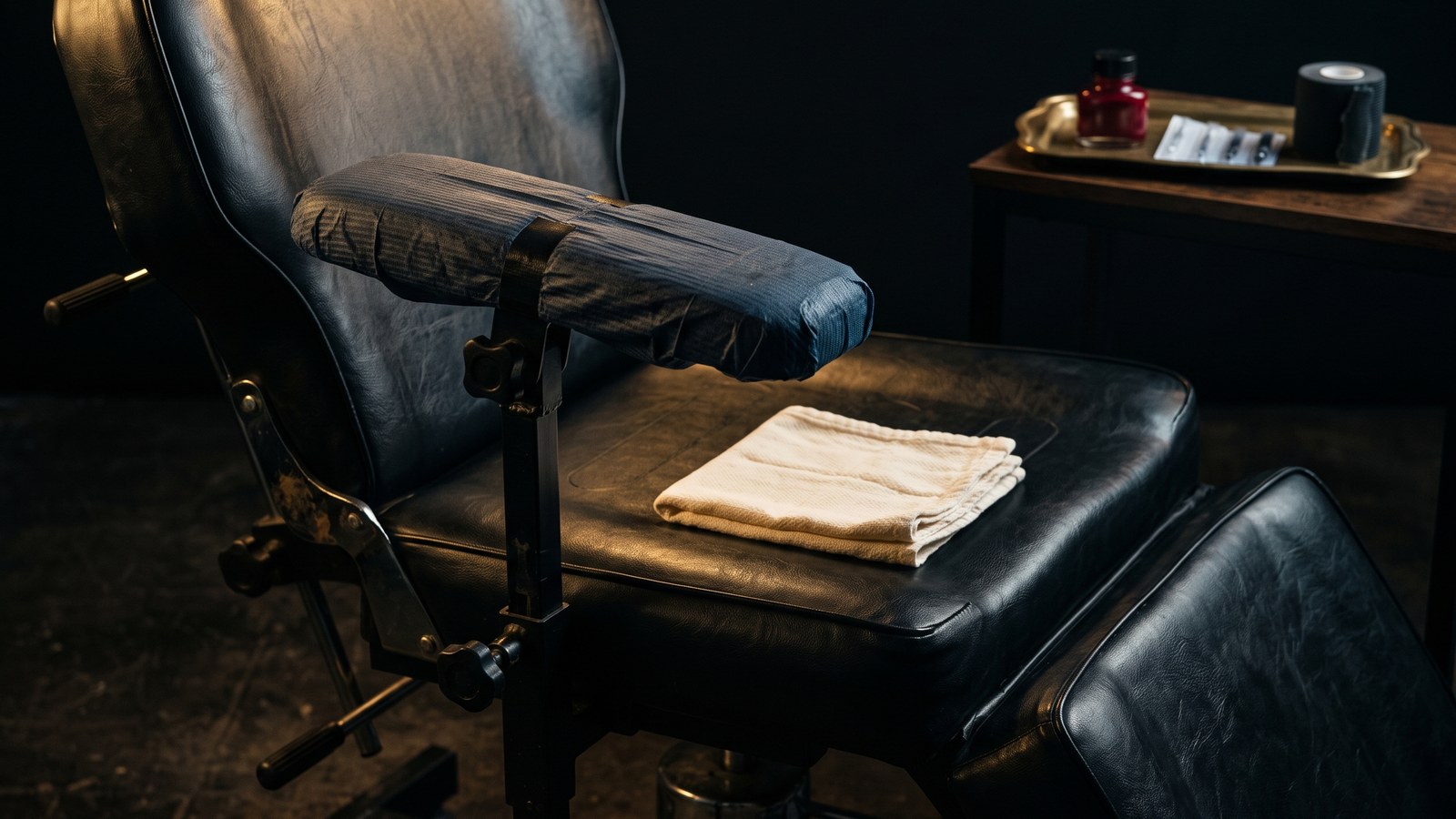
There are two very distinct moments where people realize they might have a problem, and they require completely different responses. The first is mid-session — needle down, something looks off, you’re lying there trying to figure out if you should say something. The second is the days or week after it’s done, when you’re staring at it raw and wondering what you just did to yourself.
These are not the same situation. The options at each stage are different, and what you’re actually looking at is different. This guide covers both.
Mid-Session: What You Can Still Change
The stencil was your last free checkpoint. Once your artist drew the stencil on and you approved the placement and size, you signed off on the core structure of what’s about to be permanent. Once linework hits skin, that contract tightens further.
That said, “linework is down” doesn’t mean all decisions are made.
What’s still negotiable mid-session:
Shading density and coverage. If the shading feels heavier than you wanted, or lighter, this is an ongoing conversation that can happen between passes. Your artist is building up coverage in layers — there’s a real window to say “can we keep this softer” before they’ve committed to full saturation.
Color choices that haven’t been applied yet. If your artist is working on a multi-color piece and hasn’t laid in certain colors yet, you can still discuss those. “I’m not sure about the red — can we look at what orange would do instead?” is a legitimate mid-session question on unworked areas. Colors that are already down are effectively permanent without laser.
Pacing and breaks. Discomfort affects judgment. If you’re in agony, your perception of what’s on your skin is not reliable. Ask for five minutes. Drink something. Look at the reference again. This is a completely normal part of longer sessions.
What is no longer negotiable once linework is down:
Placement. If the tattoo is two centimeters higher than you wanted, or the center point drifted slightly left — that’s where it lives now. Moving it is a cover-up or a laser situation, not a conversation with a correction pen.
Scale. A piece that’s bigger or smaller than you expected can’t be adjusted once the outline is done. The stencil approval is when you confirm scale. If you hesitated at the stencil stage and said nothing, that hesitation is now permanent ink.
Line weight. Lines are down at whatever width the artist used. Thickening them is possible in touch-up; thinning them is not.
If something is wrong that falls into the first category, speak up now. If it falls into the second, the question becomes whether you can live with it or whether you’re looking at a longer conversation about correction — which is a separate guide.
For the mechanics of how to actually say something when you’re mid-session without it becoming an awkward standoff, the mid-session communication guide is worth reading before your appointment, not after you’re already in the chair.
The First Days: What You’re Actually Looking At
Fresh tattoo skin is a mess. This is not a flaw — it’s normal biology — but it is genuinely misleading about the final result.
Here’s what’s happening in the first 24 to 72 hours:
Swelling. The skin around your tattoo is inflamed. This puffs up lines and makes the whole area look thicker, darker, and in some cases blurrier than it is. The swelling is not permanent. What looks like a smeared line is often just swollen skin pressing against adjacent skin.
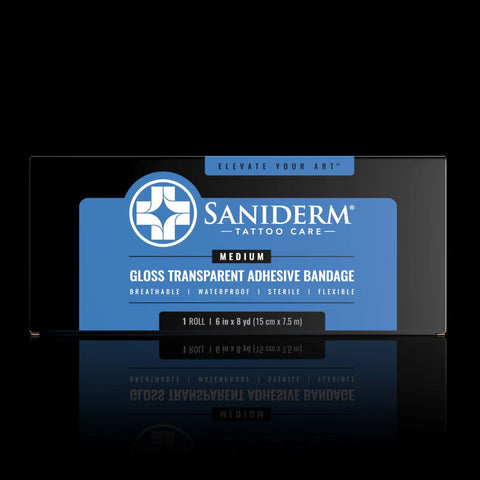
Plasma weeping. In the hours after a session, the skin weeps a mix of plasma, blood, and excess ink. If you’re wrapped in a second-skin bandage like Saniderm, you’ll see this pooling under the wrap — a yellowish fluid with ink dispersed in it. Viewing your tattoo through a fluid-filled bandage tells you essentially nothing about what the tattoo looks like. Don’t judge it here.
Surface ink. Tattoo ink goes into the dermis, but excess ink sits on the surface during and right after the session. It gets wiped away and it washes off — but for the first day or two, you’re looking at surface ink layered over what’s actually in your skin. Colors look more intense and often murkier than the finished result.
Color distortion. Inflammation changes how pigment reads. Black ink often looks purple or blue against inflamed red skin. Color tattoos frequently look wrong — too bright in some areas, too dark in others. Some blues and greens temporarily look gray. This resolves.
What you’re seeing in the first week is not the tattoo. It’s the tattoo under a layer of healing.
Weeks One Through Four: The Ugly Middle
If the first few days are misleading, weeks two through four are actively demoralizing for a lot of people.
The Saniderm comes off. The skin starts peeling. Your tattoo looks dull, faded, chalky, and in some spots patchy. This is the phase where people message their artists in a panic about whether something went wrong.
Mostly, nothing went wrong.
The peeling layer is the top of the epidermis — it includes some ink that was sitting too high to stay permanently, which is why the whole piece looks faded when it’s happening. Underneath, the dermis is holding the ink that will actually be there for life. That layer is temporarily obscured by the healing skin on top.
Fine-line work looks particularly rough at this stage — the thin lines seem to disappear or get fuzzy before they sharpen back up. Color work looks muted. Black and grey work can look almost completely faded.
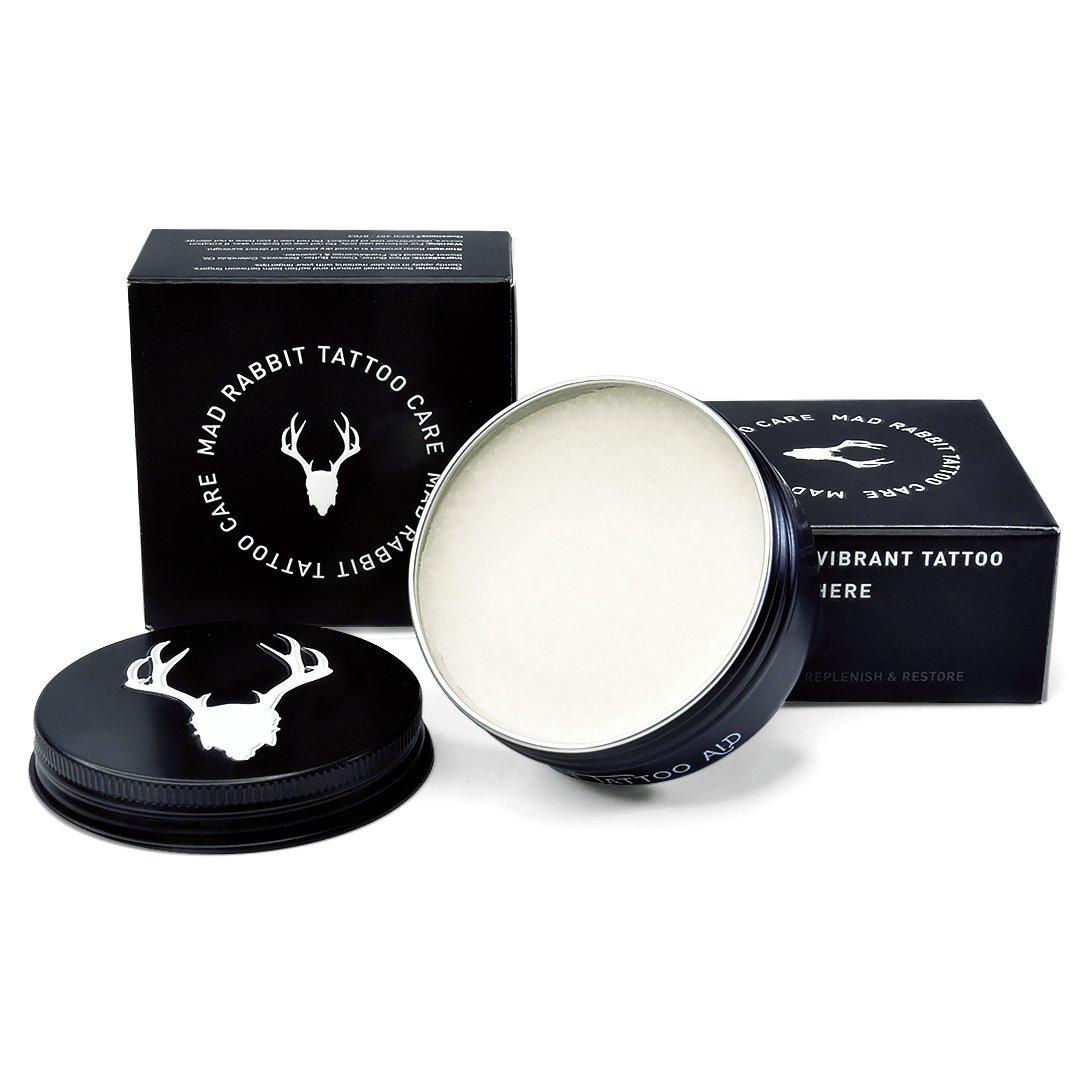
None of this resolves until the peeling is done and the waxy healing layer underneath clears — usually by weeks five or six, sometimes longer for dense pieces or placements that flex a lot (inner arm, ditch, back of knee). Keep the skin moisturized with something gentle — something like Mad Rabbit balm works well at this stage — and don’t pick the peeling skin no matter how tempting.
The actual tattoo reveals itself around week six. That’s when you get a real read on what you have.
If You’re Still Unhappy After It’s Healed
Some concerns survive the healing process. If you’re at eight weeks, the skin has settled, and you still don’t like what you see — now you’re working with real information.
Touch-up. The most common legitimate post-healing issue is patchy color or spots where ink didn’t fully take. Most reputable shops offer one free touch-up within 30 to 90 days — for these technical issues, not for design changes. If you want the whole color palette rethought, that’s not a touch-up, and no artist is going to do that for free.
For timing, placement, and how to ask, the touch-up guide covers this in detail. The short version: wait at least four weeks before even contacting your artist about it. Asking for a touch-up at day ten is like asking for a haircut review on a wet head.
Cover-up. If the design itself is the problem — wrong subject, wrong placement, something that’s embarrassing to explain at every pool party for the next decade — that’s a different conversation. Cover-ups require a specialist, a realistic conversation about what designs can mask what, and usually mean a larger, darker piece than what you have. That’s its own planning process, and it’s covered separately in the cover-up guide.
Accepting what’s there. The third option that nobody says out loud: sometimes the tattoo is fine and the problem is elsewhere. Sometimes week-one panic about placement calcifies into “actually I just need to get used to this.” Tattoos look strange on your body when they’re new because your eye hasn’t incorporated them yet. A lot of people who describe hating a tattoo at week two describe it as a non-issue by month three — not because the tattoo changed, but because their perception of their own body did.
That said, if you get to fully-healed and still genuinely hate it, you have options. Laser has improved significantly, touch-ups can correct real technical problems, and cover-ups can transform something you regret into something you don’t. None of those paths are fast or cheap, but they exist.
The Useful Summary
Mid-session: catch placement and scale issues before the needle goes down, or accept that they’re permanent. Shading and color in unworked areas are still adjustable. Speak up — your artist would rather hear the concern than have you hate the finished piece.
First week: almost nothing you see is accurate. The swelling, the plasma, the surface ink, the peeling — it’s all temporary. Reserve judgment.
Post-healing: if you have real concerns about gaps or patchiness, that’s a touch-up conversation. If you hate the design, that’s a cover-up conversation. Either way, wait until the tattoo has fully settled before you decide what you’re dealing with.
The majority of acute post-tattoo distress resolves on its own. The minority that doesn’t has actual solutions. The hard part is knowing which one you’re in, and you usually can’t tell until week six.
Adhesive Bandage Roll (4" × 8 yd)