Cover-Up Tattoos: What Actually Works
The honest mechanics of tattoo cover-ups: what ink covers what, which styles work, when to laser first, and how to prepare for a consult that gets results.
About 17% of tattooed Americans say they regret at least one piece. Of those, a meaningful number eventually look into cover-ups, and most of them go in with the wrong mental model of what a cover-up actually is.
This guide is the thing you read before the consult, not after.
What a cover-up actually does
A cover-up doesn’t erase the old tattoo. It buries it under new ink dense enough and dark enough that your eye stops registering what’s underneath. The old pigment is still there, sealed under the new layer.
That distinction matters because it puts hard limits on what’s possible:
The 3x rule: your new design needs to be roughly 3x the area of the tattoo being covered. Old ink spreads slightly over the years, and the artist needs room to build a design that absorbs the old shapes rather than fighting them. If your old tattoo is the size of a playing card, your cover-up will be roughly the size of a smartphone.
Saturation beats color: a faded, blown-out tattoo is much easier to cover than a fresh, dense one. If your old piece is five years old and the ink has spread and softened, you have more options. A piece you got last year with solid black fills is essentially a locked constraint: only blackwork or a very dark design will work over it.
Color is harder than black: black-and-grey ink under a cover-up shows through less than colored ink. Red and orange are notoriously difficult; they’re warm tones that bleed through designs you’d expect to contain them.
When you should laser first
Partial laser removal, also called laser fading, is not the same as full removal. You’re not trying to clear the tattoo; you’re trying to fade it enough to give your cover artist more options.
Three to five Pico laser sessions (spaced 6–8 weeks apart) on a dense black tattoo can soften it enough to open up styles that wouldn’t otherwise be viable. At roughly $150–$400 per session depending on size and provider, that’s $450–$2,000 before you’ve paid for the cover-up, but it’s the difference between a blackout sleeve and a design you actually want to live with.
If cost is a factor, talk to your cover artist first. Some pieces don’t need fading at all. Others genuinely can’t be done well without it. A straight answer at that consult will save you from both unnecessary laser and a disappointing cover.
See our tattoo removal guide for a fuller breakdown of what laser sessions actually cost and how many you’d realistically need.
Styles that cover and styles that don’t
Not every style works as a cover-up vehicle. This is the part most online guides skip.
Blackwork: the most reliable cover
Solid, dense black ink absorbs everything underneath it. Blackwork (geometric fills, tribal patterns, abstract solid work) is the most technically reliable cover-up style because it doesn’t ask the viewer to look through anything. The trade-off: you’re committing to a lot of black on your skin for life, and it’s nearly impossible to remove later if you change your mind again.
American Traditional: bold enough to hide a lot
Bold outlines and solid color fills give Traditional work the opacity it needs to bury old designs. The limited, high-contrast palette means an artist can pick colors that work with (or against) whatever’s underneath. Best results when the old piece isn’t too large or too dense.
Neo-Traditional: more flexibility, still workable
Neo-Traditional expands the palette and loosens the design rules relative to traditional, which gives a skilled artist more compositional freedom to design around the existing shape rather than just over it. The fill density still has to be high enough to cover: a loose, open Neo-Trad piece won’t do it.
Realism: possible with conditions
Black and grey realism can work as a cover-up if the old ink is significantly faded or small. The high tonal range of a good realism piece can absorb old shapes. Color realism is harder; the translucency of color realism technique fights against the need for opacity. If you’re thinking realism over a fresh, dark tattoo, laser fading first is probably necessary.
Fine line and watercolor: almost never
Fine line work relies on negative space and delicate single-needle passes. Old ink shows through. Watercolor is even more translucent by design. These are not cover-up styles. An artist who tells you otherwise without seeing your tattoo in person is overpromising.
How to prepare for the consult
A cover-up consult is a different conversation than a standard tattoo consult. Come prepared:
Bring good photos of the existing tattoo. Natural light, recent photos, multiple angles. The artist needs to understand the density of the ink, not just the design.
Be upfront about the ink’s age and history. Did it have a touch-up? Was it a cover-up itself? Has any removal been attempted? All of this affects what’s possible.
Don’t come in with rigid design expectations. Tell the artist what you’d like to end up with: a general direction, a feeling, a style, not a specific design. Cover-ups that work are usually designed around the constraints of the existing piece. The artist who says “here’s exactly what I can do with what you’ve got” is the one worth booking. See our guide on how to choose a tattoo artist for what else to vet in a consult.
Ask whether laser fading would expand your options. Some artists will be direct about this. If they say no without a good explanation, get a second opinion.
Healing a cover-up
Cover-ups are harder on the skin than regular tattoos. The artist is depositing more ink, often in multiple passes, over tissue that has already been through the process once. Expect:
- A more intense first 48–72 hours: more redness, more oozing, more swelling than you remember from your original tattoo
- A longer peeling window: the skin has more to shed
- More risk of patchiness requiring a touch-up
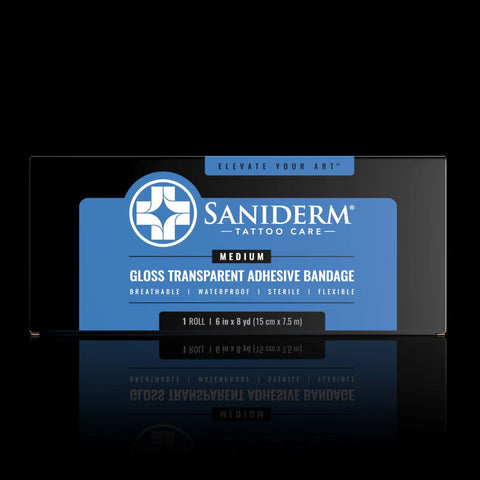
Use a second-skin bandage like Saniderm for the first 3–5 days rather than the traditional wrap-and-lotion approach; the sealed environment reduces trauma and friction during the most vulnerable window. After removal, a dedicated aftercare balm like Mad Rabbit handles the remaining weeks well.
If the session runs long (cover-ups often do), this is one of the more legitimate cases for numbing cream. Zensa 5% lidocaine applied 45–60 minutes before (under occlusion) is worth discussing with your artist beforehand. More on what works in our numbing cream guide.
For a more detailed breakdown of what the healing process looks like day by day, see our best tattoo aftercare guide.
What to tell the artist you won’t do
As important as design openness is knowing your hard limits. If you have them (“I don’t want all-black,” “I want it to stay under the elbow,” “I need it to be covered for work”), say them at the consult, not after the stencil is on.
A good cover-up artist will work within constraints. A great one will tell you when a constraint makes the cover-up not worth doing at all. That’s the artist to trust.
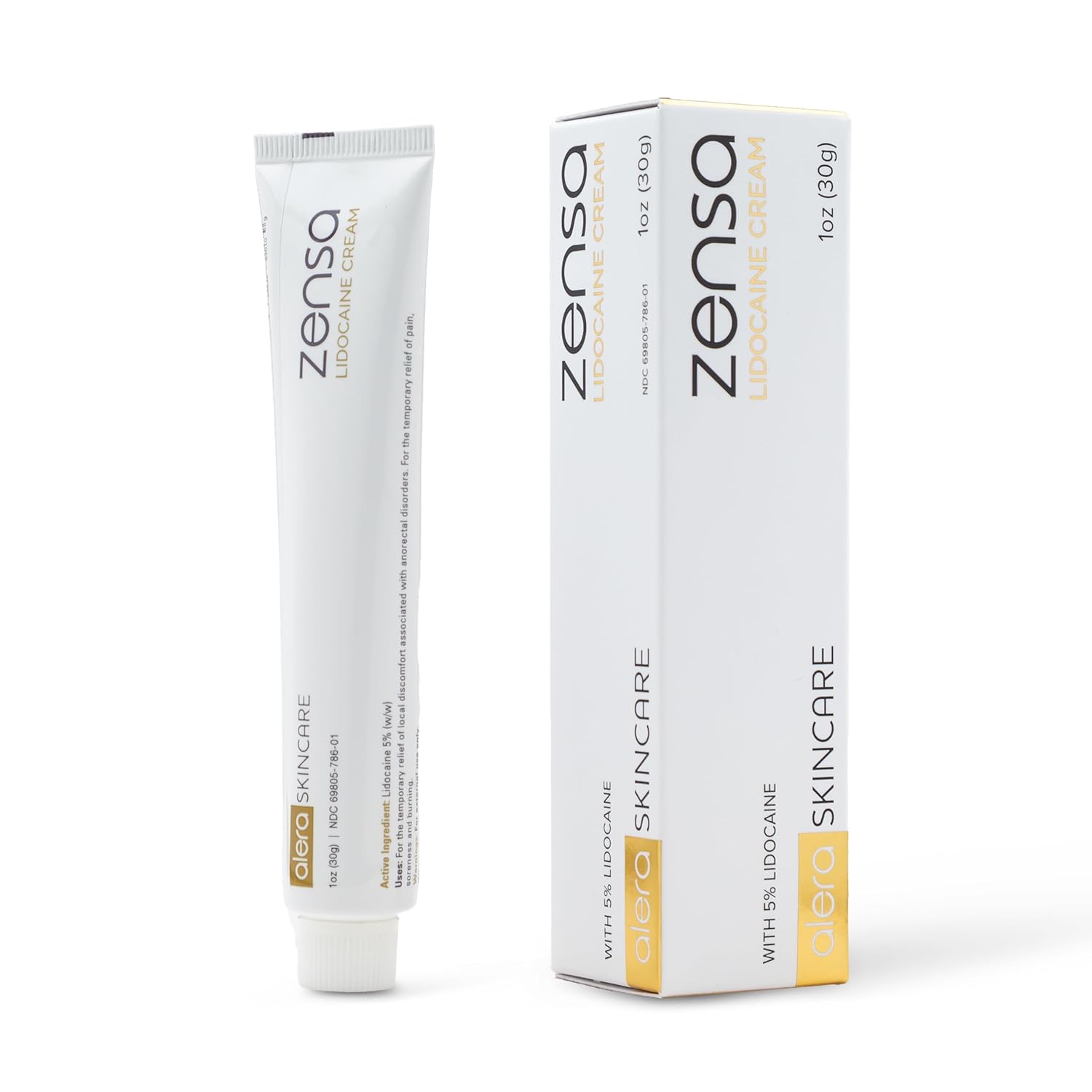
Numbing Cream 5% Lidocaine
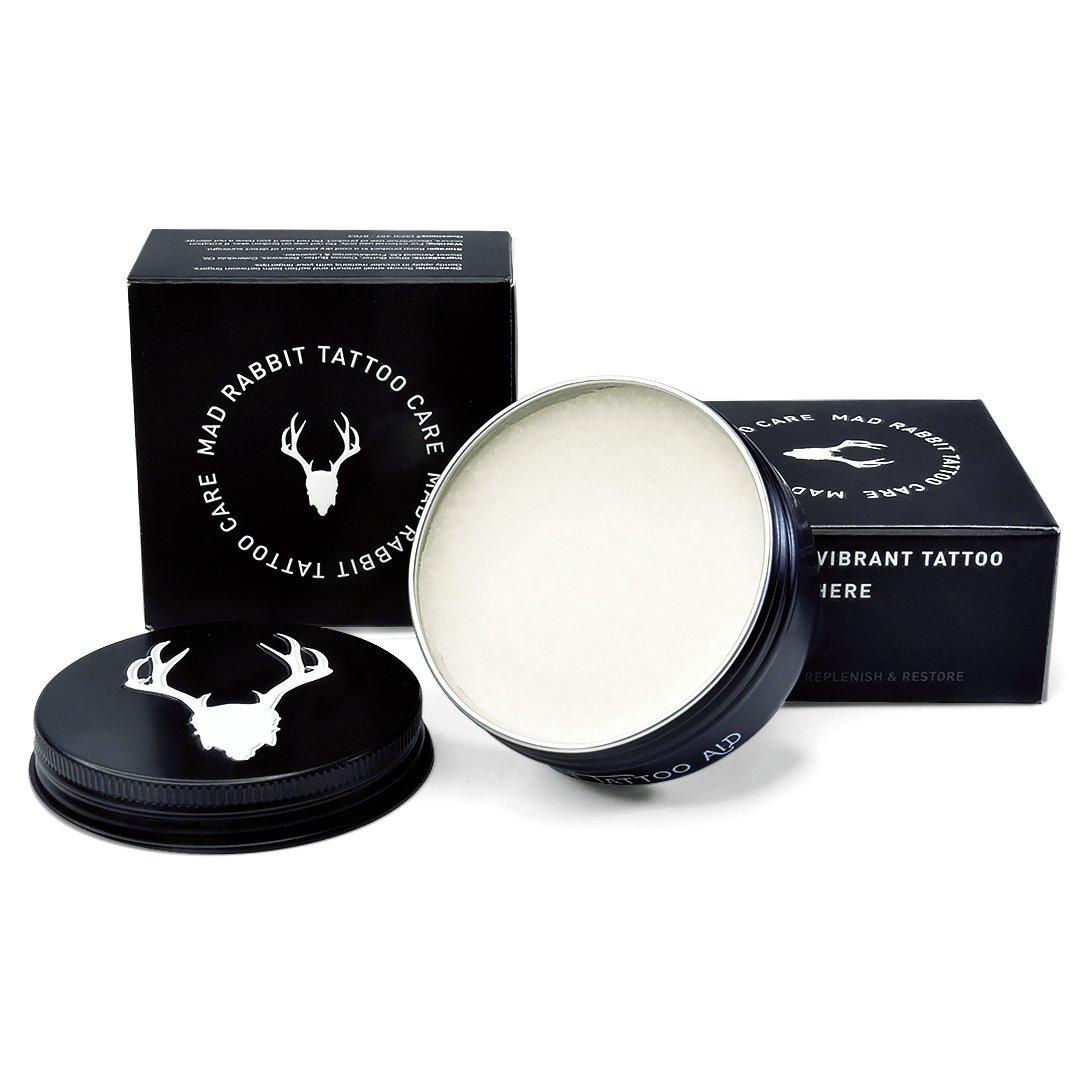
Tattoo Balm