Tattoos in Embarrassing Spots: The Questions You're Too Awkward to Ask
Getting tattooed on your ribs, inner thigh, sternum, or lower back? Here's what actually happens in the room — exposure, positioning, numbing, and aftercare — without the clinical FAQ energy.
There’s a specific set of questions that people research obsessively before a tattoo appointment but never actually type into Google because they’re afraid of the results. Things like: Will I be completely naked? Can my artist tell I’m nervous? Is it weird if I get, uh, cold?
This is that guide.
Getting tattooed on your ribs, sternum, chest, inner thigh, or lower back is more common than you’d think — and these spots come with real logistics that nobody tells you beforehand. Here’s what actually happens in the room, minus the clinical FAQ energy.
What “Exposure” Actually Means
Let’s start with the most common fear, because it’s legitimate: you will have to expose skin, but “exposure” here is usually far more contained than your brain is imagining.
Ribs: You’ll remove or pull up your shirt. If you’re wearing a bra, the back clasp usually gets undone and moved out of the way, or you’ll be asked to wear a strapless or sports bra. Most artists use rolled towels or small foam supports to angle you correctly. You’re on your side or tilted, shirt up or off, bra straps moved. That’s it — not a full undressing.
Chest/Sternum: Depends heavily on exact placement. For sternum work centered between your breasts, an underwire bra stays off because it’s directly in the way; a sports bra sometimes works, sometimes doesn’t. For pieces that start above the collarbone and work downward, you may keep more on. For a full chest piece, expect to open your shirt fully. The artist needs consistent access without the fabric shifting.
Lower back: Pants down a few inches, shirt tucked up. Boring, actually. You’re lying face-down on a padded table. Nothing dramatic.
Inner thigh: This one’s the one people actually lose sleep over, and fairly — it requires real exposure. You’ll typically lie back with your leg extended or bent outward, shorts pulled up or off, and the artist works in close. It’s genuinely close contact with someone you’ve known for maybe twenty minutes. This is where choosing an artist you’ve actually vetted matters more than anywhere else. More on that below.
Hip/pelvis: Similar to inner thigh. Pants down far enough for full access to the placement. Your artist will use a positioning pillow or rolled towel to keep you stable.
Is There a Gown?
Some shops have them. Most don’t.
Nicer shops — particularly ones that specialize in fine-line work or cater to a lot of first-timers — often keep a few paper gowns or drapes around for exactly this reason. You can ask when you book. “Is there anything you’d suggest I wear or bring for a rib piece?” is a completely normal question that artists field constantly.
If there’s no gown, your artist will typically use a folded paper towel or small barrier cloth to cover adjacent skin that doesn’t need exposure. It’s a practical hygiene thing as much as a modesty thing — they don’t want ink or stray petroleum product on your clothes either.
If having a drape or covering matters to you, just say so at the start of the session. “Is there something I can cover with?” is a reasonable ask and good artists will sort it without making it weird.
How Artists Actually Think About This
Here’s the thing: your artist has been doing this long enough that anatomy stops being a charged subject. Not because they’re robots, but because they spend their days looking at skin as a working surface — figuring out how the curve of a rib cage will affect how a design sits, how much the hip bone will distort a line if you shift your weight, how lower-back placement compares across five different clients in a row.
That said, good artists are also aware that you’re a person sitting in their chair who might be nervous. The professional ones check in during positioning, give you a moment to adjust, tell you what they’re about to do before they do it. They’re not hovering or clinical about it — they just move through the process like professionals.
If an artist makes you feel uncomfortable before you even start — off-color comments, boundary-testing, dismissing your questions — leave. That behavior doesn’t improve once you’re in the chair.
Can You Bring Someone?
Most shops: yes, one person. Call and ask when you book, because policies vary. Some shops have strict one-guest rules because the room is small. Others are more flexible. A few — particularly appointment-only private studios — prefer solo clients because a friend in a small space makes positioning awkward.
When you bring someone, their job is basically to exist quietly near you. The good friend for a tattoo appointment is the one who can hold your hand without asking the artist twenty questions. See tattoo appointment etiquette: what to bring, what to skip, who to bring for the full breakdown.
If your reason for wanting someone present is genuine anxiety — not just company — tell the artist that. They can often adjust their communication style (more heads-up before contact, more frequent check-ins) in ways that help more than a friend standing in the corner.
The Inner Thigh Problem
It deserves its own section because it has the most moving parts.
The inner thigh is among the more painful spots to get tattooed — the skin is thin, there’s not much muscle beneath it, and it’s neurologically sensitive. See tattoo pain by body part: what actually hurts and why for the full breakdown, but the short version is: expect it to hurt more than you think.
On top of the pain, there’s the proximity issue. You’re positioned with your legs open or bent outward while someone works inches from your groin. It’s not how you’d typically sit with a stranger. The first time, this is genuinely awkward — not catastrophically, but enough that acknowledging it to yourself beforehand helps.
What makes it manageable:
- Book with an artist you’ve already met (consultation in person, or at minimum extensive portfolio research + real communication on Instagram DMs)
- Be straightforward at the start: “I’ve never had work there before, this is a little weird for me” — most artists will appreciate the honesty and adjust their approach
- Wear shorts you can pull up, not tight leggings you have to peel off mid-session
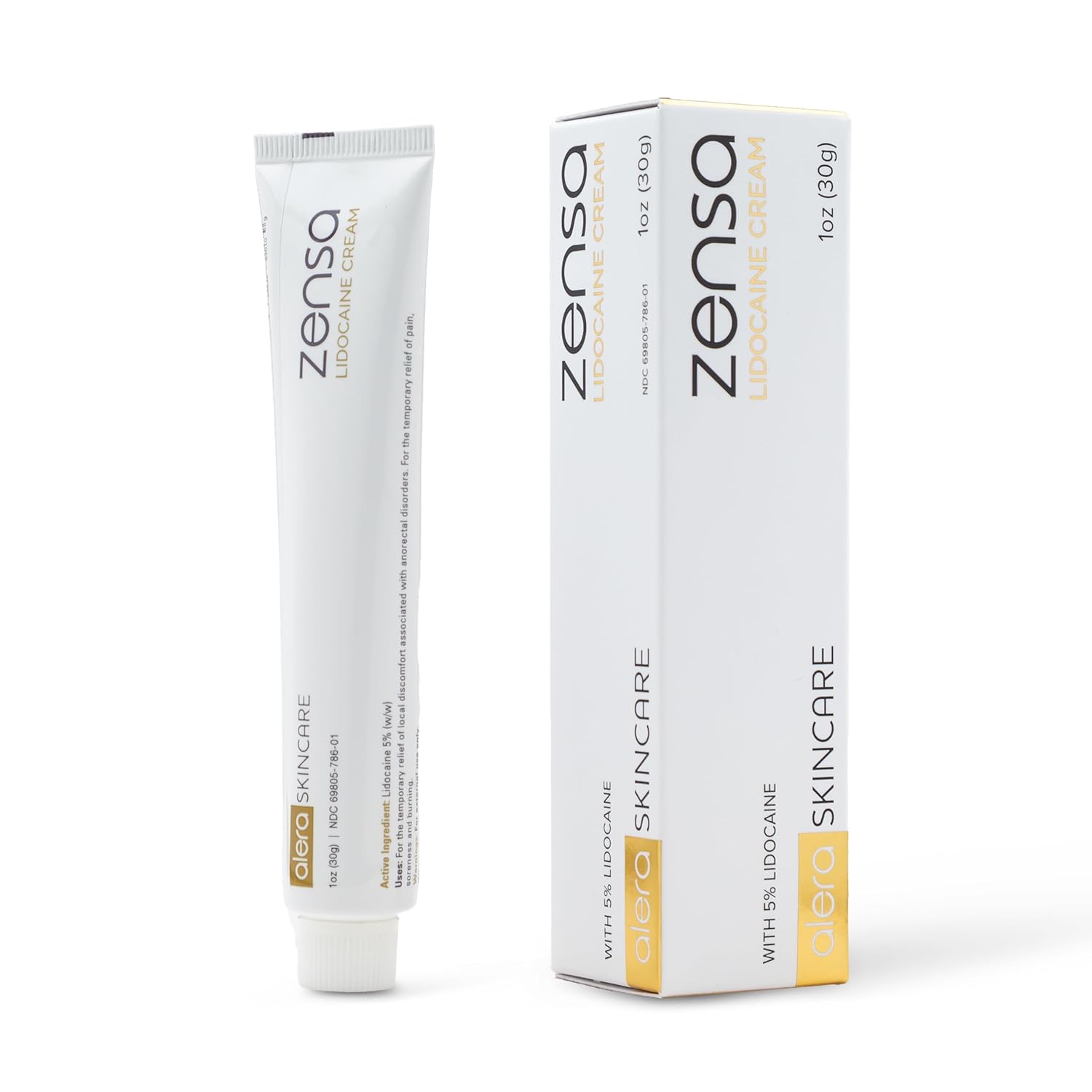
- Numbing cream is legitimate here and worth considering: /go/zensa-numb/ (
$36 for the Zensa 5% lidocaine, water-based so artists don’t hate the residue) or /go/ebanel-numb/ ($18, same concentration, slower onset) — see best numbing cream for tattoos for which to pick and how to apply it correctly for thigh placement
Ribs: The Other One People Dread
Ribs hurt. They hurt because there’s very little between the skin and bone, and because deep breathing during the session moves the whole canvas. Most artists will tell you to take shallow breaths if you’re having trouble — it’s a real technique, not a platitude.
For rib placement specifically, the recommended pre-numbing protocol is to apply the cream earlier than you would for other spots — closer to 90 minutes before — and cover it with plastic wrap to keep it active. Check instructions for whatever cream you use, because this is not a spot where “eh, I’ll apply it on the way there” works.
The exposure for rib work is genuinely minimal compared to what people imagine. You’re on your side, shirt off or up, arm raised or resting on a support. It’s less complicated than an inner thigh or sternum piece in terms of positioning. The pain is the main event; the logistics are boring.
Asking for a Specific Artist’s Gender
This comes up most with inner thigh, hip, and breast/chest pieces, and it’s completely normal to have a preference.
You can request a specific artist or ask whether the shop has female artists when you book. You don’t need to explain your reasoning. If the shop makes you feel like you owe an explanation, that’s information about the shop.
That said, this is also a reason to book directly with a specific artist rather than just “any available appointment” — you know who you’re getting, you can check their portfolio, and you’ve had at least one conversation with them before you’re lying on their table.
What to Wear: Placement-Specific
| Placement | Wear | Avoid |
|---|---|---|
| Ribs | Loose button-down, sports bra | Underwire bra, tight layers |
| Sternum | Loose button-down or zip-up | Pullover of any kind |
| Chest (upper) | Button-down, easy access top | Anything you pull over your head |
| Lower back | Low-rise pants, no belt | High-waisted anything |
| Inner thigh | Loose shorts, drawstring waist | Leggings, skinny jeans |
| Hip/pelvis | Low-rise, easy waistband | Shapewear, belts |
After the Session
A few placements have annoying aftercare complications:
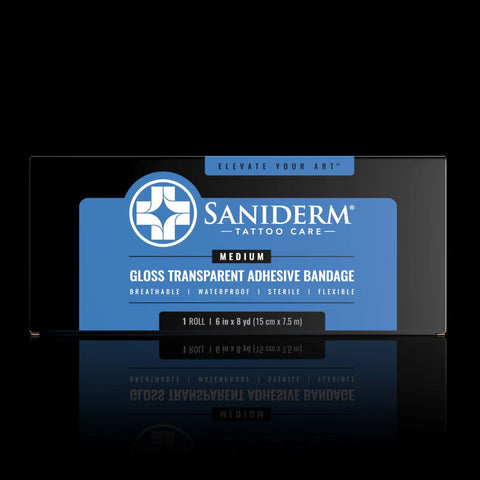
Ribs: The wrap adheres well but breathing moves it constantly. Saniderm (/go/saniderm-bandage/) works better than cheaper wraps here because it stretches with your torso — a more rigid bandage will peel at the edges within hours. Expect to anchor the edges with additional strips if the piece is large.
Inner thigh: Skin-on-skin contact. This is an area where the wrap lifting is a real risk. Sleep with a light fabric between your legs for the first few nights if you’re a side sleeper. Keep the wrap clean and change it on schedule.
Lower back: Sitting. You’ll notice. The wrap will peel from the center if you’re in a chair all day — consider standing desk time or cushioning, and check the edges daily.
For a broader overview of what comes next regardless of placement, tattoo healing stages covers the full timeline.
The Honest Bottom Line
Yes, getting tattooed somewhere that requires real skin exposure is a little awkward the first time. That’s just true. It gets less weird after that, partly because you know what to expect and partly because the experience demystifies it.
The artists doing this work regularly see the whole spectrum of body types, anxiety levels, and comfort zones. They are not evaluating you. They are thinking about how to get clean lines on a curved surface while you breathe.
The best thing you can do to make the session feel less charged: ask your questions before you’re in the chair. Most of what makes these appointments feel weird is the unknown. Once you know what’s actually going to happen, it stops feeling like something to dread and starts feeling like what it is — a long appointment in a room with a professional.
That, you can handle.
Numbing Cream 5% Lidocaine

5% Lidocaine Numbing Cream