Tattoo Appointment Etiquette: What to Bring, What to Skip, Who to Tip
Nobody hands you a rulebook before your first tattoo appointment. Here's the unwritten etiquette: tipping percentages, what to actually pack, whether to bring a friend, and what will quietly annoy your artist.
Nobody gives you a briefing packet before your first tattoo appointment. You figure out most of the unwritten rules by watching other people, asking friends, or, more often, making small mistakes you only recognize in retrospect.
This guide covers the stuff artists wish clients already knew: what to actually bring for a long session, whether to bring someone with you, how tipping works, what happens if you’re running late, and a few things that will quietly tank your relationship with the person holding a needle.
What to Actually Bring
The basics
Photo ID. Shops are legally required to verify age. Forget it and your appointment doesn’t happen.
Your deposit receipt or confirmation. Not strictly required, but useful if there’s any mix-up at the front desk.
Cash for your tip. Card tips are increasingly possible, but cash is still cleaner: it goes directly to the artist, with no processing fee or end-of-day settlement delay.
Comfortable, accessible clothing. Wear something that lets the artist reach the area without you undressing entirely. Getting a calf piece in tight jeans means you’ll be sitting awkwardly for three hours. Getting a hip piece means you’ll need to expose it, so dress accordingly, without making it a whole thing.
For sessions over two hours
A long session is essentially a workday. Treat it that way.
Snacks and a drink. Your blood sugar will drop. This isn’t hypothetical: it’s one of the most common reasons people feel faint mid-session. Pack something you can eat without making a mess: granola bars, jerky, fruit, crackers. Bring water or a sports drink. The shop may have snacks available, but count on nothing. (See the eating and hydration guide for more detail on what to eat before you even arrive.)
A phone charger or portable battery. You’re going to be staring at your phone a lot. Your USB-C cable and a small power bank take up almost no space and will make a four-hour session significantly more bearable.
Headphones. Not required, but earbuds let you disappear into a podcast or playlist without forcing the artist to compete with your speaker. Most shops have music playing anyway; headphones are for when you want to tune out entirely.
Layers. Shops keep the temperature low for infection control reasons. You might be sweating during a rough patch and then freezing between breaks. A zip-up you can pull off and put back on without disturbing the artist is ideal.
Something to occupy your hands, or just be prepared to be bored. Watching something on your phone is fine. Reading works if you can hold still. Some people zone out completely. The wrong choice is trying to check email and respond to messages while the artist is working on your arm; moving around while they’re laying lines is how you ruin the piece.
Who to Bring (and Who to Leave Home)
One person: probably fine
A single friend or partner for moral support is generally acceptable. Check with the shop first: many studios have a one-guest policy, and some restrict guests from the work area entirely (often for hygiene or space reasons, not because they’re being difficult).
A good support person sits quietly, doesn’t interrupt the artist with questions, and takes cues from you on when to talk. The best thing they can do is show up with snacks and know when to shut up.
More than one: don’t
More than one guest stops being support and starts being an audience. Your artist has to manage the room, answer their questions, and keep their focus on the work simultaneously. This degrades the session for everyone, including you.
Kids
Most shops do not allow minors in the work area. Some prohibit them entirely. Don’t bring your kid to a tattoo appointment without checking first, and if the shop says no and you show up anyway, you will be asked to reschedule.
Tipping: The Actual Numbers
Tipping a tattoo artist is expected in the US. It is not optional the way it is at some other service businesses: artists typically pay shop fees or rent their chair, and the rate you’re charged reflects the shop’s economics, not just the artist’s take.
20% is the standard baseline. It’s the number to start from, not the ceiling.
Go higher when:
- The piece is complex and the artist spent significant time on the custom design before your session
- They did exceptional work under difficult conditions (weird placement, multiple revisions, long day)
- The session ran long and they didn’t charge for the overage
- It’s a multi-session project and you want to signal you’re a client worth keeping
Go lower when:
- Something went genuinely wrong, not just “it hurt more than expected” but an actual problem
- The artist was visibly unprofessional in a way that affected the work
For a $200 session, tip $40. For an $800 session, $160 is standard; $200 is generous and will be remembered. For a $300 minimum, $60 is the floor. Cash, directly to the artist.
The full breakdown, including multi-day trips, walk-ins, and shop minimums, is in the tipping guide.
Running Late and Rescheduling
Arriving late
Most shops build in a 10–15 minute buffer. If you’re more than 15 minutes late without calling ahead, you’re eating into your actual session time, you may lose your slot entirely, and you’ve started a professional relationship on a bad foot.
If you’re going to be late, call, not text, as early as possible. Artists have other clients and can adjust their day if they know. Walking in 20 minutes late with no warning is the version that gets you quietly deprioritized as a repeat client.
Rescheduling
Life happens. Artists know this. The etiquette is: give as much notice as possible, and expect to lose your deposit if it’s short notice (under 48–72 hours is the typical cutoff, but every shop has their own policy).
What shops resent isn’t rescheduling; it’s last-minute cancellations that leave an empty slot they can’t fill. If you have a genuine emergency, call immediately. Most artists will roll your deposit to a new appointment if you’re upfront about it. If you disappear without notice, the deposit is gone and you may not get rebooked.
Things That Are Considered Rude (Even If Nobody Says It to Your Face)
Haggling on the price. The quote is the quote. Asking “is that the best you can do?” after a tattoo artist has quoted you for custom work is the fastest way to make the session awkward. If the price is out of your range, say so honestly: most artists would rather help you scope down the piece to fit your budget than have you show up resentful.
Questioning every choice while they’re working. Some questions are fine. Constant second-guessing while the artist is mid-line is not. If you have concerns about placement or sizing, raise them before the needle starts. Once you’ve approved the stencil and they’ve begun, interrupting with “wait, can we move it up a little?” is genuinely disruptive to the work.
Showing up drunk or high. Most shops will turn you away. Alcohol thins the blood and affects judgment: it’s both a safety issue and a liability issue. If you show up impaired, you’ll lose your deposit and your slot.
Bringing your design somewhere else after they spent time consulting. This is the industry equivalent of stealing work. If an artist spent significant time on a custom concept during your consultation and you take that design to someone cheaper, it will get around. The tattoo community is smaller than you think.
Canceling multiple times. One reschedule with notice: totally fine. Two with notice: artists get cautious. Three times for any reason: don’t be surprised if you stop getting callbacks.
Numbing Cream: Bring It or Don’t?
This is a genuine logistical question, not just a comfort one. Some artists are fine with it, others aren’t: oil-based numbing creams can interfere with ink saturation, and any cream that causes skin swelling affects how the needle moves through tissue.
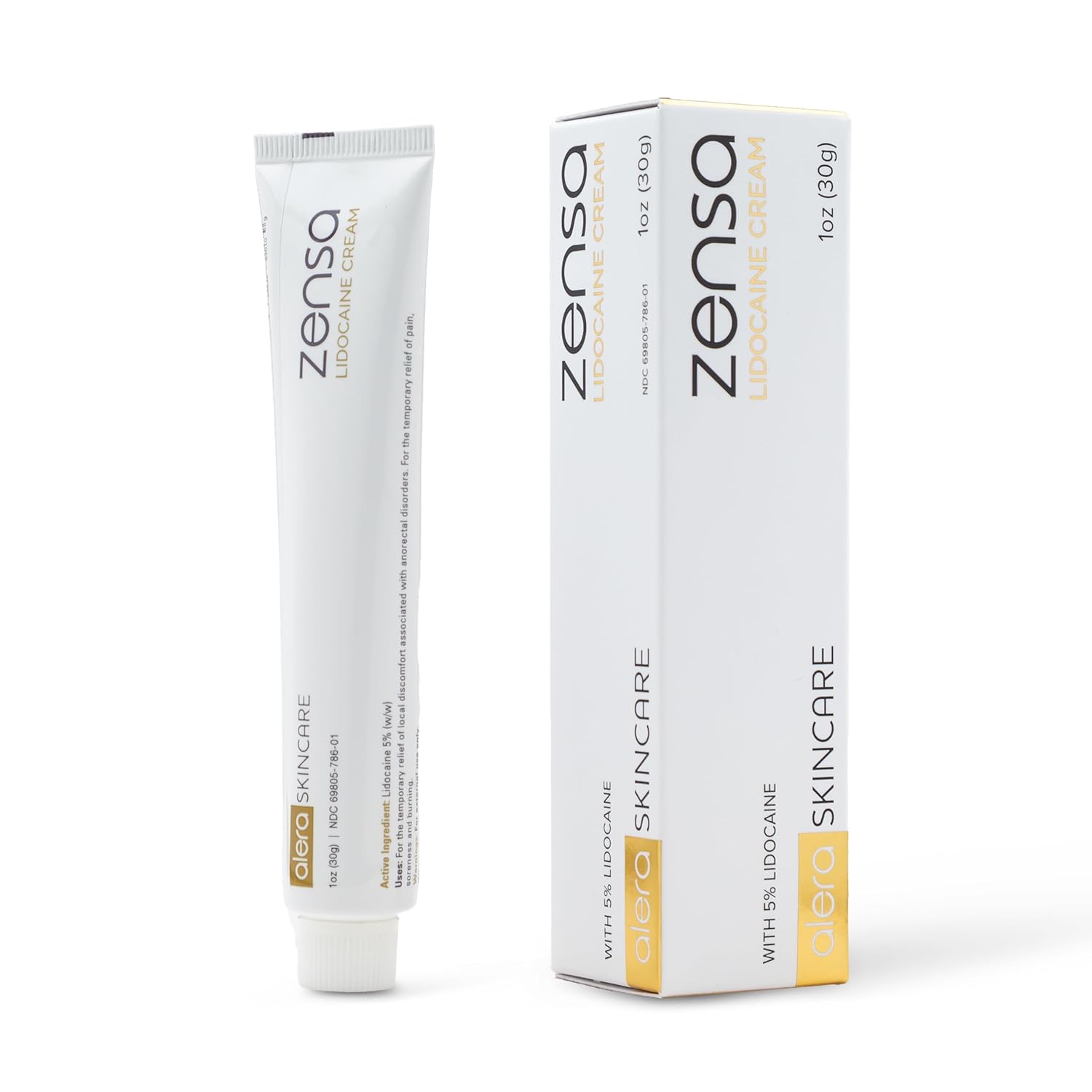
If you want to use numbing cream, ask your artist during the consultation or at booking, not the morning of your appointment. If they say yes, Zensa is water-based and the formulation most commonly stocked at shops; it won’t leave an oily residue that artists complain about. Ebanel is a cheaper option with the same 5% lidocaine concentration, though onset is slower (allow 60 minutes). Apply at home before you leave, following the product’s instructions, not in the shop bathroom after you’ve arrived.
Both wear off in 60–90 minutes, which means they help with the beginning of a session more than the end on anything longer than an hour. Plan accordingly.
More on how these compare: best numbing cream for tattoos.
A Few Things You Don’t Need to Bring
Your own aftercare products. The shop will send you home with enough to get through the first wash or two. Have something waiting at home for afterward (see the first-tattoo checklist for the short list), but don’t bring a bag of products to the appointment.
A printed reference image. On your phone is fine. Screenshots work.
A whole group. Covered above, but worth repeating: one guest, maybe.
If Something Feels Off Mid-Session
You’re allowed to speak up: about pain, about feeling faint, about something looking different than expected. You don’t have to white-knuckle through a problem. How and when to do that without derailing the session is its own topic: how to actually tell your artist something’s wrong mid-session.
The short version: speak up early, be direct, and don’t wait until you’re about to pass out.
Numbing Cream 5% Lidocaine
