CeraVe Daily Moisturizing Lotion Review: The Phase 2 Moisturizer Most Tattoos Need
Once peeling is done, a heavy balm is the wrong tool. CeraVe Daily Moisturizing Lotion at ~$18 does the job better and cheaper than most dedicated tattoo lotions.
| Product | Rating | Price | Get it |
|---|---|---|---|
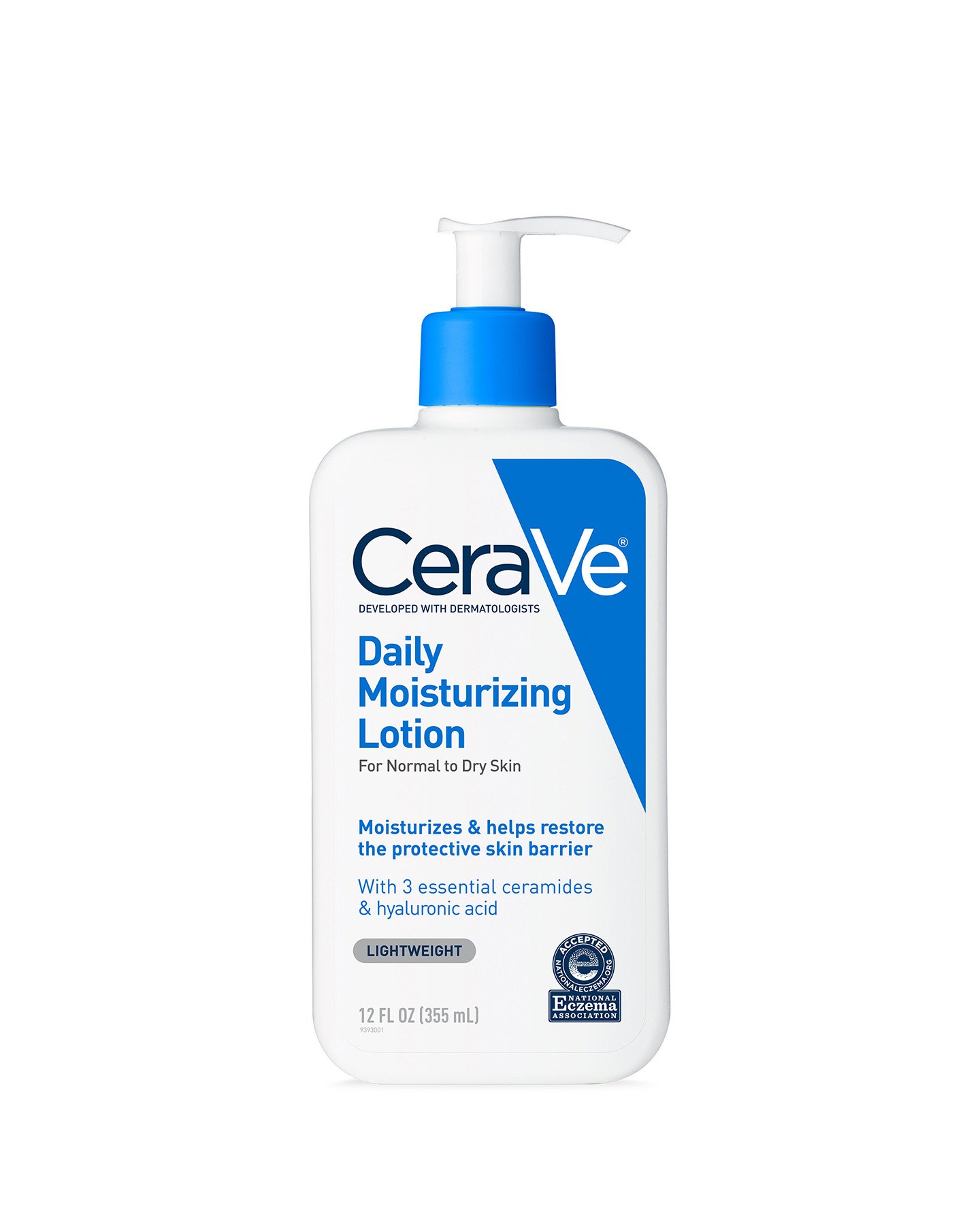
CeraVe Daily Moisturizing LotionOur pick For weeks 2–4 once the tattoo is done peeling. Ceramides + hyaluronic acid keep saturation looking fresh. | ★ 4.7 146,692 reviews | $18.13 | |
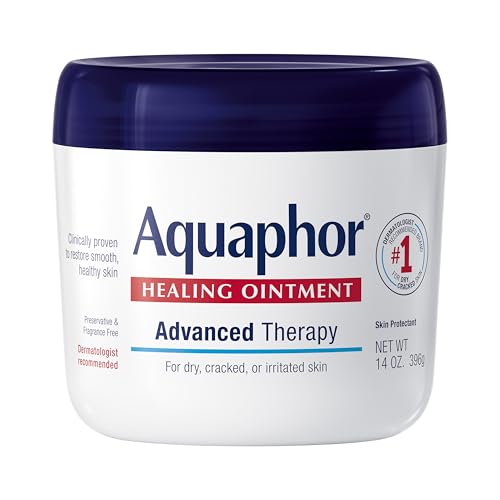
Aquaphor Healing Ointment The classic. Cheap, widely available, petroleum-based. Use thinly for the first 2–3 days only. | ★ 4.8 139,088 reviews | $18.37 | |
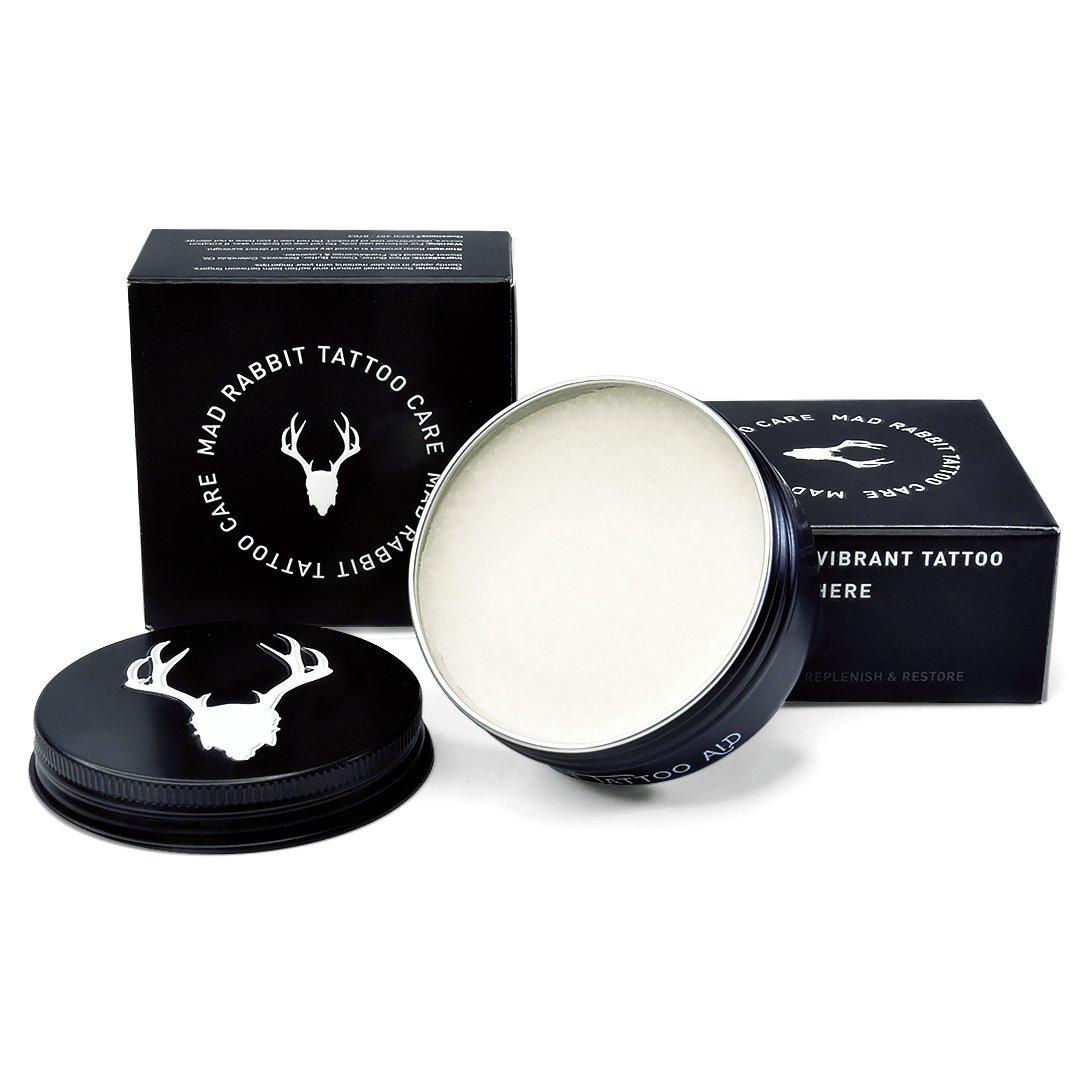
Mad Rabbit Tattoo Balm All-natural, vegan balm with the smoothest finish of anything we tested. Non-greasy, absorbs in seconds. | ★ 4.4 7,545 reviews | $18.85 | |
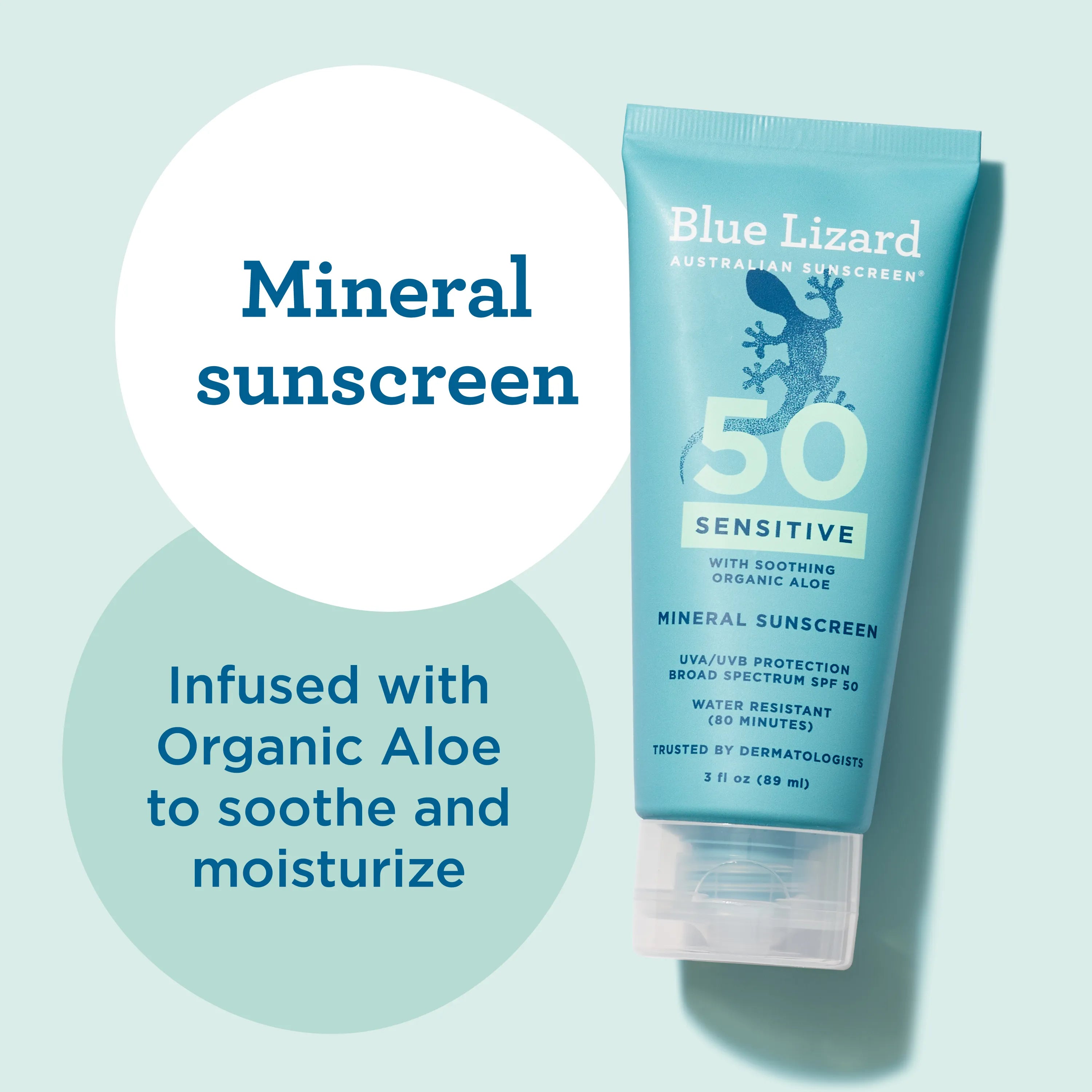
Blue Lizard Sensitive Mineral Sunscreen SPF 50 Mineral-only, fragrance-free. Once you're healed, sunscreen is the #1 thing protecting your ink from fading. | ★ 4.6 14,575 reviews | $15.94 |
Ratings and review counts reflect Amazon customer aggregates (last verified 2026-05-16). Prices change; check the live listing. We may earn a commission.
Disclosure: This post contains affiliate links. If you buy through them, we earn a small commission at no cost to you. We were not paid to write this review. See our full disclosure.
Almost every aftercare guide covers the first week. The Aquaphor, the thin layers, the twice-daily washing. What most guides skip is what comes after the peeling phase ends, roughly weeks 2 through 4 and beyond. That gap is where CeraVe Daily Moisturizing Lotion belongs.
It is not a tattoo product. It does not have a tattoo on the label or a price to match. At around $18 for a 19-oz bottle, it costs less per ounce than nearly every dedicated aftercare lotion on the market, and the formula is built around the same two ingredient classes that tattooed skin actually needs in the maintenance phase: ceramides and hyaluronic acid.
Why the first-week products stop being the right tool
A new tattoo is a wound. For the first several days, the goal of any product you put on it is to protect damaged tissue while it closes: limit moisture loss, keep foreign material out, reduce friction. That is what Aquaphor and heavier aftercare balms do well. Their petrolatum or shea base creates an occlusive layer over skin that is not ready to regulate itself yet.
By week 2, the situation changes. The peeling is mostly done. The surface has closed. The skin is not an open wound anymore; it is recently healed skin trying to rebuild its lipid barrier. What it needs at this point is barrier support: ceramides to replenish the lipids the healing process stripped away, and a humectant to draw water into the upper layers and hold it there.
Continuing to use a heavy balm past this point is not harmful, but it is overkill. You are applying a product designed for a different problem.
What ceramides and hyaluronic acid actually do
Ceramides are lipid molecules that exist naturally in the outer layer of skin. They are structural, filling the space between cells and forming the barrier that keeps moisture in and irritants out. A fresh tattoo disrupts that structure. The healing process slowly rebuilds it, but that rebuilding phase is when the skin is driest, tightest, and most likely to look dull.
CeraVe Daily Moisturizing Lotion contains three ceramides (1, 3, and 6-II) in a formulation developed with dermatologists. These are the same ceramides your skin already uses. Applying them topically helps restore the barrier faster and keeps the skin from drying out while it completes the recovery process.
Hyaluronic acid is a humectant: it pulls water from the environment and from deeper skin layers and holds it in the surface cells. This is what gives well-moisturized healed tattoos that saturation and depth. Dry skin scatters light; hydrated skin does not. The difference is visible in how colors read.
The lotion also contains niacinamide, which reduces surface inflammation and can help with the low-level redness that sometimes lingers after a large piece heals. Most people do not notice it specifically, but it contributes to why the formula works well on reactive or recently irritated skin.
CeraVe vs. dedicated tattoo lotions
The dedicated tattoo lotions in the $15 to $25 range include ingredients like shea, mango butter, vitamin E, and specialty botanicals that are genuinely useful in the early healing phase. Mad Rabbit Balm is a good example: a non-greasy, vegan balm with a solid early-healing formulation and a smooth finish. The price reflects the brand and the ingredient sourcing.
Past the peeling phase, the value equation shifts. Shea and mango butter are good moisturizers, but they are not more effective than ceramides for barrier repair, and they cost more per ounce. The “tattoo-specific” marketing is mostly relevant in the first two weeks. After that, a well-formulated general lotion often works better on previously disrupted skin, and CeraVe is specifically designed for barrier repair.
There is also a practical argument: CeraVe is available at every drugstore, grocery store, and big-box retailer. You do not need to order it online or stock up when it goes on sale. That availability matters when you are eight weeks out from a tattoo and just need to keep a healed piece moisturized.
For the early phase, the first ten to fourteen days, a heavier balm is the right tool. Once the peeling finishes, CeraVe competes directly on ingredients at a lower price.
The maintenance routine once healing is complete
The routine for a fully healed tattoo is simple and does not require more than two products.
Apply CeraVe Daily Moisturizing Lotion once a day, or twice if you work outdoors or wash your hands frequently and the skin feels dry. A small amount is enough; rub it in until it absorbs, which takes about thirty seconds. It is not greasy and does not require wait time before getting dressed.
On any tattooed skin that sees sun exposure, follow with a fragrance-free mineral SPF. Blue Lizard Sensitive Mineral Sunscreen SPF 50 is what we use. Lotion keeps the skin healthy; sunscreen is what protects the pigment. UV exposure is the primary reason tattoos fade over years, and no amount of moisturizer compensates for regular, unprotected sun exposure. The tattoo fading guide gets into the mechanism if you want the full picture.
That is the complete routine. Wash with a gentle soap, apply CeraVe, add SPF if it is a sun-exposure day. The complexity of early healing is not something you maintain forever.
Where to be skeptical
CeraVe will not fix color that faded during healing. Fading in the first few weeks is usually a product of how the skin healed, the pigment used, and placement, not a lotion problem. If colors look muted after healing is complete, the tattoo may need a touch-up.
It also has no SPF. Use it as a base layer and follow with sunscreen on anything exposed outdoors, including overcast days and time through a car window.
The pump bottle is prone to dispensing more than you need per use. The tub version is the same formula in a different container and typically cheaper per ounce. Either works; the tub is slightly better value for a daily-use product.
Our verdict
CeraVe Daily Moisturizing Lotion is the right product for the phase of tattoo care that most guides skip: weeks 2 through 4 and beyond, once the wound-care phase is done and you are maintaining healed skin.
Buy it if: your tattoo is done peeling and you want a ceramide-based daily lotion that costs less than any specialty tattoo product and does a better job for this specific phase. It doubles as an everyday moisturizer for non-tattooed skin, so the bottle does not go to waste.
Skip it if: you are still in the first week of healing. Use Aquaphor or a proper aftercare balm first, then switch to CeraVe when the peeling is finished. For a week-by-week breakdown of when each phase ends, the tattoo healing stages guide is the reference.
Daily Moisturizing Lotion
Healing Ointment
Tattoo Balm