Aquaphor Alternatives for Tattoo Healing
Aquaphor works, but it's not your only option. Here's when to stick with it, when to switch, and what the actual alternatives do differently.
Aquaphor has been the default tattoo aftercare recommendation for decades. Dermatologists like it, a lot of artists hand out sample packets, and it’s cheap and available everywhere. So why are people searching for alternatives?
A few legitimate reasons: some skin types don’t love a petroleum layer sitting on them for a week. People who run hot or sweat a lot find it clogs pores if applied too generously. Vegans want a product that doesn’t start with petroleum. And a wave of tattoo-specific balms over the last few years has given people options that didn’t exist when petroleum ointment was the only viable choice.
This guide covers when Aquaphor is actually fine, when it isn’t, and what the alternatives actually do.
When Aquaphor is fine
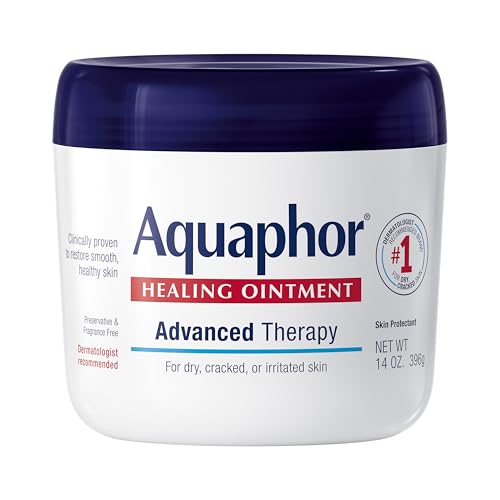
Let’s be honest before we replace it: Aquaphor works for the first two to three days. A very thin layer (you should be able to see skin texture through it) keeps a fresh tattoo from drying into a tight, cracky scab. That’s the job, and petroleum does it.
The problems are almost always application errors, not the product itself. A thick shiny coat suffocates the wound, traps bacteria, and can pull color when it eventually peels. Thin layer, short window, and most of the complaints disappear. See the full breakdown: Aquaphor vs. aftercare balm.
If you already have Aquaphor in your medicine cabinet and your skin handles petroleum fine, using it for the first couple of days is not a mistake.
The alternatives
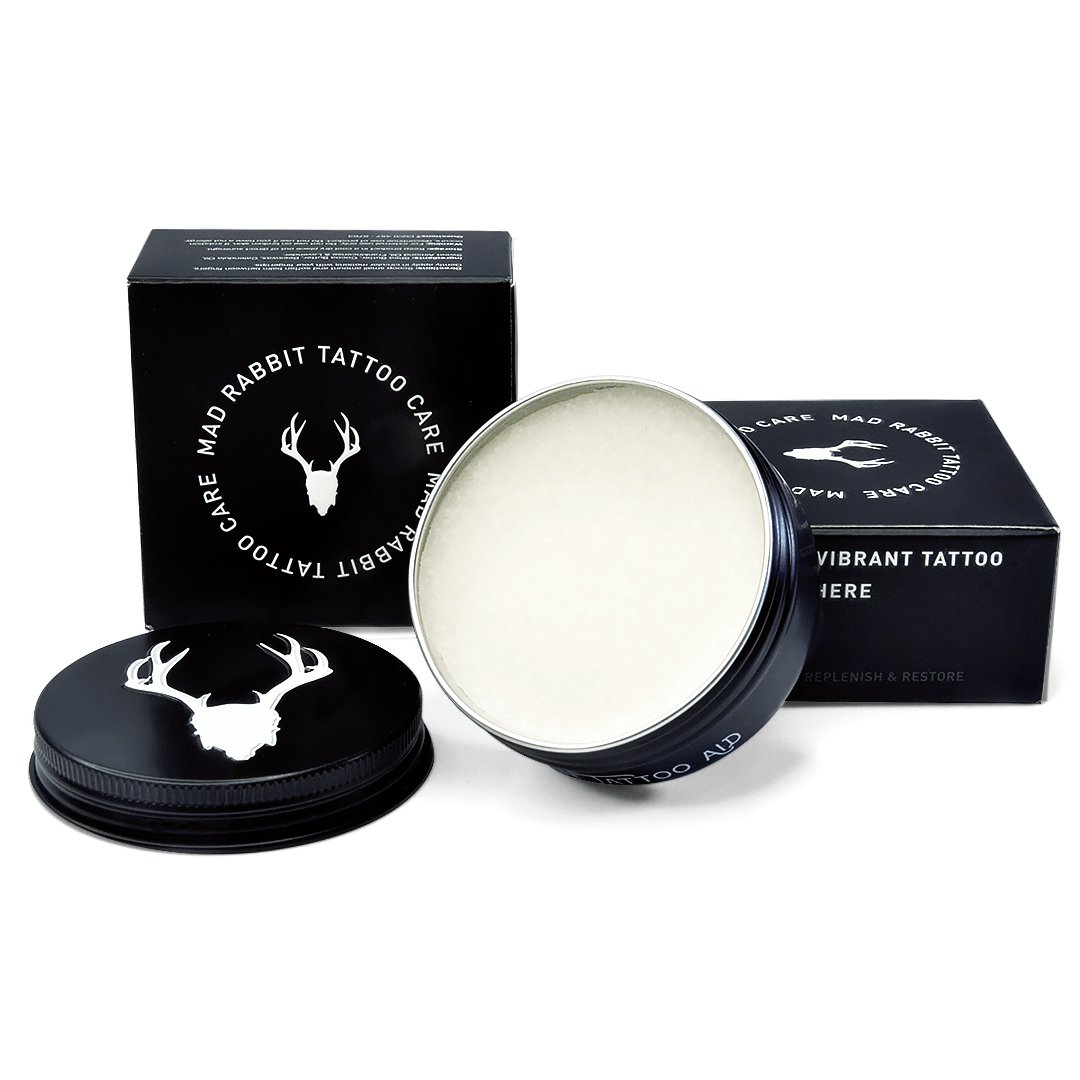
Mad Rabbit Tattoo Balm: the non-petroleum pick for after healing
Mad Rabbit is a vegan, petroleum-free balm built to absorb rather than sit on the surface the way a petroleum ointment does. The main ingredients are shea butter, cocoa butter, carnauba wax, calendula, and sweet almond oil. The vanilla coconut version is scented (it lists natural fragrance), so it isn’t the pick for reactive skin.
The catch for this comparison: Mad Rabbit markets the tin mainly for existing tattoos and sells a separate Soothing Gel for fresh ink, and the standard tin is scented. Its product page does say the balm can go on new tattoos, but we wouldn’t put a scented balm on an open wound, so we treat it as what you switch to once the tattoo has healed rather than a drop-in Aquaphor replacement. If you want Mad Rabbit during healing, the unscented Balm Stick is the one the brand sells for new and existing tattoos. It also costs more ($18.85 vs roughly $9 for Aquaphor), though you need very little per application. More: best tattoo aftercare.
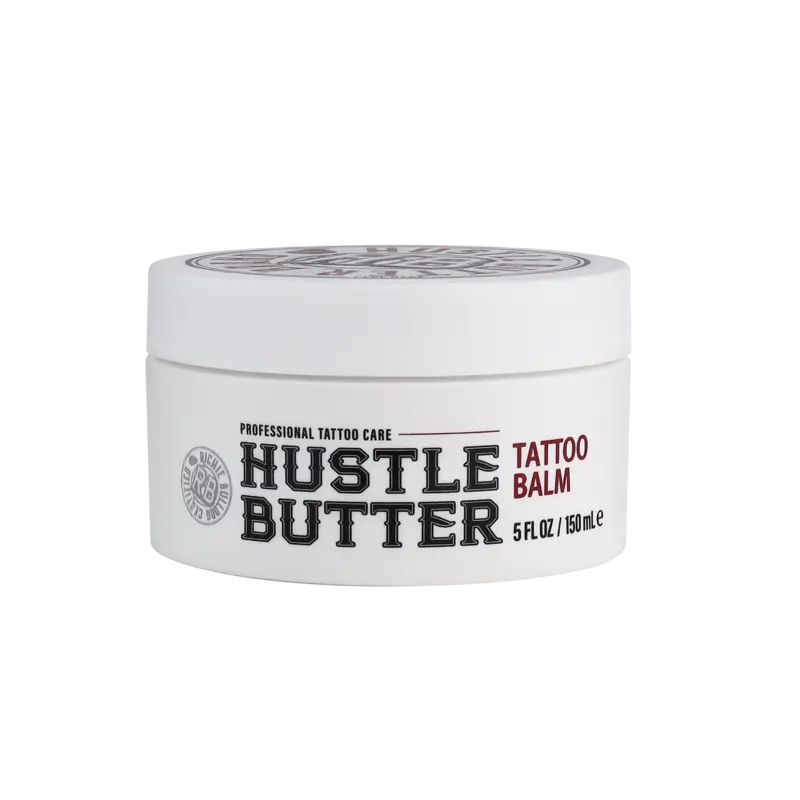
Hustle Butter Deluxe: the shop-floor standard
Hustle Butter is what you’ll find on the counter in a lot of shops because it works during the session (applied before needling to reduce trauma) and after. The base is shea and mango butters with plant oils: no petroleum, and the brand markets it as vegan. The standard Deluxe is scented; Hustle Butter also sells a fragrance-free version. It’s a bit greasier than Mad Rabbit on first application, then absorbs.
The dual-purpose angle is its main argument: one product from start to finish. If you’re getting work in multiple sessions or want to buy what your artist likely already uses, Hustle Butter makes sense. Of the non-petroleum balms here, it’s the one sold for use while the tattoo heals. At $25 it’s the pricier option, but the jar is generous. Full comparison: Mad Rabbit vs Hustle Butter.
INK-EEZE Green Glide: the artist-grade single-product workflow
INK-EEZE Green Glide is marketed primarily to artists as a work-surface lubricant, but it doubles as aftercare. Vegan, lavender-scented, and at $14.99 the most affordable of the tattoo-specific options here. The lavender scent is noticeable: a plus if you like it, a minus if you’re scent-sensitive. For people who want a true artist-grade product at a lower price point, it’s worth considering.
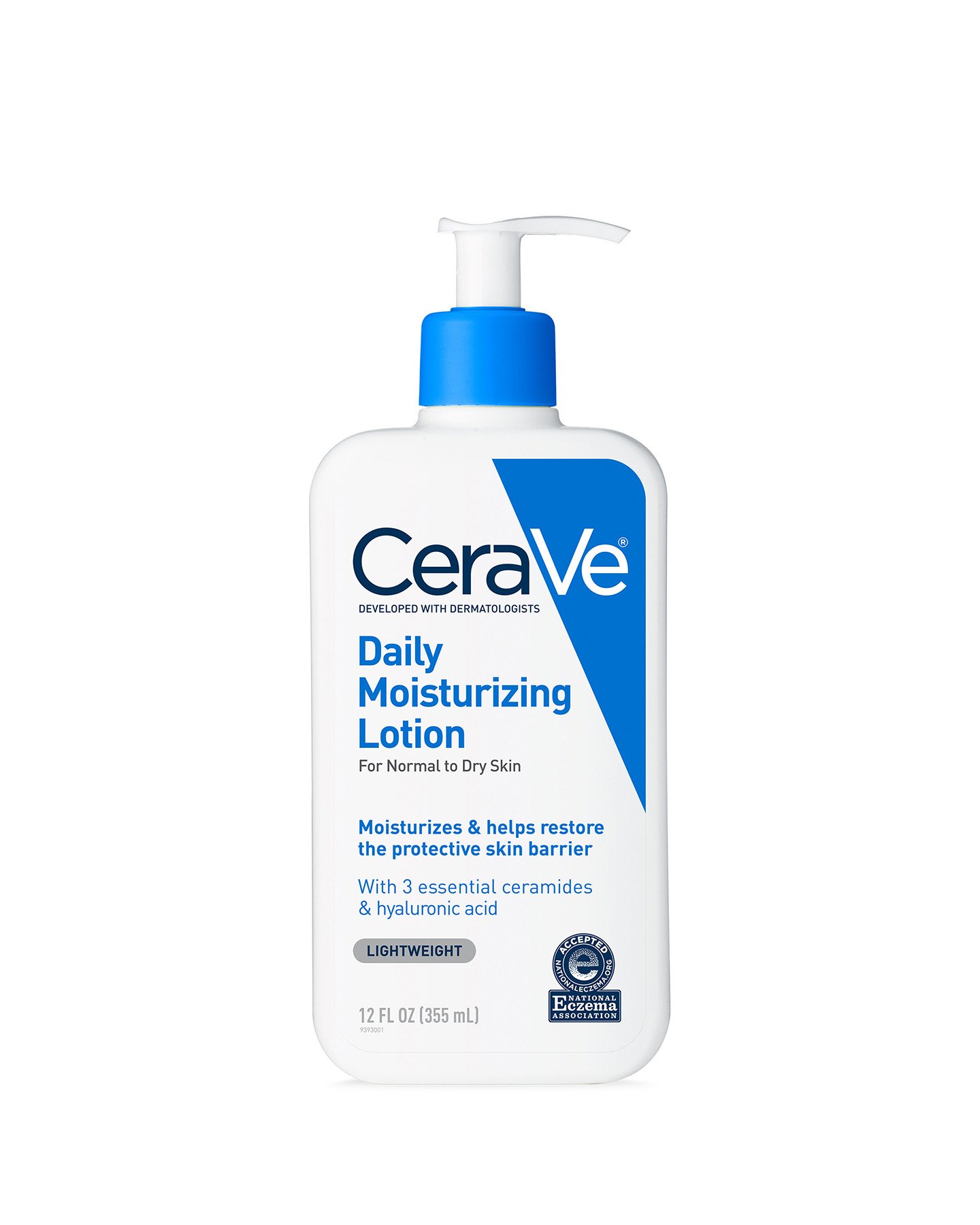
CeraVe Daily Moisturizing Lotion: weeks two through four
CeraVe doesn’t pretend to be a tattoo product, and that’s fine. It’s fragrance-free, loaded with ceramides, and does one thing well: keeps skin hydrated once the surface has started to close. Use it starting around day five or six when the tattoo moves from wound to peeling skin, and keep using it through week four.
It’s not the right choice for the first few days: too light, not protective enough. But as a follow-on to whichever balm you use in the acute phase, it’s excellent and you’ll probably already have it at home.
A&D Ointment: the old-school parallel
A&D is worth addressing because “A&D vs Aquaphor for tattoos” is a real question people ask. The short answer: they’re similar. Both are petroleum-based. A&D adds lanolin and vitamins A and D, which is why traditional artists often prefer it: slightly more emollient, slightly faster initial feel.
If your artist specifically recommends A&D, it’s a legitimate choice for the first two to three days. One caveat: lanolin is a known sensitizer, and if you’ve ever reacted to wool products or lanolin-containing cosmetics, skip it. Vegan balms have no lanolin by definition.
How to think about the phases
The real insight isn’t which product wins. It’s that different products suit different phases of healing. See tattoo healing stages for a full breakdown.
Days 1–3 (wound phase). The tattoo is an open wound. You want a thin protective layer. Aquaphor, A&D, or Hustle Butter all work here, or whatever your artist recommends. Apply thinly, two to three times a day, after washing gently with an unscented soap.
Days 4–14 (peeling phase). The surface starts to close and flake. You want hydration over occlusion. Hustle Butter holds up through this phase. CeraVe lotion is a good supporting option here.
Once healed, usually week 3–4 onward (long-term maintenance). Daily moisturizer and SPF whenever the tattoo sees sun. CeraVe or Mad Rabbit handles the former. Blue Lizard SPF 50 handles the latter, a mineral sunscreen gentle enough for healing skin.
You don’t have to buy five products. Hustle Butter alone covers days one through fourteen. But knowing the phases helps you understand why a petroleum ointment stops being useful after day three, and why that’s not a failure of the product.
The bottom line
Aquaphor isn’t broken. It’s just the default that predates better options. For anyone wanting to drop petroleum during healing, Hustle Butter is the swap and the shop-floor proven all-in-one. For tattoo-specific maintenance once you’re healed, Mad Rabbit. For budget-conscious healing that starts on day five, CeraVe.
The protocol matters more than the brand: wash, apply thin, repeat twice a day, don’t pick. Any of the products above will perform well if the application is right.
Tattoo Balm
Hustle Butter Deluxe
Healing Ointment