What not to do after getting a tattoo
Eight post-tattoo mistakes that damage ink, slow healing, or raise infection risk. What each one actually does, and what to do if you've already made it.
Every one of these is a mistake someone makes in the first two weeks. Some are obvious in retrospect. Some aren’t, because the instructions you got at the shop were rushed or you were already at the door when the artist was talking.
Here’s what each mistake actually does to a healing tattoo, and what to do if you’ve already made it.
Sun exposure on fresh ink
UV radiation breaks down pigment particles in the dermis, causing premature fading and uneven color drop-out. On a fresh wound, direct sun exposure also slows healing by increasing inflammation and degrading the collagen formation the skin needs to close. A new tattoo that blisters from sunburn can lose significant ink as the damaged skin sheds.
If the skin got red and raw but didn’t blister: cool water rinse, fragrance-free moisturizer, keep it covered or shaded. If it blistered, leave the blisters alone. Popped blisters on a fresh tattoo can pull ink. Let them flatten on their own, keep the area clean, and plan to show your artist at the 8-week mark so they can assess what healed vs. what needs a touch-up.
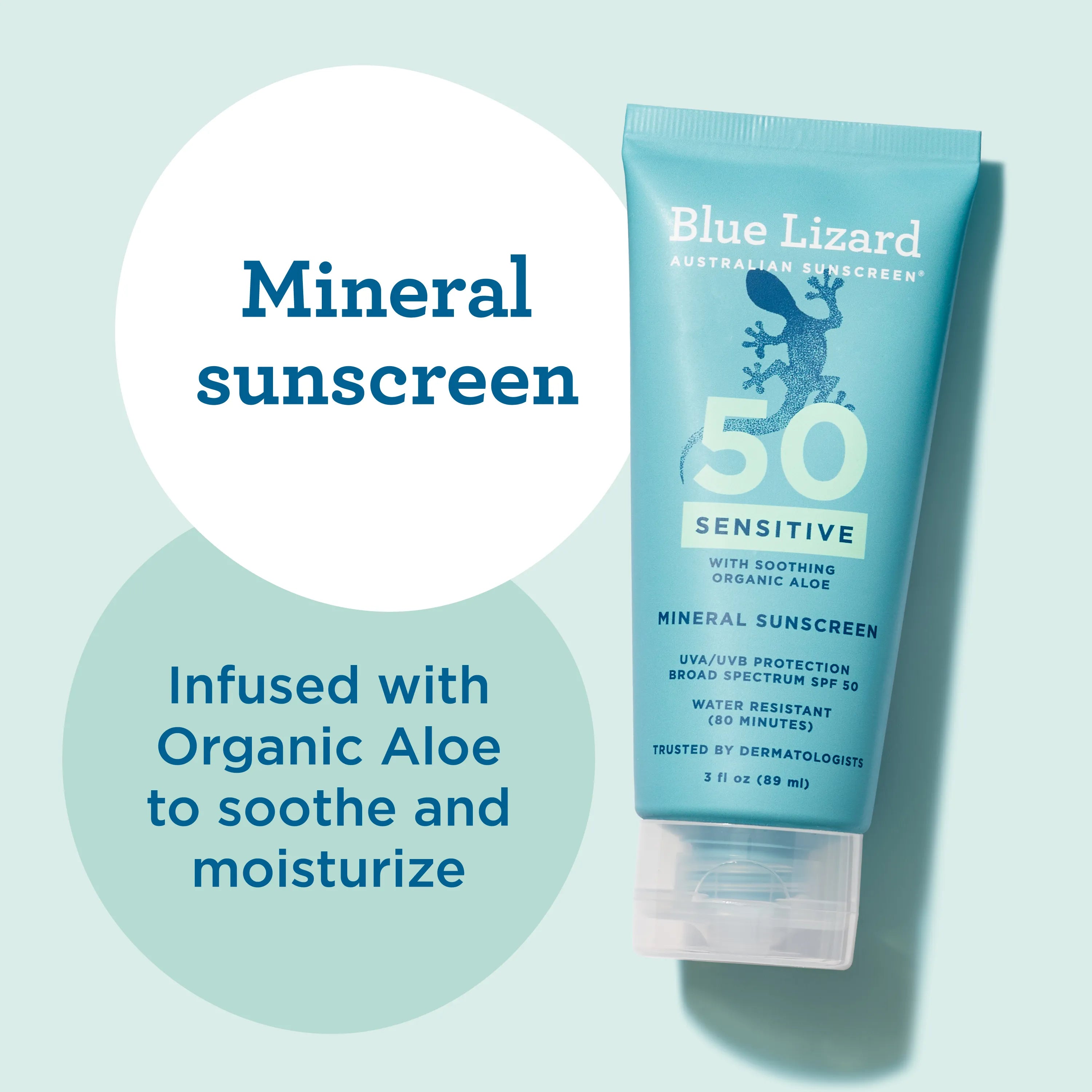
Once the tattoo is fully healed, SPF is the single most important long-term maintenance step for tattoo longevity. Black ink fades brown. Colors wash out. Fine lines lose definition. All of that is mostly UV. Blue Lizard Sensitive SPF 50 is mineral-only and fragrance-free; it’s one of the few sunscreens that won’t irritate reactive or recently-healed skin. For the mechanism behind fading, see why do tattoos fade.
Swimming and soaking
Pools, ocean, hot tubs, and lakes are off limits for at least two weeks, and more realistically until the tattoo has no more open patches or active peeling.
Chlorinated pool water carries bacteria even with proper treatment, and that bacteria can colonize an open wound. Ocean water adds its own bacterial load plus salt that dehydrates and irritates healing skin. Hot tubs are the worst of the three: warm, humid, and high in bacteria, which is ideal for an infection and bad for a fresh tattoo.
The soak problem is different: prolonged submersion in a bath softens the forming skin barrier and pulls ink out. You can actually see this in the first week if you ignore the rule: the bath water turns faintly cloudy. That ink loss shows up as patchy, washed-out color once healed.
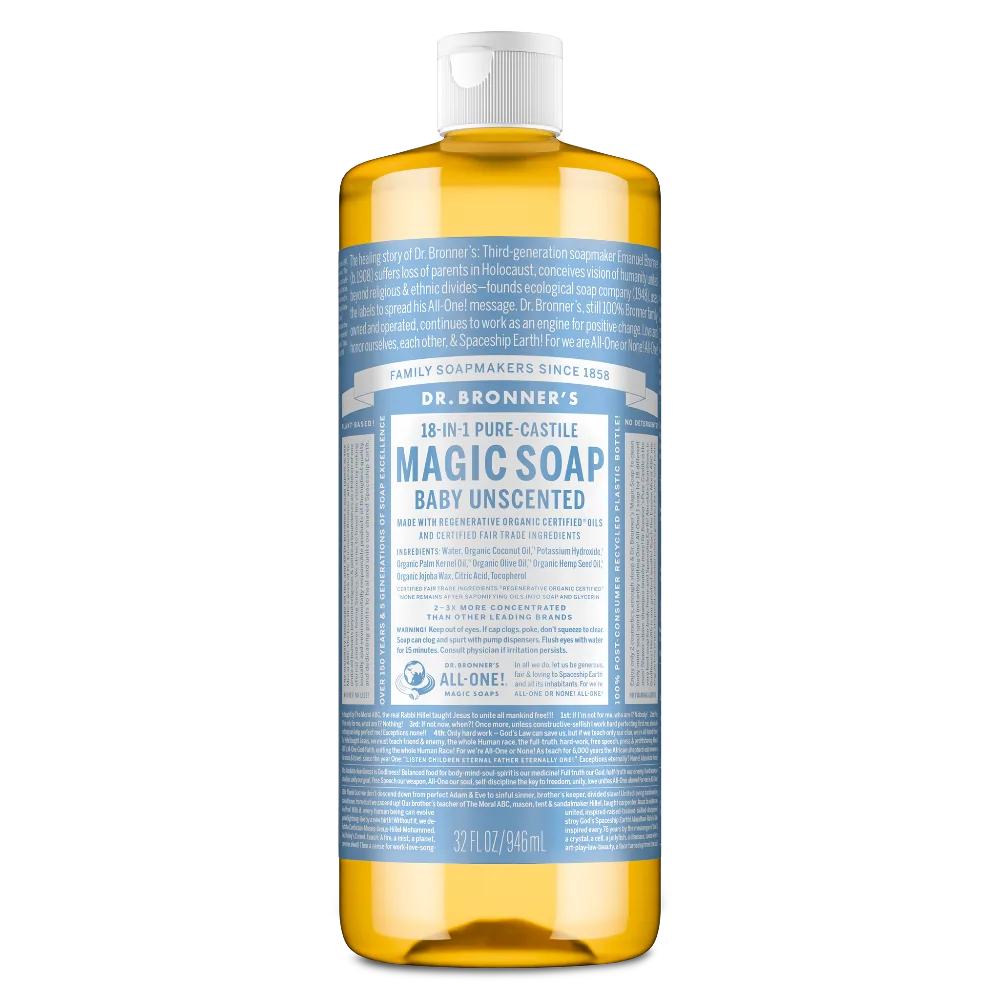
If you’ve already been in water: get out, pat dry, and wash with fragrance-free soap like Dr. Bronner’s Pure Castile Unscented. Watch the tattoo over the next 2 to 3 days for redness that’s spreading outward, heat after day 3, or discolored discharge. See a doctor if you see any of those. For a closer look at pool timing specifically, see can you swim after a tattoo.
Picking and peeling skin
Tattoo peeling looks exactly like sunburn peel, and the instinct to pull it off is the same. The difference is that the flaking skin on a healing tattoo is still attached at the dermal layer where the ink lives. Pulling a flake before it separates naturally can pull ink with it, leaving a light or patchy area, particularly in line work where a single pulled strip creates a visible gap.
If you’ve already picked some: stop and apply a thin layer of moisturizing balm over the affected area. Let the remaining skin finish the process on its own. Don’t try to evaluate the damage in the first 4 weeks; the cloudy, milky healing stage makes every tattoo look uneven during that window. The real read is at week 6 to 8, when the skin has fully settled. Document what you see at week 2 and again at week 8, so you have a comparison for a potential touch-up conversation.
For a breakdown of what different peel stages look like, see is tattoo peeling normal.
Tight clothing on fresh ink
Tight clothing over a healing tattoo does two things: friction that disrupts the forming skin layer, and prolonged fabric contact that traps moisture and limits airflow. Both extend healing time.
For placements where clothing contact is unavoidable (ribs under a bra strap, inner arm, foot), a second-skin bandage for the first few days protects the surface better than fabric will. After the bandage comes off, aim for loose, soft fabrics and as much airflow as possible for the first two weeks.
Wrong products
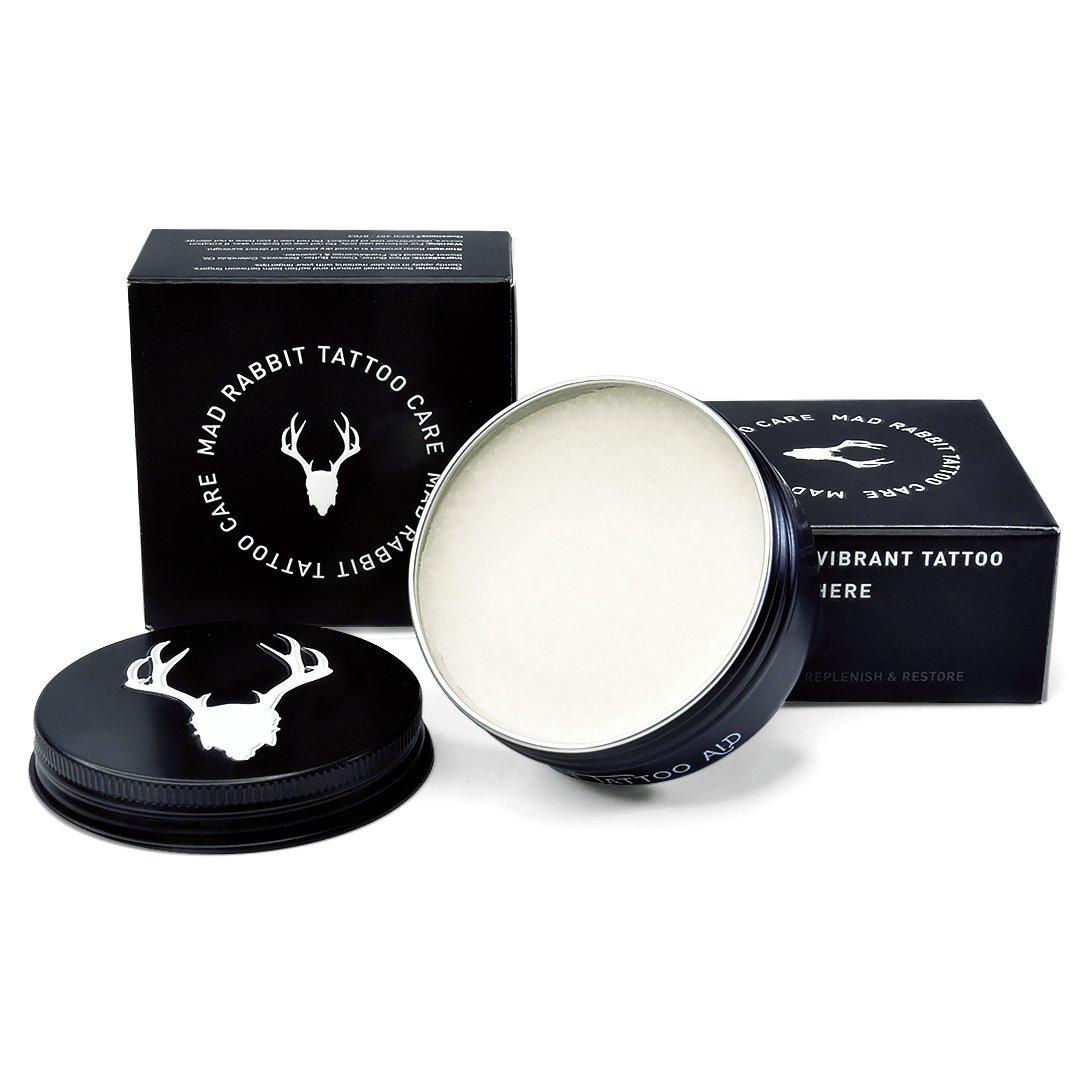
Petroleum overuse. Aquaphor and petroleum jelly have a place in early aftercare: a very thin layer for the first 2 to 3 days keeps the wound from drying into a hard scab. The problem is applying it thick and heavy. A petroleum layer that’s visibly glossy and wet seals out air, traps bacteria, and can affect ink retention. If you’ve been applying too much, scale back to a plant-based balm like Mad Rabbit Balm or Hustle Butter. Both absorb faster and won’t create the sealed-skin problem.
Fragranced lotions. Fragrance ingredients, synthetic or natural, irritate fresh skin wounds. This includes lavender, eucalyptus, and most essential oils that appear in products marketed as natural or soothing. The irritation can cause contact dermatitis that looks similar to an allergic reaction and slows healing. For the first month, use fragrance-free, dye-free products only.
Alcohol and astringents. Rubbing alcohol is sometimes grabbed from a first-aid kit as a cleaning step. Alcohol kills skin cells forming the new barrier over the wound, visibly dries and cracks fresh skin, and does nothing a proper wash with fragrance-free soap wouldn’t do better. The right cleaning approach is warm water and fragrance-free castile soap, nothing else.
Re-covering with plastic wrap past the first night
Some shops still send clients home with plastic wrap over a fresh tattoo. That’s a short-term protectant for the trip home, not a multi-day covering. Leaving non-breathable plastic wrap on for more than a few hours creates a warm, sealed environment where bacteria grow. Rewrapping with cling film after the first night is one of the more reliable ways to extend healing time unnecessarily.
If your shop used a second-skin bandage like Saniderm, the rules are different: those are breathable and designed for multi-day wear. Follow your artist’s timing on those. But if you’re reaching for plastic wrap to re-cover after the first 24 hours, stop.
Working out too soon
Heavy exercise on a fresh tattoo combines three problems: sweat introducing bacteria to an open wound, friction from skin-on-skin contact or clothing, and muscle movement stretching the healing skin. Each one on its own extends recovery time; together, they’re reliable enough that most artists flag it specifically.
The practical rule is to avoid workouts that leave you soaking through a shirt for at least the first week. Light walking is fine. Contact sports or heavy lifting near the tattooed area: two weeks minimum. The constraint is sweat and friction, not effort in general.
Skipping SPF once healed
This isn’t a week-one mistake. It’s the slow one that catches up at year 2 and year 5.
Unprotected sun exposure is the primary cause of tattoo fading over time. Every session without sunscreen is cumulative pigment degradation that no touch-up fully undoes. Apply SPF 30 or higher over healed tattoos any time they’ll be in direct sun. A mineral formula sits on top of the skin rather than absorbing through it, which tends to work better over tattoo pigment. Blue Lizard Sensitive SPF 50 handles this well and won’t irritate sensitive post-tattoo skin.
For context on what ongoing healing looks like through the first several weeks, see tattoo healing stages.
Pure-Castile Liquid Soap (Unscented)
Sensitive Mineral Sunscreen SPF 50