Is Tattoo Peeling Normal? What to Look For
Peeling and light scabbing are part of normal tattoo healing. Here's what looks right, what doesn't, and the one rule that protects your ink.
Yes. Peeling and light scabbing are a normal part of healing a new tattoo. If you’re somewhere between day 3 and day 10 and the skin is flaking off in thin, translucent sheets like a sunburn, that’s the right thing. The flakes will look faintly tinted with your ink color, which is alarming the first time you see it. The actual pigment is safe in the dermis underneath; what’s coming off is dead surface skin that picked up a little color on the way out.
The American Academy of Dermatology lists itching, flaking, and scabbing among changes that can occur during normal healing, while worsening pain, spreading redness, pus, fever, or chills point toward infection. This guide covers that distinction and the single rule that protects your ink while it heals. For the broader timeline, see our tattoo healing stages guide.
What normal peeling looks like
- Thin, translucent flakes. Picture sunburn peel, not eczema. The pieces should look almost like cellophane.
- A faint tint in the flakes. The color matches whatever’s underneath. Black tattoos shed grey-tinted flakes; color tattoos shed flakes in their corresponding hues.
- Roughly days 3–7 for dry-healed tattoos. Larger or denser tattoos can peel a few days longer.
- Itchy but not painful. The itch is the worst part of week 1. It is a healing signal, not a problem.
- No smell. Healthy peeling skin smells like skin.
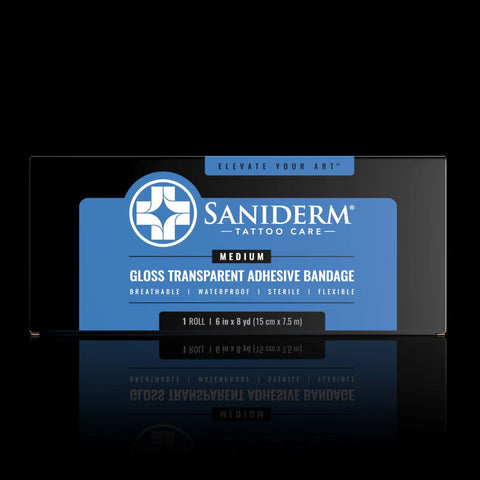
If you’re under a Saniderm wrap, the timeline shifts; see the Saniderm peel day-by-day breakdown for what to expect under second-skin. Wrap-healed tattoos typically shed later and more subtly, because the skin softens and releases gradually instead of drying and lifting.
What normal scabbing looks like
Light scabbing over linework is normal. The signs it’s the good kind:
- Thin and soft, sitting flat on the skin
- Light amber color, almost translucent
- Only over linework or heavily-saturated areas, not the whole tattoo
- Doesn’t weep when you press around it
That kind of scab falls off on its own as the skin underneath closes. You shouldn’t be able to feel it as a raised ridge.
What is NOT normal
If you see any of these, you’re past the reassurance phase of this guide:
- Thick, raised scabs: the kind that look like a knee scrape and pull at the skin when you move
- Scabs weeping clear or cloudy fluid past day 3
- Redness expanding outward from the tattoo edge rather than fading inward
- Foul smell: sweet, sour, or otherwise off
- Yellow or green discharge, especially with warmth or throbbing
- Red streaks radiating outward: this can be lymphangitis, which is a same-day urgent care visit
Real infection is uncommon if the shop was clean and you’ve washed properly, but it is a medical issue. Don’t text your artist about a possible infection; call a doctor or urgent care. Your artist can confirm whether something looks unusual, but they can’t prescribe antibiotics or rule out cellulitis.
The one rule
Don’t pick, peel, or scratch. Let the skin come off when it’s ready: in the shower, under your moisturizer, or onto your shirt. Skin that hasn’t released yet is still anchored to live tissue underneath, and that live tissue is holding the pigment in place. Pulling a not-ready flake takes ink with it, leaving patchy spots that need a touch-up later.
Tap-slapping the itch is fine. A short cool shower kills the itch faster than anything topical. If you absolutely have to do something with your hands, put a thin layer of unscented balm on the area; it relieves the tightness that drives the urge.
What to actually do while it peels
Three things, in order of importance:
- Wash once or twice a day with lukewarm water and a fragrance-free soap. Use your hand, not a washcloth. Pat dry with a clean paper towel.
- Moisturize lightly: a pea-sized amount of Hustle Butter or Mad Rabbit balm, worked in until the skin doesn’t look shiny. Reapply when the area feels tight, usually 2–3 times a day. More isn’t better.
- Cover when it’d otherwise get filthy: a loose cotton shirt is enough at this stage. Skip the gym, the pool, and direct sun.
A note on Aquaphor: it works, but excess use during the peel phase traps moisture against skin that’s trying to release. We have a full breakdown of Aquaphor vs. dedicated aftercare balms if you want the trade-offs. Either route is fine as long as you go light. If you’re not sure which moisturizer to pick, our best tattoo aftercare guide ranks the current options.
When peeling is finished
You’ll know the peel phase is over when the flakes stop coming off and the surface looks slightly dull, almost like a thin layer of frosting over the tattoo. That dullness is brand-new skin sitting on top of pigment that hasn’t fully settled yet. It lifts and reveals the final color over the next 2–4 weeks. Don’t judge how the tattoo “turned out” until you’re at least a month in.
If, after the peel phase, you can see a patchy spot where ink looks lighter or missing, that’s where a flake came off too early. Wait until the full 4 weeks are up, then talk to your artist about a touch-up. Most reputable shops include the first touch-up in the original cost.
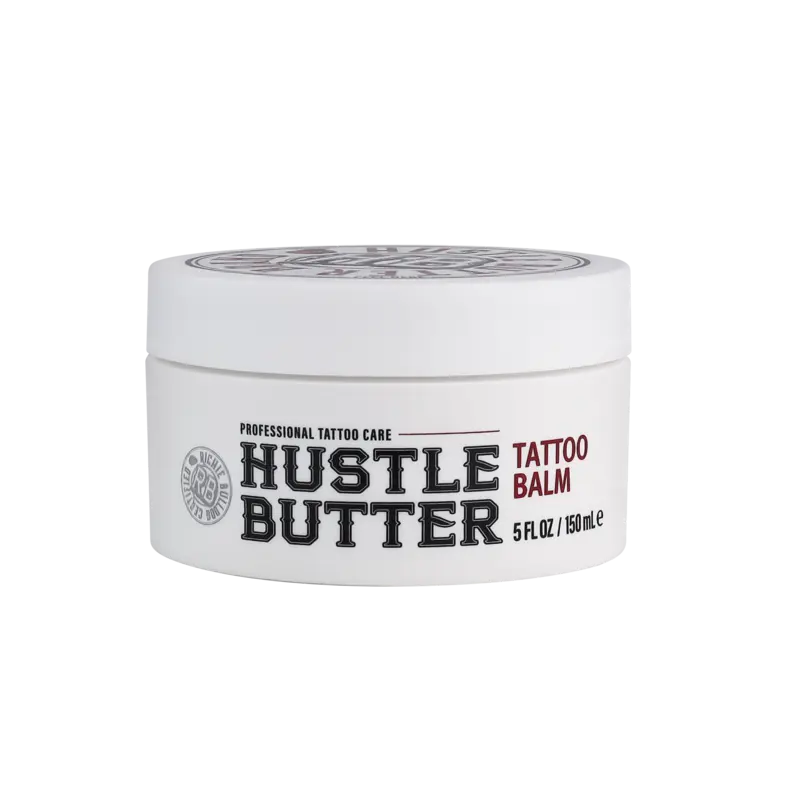
Hustle Butter Deluxe
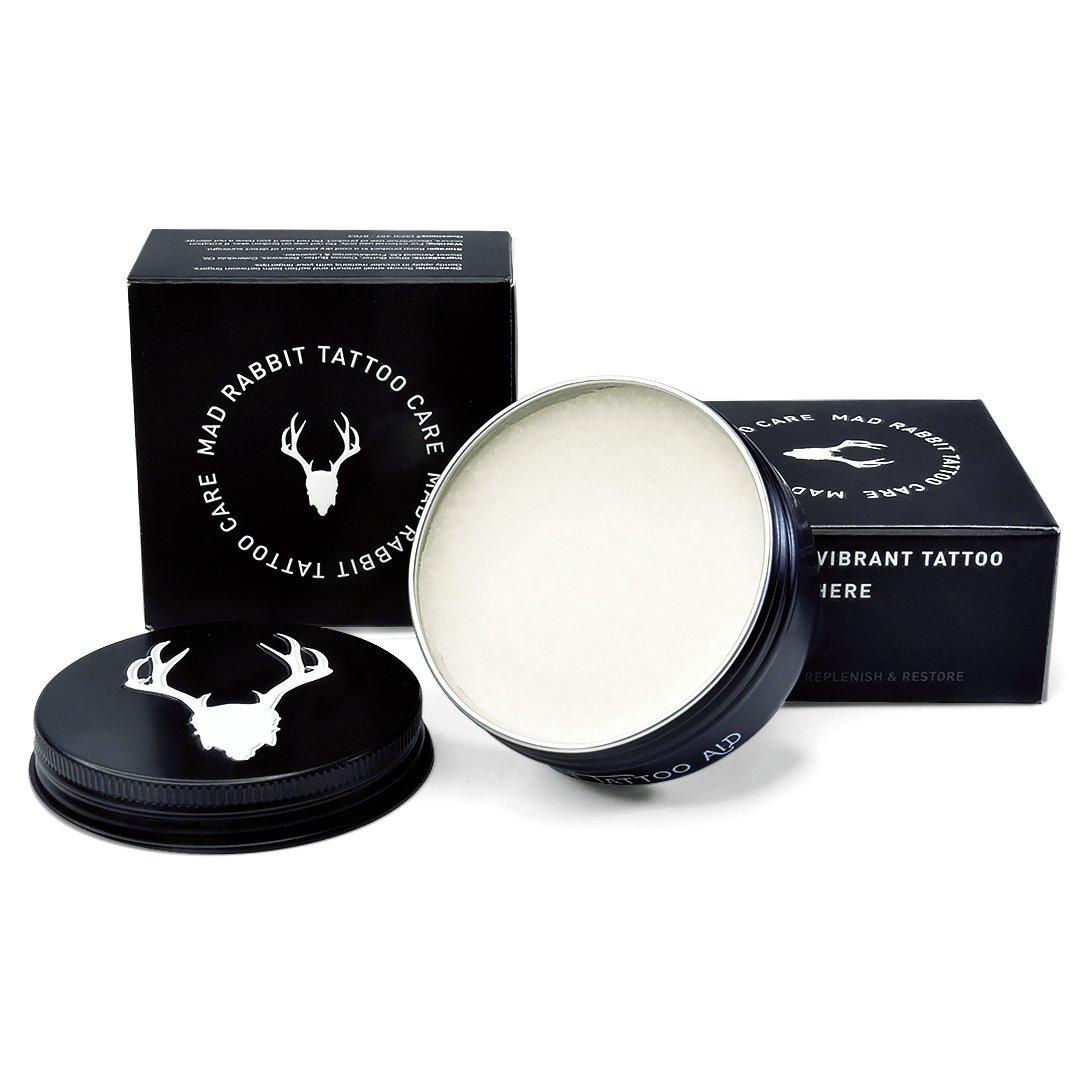
Tattoo Balm