Can You Swim After a New Tattoo?
A new tattoo is an open wound: pools, oceans, and hot tubs are off-limits until healed. Here's the real timeline and how to handle a vacation you can't move.
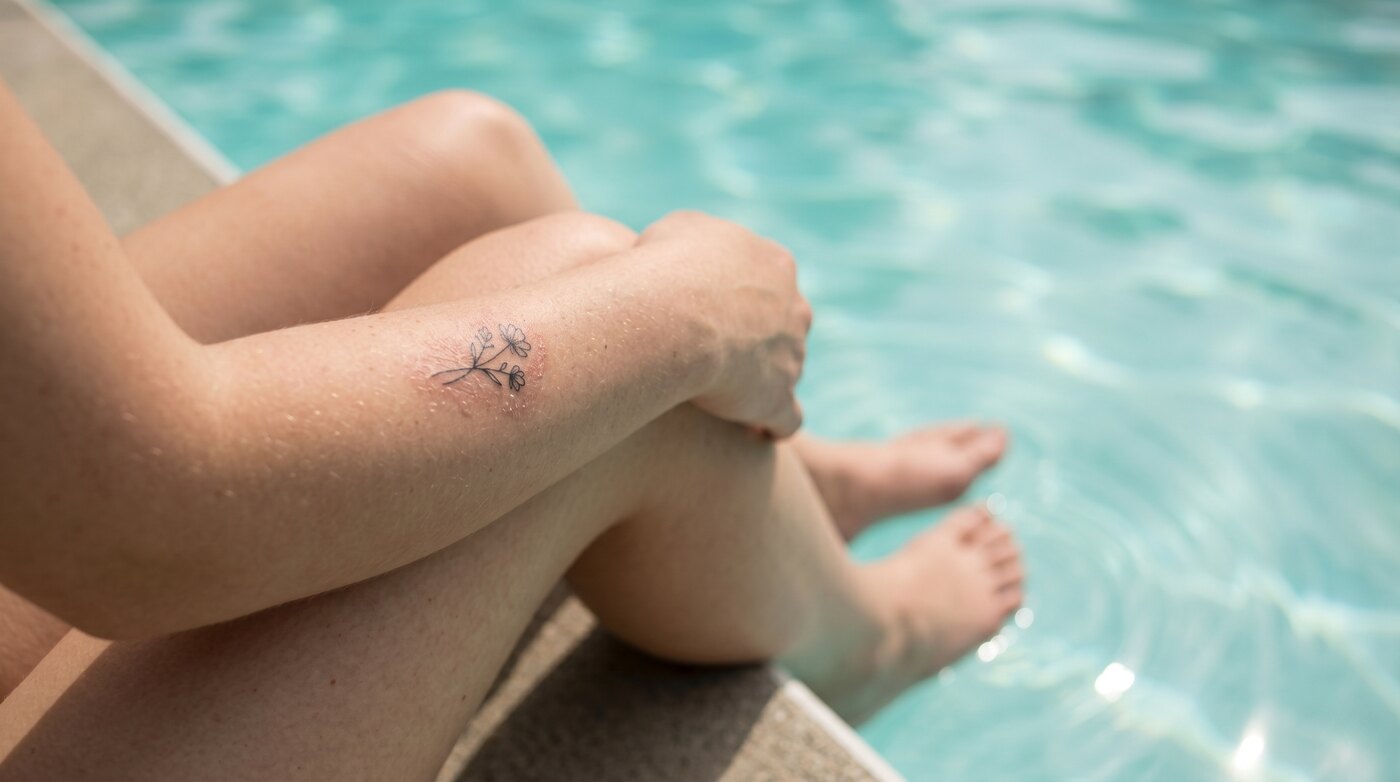
Short answer: no, not yet. A new tattoo is an open wound, and submerging an open wound in a pool, lake, ocean, or hot tub is one of the few aftercare mistakes that can actually send you to a doctor. Wait until it’s fully healed on the surface, usually 2 to 4 weeks, and ideally the full four.
That rule is consistent with Sacramento County Environmental Health’s tattoo aftercare guidance, which says to avoid swimming and hot tubs until the tattoo is completely healed. The rest of this guide explains how to judge that point and what to do if you’ve got a beach vacation you can’t reschedule. For the full healing picture beyond water, see our tattoo healing stages guide.
Why submerging a healing tattoo is a real problem
For the first few weeks your tattoo isn’t “art” yet. It’s a wound the size of the tattoo, with thousands of tiny needle punctures still closing. Water does three bad things to it:
- It carries bacteria straight into an open wound. Natural water (oceans, lakes, rivers) can hold Vibrio and Pseudomonas, both of which cause nasty, fast-moving skin infections when they reach broken skin. This isn’t theoretical; saltwater Vibrio infections are exactly why hospitals tell people with open cuts to stay out of the sea.
- It waterlogs the skin and lifts pigment. Prolonged soaking softens the healing epidermis, loosens scabs before they’re ready, and can pull ink out with them, the same patchy-color problem you get from picking at peeling skin.
- Chemicals and salt irritate raw skin. Chlorine and salt both dry out and inflame a fresh tattoo, slowing healing and stinging like you’d expect on what is, again, an open wound.
Hot tubs deserve a special warning: warm water is a bacteria incubator, the heat opens your pores, and the jets drive contaminated water against the wound. They’re the single worst place to put a new tattoo.
When you’re actually cleared to swim
Don’t count days: read your skin. You’re clear to swim once all of these are true:
- No scabs and no peeling. The peel phase is completely finished.
- No shiny, raised, or “wet-looking” patches. Those mean the surface is still closing.
- It feels like normal skin. Not tight, not tender, not rough.
- You’re at least 2 weeks out, preferably 4. Surface healing usually lands between weeks two and four. Large, dense, or color-packed pieces run longer.
When you’re not sure, wait the extra week. The downside of waiting is a boring week; the downside of going early is an infection that can blur the tattoo permanently and cost you a touch-up, or worse.
What about showers, sweat, and Saniderm?
Showers are fine from day one: quick, lukewarm, no soaking. Let water run over the tattoo, wash gently with a fragrance-free soap, and pat dry. Just don’t take long hot baths or let the shower blast directly onto fresh work.
Heavy sweat is a minor version of the same problem. Soaking the tattoo in sweat at the gym traps bacteria and salt against it, so keep workouts light and clean the tattoo right after.
A Saniderm second-skin film is water-resistant, not waterproof for swimming. It’s genuinely useful for keeping splashes and shower water off the wound, and it makes the first week far easier: our Saniderm peel day-by-day breakdown covers how to run it. But submerging it in a pool or the ocean can break the seal and trap dirty water under the film, which is worse than no bandage at all. Use it for showers, not laps.
The vacation problem
If you’ve already booked a beach or pool trip, the honest fix is the boring one: don’t get the tattoo until after you’re back. Most artists will happily move your appointment a week or two if you tell them you’ve got water plans; it’s a normal request.
If the tattoo is already done and the trip can’t move:
- Stay out of the water entirely. No “just a quick dip.” A waterproof bandage under swimming motion is not reliable: water seeps, the seal breaks, and you end up with contaminated moisture sitting against the wound for hours.
- Keep it dry, shaded, and loosely covered. Loose cotton clothing over the tattoo beats any bandage at the beach.
- Do not put sunscreen on an unhealed tattoo. SPF goes on skin, not open wounds, and it stings and can irritate. Keep the fresh tattoo in the shade and under fabric instead.
- Rinse and re-moisturize after any sweat or sand exposure with a thin layer of Hustle Butter or another light balm. Our best tattoo aftercare guide ranks the current options if you don’t have one yet.
Once it’s healed: protect it from fading
After the tattoo is fully healed, you can swim freely, but chlorine, salt, and especially the sun are what fade tattoos over years. Two cheap habits keep your ink sharp:
- Rinse with fresh water after pools or the ocean to get chlorine and salt off the skin.
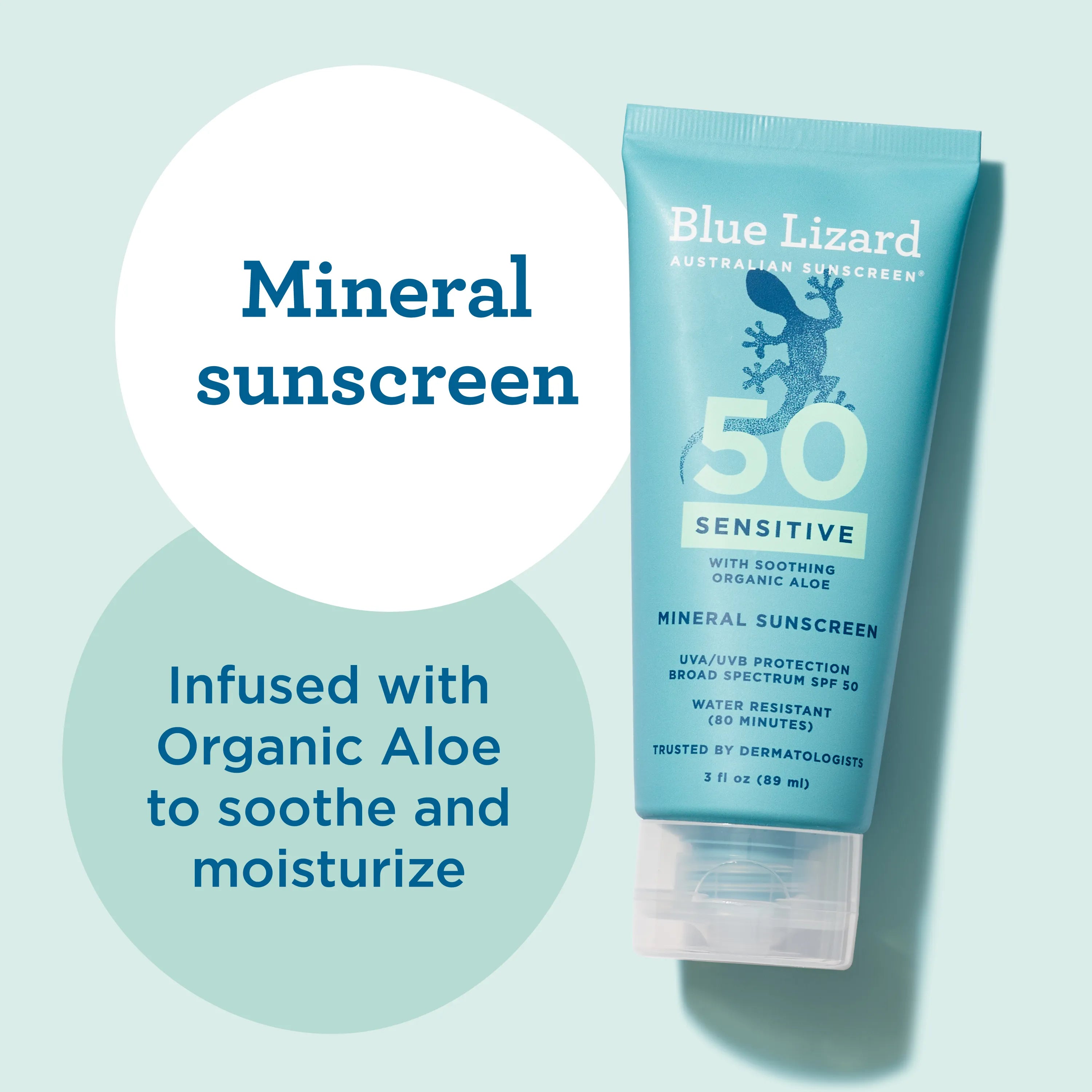
- Wear sunscreen on the tattoo, every time it’s in the sun. UV is the number-one cause of long-term fading. A broad-spectrum mineral SPF like Blue Lizard Sensitive is the easiest insurance there is, but only once the tattoo is completely healed.
If you slipped up
If you already swam with a fresh tattoo, don’t spiral: most of the time it’s fine, but watch it. Wash gently with fragrance-free soap and lukewarm water, pat dry, and apply a thin layer of balm. Then keep an eye on it for a few days. Spreading redness, warmth, swelling, pus, a foul smell, or red streaks radiating from the tattoo mean you call a doctor or urgent care the same day, not your artist. A tattoo artist can tell you if something looks off, but only a clinician can treat an infection.
The good news: get the timing right, and water is a non-issue for the rest of your tattoo’s life. It’s only these first few weeks that ask you to stay dry.
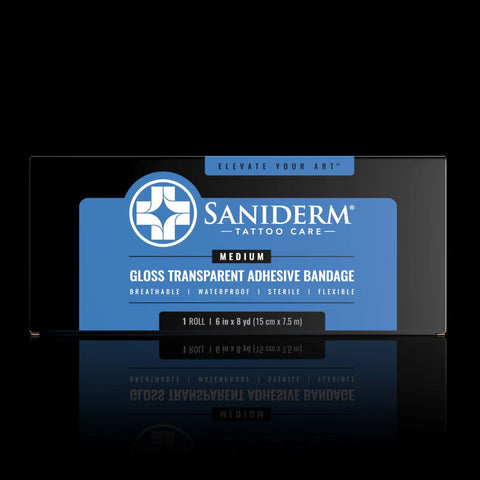
Adhesive Bandage Roll (4" × 8 yd)
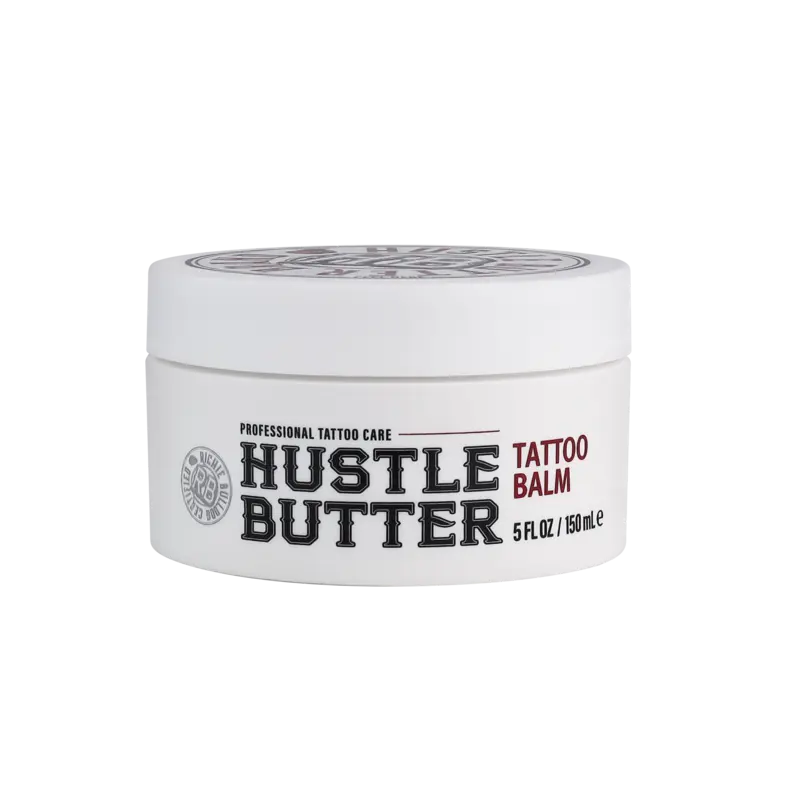
Hustle Butter Deluxe