touch-up visits: when they're free, when you pay, and how to ask
Most artists quietly include one free touch-up within 30-90 days but never post that policy. Here is how healing fall-out and technique issues are actually told apart, and how to bring it up without sounding like you are filing a complaint.

Most shops don’t post their touch-up policy on their website. The artists know it. The front desk knows it. You often don’t, at least not until you’re staring at a pale patch six weeks after the session wondering whether you can even bring it up.
The short answer: yes, you can bring it up. Most reputable artists expect to do touch-ups. The policy is usually one free follow-up within 30 to 90 days for documented fall-out or gaps, conditionally. The conditions are the part that varies, and they’re rarely written anywhere you could have read them in advance.
This guide is about that conditional layer: what the unwritten rules actually are, how artists and clients typically navigate the “whose fault is this” question, and how to have the conversation without it feeling like you’re filing a formal grievance.
The policy that isn’t posted
Walk into almost any established street shop and ask the artist about their touch-up policy. The answer will probably be something like: “If anything falls out in the first 60 days, come back and I’ll take care of it.” But that sentence doesn’t appear anywhere on their website, their booking form, or their Instagram bio.
Why is this? Partly because touch-up norms vary enough by shop and artist that a blanket statement creates mismatched expectations. An artist who specializes in fine-line botanical work and an artist who does traditional bold-line color have very different fall-out rates and very different tolerances for what warrants a touch-up. Posting a universal “free touch-up anytime, no questions” policy invites scope creep. Posting nothing invites exactly the situation you’re in.
The result is an industry-wide informal norm that most artists participate in but almost none formally advertise. The baseline: one free touch-up, within a defined window, for specific documented issues, provided the original aftercare instructions were followed. Everything else is case-by-case.
The right time to learn an artist’s specific terms is at the consultation, or at latest at the end of your session before you leave the shop. After the fact is not too late, but it’s harder.
How artists actually distinguish fall-out from neglect
This is the part that most guides skip because it’s uncomfortable: artists can often tell what happened to a tattoo, at least roughly. The visual signature of different healing problems is recognizable to anyone who has seen enough healed work.
Picking and peeling too early leaves a distinctive pattern. The edges of peeled scabs pull ink unevenly, leaving ragged pale patches with sharp borders. If you peeled a large piece of scab off the forearm during week two, that shows. The shape of the missing ink often traces the shape of what was picked.
Over-moisturizing tends to produce faded saturation across an area rather than discrete spots. Skin that’s been suffocated under too much product heals with a slightly blurred, muted look compared to properly cared-for skin.
Sun exposure during healing causes an overall washed-out fade, usually more pronounced on the surface. The color desaturates before it has had a chance to settle properly.
Technique-related fall-out looks different. If ink wasn’t driven to a consistent depth, you see spots and gaps distributed within the tattoo that follow the artist’s stroke pattern, not the shape of a picked scab. Missing ink in a solid black fill that forms irregular dots or short gaps is often technique, not aftercare. So is a line that healed crisp on one side and fuzzy on the other; that’s usually needle angle inconsistency.
Artists who do this work every day recognize these patterns. They may not always say so out loud, but they see them. An experienced artist who caused a fall-out issue through technique will often preemptively schedule the touch-up before you ask, because they know what they’re looking at.
This doesn’t mean you can walk in and diagnose it yourself. It means arriving with photos is worth more than arriving with a theory.
Wait the full six weeks
This matters enough to say plainly: do not assess your tattoo before week six. Tattoos go through a cloudy, waxy, patchy phase from roughly day 14 through day 28 where they look substantially worse than they will at full heal. What looks like a pale patch at week two might be completely solid saturation at week six. What looks like a fuzzy line at week three might sharpen significantly as the dead skin layer clears.
Artists won’t touch up a tattoo that hasn’t finished healing, and for good reason: re-tattooing unhealed skin causes more trauma and produces worse results. Assessing at week two, panicking at what you see, and texting your artist is a reliable way to start an awkward conversation about a problem that doesn’t actually exist yet.
Week four is the earliest you should look with any critical attention. Week six is where real assessment happens. If something is still clearly wrong at week six, that is a real problem worth addressing. If it cleared up between weeks two and six, that was the normal healing process.
For the full timeline of what to expect week by week, see our tattoo healing stages guide.
How to bring it up
The framing matters more than most people expect, and the good news is it’s not hard to get right.
Send a photo first. Text or email your artist a clear, well-lit photo taken around week six and ask “what do you think?” without editorializing. This does three things: it gives them something concrete to look at rather than a vague description, it signals that you’re a reasonable person who wants their professional assessment, and it opens the door without framing you as adversarial. Most artists will respond with either “that looks fine, give it another two weeks” or “yeah, I see what you’re seeing, let’s schedule you in.”
Name the specific thing you see, not a verdict on the work. There is a real difference between “I can see a pale patch in the lower left of the fill” and “this tattoo didn’t take.” The first is a factual observation. The second is an evaluation of the artist’s work. Lead with the observation and let the artist draw the conclusion.
Reference their touch-up window if you know it. If your artist mentioned at your session that they do touch-ups in the first 90 days, use that language: “I know you mentioned doing touch-ups in the first 90 days, I’m at week six and I wanted to check if you’d want to take a look.” This shows you listened, which most clients don’t.
Be flexible on timing. Touch-ups are typically short sessions, 15 to 45 minutes, and most artists fit them between full bookings rather than dedicating a separate appointment slot. Offering flexibility on day and time (“whatever works for your schedule”) makes you easier to slot in.
What to avoid: contacting the front desk or a different artist at the shop before talking directly to your artist. Going to another shop for a touch-up on your artist’s work before trying them first. Posting about it on social media before having the conversation. Any of these will be remembered and will affect how you’re treated going forward.
When the free window works and when it doesn’t
Most artists will do the free touch-up without much friction if you’re within the window, the issue is clearly fall-out rather than a style change, and you’re asking respectfully. That describes the majority of touch-up situations.
The cases where it gets complicated:
Aftercare was clearly not followed. If you scratched off scabs, went swimming during week one, or spent a week in the sun without covering up, and the result shows exactly what those things do to a healing tattoo, most artists will still offer a discounted touch-up but won’t absorb the full cost themselves. The honest move is to be truthful about what happened: artists can often tell anyway, and starting with a lie undermines your standing in the conversation.
The window has passed. If you noticed the issue at week three and didn’t reach out until week 14, expect to pay shop minimum. Most artists won’t penalize a small delay beyond their stated window if the problem is genuine, but significant delays beyond 90 days are typically charged. Shop minimums run $75 to $200 depending on the market. For cost context by region, see our tattoo cost guide.
Your artist has moved or is no longer at the shop. Most shops will handle the touch-up with another artist on staff, sometimes at no charge, sometimes at shop minimum. Ask the shop manager directly. Don’t assume one outcome or the other.
The placement makes fall-out expected. Hands, fingers, inner lip, feet, and elbows have much higher ink fall-out rates than forearms, thighs, or backs. Some artists won’t offer free touch-ups on those placements at all, or they’ll disclose before the session that a second pass is part of the expected process and may be billed separately. If your artist didn’t mention this before tattooing a high-fall-out placement, that’s worth raising, but it’s a harder conversation than pointing at a gap in an arm piece.
After the touch-up
Aftercare for a touched-up area is identical to aftercare for the original tattoo. The area heals on the same 2 to 4 week timeline as fresh ink, even if the touched-up section is small. Same wash and balm routine, same sun avoidance, same timeline before you can swim.
A fragrance-free balm like the Mad Rabbit Balm Stick handles the moisture-locking step without the petroleum base of older options. If your artist applies a second-skin bandage such as Saniderm at the end of the touch-up, follow the same removal protocol as you did for the original: leave it 24 to 72 hours unless it lifts, apply minimal product for the first few days, then transition to regular moisturizer.
For the full aftercare routine, see our aftercare guide.
Tip even on a free session. Twenty to forty dollars cash is the standard for a touch-up regardless of whether you were charged. Your artist did focused work without compensation for it. Tipping on free work is the thing that makes artists actually want you back.
The honest summary
Touch-up visits are normal. Most reputable artists build them into the expectation of their work, even if they don’t say so. The policy is almost never posted, but it exists.
The conversation around “whose fault is this” is usually navigable if you lead with photos and observations rather than blame. Artists can often assess what happened from the healed result. An artist who caused a technique problem will generally want to fix it. An artist who is looking at sun damage or pick marks will generally explain that and offer a discounted fix rather than a free one.
The single thing that determines most of this is whether you ask at all. Most people don’t. They either silently accept a result they’re unhappy with or they stew about it until the free window has closed. Ask early, frame it as the tattoo rather than the artist, and bring a photo. That’s the whole playbook for most situations.
For a more detailed breakdown of what actually constitutes a touch-up versus a rework, and a step-by-step timeline for how touch-up visits work, see our tattoo touch-up guide.
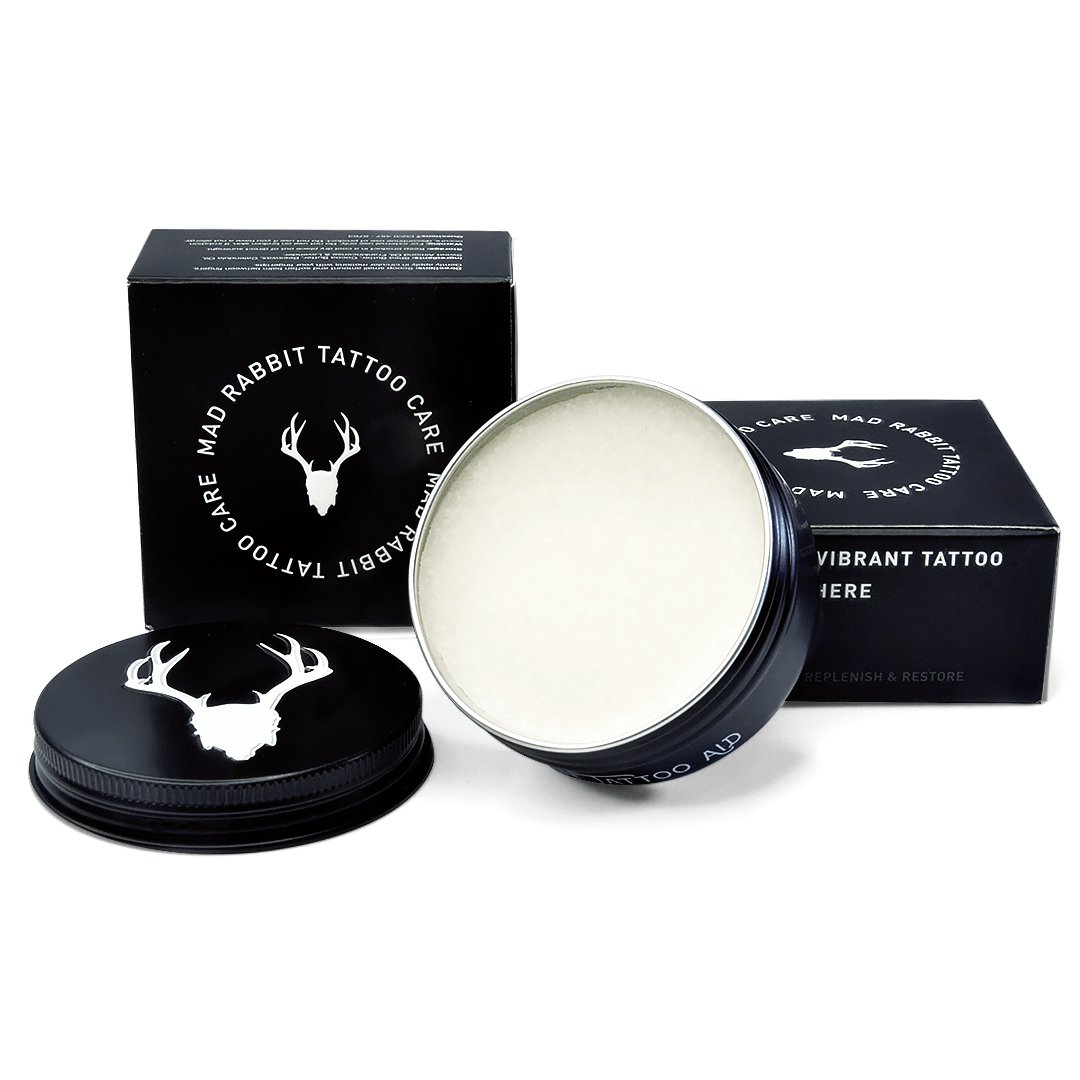
Tattoo Balm