Tattoo Allergic Reactions: Ink, Adhesive, and Aftercare
Redness from an allergy looks different from infection and shows up on a different timeline. Here's how to read what your skin is actually doing, and what to do about it.
Most people searching “tattoo allergic reaction” are worried about the redness and swelling that showed up after their session. In most cases, that’s normal healing. But some of it isn’t, and the allergy presentation is specific enough that it’s worth knowing what to look for.
This guide covers three categories: ink allergy, contact allergy to bandage adhesive, and reactions to aftercare products. If you think you have an infection rather than an allergy, the distinction is covered in detail at tattoo infection signs. The short version is that infection gets worse over time with spreading redness and discharge; allergic reactions are usually stable or tied directly to what’s touching your skin.
Ink allergies
An ink allergy is an immune response to the pigment particles deposited in your skin. The reaction is localized to the inked area, often to specific colors within the tattoo.
Red ink is the most common culprit by a significant margin. The reason is pigment chemistry. Red tattoo inks have historically relied on azo dyes, which are more chemically reactive than the carbon-based pigments used in black ink or the phthalocyanine compounds used in blues and greens. The FDA’s review of tattoo ink ingredients has flagged azo-based pigments as the primary concern for allergic reactions, both immediate and delayed.
The presentation is usually a raised, itchy area that follows the red lines or fills precisely. The black outline sits flat while the red portions are elevated. There’s no discharge, no spreading heat pattern, no fever. It looks irritated rather than infected.
Black ink can also cause reactions, particularly older formulations with added substances like carbon black mixed with polycyclic aromatic hydrocarbons. Any color can trigger a reaction, but red remains the most frequently reported.
Ink reactions can appear within days of the session or emerge months or years later, sometimes activated by sun exposure. A photosensitivity reaction to certain pigments, particularly reds and oranges, shows up after UV exposure rather than immediately after tattooing.
For a mild, chronic ink reaction, a dermatologist can evaluate whether a topical corticosteroid is appropriate. Persistent or worsening reactions warrant a dermatologist visit rather than home management.
Adhesive reactions to Saniderm and Tegaderm
Both Saniderm and Tegaderm use an acrylic-based adhesive. Contact dermatitis from that adhesive is documented and not uncommon, though it’s far less common than ink reactions.
The location of the rash is diagnostic: it follows the bandage border exactly. You’ll see redness, blistering, and itch in a rectangular strip pattern where the adhesive edge pressed against intact skin. The center of the bandage, over the tattoo, is usually unaffected. The tattoo itself is not the problem. The adhesive is.
This is distinct from a normal tattoo reaction. If the redness is radiating outward from the tattoo and the discharge is changing color, read tattoo infection signs. If the redness is forming a border following the bandage outline on otherwise healthy skin, that’s the adhesive.
What to do: remove the bandage. Switch to an open-air protocol. Wash 2-3 times daily with a fragrance-free soap like Dr. Bronner’s Pure-Castile Unscented ($17.17), apply a thin layer of fragrance-free balm, and leave it uncovered. Do not reapply any film dressing. The reaction should settle within 24-48 hours of removal. If it doesn’t, or if the blistering is severe, see a doctor.
For context on the bandage products themselves, see Saniderm vs. Tegaderm.
Aftercare product reactions
Fragrances are the most common contact allergen in skincare, and most general-market lotions, balms, and soaps contain them. A tattoo is an open wound for the first week. Applying a fragranced product to it gives any irritating ingredient direct access to the dermal layer.
The presentation: diffuse redness and itch covering the whole tattooed area, plus the surrounding skin where the product was applied. It doesn’t follow the ink lines. It shows up within hours of use and usually calms within 24-48 hours of stopping.
Common offenders worth knowing:
Fragranced balms and lotions are the obvious ones, but “natural” doesn’t mean low-risk. Lavender oil, tea tree oil, and citrus extracts all cause contact dermatitis in sensitive individuals. Some tattoo-specific products market themselves as botanical and fragrance-free while including essential oils. Check the ingredient list.
Lanolin appears in some ointments and causes reactions in people sensitive to wool. If you’ve ever reacted to wool products or certain adhesive bandages, lanolin is worth avoiding.
Petroleum-based products like Aquaphor are generally low-allergen, but they’re occlusive enough to cause folliculitis if applied too heavily. Keep the layer thin.
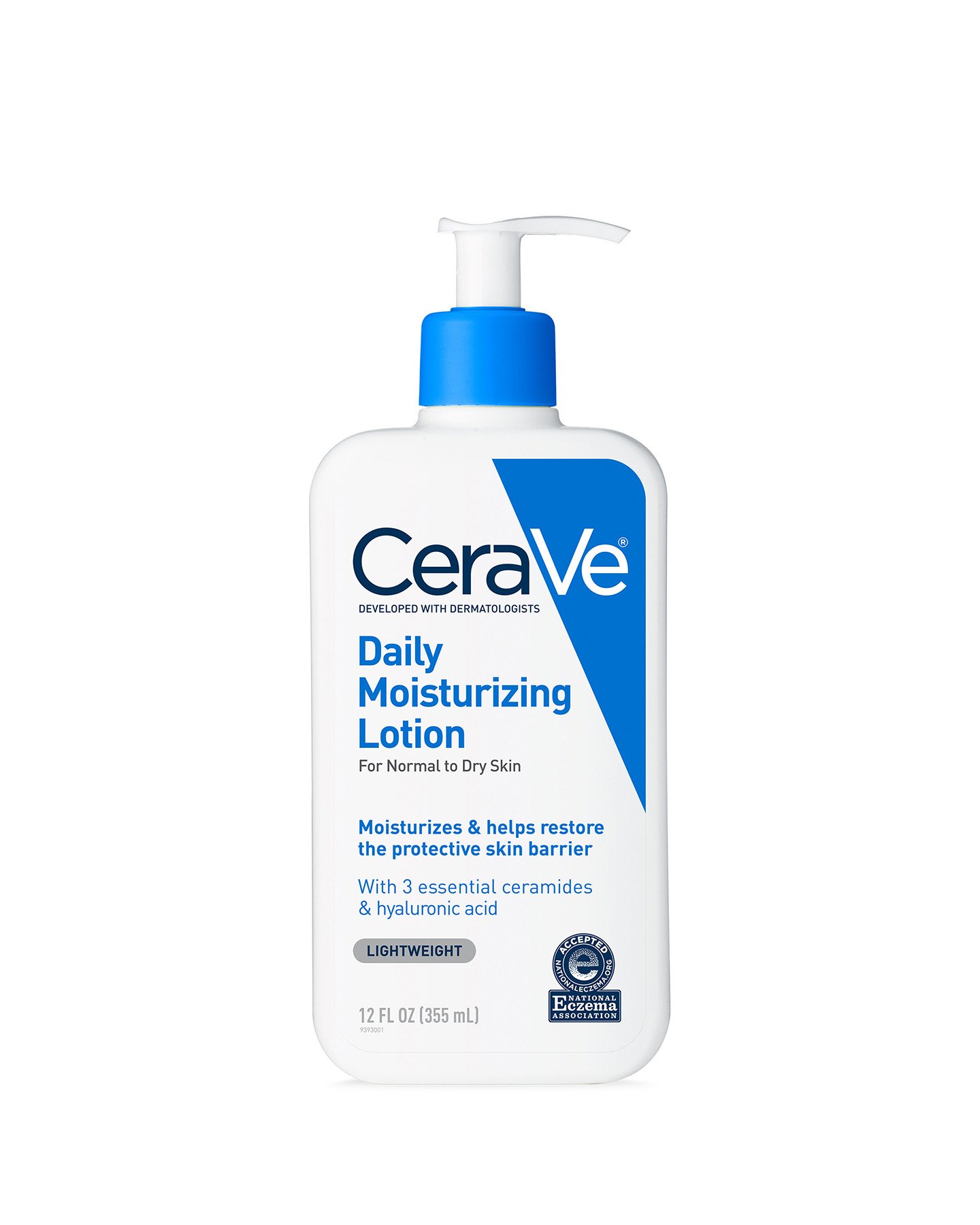
The safest protocol for reactive skin: Dr. Bronner’s Pure-Castile Unscented to clean, Mad Rabbit Balm Stick ($11.98) or CeraVe Daily Moisturizing Lotion ($18.13) to moisturize. Both are fragrance-free. CeraVe is ceramide-based and dermatologist-tested for sensitive skin. The Mad Rabbit stick applies without fingers in a tub, which also reduces contamination risk.
When to see a doctor
Most allergic reactions resolve once you identify and remove the cause. But some warrant medical attention:
- Any ink reaction that’s spreading beyond the original tattooed area
- Blistering at the tattoo itself, not just the bandage edge
- Systemic symptoms: hives appearing on skin elsewhere, throat tightness, swelling in areas away from the tattoo
- Any reaction that doesn’t improve within 48-72 hours of removing the suspected product or bandage
- A reaction that appeared months or years after the tattoo healed, especially one triggered by sun exposure
The systemic symptoms, in particular, are urgent. Throat tightness or breathing difficulty after any topical product means stopping use immediately and calling emergency services.
For reactions localized to the tattoo (itchy raised ink, persistent redness), a dermatologist can confirm the cause and recommend treatment options. Patch testing can identify specific allergens if you’re unsure what triggered it.
Where this fits in the healing timeline
Allergic reactions can be hard to distinguish from normal healing in the first week, since everything is red and irritated. The key signals to watch:
- Normal healing: redness and swelling decrease day by day starting around day 3. See tattoo healing stages for the full week-by-week breakdown.
- Contact allergy to a product: the reaction is tied to application. It gets worse after you apply the product and better after you stop.
- Adhesive allergy: the rash follows the bandage shape, not the tattoo.
- Ink allergy: the raised or itchy area follows the ink lines, often a specific color, and doesn’t improve with standard aftercare.
If you’re genuinely unsure whether you’re looking at a reaction or an infection, a doctor’s visit is the right call either way.
30Which healing day are you on?Enter your tattoo date for what's normal today, plus 30 daily calendar reminders. Free, no sign-up.Open tracker →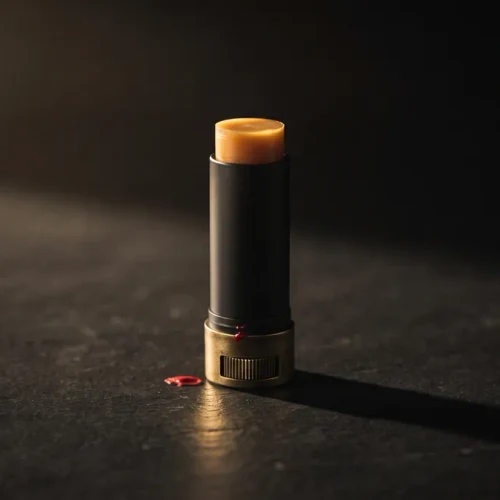
Enhance Tattoo Balm Stick