
Cover-up tattoos: what's actually possible and how to have the honest conversation
What an existing tattoo limits, what to show a cover-up artist, and how to discuss design, size, and laser fading without having to explain your regret.
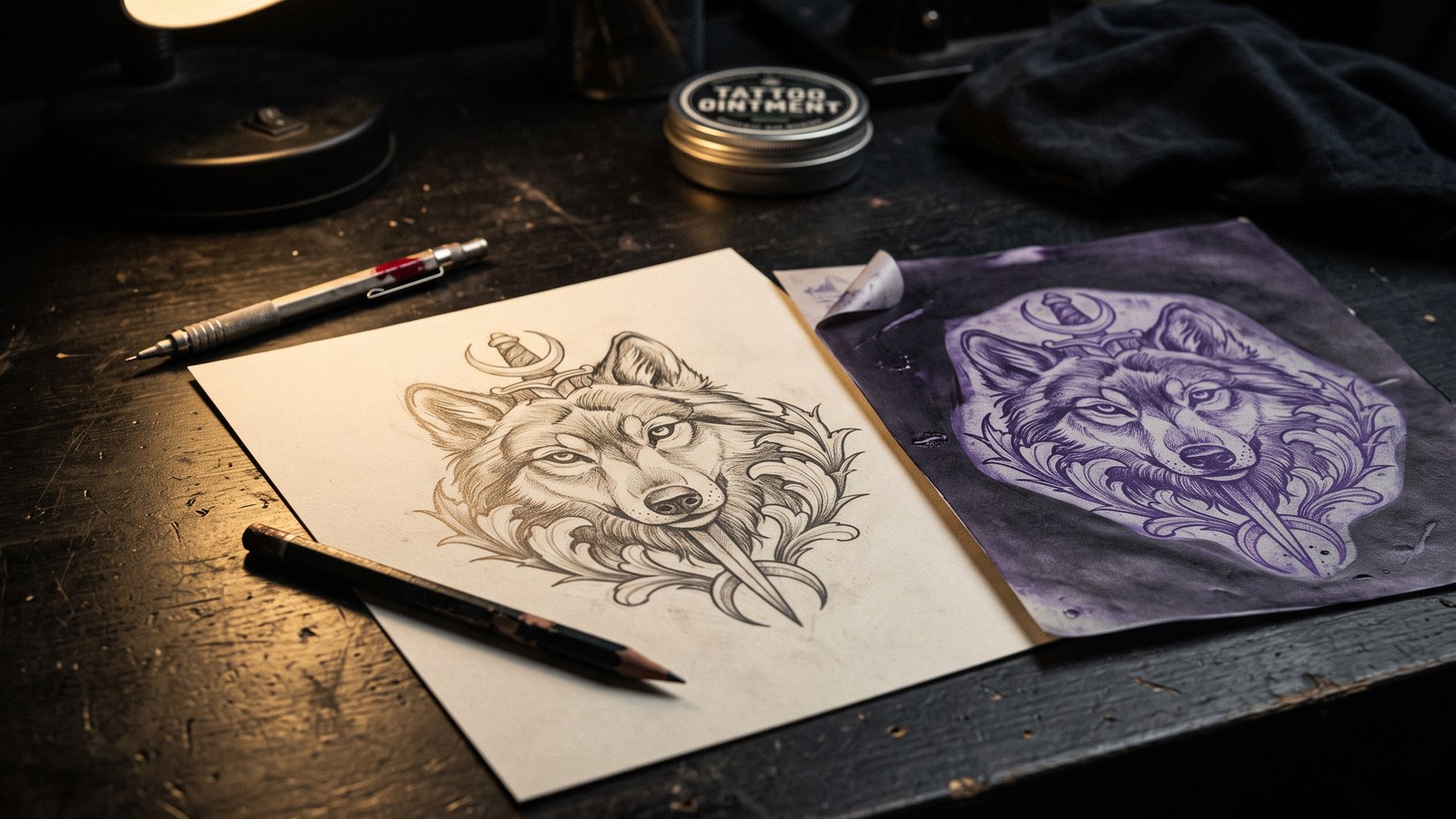
You can tell a cover-up artist that you want an old tattoo hidden without explaining why you got it. The useful conversation is about the tattoo they can see, the result you want, and the limits you will accept.
There are limits to what new ink can hide. Knowing them gives you a way to discuss the design without being talked into a larger, darker tattoo you did not want.
What can a cover-up hide?
A cover-up does not remove the original pigment. The artist uses the new design’s filled areas, lines, and placement to make the old tattoo harder to recognize. A pale design over dense dark ink is unlikely to hide it.
The existing tattoo’s darkness, colors, size, and position all affect the options. An artist needs to see the tattoo before telling you what can cover it.
Dark, filled areas usually give an artist more room to disguise old lines than fine line work or a watercolor wash. This does not mean every cover-up must be blackwork. It means a specific design has to account for the ink already there.
The new design often extends beyond the old tattoo to give the artist room to hide its edges and build a composition that looks intentional. There is no reliable size multiplier you can apply from a photo. If the original already covers much of an arm or back, the space available may limit your choices.
The artist may place a dark part of the new image over an old outline or use the old tattoo’s shape in the composition. Ask them to point out where the old lines will sit in the proposed design. A picture of the new design alone may not answer that question.
Our cover-up tattoo guide compares styles, including blackwork and traditional. Use those examples as starting points, then ask an artist to assess your actual tattoo.
What a good artist actually assesses
Before an experienced cover-up artist starts talking about designs, they gather information. The questions they ask tell you something about whether they’re treating this as a constraint problem or as a sales pitch.
A good consult sounds something like this: “Can you send me current photos in natural light? Multiple angles if you can.” Then, separately: “How old is it? Has it had any touch-ups since the original session? Has any removal been attempted, even a couple of sessions?”
These details help the artist judge the visible ink and any previous work in the area. A faded outline may offer different options from a solid black fill. If the tattoo has already been covered once, say so even if the first piece is no longer obvious.
The artist should then explain which parts of your preferred design would need to change. A promise to put a light floral piece over a dark tattoo without seeing it gives you little basis for deciding whether to book.
How to describe what you want
Tell the artist both what you would like and what you need the new tattoo to hide. A reference image is useful, but it is a starting point for a design around existing ink.
There is a meaningful difference between these three openings:
“I want this covered with a Japanese koi fish.”
“I want this gone. I don’t want any trace of what was there.”
“I want something that looks intentional even if the subject is shaped by what I already have.”
The koi is a useful preference. Pair it with what matters most: hiding the old subject, keeping a certain area clear, or avoiding a very dark piece. Then the artist can say where those wishes conflict.
Tell the artist what you don’t like about the original. That’s different from the design you want to replace it with, and it’s more useful information. “I hate that it’s too small and looks like a blob” is actionable. “I hate that I got this person’s name on me” is also actionable, though in a different way. The first tells the artist what the aesthetic failure mode was. The second tells them the subject matter has to disappear completely, which may rule out compositions that reference the original’s shape.
Be specific about hard limits upfront. If the cover-up must stay below the elbow or fit under short sleeves for work, say so at the start. The artist may tell you the design you want cannot hide the old tattoo within those boundaries. You can decide whether to change the design, seek another opinion, or leave it alone.
The embarrassment angle
You might be covering a name, a design that no longer fits, or work that healed badly. You can keep that history private.
The artist still needs a clear view of the tattoo. If you do not want to discuss the subject, try: “I want the lettering to be unreadable. Can you show me which parts of your design would cover it?” That gives them a concrete goal without inviting questions about the name.
Share any touch-ups, earlier cover-ups, or removal attempts. Those can affect the artist’s assessment of the area. If the subject is painful to discuss, you can say that directly and bring a written note with the technical history instead.
You can also ask for the consultation to focus on the design and your limits.
What should you look for in a cover-up consultation?
Look at before-and-after examples of the artist’s own cover-ups. Check whether the original was similar to yours in size and darkness and whether the old shape is still visible in the finished piece. Ask whether the photos show healed work if that matters to your decision.
An artist who can explain the plan might say, “The composition needs to go wider so this line lands under a filled area.” They should be able to discuss size, palette, and placement in relation to your tattoo, not just show you an attractive reference image. If the original is dense, ask whether laser fading could give you more options.
Be cautious if someone guarantees that your preferred design will work without assessing the old tattoo, or cannot show how the design will handle its darkest parts. A portfolio of strong original work does not settle that question.
If the explanation does not make sense to you, ask for a sketch over a photo of the existing tattoo or get a second opinion before paying a deposit.
Our guide on how to choose a tattoo artist covers portfolio questions that also apply here.
When the answer is partial laser first
An artist may suggest laser lightening if the existing ink is too dense for the design you want. That is an option to discuss, not a required step for every cover-up.
The FDA explains that laser treatment can lighten tattoo pigment, but the number of sessions and the result depend on the tattoo’s size and colors. It also carries risks, including changes in skin color and scarring. A qualified health care professional can assess those risks and discuss what lightening might achieve for your tattoo.
Before booking treatment, ask the cover-up artist what degree of fading would change their design plan. Ask the laser provider for an estimate based on the tattoo itself, the expected interval between sessions, and when the skin may be ready for a new tattoo. Neither professional can promise a fixed session count from a general rule.
Our tattoo removal guide explains the treatment process in more detail. You can also consult another cover-up artist before deciding whether to pursue laser lightening.
What you should walk out of the consult knowing
A good cover-up consult ends with concrete answers, not vague encouragement. By the time you leave, you should know:
-
Can the artist cover it directly, or would laser fading make the design I want more feasible? A laser provider should assess treatment sessions and timing.
-
Which styles fit the visible ink and the size I am willing to wear?
-
How far beyond the old tattoo would the new design extend?
-
Where would the darkest filled areas go, and what colors are realistic?
-
What is the artist’s estimate for sessions and cost, and what is included in the deposit?
If you leave without clear answers, get another opinion before committing to a design or deposit.
If you are still deciding between new art, removal, and leaving the tattoo alone, start with our tattoo regret guide.