What to Eat Before a Tattoo Appointment
Low blood sugar is the number one reason people feel faint during tattoos. Here's what to eat, what to skip, and what to bring for longer sessions.
Fainting during a tattoo is rare, but it happens, and almost every time, the cause is the same: low blood sugar, not the needle. You can’t control how sharp the artist’s liner is, but you can control what you ate that morning. This is the prep most people skip.
Why it actually matters
Your body responds to tattoo stress the same way it responds to any physical stressor: heart rate rises, adrenaline spikes, and your system burns through glucose faster than usual. If your blood sugar is already low going in, a long session will drop it further. The result is the vasovagal response: lightheadedness, nausea, cold sweat, and sometimes a full faint. It’s not dramatic. It just ends your session early and leaves you feeling rough.
Hydration matters for a different reason: dehydrated skin is harder to work on. It holds less ink, takes more passes, and is generally more uncomfortable for both you and your artist.
See also: how long does a tattoo take, knowing what you’re in for helps you prep accordingly.
What to eat: 1–2 hours before
A real meal, not a snack. The goal is stable blood sugar through the session: that means protein, complex carbs, and some fat. Things that digest steadily, not things that spike and crash.
Good options:
- Eggs with toast or a breakfast burrito
- Oatmeal with nuts and fruit
- Chicken and rice bowl
- Greek yogurt with granola
- Peanut butter on whole grain bread
Eat roughly 1–2 hours before your appointment. Too close and you may feel heavy or nauseated; too far out and you’ll be running on empty by the end of a longer session. If your appointment is at noon, eat a solid breakfast at 10.
Avoid heavy fried food right before. A greasy meal sits in your stomach and can make lying still for two hours genuinely unpleasant.
What to avoid
Alcohol: 24 hours before minimum. This is the big one. Alcohol thins your blood, which causes more bleeding during the session, affects how well ink settles into the skin, and slows healing afterward. Many artists will turn you away if you smell like alcohol. There’s no workaround here.
Excessive caffeine. Your usual morning coffee is fine. Quadruple espresso is not. Caffeine at high doses increases anxiety and can make you more sensitive to pain, the opposite of what you want. Drink what you normally drink, then switch to water.
Blood-thinning supplements. High-dose fish oil, vitamin E, and excessive garlic can thin your blood similarly to aspirin. If you’re taking these regularly, skip them the morning of your appointment.
Aspirin and ibuprofen. Both are blood thinners. If you’re managing soreness or a headache before your appointment, acetaminophen is fine. Save the ibuprofen for after.
Hydration
Drink water consistently the day before and the morning of. Not a gallon in one sitting, just stay ahead of it. Well-hydrated skin takes ink better and your body handles the stress of a long session more easily.
If your appointment is in the afternoon, don’t show up having only had coffee since the night before. Have water with your meal and keep a bottle with you.
What to bring
For any session over two hours, pack snacks. Shops often have a vending machine or a fridge with drinks, but you shouldn’t count on it. A juice box, a candy bar, or fruit snacks are all fast ways to bring blood sugar back up if you start feeling off. Tell your artist before you feel bad, not after; they’d rather pause for five minutes than deal with a faint.
A water bottle is worth bringing regardless of session length.
If you’re planning to use numbing cream
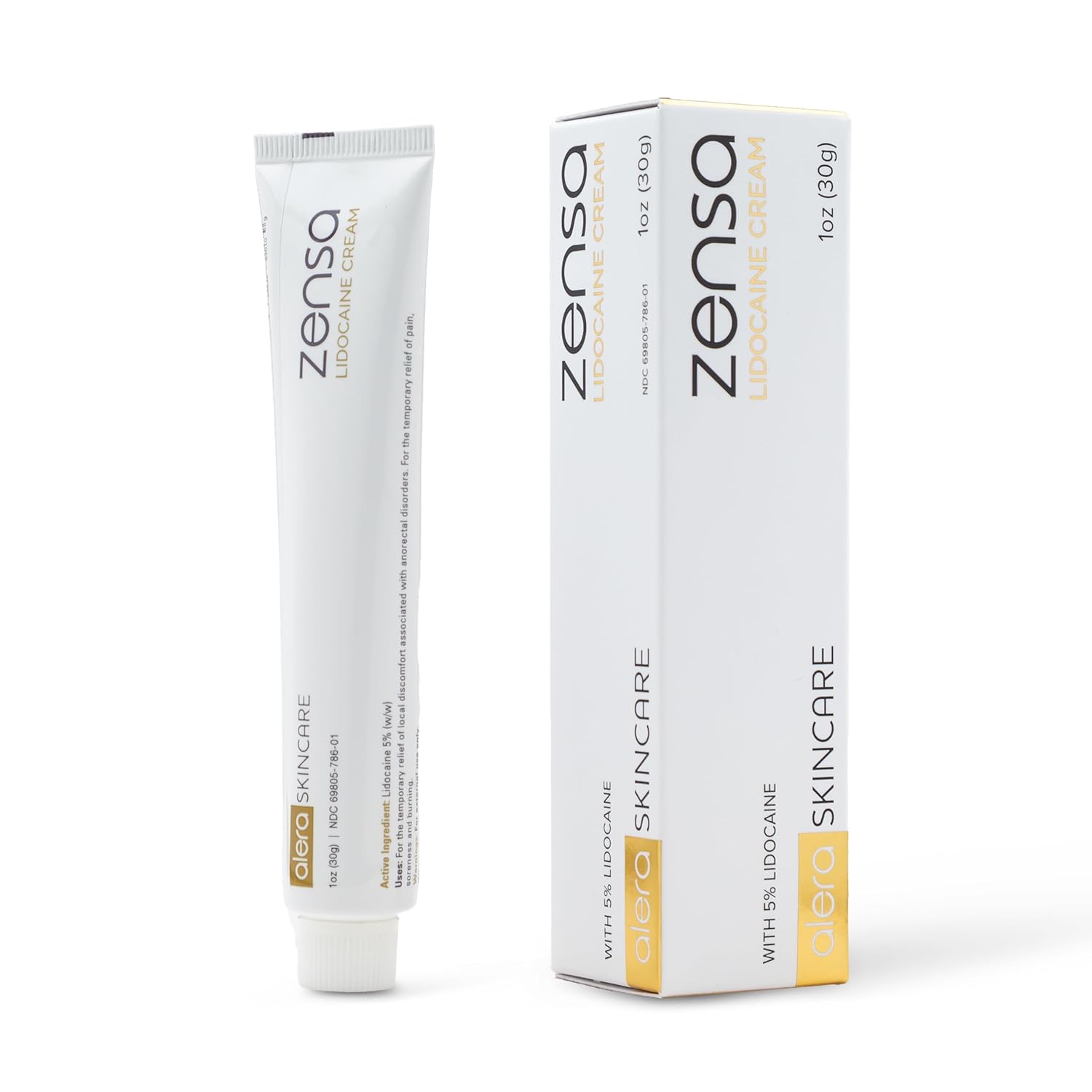
Numbing cream doesn’t interact with food, but it does require advance planning: most need to be applied 45–60 minutes before the needle touches skin. Work that into your morning schedule alongside eating. Zensa (5% lidocaine, $35.99) is formulated for tattoos specifically and is a common choice; Ebanel ($17.69) is a budget-friendly alternative with the same active percentage.
More on this in the best numbing cream guide.
After the session
Your body just went through a few hours of low-grade physical stress. Eat again when you’re done: a real meal, not just another candy bar. Protein helps with recovery. Your skin is also an open wound at this point, so hydrate and rest.
The first few days of healing matter. When you’re ready for that part, the best tattoo aftercare guide covers what to use and what to avoid.
The full prep picture is in the first tattoo checklist if you want everything in one place.